
Stuck in a room without windows and feeling the air get stale? You’re not alone.
Poor air circulation can make any space uncomfortable, stuffy, and even unhealthy. But don’t worry—you have the power to change that. You’ll discover simple, effective ways to boost airflow and breathe fresh air again, even if your room has no windows.
Keep reading, and you’ll learn easy tricks that can make a big difference in how your room feels every day.

Credit: www.dreo.com
Causes Of Poor Air Circulation
Poor air circulation can make a room feel stuffy, uncomfortable, and even unhealthy. Understanding what causes this issue is the first step to fixing it, especially if your room lacks windows. Identifying the barriers to fresh air movement helps you create a plan that truly improves the environment around you.
Impact Of No Windows
Without windows, your room misses a natural source of fresh air and ventilation. This limits airflow exchange, causing air to become stagnant quickly. You might notice a buildup of odors, humidity, or even a slight feeling of suffocation.
Think about the last time you spent hours in a windowless space. Did the air feel heavy or stale? That’s because windows act like natural air pumps, pushing out old air and pulling in fresh air. Without them, the room depends entirely on mechanical or alternative airflow methods.
Common Airflow Blockages
Even in rooms with good ventilation systems, objects and layout can block the flow of air. Furniture placed too close to vents or doors can prevent air from circulating freely. Heavy curtains, rugs, and clutter add to this problem by creating barriers.
- Blocked vents reduce the efficiency of your air system.
- Overcrowded spaces limit where air can move.
- Closed doors trap air inside, cutting off fresh circulation.
Have you checked if your vents are clear or if your furniture is arranged to allow airflow? A simple rearrangement can make a noticeable difference. Sometimes, all it takes is moving a chair or opening a door to breathe new life into the air quality of your room.
Use Of Fans For Air Movement
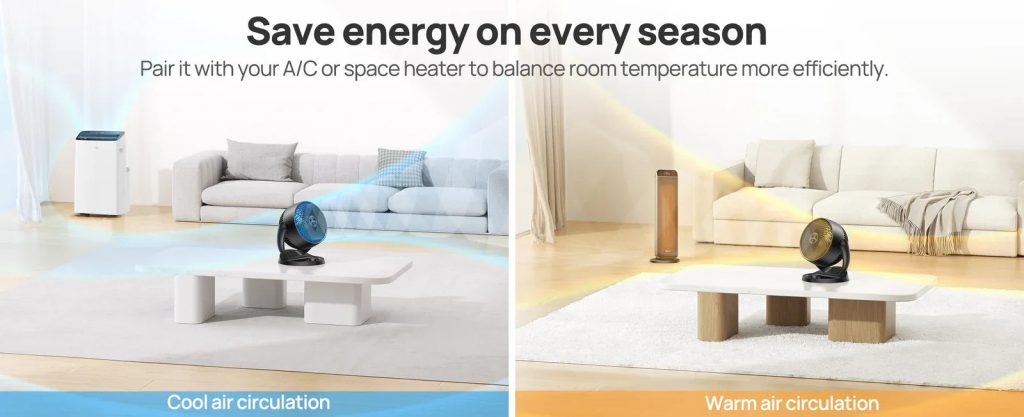
Fans are a simple yet effective way to boost air movement in a room without windows. They don’t bring fresh air in, but they help circulate the existing air, preventing stuffiness and making the space feel more comfortable. Using fans strategically can significantly improve the air quality and overall atmosphere in such rooms.
Placement Tips For Fans
Where you place your fan matters a lot for improving air circulation. Positioning a fan near the door can help pull air from other parts of your home into the room. This creates a flow that pushes stale air out and brings in fresher air from adjoining spaces.
Another smart tip is to angle the fan upwards or towards the ceiling. This encourages air to move around the entire room rather than just blowing in one direction. You might have noticed this when a fan placed low on the floor cools the whole room more evenly.
Consider pairing fans to create a cross-flow of air. For example, one fan pushing air in and another pulling air out can simulate a breeze effect. Have you tried this setup in your room?
Types Of Fans To Consider
- Box Fans:These are powerful and can cover large areas. Their square shape lets you easily place them on the floor or against a wall.
- Oscillating Fans:These fans move side to side, spreading air across the room. They’re great if you want to avoid a direct, constant breeze.
- Ceiling Fans:If your room has a ceiling, installing a fan can keep air moving consistently. They’re quiet and don’t take up floor space.
- Tower Fans:Slim and tall, these fans fit well in tight spaces. They often come with adjustable settings for speed and direction.
Choosing the right fan depends on your room size and where you can place it. Have you noticed how the right fan can instantly freshen the air, even without a window?
Incorporating Air Purifiers
Incorporating air purifiers is a smart way to improve air circulation in rooms without windows. These devices help move and clean the air, making the environment healthier. They can reduce dust, allergens, and odors that often build up in enclosed spaces.
Air purifiers work quietly and do not need open windows to function. They keep air fresh by capturing particles and circulating cleaner air. This method supports better breathing and comfort in windowless rooms.
Benefits For Indoor Air Quality
Air purifiers remove dust, pollen, pet dander, and smoke from the air. They lower the risk of allergies and asthma symptoms. Many models also reduce harmful bacteria and viruses.
This creates a cleaner, fresher atmosphere. It helps prevent stale air and bad odors in rooms without ventilation. Consistent air cleaning improves overall health and well-being.
Choosing The Right Purifier
Select an air purifier based on room size and air quality needs. Look for models with HEPA filters for better particle removal. Activated carbon filters help control odors and gases.
Consider noise levels for quiet spaces. Check energy efficiency to save power. Choose a unit that is easy to maintain and has filter replacement alerts.
Credit: www.tomsguide.com
Ventilation Alternatives
Improving air circulation in a room without windows can seem challenging, but there are effective ventilation alternatives you can apply. These options help bring fresh air in and push stale air out, making your space more comfortable and healthier. Let’s look at practical ways you can boost airflow without needing a window.
Installing Air Vents
Air vents are a smart way to encourage airflow between rooms or from hallways. You can add supply vents that bring fresh air from other parts of the house or exhaust vents that remove stale air. This setup creates a natural flow that keeps your room feeling fresh.
Consider placing vents near the floor and ceiling to promote better air movement, as warm air rises and cool air sinks. If you’ve ever felt stuffy in a room without windows, installing vents can be a game-changer. You’ll notice a difference in air quality and comfort quickly.
Utilizing Door Gaps
Door gaps are often overlooked but very useful for ventilation. Leaving a small gap under the door allows air to pass freely between rooms, helping balance the airflow. If your door fits tightly, you can create or widen the gap easily by adjusting the door or installing a vent grille.
Try adding a door draft stopper with a small vent or using a louvered door to let air circulate without sacrificing privacy. Have you ever thought about how a simple door gap could improve your room’s air? It’s a low-cost fix that requires little effort but delivers real results.
Managing Humidity Levels
Improve air circulation in windowless rooms by using fans and open doors. Place indoor plants to help filter air. Regularly clean air vents and use dehumidifiers to reduce moisture.
Managing humidity levels in a room without windows is crucial. High humidity can lead to discomfort and mold growth. It can also affect air quality and health. Effective humidity management can enhance air circulation. This improves the overall environment in windowless rooms.Using Dehumidifiers
Dehumidifiers are essential in controlling moisture levels. They extract excess moisture from the air. This prevents mold and mildew formation. Place a dehumidifier in the room for best results. Make sure to empty the water reservoir regularly. Choose a model suitable for your room size. A smaller room needs a less powerful dehumidifier. Keep it running during humid days. This ensures optimal moisture control.Effects On Air Flow
Reducing humidity improves air flow significantly. Dry air moves more freely than damp air. This enhances circulation in the room. Improved air flow reduces stuffiness. It creates a more comfortable environment. Dry air is also easier to cool. This results in better temperature regulation. Air quality improves when humidity is controlled. It reduces allergens and musty odors. This contributes to a healthier living space.Optimizing Room Layout
Optimizing your room layout can make a significant difference in how air moves, especially in a space without windows. The right arrangement encourages airflow and prevents stuffiness. You might be surprised how small changes can refresh the entire atmosphere.
Furniture Arrangement Tips
Place larger furniture pieces away from air vents or fans to avoid blocking airflow. Consider positioning your seating area where the air circulates best, such as near a door or an air purifier.
Try to keep furniture at least a few inches from walls to allow air to flow behind them. If your room feels cramped, using smaller or multi-functional furniture can open up space for better movement of air.
Have you noticed how rearranging your bed or desk changes the feel of a room? Shifting these items can help air travel more freely and reduce stagnant spots.
Clearing Air Pathways
Keep pathways between furniture clear of clutter. Items like stacks of books or boxes can block air from moving smoothly across the room.
Make sure doors can open fully without obstruction, which helps fresh air circulate if you leave them open. Even a small gap can improve airflow dramatically.
Think about the flow of air as if it were a river—you want an open channel, not obstacles that cause pooling. Clearing the way helps your air circulation efforts work much better.
Adding Indoor Plants
Adding indoor plants helps improve air circulation and quality in rooms without windows. Plants release oxygen and absorb carbon dioxide. They also increase humidity, which makes the air feel fresher. Choosing the right plants and placing them well can boost their benefits.
Plants That Enhance Air Quality
Some plants are better at cleaning the air than others. They remove toxins and produce more oxygen. Here are a few good choices:
- Spider Plant
- Snake Plant
- Peace Lily
- Boston Fern
- Areca Palm
These plants are easy to care for and thrive indoors. They help reduce dust and improve air freshness.
Placement For Maximum Benefit
Place plants where air can flow around them. Avoid corners or crowded spots. Keep them near air vents or fans to spread fresh air.
Use plant stands or shelves to raise plants off the floor. Group plants together to create a small indoor garden. This increases humidity and air movement.
Rotate plants regularly so all sides get light and air. This keeps them healthy and active in cleaning the air.

Credit: www.dreo.com
Regular Maintenance Practices
Maintaining good air circulation in a room without windows needs regular care. Dust, dirt, and clogged filters block airflow. These issues reduce air quality and comfort. Simple maintenance tasks help keep air moving freely. Clean spaces feel fresher and healthier. Focus on cleaning air filters and reducing dust regularly. These steps improve circulation without extra tools.
Cleaning Air Filters
Air filters trap dust and particles from the air. Over time, filters fill up and block airflow. Clean filters allow air to move easily. Check filters every month to see if they need cleaning or replacement.
- Turn off the device before removing the filter.
- Use a vacuum or wash the filter if possible.
- Let the filter dry completely before putting it back.
- Replace filters according to the manufacturer’s instructions.
Regular filter cleaning keeps air fresh and circulation strong. It also helps devices work better and last longer.
Reducing Dust And Allergens
Dust and allergens settle on surfaces and in the air. These particles reduce air quality and can cause allergies. Clean your room often to lower dust levels. Use a damp cloth to wipe surfaces. Dry dusting spreads particles into the air.
- Vacuum carpets and floors regularly using a HEPA filter vacuum.
- Wash bedding and curtains weekly to remove allergens.
- Keep clutter low to reduce dust traps.
- Use air purifiers with HEPA filters to capture airborne particles.
Reducing dust helps air move better and feels cleaner. It also improves breathing and overall comfort in windowless rooms.
Frequently Asked Questions
How Can I Increase Airflow In A Windowless Room?
Use fans strategically to create cross-ventilation. Position exhaust fans to pull stale air out. Add air purifiers to improve air quality. Keep doors open to enhance circulation.
What Are The Best Devices For Air Circulation Indoors?
Ceiling fans, oscillating fans, and air purifiers work well. Exhaust fans help remove stale air efficiently. Portable fans can be moved to optimize airflow.
Can Indoor Plants Improve Air Circulation In Windowless Rooms?
Yes, some indoor plants can slightly improve air quality. Plants like spider plants and peace lilies absorb pollutants. However, plants alone don’t significantly boost airflow or ventilation.
How Does Door Placement Affect Air Circulation In Rooms?
Open doors allow fresh air to flow between rooms. Position doors opposite each other for better air exchange. Closed doors restrict airflow and trap stale air.
Conclusion
Improving air circulation in a room without windows is possible. Use fans to move air around quickly. Add plants to help freshen the space naturally. Keep doors open to let air flow between rooms. Try using air purifiers to clean the air.
These small steps make the room feel fresher and more comfortable. Good air circulation helps you breathe better and stay healthy. Simple changes bring big benefits. Start today for a cooler, cleaner room.



