
Have you ever wondered how to keep the air in your home fresh without losing heat? A Heat Recovery Ventilator (HRV) might be the answer you’re looking for.
It’s a smart device that helps you breathe cleaner air while saving energy and cutting down on heating costs. If you want to understand how an HRV works and why it could be a game-changer for your home comfort, keep reading.
This simple guide will show you everything you need to know in a clear and easy way.
Heat Recovery Ventilator Basics
A Heat Recovery Ventilator (HRV) plays a crucial role in maintaining fresh air inside your home without wasting energy. Understanding the basics of an HRV helps you see how it balances indoor air quality with energy efficiency. This section breaks down how it functions and what parts make it work effectively.
How It Works
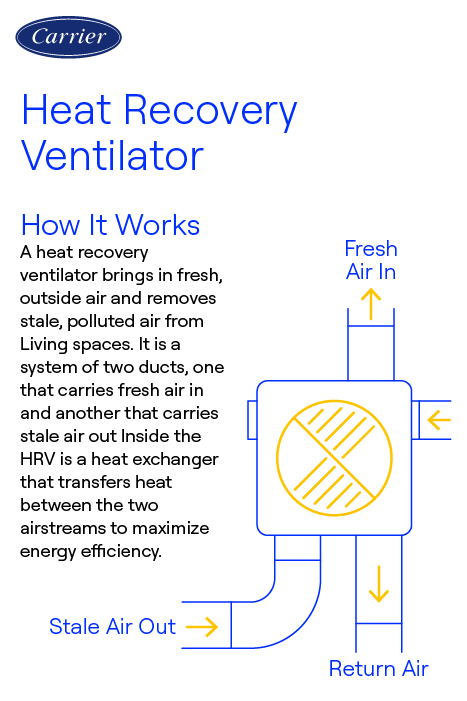
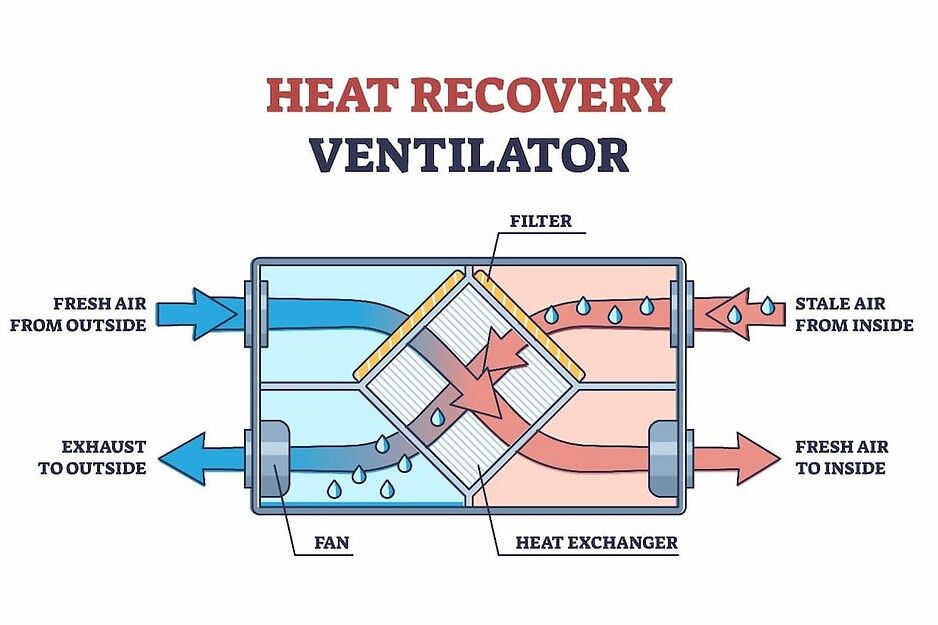
An HRV pulls stale air out from inside your home and brings fresh air in from outside.
It transfers heat from the outgoing air to the incoming air, warming it up during winter or cooling it in summer. This process keeps your home comfortable while reducing the need for extra heating or cooling.
Think about the last time you opened a window on a cold day—you lost heat quickly. An HRV prevents that by recycling heat instead of losing it to the outdoors.
Key Components
- Heat Exchange Core:This is the heart of the system, where heat moves between outgoing and incoming air without mixing the two air streams.
- Fans:Separate fans pull stale air out and push fresh air in, ensuring continuous airflow.
- Filters:These clean incoming air, removing dust, pollen, and other particles to keep your indoor air healthy.
- Dampers:Control air direction and flow, helping the system work efficiently in different seasons.
Knowing these parts can help you troubleshoot issues or choose the right unit for your home. Have you checked your home’s ventilation system lately to see if it matches your energy-saving goals?
Benefits Of Heat Recovery Ventilators
Heat Recovery Ventilators (HRVs) offer many benefits that improve home comfort and health. They help maintain fresh air without wasting energy. HRVs also control moisture and reduce indoor air pollution. These advantages make them a smart choice for modern homes.
Energy Efficiency
HRVs save energy by transferring heat between incoming and outgoing air. This process reduces heating and cooling costs. Homes stay warm in winter and cool in summer. Less energy use means lower utility bills and less environmental impact.
Improved Indoor Air Quality
HRVs bring in fresh outdoor air while removing stale indoor air. This exchange lowers indoor pollutants like dust, allergens, and odors. Proper ventilation reduces the risk of respiratory problems. Clean air helps everyone breathe easier and feel better.
Reduced Humidity
HRVs help control indoor moisture levels by exchanging humid air. Too much humidity can cause mold and damage to walls and furniture. HRVs keep humidity balanced, protecting your home and health. This also prevents condensation and improves comfort year-round.
Types Of Heat Recovery Ventilators
Heat Recovery Ventilators (HRVs) come in different types. Each type serves a specific purpose and fits different home needs. Choosing the right type can improve air quality and save energy.
Balanced Ventilators
Balanced ventilators bring fresh air into your home. They also remove stale air at the same time. The heat from the outgoing air warms the incoming air. This process saves energy and keeps your home comfortable.
Exhaust Ventilators
Exhaust ventilators remove stale air from inside your home. They push this air outside. Fresh air enters through vents or leaks. These ventilators are simpler but may lose some heat.
Supply Ventilators
Supply ventilators bring fresh air into your home. They push this air inside with some heat recovery. The stale air leaves through vents or leaks. This type helps maintain positive air pressure.

Credit: en.wikipedia.org
Choosing The Right Unit
Choosing the right heat recovery ventilator (HRV) is crucial for your home’s efficiency. The right unit ensures optimal air quality and energy savings. Consider several factors before making a decision. This guide will help simplify the process.
Sizing And Capacity
Correct sizing of the HRV is key. A unit too small won’t ventilate effectively. A large unit might waste energy. Calculate the volume of air your home needs. This depends on your home’s size and layout. Consult with a professional for accurate measurements.
Installation Considerations
Proper installation is vital for performance. Ensure the HRV is compatible with your existing systems. Check the space available for installation. Some units need more room than others. Consider the placement of ducts and vents. They affect airflow and efficiency.
Maintenance Needs
Regular maintenance keeps your HRV working well. Check filters and clean them often. This prevents blockages and maintains airflow. Inspect fans and motors for wear. Replace parts as needed to avoid breakdowns. Schedule professional maintenance annually for best results.
Heat Recovery Ventilators Vs. Other Systems
Heat Recovery Ventilators (HRVs) provide fresh air while saving energy. They differ from other ventilation systems in how they handle air and moisture. Understanding these differences helps choose the right system for your home or building.
Hrv Vs. Erv
HRVs and Energy Recovery Ventilators (ERVs) both exchange stale indoor air with fresh outdoor air. The main difference lies in moisture control.
- HRVs transfer heat but remove moisture from the air.
- ERVs transfer both heat and moisture, helping balance indoor humidity.
HRVs work best in cold or dry climates. ERVs are better in humid or mixed climates where moisture control is important.
Comparison With Traditional Ventilation
Traditional ventilation often relies on exhaust fans or simple vents. These systems remove stale air but lose heat energy.
- HRVs recover up to 70-80% of heat from outgoing air.
- This reduces energy costs and keeps indoor temperatures stable.
- Traditional systems do not recover heat and can increase heating or cooling needs.
HRVs improve air quality while saving energy. They offer a balanced solution for modern homes.
Common Issues And Troubleshooting
Heat Recovery Ventilators (HRVs) are excellent for maintaining fresh air and energy efficiency in your home. However, like any mechanical system, they can encounter issues that affect performance. Identifying and fixing these common problems early can save you from costly repairs and keep your indoor air quality high.
Noise Problems
Is your HRV making strange noises? This is often the first sign that something needs attention. Noise can come from loose parts, dirty fans, or even debris stuck inside the unit.
Check if the noise changes with fan speed. A rattling or buzzing sound might mean a loose screw or a damaged fan blade. Tightening screws or cleaning the fan blades usually helps reduce noise.
Have you ever found a small critter or dust clog inside your unit? This can cause unusual sounds too. Make sure the HRV is turned off before you inspect it to avoid any injury.
Filter Replacement
Dirty filters are a common cause of poor HRV performance. They trap dust and allergens but need regular replacement to keep air flowing freely.
How often you replace filters depends on your environment. If you have pets or live in a dusty area, check filters every 1-3 months. A clogged filter can reduce airflow and strain the system.
Replacing filters is simple and can be done without professional help. Just locate the filter compartment, remove the old filter, and insert a new one that fits your model. Don’t forget to note the replacement date for future reference.
System Performance Checks
Keeping your HRV running efficiently means regular performance checks. Pay attention to airflow balance between exhaust and intake; uneven airflow can indicate blockages or duct leaks.
Test the unit by holding a small piece of tissue near the vents. It should move slightly with steady airflow. If not, your system might need cleaning or professional inspection.
Have you noticed increased humidity or stale air despite the HRV running? This could mean the heat exchanger is dirty or damaged. Cleaning or replacing this part can restore your system’s effectiveness.
Energy Savings And Environmental Impact
Heat Recovery Ventilators (HRVs) help save energy by recycling heat from outgoing air. They exchange stale indoor air with fresh outdoor air while capturing heat. This process reduces the need for extra heating or cooling. As a result, energy bills drop and homes stay comfortable.
Besides saving energy, HRVs also protect the environment. By using less power, they lower greenhouse gas emissions. This makes homes greener and supports a healthier planet.
Cost Benefits
HRVs reduce heating and cooling costs significantly. They recover up to 70-80% of heat from exhaust air. This means your heating system works less hard, using less fuel or electricity. Over time, these savings add up.
- Lower energy bills each month
- Reduced wear on HVAC equipment
- Potential increase in home value
Installation costs vary, but energy savings often cover these expenses in a few years.
Reducing Carbon Footprint
HRVs cut down carbon emissions by lowering energy use. Using less fossil fuel means fewer harmful gases released. Cleaner air indoors and outdoors benefits your family and the community.
- Less reliance on non-renewable energy
- Supports climate change efforts
- Promotes sustainable living
Choosing an HRV helps reduce your home’s environmental impact every day.

Credit: chillersystemsservice.com
Credit: bossplumbingltd.com
Frequently Asked Questions
What Is A Heat Recovery Ventilator Used For?
A Heat Recovery Ventilator (HRV) exchanges stale indoor air with fresh outdoor air. It recovers heat from outgoing air to warm incoming air. This process improves indoor air quality and saves energy by reducing heating costs.
How Does A Heat Recovery Ventilator Work?
An HRV uses two air streams separated by a heat exchanger. Warm indoor air passes through, transferring heat to cold incoming air without mixing. This system maintains fresh air flow while conserving energy and maintaining comfortable indoor temperatures.
What Are The Benefits Of A Heat Recovery Ventilator?
HRVs improve indoor air quality by removing pollutants and humidity. They reduce energy bills by recovering heat from exhausted air. HRVs create a balanced ventilation system, enhancing comfort and preventing mold growth in tightly sealed homes.
Can A Heat Recovery Ventilator Reduce Heating Costs?
Yes, HRVs reduce heating costs by transferring heat from outgoing air to incoming air. This process minimizes heat loss and lowers the energy needed to warm fresh air, making homes more energy efficient during cold seasons.
Conclusion
A Heat Recovery Ventilator helps keep your home fresh and healthy. It moves stale air out and brings clean air in. It also saves energy by sharing heat between airflows. This makes your home more comfortable and lowers heating bills.
Installing one is a smart choice for better air quality. It works quietly and needs little care. A Heat Recovery Ventilator makes indoor air cleaner all year round. Simple, effective, and energy-friendly.



