
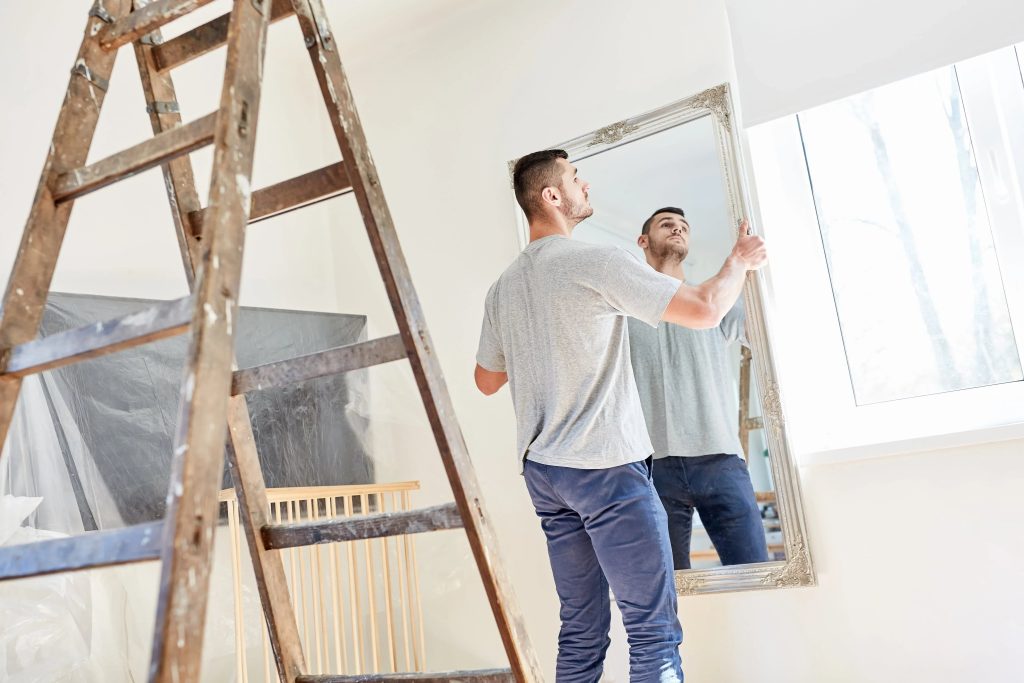
Hanging a heavy mirror on your wall might seem tricky, but you can do it safely and securely with the right steps. You don’t want to risk damage to your walls or have that beautiful mirror fall and break.
Imagine the satisfaction of seeing your mirror perfectly in place, adding style and light to your room. In this guide, you’ll learn exactly how to install a heavy mirror without stress or guesswork. Keep reading, and you’ll feel confident tackling this project on your own.

Credit: www.youtube.com
Choose The Right Mirror
Choosing the right mirror is the first step to a successful installation. The mirror must fit well with the wall space and room style. It should be safe to hang and enhance the room’s look. Careful selection prevents damage and ensures lasting beauty.
Consider Size And Weight
Measure the wall area before picking a mirror. The mirror should not be too big or too small for the space. Heavy mirrors need strong support to avoid accidents. Check the mirror’s weight and compare it to the wall’s strength. Use anchors or studs for heavy mirrors to keep them secure.
Select Mirror Frame And Style
The frame adds character to the mirror and room. Choose a frame that matches the room’s decor and color. Wooden frames bring warmth, while metal frames offer a modern feel. The style should complement furniture and wall colors. Simple or ornate frames both work well, depending on taste.

Credit: www.mirrorspace.com.au
Gather Necessary Tools
Gather tools like a stud finder, drill, screws, anchors, measuring tape, and a level. Having everything ready makes the installation smoother and safer. Choose tools based on your wall type and mirror weight.
Gathering the right tools is crucial for installing a heavy mirror. Proper preparation ensures a safe and efficient installation process. You need to collect specific tools and safety gear before beginning. This saves time and reduces potential mishaps. Below, we provide a detailed list of what you’ll need.List Of Required Tools
Start with a reliable stud finder. This helps locate wall studs for secure mounting. A level is essential for ensuring the mirror hangs straight. Have a measuring tape ready for precise measurements. You’ll need a drill to create holes for mounting hardware. Get wall anchors and screws suitable for the mirror’s weight. A pencil helps mark drill points accurately. Keep a screwdriver handy for final adjustments.- Stud Finder
- Level
- Measuring Tape
- Drill
- Wall Anchors
- Screws
- Pencil
- Screwdriver
Safety Gear Recommendations
Safety should never be overlooked. Always wear safety goggles to protect your eyes from dust and debris. Use gloves to safeguard your hands from sharp edges. Ensure sturdy footwear to prevent slipping. A dust mask can be helpful if you’re drilling into drywall. Ear protection is wise if you’re sensitive to loud drill noises. Prioritize safety to make the installation smooth and accident-free.Find The Ideal Wall Spot
Finding the perfect spot on your wall for a heavy mirror is more than just picking a place that looks good. The right location ensures your mirror stays secure and adds to your room’s style without any risk of damage. Let’s look at how you can identify the ideal wall spot by understanding what your wall is made of and where to anchor your mirror safely.
Check Wall Material
Not all walls are built the same. Knowing whether your wall is drywall, plaster, brick, or concrete affects how you hang a heavy mirror.
Drywall is common but can’t hold much weight on its own. Plaster walls might seem sturdy but can crack under too much pressure. Brick and concrete walls are tough but need special tools for drilling.
Ask yourself: Is the surface solid enough to support your mirror’s weight? If you’re unsure, tap the wall gently. A hollow sound usually means drywall, while a solid thud suggests brick or concrete.
Locate Studs Or Anchors
Studs are wooden beams behind drywall that offer strong support. Finding them is key to safely hanging heavy mirrors.
Use a stud finder or knock lightly on the wall to hear where the sound changes from hollow to solid. Mark these spots carefully.
If studs aren’t where you want your mirror, heavy-duty wall anchors can work. Choose anchors rated for your mirror’s weight and follow instructions precisely.
Have you measured your mirror’s width and planned how its weight will spread across the wall? Securing it on multiple studs or with several anchors can prevent accidents.
Mark Mounting Points
Marking the mounting points is a key step for hanging a heavy mirror safely. Precise marking ensures the mirror stays secure and level on the wall. Take your time to measure and mark carefully before drilling any holes. This prevents mistakes that could damage your wall or mirror.
Measure Mirror Placement
Decide the exact position of the mirror on the wall. Use a tape measure to find the desired height and width. Mark the top and bottom edges lightly with a pencil. Check the mirror’s width and height to center it properly. Use a level tool to make sure the marks are straight. This will help you align the mirror perfectly.
Mark Drilling Spots Accurately
Locate the mounting brackets or hooks on the back of the mirror. Measure the distance between these points. Transfer these measurements to the wall using your initial placement marks. Use a pencil to mark the exact drilling spots. Double-check the marks with a level to keep them aligned. Accurate marks will guide you during drilling and keep the mirror stable.
Install Wall Anchors
Installing wall anchors is essential for securely hanging a heavy mirror. These anchors provide extra support, preventing the mirror from falling or damaging the wall. Choosing the right anchor and placing it correctly ensures the mirror stays stable and safe.
Choose Suitable Anchors
Select anchors based on your wall type and mirror weight. Drywall requires different anchors than concrete or brick walls. Use anchors rated for heavy loads to hold the mirror securely.
- Plastic expansion anchors for light to medium weight mirrors
- Toggle bolts for heavier mirrors on drywall
- Masonry anchors for brick or concrete walls
- Metal anchors for extra strength
Drill Holes And Insert Anchors
Mark the spots where you will hang the mirror. Use a level to ensure even placement. Drill holes to the correct size for your anchors. Push or tap anchors gently into the holes until flush with the wall. Ensure the anchors are tight and secure before hanging the mirror.
Attach Mounting Hardware
Attaching the mounting hardware is a key part of hanging a heavy mirror safely. The right hardware supports the mirror’s weight and keeps it secure on the wall. Use strong brackets or hooks made for heavy loads. Proper installation prevents accidents and damage.
Secure Brackets Or Hooks
Choose brackets or hooks that match the mirror’s size and weight. Locate wall studs using a stud finder to ensure strong support. Mark the spots where you will attach the hardware. Use a drill to make pilot holes for screws. Tighten screws firmly to secure the brackets or hooks. Avoid loose fittings that can slip under the mirror’s weight.
Double-check Stability
After attaching the hardware, test its strength gently. Apply light pressure to check for any movement or looseness. Ensure the brackets or hooks hold firm without shifting. If needed, tighten screws again or adjust placement. Confirm the hardware is level to keep the mirror straight. Safety is key for heavy mirror installation.
Mount The Mirror Safely
Mounting a heavy mirror safely is crucial to protect your walls and prevent accidents. You want to make sure the mirror stays secure without causing damage. Taking your time and using the right techniques will make the process smoother and safer.
Lift And Position Mirror
Before lifting, check that you have a clear path and enough help to manage the mirror’s weight. Heavy mirrors can be awkward to hold alone, so having a second person is key for safety and accuracy.
Lift the mirror carefully by gripping the frame firmly on both sides. Avoid holding it by the glass, as this increases the risk of breakage.
Once lifted, position the mirror close to the wall where you want to hang it. Hold it steady and make small adjustments until it feels balanced.
Ensure Even Hanging
Uneven hanging can cause stress on one side of the mirror, risking damage or falling. Use a spirit level to check that the mirror is perfectly horizontal.
Mark the wall lightly with a pencil at the top corners of the mirror. This helps you align the hanging hardware precisely.
If your mirror has multiple hooks or brackets, ensure each one is securely anchored into studs or suitable wall anchors. Distribute the weight evenly by confirming all points share the load.
Test Mirror Stability
Testing the mirror’s stability is crucial after installation. A heavy mirror can fall and cause damage or injury if not secured properly. Checking its steadiness ensures safety and protects your walls. Take time to verify every part holds tight and supports the mirror well.
Perform Safety Checks
Start by gently pressing on the mirror’s edges. Look for any movement or wobbling. Check the hooks, brackets, or anchors to confirm they are firmly in place. Inspect the wall for cracks or weak spots around the mounting area. Use a level to see if the mirror hangs straight. A stable mirror should not shift or tilt under light pressure.
Adjust If Necessary
Make adjustments if you notice instability. Tighten screws or bolts on the mounting hardware. Replace any loose anchors with stronger ones suitable for your wall type. Shift the mirror slightly to balance its weight evenly. Add extra support brackets if needed. Recheck the level and test stability again before finishing.
Maintain Mirror Mounting
Maintaining the mounting of a heavy mirror is crucial for safety and longevity. A securely mounted mirror not only enhances your room’s appearance but also prevents accidents caused by falls. Regular care and attention help you catch potential issues before they become serious.
Regular Inspections
Check your mirror’s mounting hardware every few months. Look for signs of wear like loose screws, cracks in the wall, or shifting brackets. Pay special attention if your mirror is near a door or in a busy area where it might get bumped often.
Ask yourself: Has the mirror moved or tilted since you installed it? If yes, tighten all screws and brackets immediately. Spotting small problems early can save you from costly repairs or injuries later.
Handle With Care
Heavy mirrors require gentle handling even after installation. Avoid leaning or putting pressure on the glass or frame when cleaning or moving furniture nearby. Use a soft cloth and mild cleaner to prevent damage to the surface and edges.
Think about how often you or others touch the mirror. Teaching your family or roommates to treat it with care can extend its life. Remember, even a slight bump can loosen mounting over time, so always treat your mirror as a delicate item.

Credit: www.wikihow.com
Frequently Asked Questions
How Do I Safely Hang A Heavy Mirror On Drywall?
Use wall anchors or toggle bolts designed for heavy loads. Locate studs if possible for extra support. Measure and mark the wall accurately before drilling. Always check the mirror’s weight limit and hardware specifications.
What Tools Are Needed To Install A Heavy Mirror?
You’ll need a drill, level, tape measure, stud finder, screwdriver, and appropriate wall anchors. Safety gloves and goggles are recommended. Having a helper to hold the mirror can make installation easier and safer.
How To Find The Best Wall Studs For Mirror Mounting?
Use a stud finder to locate wooden studs behind drywall. Mark the stud edges for precise drilling. Mounting the mirror on studs ensures better weight support and reduces the risk of wall damage.
Can I Use Adhesive Strips To Hang A Heavy Mirror?
No, adhesive strips are not reliable for heavy mirrors. They may fail and cause damage or injury. Always use mechanical fasteners like screws, anchors, or brackets for heavy mirror installation.
Conclusion
Installing a heavy mirror on your wall is safe and simple. Use the right tools and anchors for strong support. Measure carefully and mark your spots clearly. Take your time to ensure the mirror hangs straight and secure. A well-installed mirror adds style and light to your room.
Follow these steps to avoid damage or accidents. Enjoy your new mirror and the fresh look it brings. Trust your skills—you can do this easily.



