
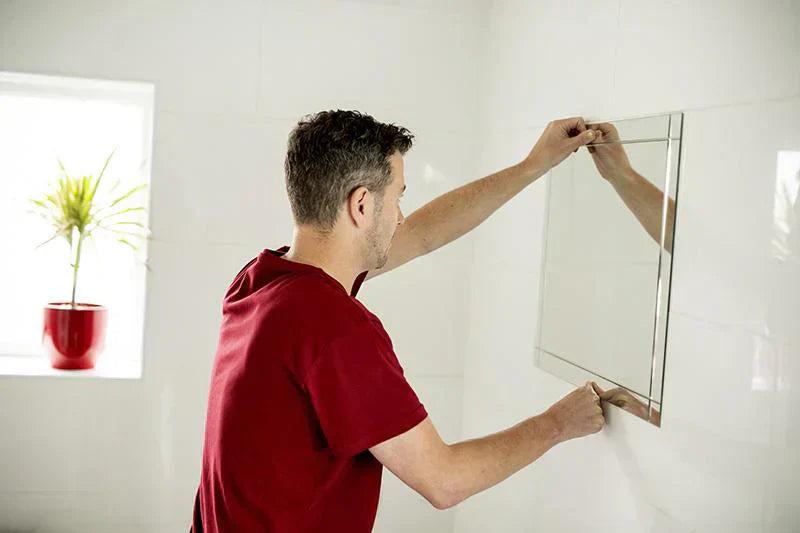
Hanging a heavy mirror on your wall might seem tricky, but you don’t have to worry. You want it to look perfect and stay safe, right?
If it falls, it could break or damage your wall. But don’t stress — with the right tools and steps, you can hang your mirror securely and easily. Keep reading, and you’ll learn exactly how to do it without any guesswork or hassle.
Your wall will thank you, and your room will look amazing.

Credit: ledmirrorworld.co.uk
Choosing The Right Mirror
Choosing the right mirror is essential before hanging a heavy mirror. The mirror’s weight and style affect how safely and beautifully it will hang. Consider these factors carefully to ensure a secure installation and a perfect fit for your space.
Assessing Mirror Weight
Check the mirror’s weight first. Heavy mirrors need strong support to avoid damage. Weigh the mirror using a scale or check the product label. Knowing the exact weight helps choose the right wall anchors and hooks.
Heavy mirrors usually weigh more than 20 pounds. The heavier the mirror, the stronger the hardware needed. Use wall studs or special anchors for safety. Avoid just using nails or tape for heavy mirrors.
Selecting Mirror Style
Pick a mirror style that suits your room and wall type. Large, framed mirrors add elegance but can be very heavy. Frameless mirrors are often lighter and easier to hang.
Consider the shape and size too. Round or oval mirrors might need different supports than square or rectangular ones. Match the mirror style with your wall’s material, like drywall or brick.
- Framed mirrors offer more support points.
- Frameless mirrors require secure clips or adhesive.
- Decorative mirrors add charm but may increase weight.

Credit: hellohomegirl.com
Preparing The Wall
Clear the wall of dust and dirt for better grip. Find wall studs to support the mirror’s weight securely. Use a level to mark where the mirror will hang.
Preparing the wall is a crucial step in ensuring your heavy mirror hangs securely and beautifully. This process not only involves assessing the wall’s strength but also determining the best points for anchoring. Without proper preparation, you risk damaging the wall or, worse, seeing your mirror crash to the floor.Identifying Wall Material
The first thing you need to do is identify the material of your wall. Is it drywall, plaster, or something sturdier like brick? Each material requires a different approach for hanging heavy items. For drywall, you might need to use anchors, while plaster can require special screws. Knowing your wall type will guide you in choosing the right tools and techniques.Locating Studs And Supports
Finding wall studs is the next step in preparing your wall. Studs are the vertical wooden beams behind your wall that provide support. You can use a stud finder to locate them easily. Once found, these are the ideal spots to anchor your heavy mirror since they can bear more weight than just the drywall. If you’ve ever had a mirror fall, you know it’s not just about stability, but also peace of mind. Wouldn’t you feel more secure knowing your mirror is safely anchored? It’s a small investment of time for a big return in safety and security.Gathering Tools And Materials
Before you hang a heavy mirror on your wall, gathering the right tools and materials is crucial. This preparation makes the whole process safer and smoother. Skipping this step can lead to frustration or even damage to your wall and mirror.
Essential Hanging Tools
Start with a solid toolkit. You’ll need a drill with the right drill bits to create holes in your wall. A stud finder helps you locate wall studs to securely anchor your mirror, which is much safer than just using drywall anchors.
Additionally, keep a level handy to ensure your mirror hangs straight. Measuring tape is important for accurate placement. Don’t forget a pencil for marking spots on the wall before drilling.
- Drill and drill bits
- Stud finder
- Measuring tape
- Level
- Pencil
- Screwdriver
- Safety goggles and gloves for protection
Recommended Hardware Types
Choosing the right hardware depends on your wall type and mirror weight. Heavy-duty wall anchors or toggle bolts work well for drywall without studs. If you find studs, wood screws provide the strongest support.
For very heavy mirrors, consider using a French cleat system. It distributes weight evenly and offers a secure hold. Make sure the hardware you pick can support at least double the weight of your mirror to avoid accidents.
| Hardware | Best For | Weight Capacity |
|---|---|---|
| Wood Screws | Studs in drywall or wood walls | Up to 100 lbs+ |
| Toggle Bolts | Hollow drywall without studs | 50-75 lbs |
| Wall Anchors (Plastic or Metal) | Light to medium weight mirrors | Up to 50 lbs |
| French Cleat | Very heavy mirrors or artwork | 100 lbs+ |
Have you checked your mirror’s weight lately? This simple step can save you from using the wrong hardware and risking a fall. Gathering the right tools and hardware upfront sets you up for success.

Credit: hellohomegirl.com
Hanging Methods For Heavy Mirrors
Hanging a heavy mirror requires strong and reliable methods. Choosing the right technique ensures safety and protects your wall. Several options exist that provide solid support for heavy items.
Each method has its benefits and suits different wall types and mirror weights. Understanding these options helps you pick the best one for your space.
Using Wall Anchors
Wall anchors add extra support to screws in drywall. They expand inside the wall, holding tight under heavy weight. Choose anchors rated for the mirror’s weight to avoid accidents.
Installation is simple:
- Drill a hole slightly smaller than the anchor.
- Push the anchor into the hole until flush with the wall.
- Insert the screw into the anchor, leaving a small gap to hang the mirror.
This method works well for mirrors up to 50 pounds on drywall. For heavier mirrors, stronger anchors or other methods are better.
Installing French Cleats
French cleats offer excellent support for very heavy mirrors. They consist of two interlocking wooden or metal strips. One attaches to the wall, the other to the mirror.
Steps for installation:
- Secure one cleat to the wall studs horizontally.
- Attach the matching cleat to the back of the mirror.
- Lift the mirror and fit the cleats together, locking it in place.
This method distributes weight evenly and prevents the mirror from shifting. It is ideal for heavy mirrors over 50 pounds and ensures stability.
Applying Toggle Bolts
Toggle bolts are strong fasteners for hollow walls. They have spring-loaded wings that open inside the wall. This spreads the load over a larger area.
Installation involves:
- Drill a hole large enough for the toggle to pass through.
- Thread the bolt through the mirror hanger and toggle.
- Insert the toggle into the hole and tighten the bolt.
Toggle bolts support heavy mirrors on drywall where no studs are available. Use bolts rated for the mirror’s weight for safety.
Step-by-step Hanging Process
Hanging a heavy mirror requires care and precision to keep it secure and prevent accidents. The process involves careful measuring, drilling, and mounting to ensure the mirror stays firmly on the wall. Let’s break down the steps to help you hang your mirror safely and confidently.
Marking Placement
Start by deciding exactly where you want the mirror to hang. Use a tape measure to find the center point and mark the top edge of the mirror on the wall with a pencil.
Double-check your markings with a level to ensure the mirror won’t hang crooked. This step saves you from having to redo the work later.
Drilling And Mounting
Choose the right drill bit based on the wall material—masonry bits for brick or concrete, and standard bits for drywall or wood. If your mirror is very heavy, use wall anchors or toggle bolts for extra support.
Drill holes at the marked points carefully, then insert the anchors or screws. If you’ve ever drilled into a wall without checking for studs, you know how important it is to avoid electrical wires or pipes—always use a stud finder.
Securing The Mirror
Attach the mirror’s hanging hardware, like D-rings or wire, to the screws or anchors you installed. Make sure the mirror is evenly balanced before letting go.
Press the mirror firmly against the wall, then step back and inspect the alignment once more. If it feels unstable, tighten the screws or adjust the hardware for better support.
Safety Tips And Precautions
Hanging a heavy mirror is not just about finding the right spot or the perfect hooks. Safety must be your top priority to avoid accidents and damage. Taking precautions will protect you, your walls, and the mirror itself.
Handling Heavy Objects Safely
Heavy mirrors can be awkward and risky to carry alone. Always ask for help to share the load. It’s easier and safer when two people handle the mirror together.
Wear gloves to improve your grip and protect your hands from sharp edges. Move slowly and avoid sudden movements to keep the mirror steady.
Have a clear path before you start moving the mirror. Remove any obstacles that could trip you up or cause you to lose balance. Have you checked the floor for rugs or cords that might cause a slip?
Checking Stability After Hanging
Once the mirror is hung, don’t just step back and admire it. Test its stability carefully by gently pushing on different sides. If it shifts or feels loose, it’s not secure enough.
Use a level to make sure the mirror hangs straight. An uneven mirror can put extra stress on the hooks and increase the risk of it falling.
Revisit the mirror after a day or two to confirm it’s still firmly in place. Sometimes weight shifts cause hooks to loosen over time, so regular checks are a smart habit to develop.
Maintaining Your Mirror
Maintaining your heavy mirror is key to keeping it safe and looking great. Regular care helps prevent damage and keeps the mirror securely hung. Simple habits extend the life of your mirror and its mounting.
Regular Inspection
Check the mirror and its hardware often. Look for loose screws, hooks, or brackets. Tighten any parts that feel weak. Watch for cracks or chips in the glass. Inspect the wall area for signs of damage or wear. Catching problems early prevents accidents.
Cleaning Tips
Use a soft, lint-free cloth for cleaning. Avoid harsh chemicals or abrasive materials. Mild soap and water work well for most mirrors. Spray cleaner on the cloth, not directly on the mirror. Wipe gently to avoid scratching the surface. Dry the mirror completely to prevent streaks or water spots.
Frequently Asked Questions
What Tools Do I Need To Hang A Heavy Mirror?
You need a stud finder, drill, level, tape measure, heavy-duty wall anchors, screws, and a screwdriver. These tools ensure secure mounting and prevent damage.
How To Find The Best Spot To Hang A Heavy Mirror?
Use a stud finder to locate wall studs for maximum support. Choose a spot at eye level and away from direct sunlight to avoid damage.
What Type Of Wall Anchors Support Heavy Mirrors?
Use toggle bolts or molly bolts for drywall. For brick or concrete, use sleeve anchors. These provide strong, reliable support for heavy mirrors.
Can I Hang A Heavy Mirror Without Studs?
Yes, but use heavy-duty anchors like toggle bolts or molly bolts. These anchors distribute weight evenly and prevent the mirror from falling.
Conclusion
Hanging a heavy mirror can seem tough at first. Use the right tools and wall anchors for safety. Measure twice to place it perfectly. Secure it well to avoid accidents. Taking your time ensures a strong hold. Enjoy the new look your mirror brings.
A safe, sturdy mirror makes any room shine. Keep these tips in mind for your next project. You can do it with care and patience.



