
When it comes to saving an infant’s life during an emergency, every second counts. Knowing the right compression to ventilation ratio can make all the difference in giving your baby the best chance of survival.
But what exactly are these ratios, and why do they matter so much? You’ll discover the clear, easy-to-follow guidelines that can help you act quickly and confidently when it matters most. Stay with me—understanding these numbers could empower you to be a real lifesaver.
Infant Cpr Basics
Infant CPR is a lifesaving skill that requires special care and attention. It focuses on the unique needs of babies under one year old. Understanding the correct compression to ventilation ratio is vital. This balance helps deliver oxygen and maintain blood flow effectively. Learning the basics of infant CPR can prepare you to act confidently in emergencies.
Why Compression To Ventilation Ratio Matters
The compression to ventilation ratio controls how chest compressions and breaths are given. Proper timing ensures the heart pumps blood efficiently. It also provides enough oxygen to the lungs. Too many compressions without breaths can reduce oxygen supply. Too many breaths can interrupt chest compressions and lower blood flow.
For infants, the recommended ratio is 30 compressions to 2 breaths. This ratio fits both single and two-rescuer situations. It helps maintain a good balance between oxygen delivery and circulation.
Key Differences From Adult Cpr
Infant CPR differs from adult CPR in several ways. The compression depth is about 1.5 inches or one-third of the chest. Adults require deeper compressions, around 2 inches. Use two fingers for compressions on infants, not the whole hand. This gentle approach protects their delicate bodies.
The ratio stays the same for adults and infants at 30:2 for single rescuers. However, two-rescuer infant CPR uses a 15:2 ratio. This difference helps give more frequent breaths to infants. It supports their smaller lung capacity and higher oxygen needs.

Credit: www.youtube.com
Standard Compression To Ventilation Ratios
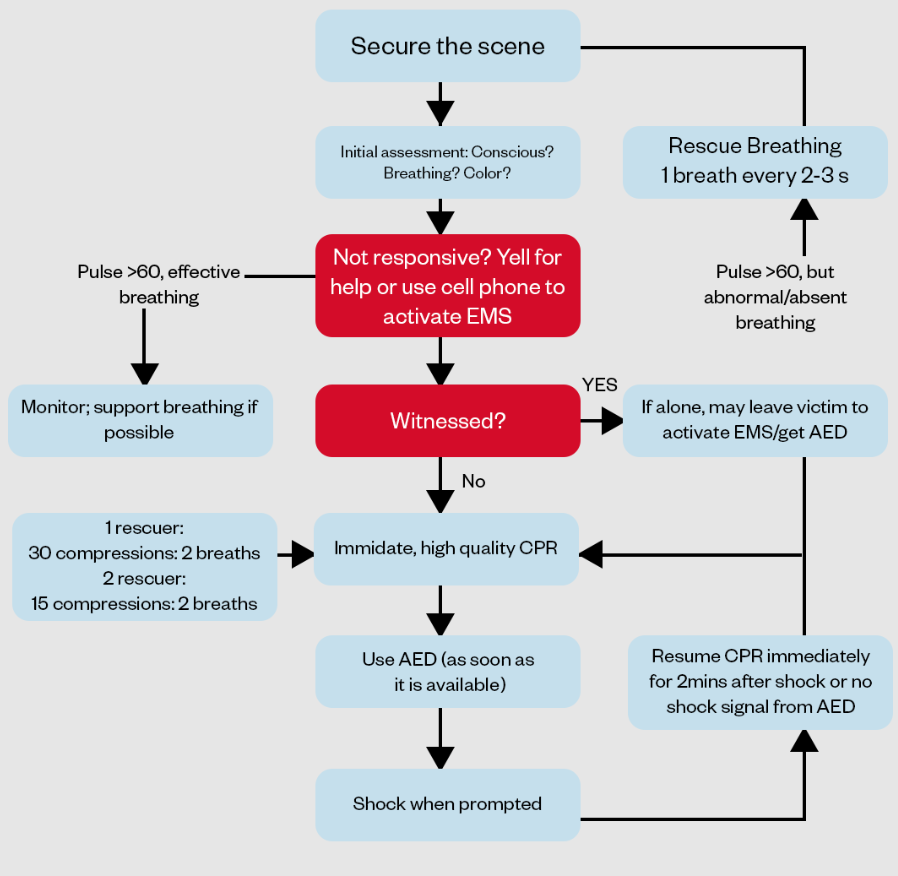
Standard compression to ventilation ratios are crucial during infant CPR to ensure effective circulation and oxygen delivery. These ratios balance chest compressions with rescue breaths, helping maintain vital blood flow and oxygenation. Knowing the correct ratio can make the difference in a high-pressure situation.
Single Rescuer Guidelines
If you are performing CPR alone on an infant, the recommended compression to ventilation ratio is 30 compressions to 2 breaths. This means you give 30 chest compressions followed by 2 rescue breaths.
This ratio helps maintain adequate blood circulation while still providing enough oxygen. It might feel challenging to switch quickly between compressions and breaths, but practicing can improve your rhythm and effectiveness. Have you ever tried timing yourself to see how smoothly you can perform this sequence?
Two Rescuer Guidelines
When two people are available to perform infant CPR, the compression to ventilation ratio changes to 15 compressions to 2 breaths. This allows for more frequent breaths while keeping compressions steady.
With two rescuers, one focuses on compressions while the other manages ventilations, reducing fatigue and improving quality. This teamwork improves the infant’s chances of recovery. Think about how having a partner could ease the stress and increase your efficiency during an emergency.
Performing Compressions On Infants
Performing chest compressions on infants requires careful attention to technique. The delicate structure of an infant’s body means you must use the right hand placement and compression depth to be effective without causing harm. Understanding these details can make a critical difference in an emergency.
Proper Hand Placement
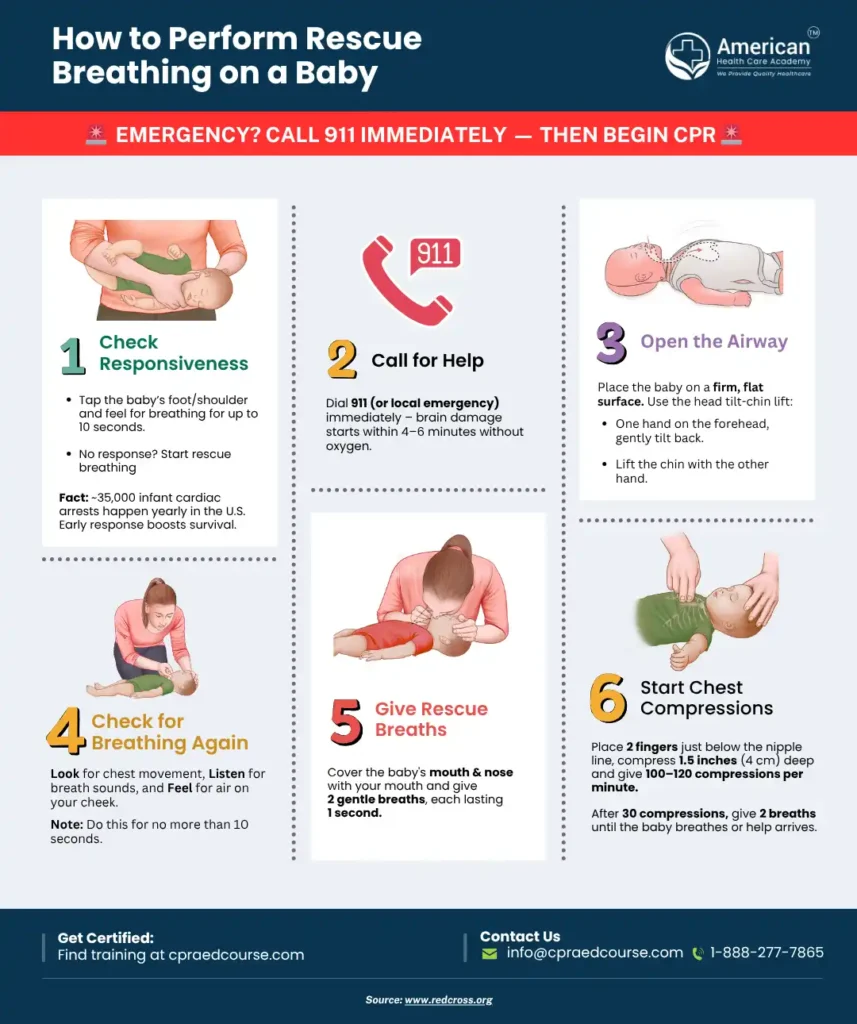
Place two fingers just below the infant’s nipple line, right in the center of the chest. Using two fingers ensures you apply the correct amount of pressure without overdoing it. Avoid using your whole hand, which can be too forceful for an infant’s fragile ribs.
Some people feel unsure about where exactly to position their fingers. Imagine the area between the nipples as your target zone—it’s small but crucial. Keeping your fingers steady here helps focus the force directly on the heart, improving the chances of effective compressions.
Compression Depth And Rate
Push down about 1.5 inches (4 cm) into the chest with each compression. This depth is enough to circulate blood but gentle enough to avoid injury. Compress at a steady rate of 100 to 120 compressions per minute, similar to the beat of the song “Stayin’ Alive.”
Have you ever tried to keep a steady rhythm while under pressure? It’s harder than it sounds but vital. Counting out loud or using a timer can help maintain the right pace during those critical moments.
Remember, effective compressions mean consistent depth and speed. If you compress too shallowly or too slowly, blood flow won’t be sufficient. Too hard or too fast can cause damage. Staying balanced is key.
Credit: cpraedcourse.com
Delivering Effective Ventilations
Delivering effective ventilations is vital during infant CPR. Proper breaths provide oxygen to the baby’s lungs and brain. This helps keep vital organs working until normal breathing returns. Clear techniques and careful actions improve the chance of survival. Understanding correct ventilation supports safe and successful resuscitation efforts.
Techniques For Infant Rescue Breaths
Use a gentle approach when giving rescue breaths to an infant. Cover the baby’s mouth and nose with your mouth. Give a slow, steady breath lasting about one second. Watch the chest rise with each breath. If the chest does not rise, adjust the head slightly. Avoid over-inflating the lungs. Allow the chest to fall before the next breath. Repeat breaths at a rate of about 30 breaths per minute during CPR.
Avoiding Common Ventilation Mistakes
- Do not blow too hard or fast into the infant’s mouth and nose.
- Avoid covering only the mouth or only the nose.
- Prevent excessive head tilt that can block the airway.
- Watch for chest rise; lack of movement means poor ventilation.
- Limit interruptions in chest compressions during breaths.
- Do not pause too long between breaths or compressions.
- Ensure a tight seal to avoid air leakage during rescue breaths.
Adjustments For Special Situations
Adjustments in compression to ventilation ratios are crucial for infant CPR. Special situations require tailored approaches to ensure effectiveness. Understanding these differences can save lives.
Newborns Vs Older Infants
Newborns need a specific approach due to their fragile state. The recommended compression to ventilation ratio is 3:1. This ensures adequate oxygenation and circulation. Their bodies are more susceptible to damage, so gentle handling is vital.
Older infants have more developed respiratory systems. The recommended ratio shifts to 15:2. This adjustment caters to their increased lung capacity. It also aligns with their improved cardiovascular resilience.
Infants With Airway Obstructions
Airway obstructions require immediate attention. Quick action can prevent severe outcomes. Use back slaps and chest thrusts to clear the obstruction. Ensure proper technique to avoid harm.
Once the airway is clear, resume standard CPR. The compression to ventilation ratio remains at 15:2. This ratio helps restore normal breathing and circulation quickly. Always be vigilant for any signs of obstruction recurrence.
Training And Certification Resources
Training and certification are essential for anyone caring for infants. Proper knowledge helps ensure the right compression to ventilation ratio during CPR. This knowledge can save lives in emergencies. Various courses offer hands-on practice and clear instructions on infant CPR techniques. Staying updated on guidelines is vital for effective care.
Recommended Courses For Infant Cpr
Many organizations provide infant CPR training. These courses teach the correct compression to ventilation ratios. Participants learn through videos, demonstrations, and practice sessions. Popular courses include:
- American Heart Association Basic Life Support (BLS)
- Red Cross Pediatric First Aid and CPR
- National Safety Council CPR and AED
Each course covers infant-specific techniques and emergency response steps. Certification often lasts two years before renewal is needed.
Maintaining Skills And Knowledge
Regular practice keeps CPR skills sharp. Skills can fade without use, risking mistakes during emergencies. Refresher courses help update knowledge on new guidelines. Practice sessions with manikins improve hand placement and compression depth. Many providers offer online modules for quick reviews. Staying confident and prepared is crucial for infant safety.

Credit: heartstartcpr.net
Frequently Asked Questions
What Is The Ideal Compression To Ventilation Ratio For Infants?
The recommended compression to ventilation ratio for infants is 30:2 during single-rescuer CPR. For two rescuers, the ratio changes to 15:2, ensuring effective oxygen delivery and circulation.
Why Is The 15:2 Ratio Used For Two Rescuers?
The 15:2 ratio allows two rescuers to provide more frequent breaths. This enhances oxygen supply while maintaining adequate chest compressions during infant CPR.
How Many Compressions Per Minute Are Recommended For Infants?
Infant CPR guidelines recommend about 100 to 120 compressions per minute. This rate supports optimal blood flow and oxygenation during resuscitation.
When Should I Switch From 30:2 To 15:2 Ratio?
Switch to 15:2 when two trained rescuers are available. This improves ventilation without compromising the quality of chest compressions for infants.
Conclusion
Knowing the right compression to ventilation ratio saves infant lives. Always perform 30 compressions followed by 2 breaths if alone. For two rescuers, use 15 compressions and 2 breaths. Keep your hands gentle but firm on the infant’s chest. Practice these steps regularly to stay confident.
Quick action and correct technique make a big difference. Stay calm and focused during emergencies. Remember, every second counts in infant CPR.



