
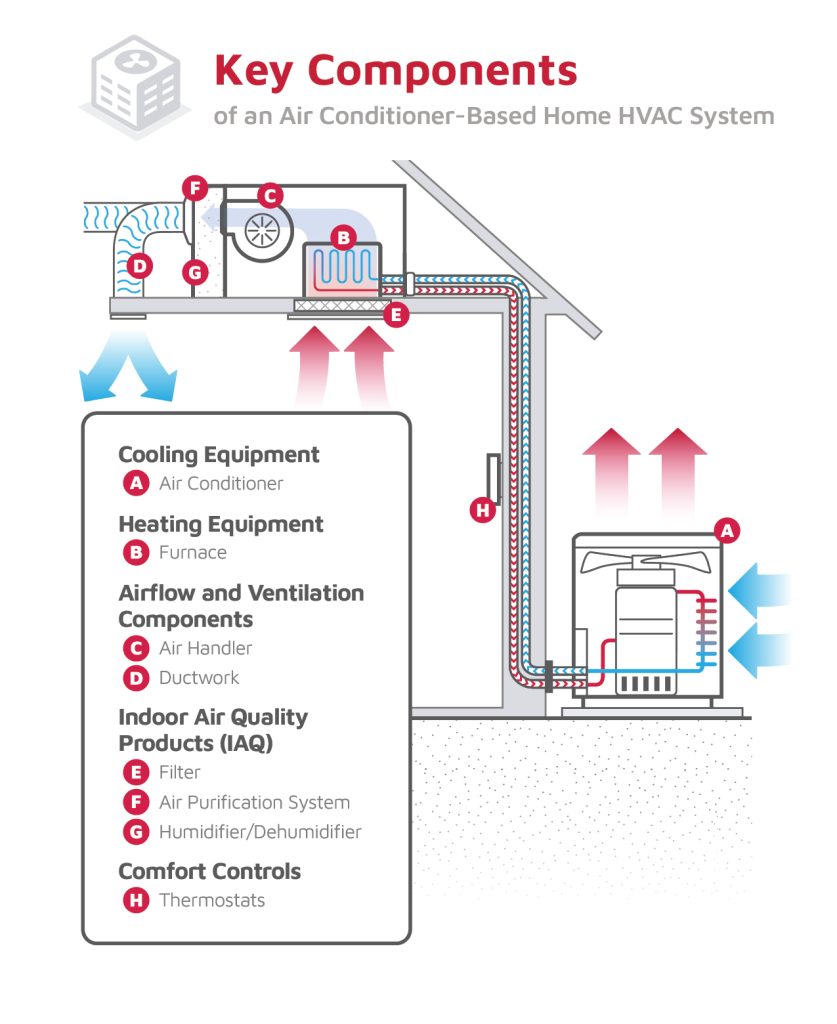
Have you ever wondered how your home stays warm when the cold weather hits? Understanding what a heating unit is can make a big difference in keeping your space cozy and comfortable.
Whether you’re curious about how it works or looking to choose the right one for your needs, this guide will clear up the mystery. By the end, you’ll feel confident about how heating units help you beat the chill and save on energy costs.
Keep reading to discover the simple facts that can make your home warmer and your life easier.
Types Of Heating Units
Heating units come in various forms, each designed to suit different needs and environments. Understanding the types can help you pick the right system for your home or workspace. Let’s dive into some common options and what makes each unique.
Furnaces
Furnaces are among the most popular heating units, especially in colder climates. They work by heating air and then distributing it through ducts. If you’ve ever felt a warm blast from your vents during winter, that’s your furnace in action.
They typically run on gas, electricity, or oil. Furnaces are efficient at quickly raising the temperature in large spaces. However, maintenance is key to keep them running safely and smoothly.
Heat Pumps
Heat pumps offer both heating and cooling, making them versatile for year-round comfort. They transfer heat from outside to inside during cold months and reverse the process in summer. You might find them more energy-efficient compared to traditional furnaces.
They work best in moderate climates but can still be effective in colder areas with advanced models. Have you considered a system that cools and heats without separate units?
Boilers
Boilers heat water to provide warmth through radiators or underfloor systems. Unlike furnaces, they don’t blow air but rely on hot water or steam circulation. This method creates a cozy, consistent heat that many people prefer.
They often run on gas or oil and can be highly efficient. If you’ve ever enjoyed the gentle warmth of a radiator, you’ve experienced a boiler’s work firsthand.
Electric Heaters
Electric heaters convert electrical energy directly into heat. They’re easy to install and great for small spaces or supplemental heating. You can find portable models that you simply plug in and start using.
Though they can be more expensive to run long-term, electric heaters offer precise control and quick heat. Do you need a quick fix for chilly rooms without a full heating system?
Radiant Heating
Radiant heating systems warm surfaces directly, often through panels installed in floors or walls. This type of heating feels natural because it heats objects and people rather than air. It’s quiet and dust-free, making it ideal for allergy sufferers.
Many homes use radiant heating under tile or hardwood floors for extra comfort. Have you noticed how warm floors can change the feel of a room during winter?

Credit: www.master.ca
How Heating Units Work
Understanding how heating units work can help you make better decisions about your home comfort. These systems do more than just warm the air; they carefully generate, distribute, and regulate heat to keep your space cozy. Let’s break down the key steps behind this process.
Heat Generation
Heating units start by creating heat through various energy sources like electricity, gas, or oil. For example, a furnace burns fuel to produce warm air, while an electric heater uses resistance coils that get hot when electricity passes through them. Knowing the type of heat generation your unit uses can help you anticipate costs and efficiency.
Heat Distribution
Once heat is created, it needs to spread evenly throughout your space. This happens through systems like ducts that push warm air, or pipes that carry hot water or steam to radiators. If you’ve ever felt cold spots in a room, it might be due to uneven heat distribution—something you can often fix by checking vents or bleeding radiators.
Thermostat Control
The thermostat acts as the brain of your heating unit, turning it on or off to keep your desired temperature steady. You set the temperature, and the thermostat signals the system to heat until that point is reached. Smart thermostats add convenience by learning your schedule and adjusting heat automatically, which can save energy without you needing to think about it.
Choosing The Right Heating Unit
Choosing the right heating unit is important for comfort and cost savings. It depends on several factors that match your home’s needs. Understanding these can help you make a smart choice.
Home Size And Insulation
The size of your home affects the heating unit capacity. Small homes need smaller units. Large homes need more powerful systems.
Good insulation keeps heat inside. Well-insulated homes need less heat. Poor insulation means the heating unit works harder.
Check walls, windows, and doors for drafts. Improving insulation can reduce heating costs.
Energy Efficiency
Energy-efficient units use less fuel or electricity. They save money on bills and reduce pollution.
Look for labels like ENERGY STAR. These show the unit meets efficiency standards.
Higher efficiency units cost more upfront but save money long-term.
Fuel Types
Heating units use various fuels such as:
- Electricity
- Natural gas
- Propane
- Oil
- Wood
Each fuel has pros and cons. Electric units are easy to install but might cost more to run. Gas units are cheaper but need a gas line.
Choose fuel type based on availability and cost in your area.
Installation Costs
Installation costs vary by unit type and complexity. Some units need special vents or ducts.
Simple units have lower installation costs. Complex systems cost more to install.
Consider both installation and running costs for the best value.
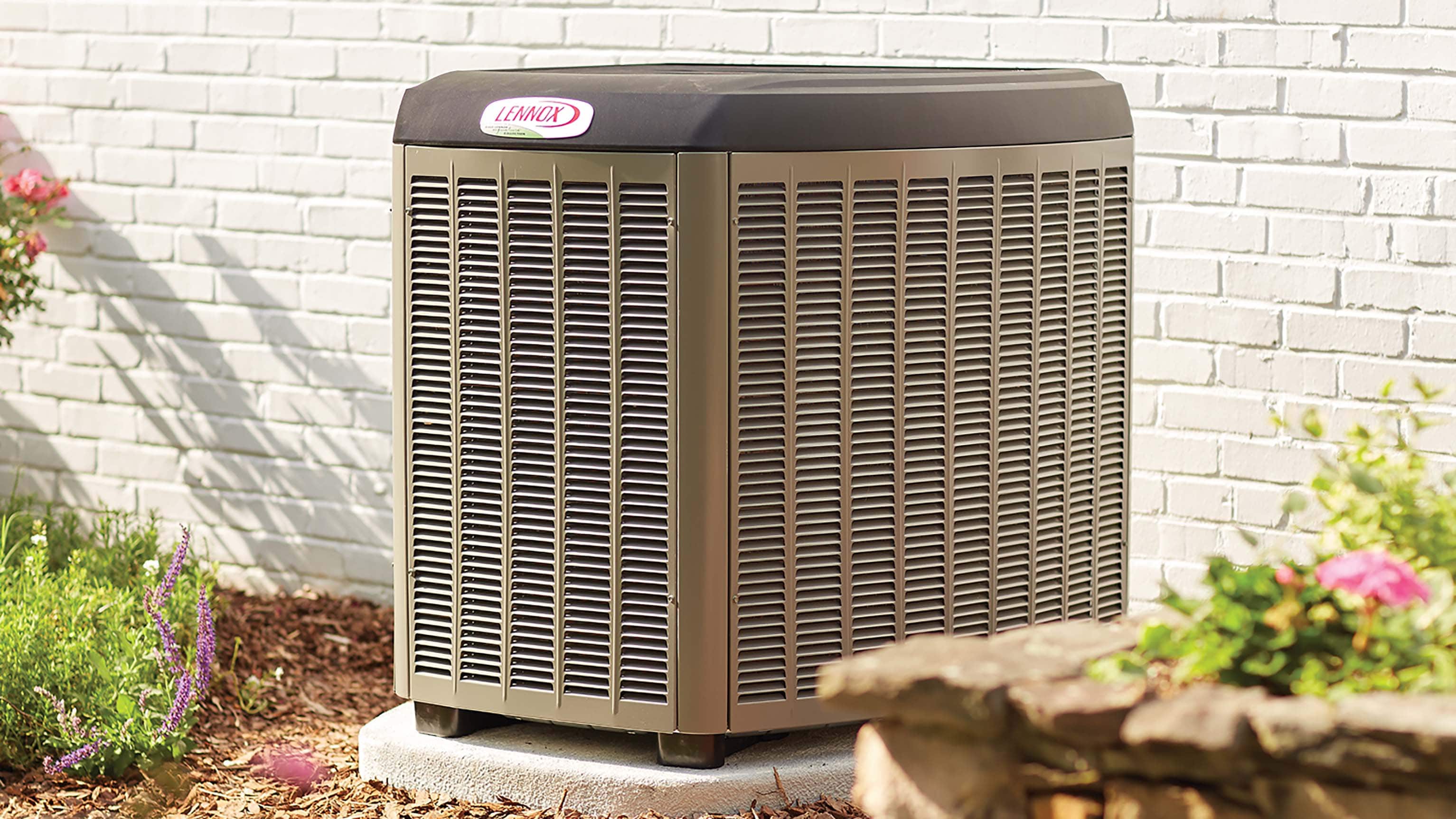
Credit: www.homedepot.com
Maintenance Tips For Heating Units
Maintaining a heating unit keeps it running smoothly and safely. Regular care prevents breakdowns and saves money on repairs. Simple steps can extend the life of your heating system and improve energy efficiency.
Regular Inspections
Check your heating unit often for signs of wear or damage. Look for unusual noises, leaks, or strange smells. Early detection of problems helps avoid costly repairs later. Inspecting parts like vents and ducts ensures proper airflow and heating.
Filter Replacement
Replace filters on schedule to keep air clean and flow steady. Dirty filters block airflow and force the unit to work harder. This raises energy costs and can cause overheating. Use the right filter type and size for your system.
Cleaning Components
Clean parts like burners, fans, and coils to improve performance. Dust and debris buildup reduce efficiency and may cause malfunctions. Use a soft brush or vacuum to remove dirt gently. Keep the area around the unit free from clutter.
Professional Servicing
Hire a licensed technician for annual maintenance and safety checks. Professionals can spot hidden issues and fix them correctly. They test system controls, clean hard-to-reach parts, and check gas connections. This ensures your heating unit runs safely and efficiently all winter.
Common Heating Unit Problems
Heating units are essential for comfort during colder months. Yet, they sometimes face issues that can disrupt their function. Understanding these problems helps in maintaining efficiency and comfort in your home.
Uneven Heating
Uneven heating occurs when rooms have different temperatures. This can result from blocked vents or poor insulation. It may also be due to a malfunctioning thermostat. Regular checks can prevent these issues. Ensure vents are open and unblocked.
Strange Noises
Strange noises can signal a problem. Squealing or banging sounds may indicate loose parts. Rattling could mean something is stuck in the unit. Addressing these noises early can prevent bigger issues.
High Energy Bills
High energy bills might suggest your heating unit is inefficient. A dirty filter can cause the unit to work harder. Regular maintenance helps in keeping energy use in check. Replace filters as needed for better efficiency.
Frequent Cycling
Frequent cycling refers to the unit turning on and off too often. This could be due to an oversized unit or a thermostat issue. It can lead to unnecessary wear and tear. A professional can help determine the cause and solution.

Credit: aquariushomeservices.com
Energy Saving Tips
Saving energy with your heating unit helps lower bills and protects the environment. Simple changes around the house can make a big difference. Small habits keep your home warm without wasting power.
Programmable Thermostats
Programmable thermostats let you set heating schedules. They reduce heat when you are away or asleep. This stops energy waste and keeps rooms comfortable at the right times. You can control them easily to fit your daily routine.
Sealing Leaks
Leaks around doors and windows let warm air escape. Use weatherstripping or caulk to seal these gaps. This keeps heat inside and prevents cold drafts. Sealing leaks improves comfort and reduces the heating unit’s workload.
Upgrading Insulation
Good insulation slows heat loss through walls and ceilings. Adding insulation keeps your home warmer in winter. It reduces how often the heating unit runs. Check attics, basements, and walls for weak spots to insulate.
Using Zoned Heating
Zoned heating controls temperature in different rooms separately. Heat only rooms you use often. This saves energy by not heating empty spaces. Zoned systems give more control and improve overall efficiency.
Frequently Asked Questions
What Is A Heating Unit Used For?
A heating unit warms indoor spaces by generating and distributing heat. It ensures comfort during cold weather. Common types include furnaces, heat pumps, and boilers.
How Does A Heating Unit Work?
A heating unit converts energy into heat using fuel or electricity. It then circulates warm air or water through ducts or pipes to heat rooms efficiently.
What Are Common Types Of Heating Units?
Common heating units include furnaces, boilers, heat pumps, and electric heaters. Each type uses different methods to generate and distribute heat in homes or buildings.
How To Maintain A Heating Unit Effectively?
Regularly replace filters, clean vents, and schedule professional inspections. Proper maintenance improves efficiency, extends lifespan, and ensures safe operation of your heating unit.
Conclusion
A heating unit keeps your home warm and comfortable. It uses energy to produce heat efficiently. Knowing how it works helps you choose the right one. Regular maintenance keeps it running smoothly and saves money. A good heating unit makes cold days easier to bear.
Simple care extends its life and improves performance. Stay warm with the right heating unit for your needs.



