
Have you ever wondered how long you should air out your house to feel fresh and healthy inside? You might open a window for a few minutes and think that’s enough, but is it really?
The time you spend airing out your home can make a big difference in reducing odors, removing harmful pollutants, and improving the air you breathe. You’ll discover the ideal airing times for different situations and simple tips to keep your indoor air clean and refreshing.
Keep reading—you’ll learn how a few extra minutes can change the way your home feels and even boost your well-being.
Benefits Of Airing Out Your Home
Airing out your home is more than just opening a window for a few minutes. It plays a key role in maintaining a healthier and more comfortable living space. Understanding the benefits can help you decide how long and how often you should air out your rooms.
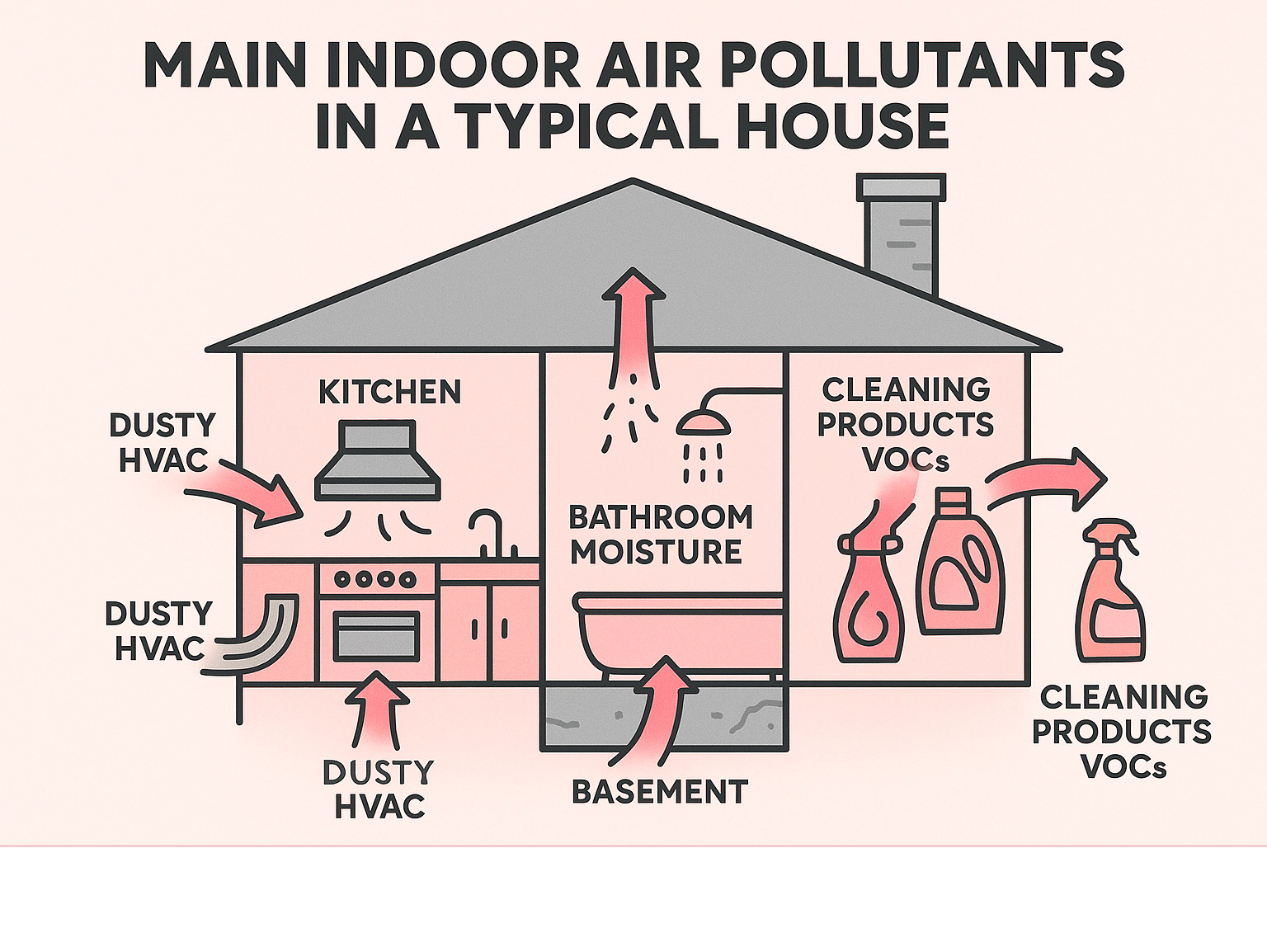
Improving Indoor Air Quality
Stale air traps dust, odors, and harmful gases inside your home. By airing out your space, you allow fresh air to circulate, pushing out contaminants. This simple act can make your home feel fresher and more inviting almost immediately.
Have you noticed how a room feels stuffy after being closed for a long time? A quick air exchange can clear that feeling and give you a noticeable boost in comfort.
Reducing Allergens And Pollutants
Indoor air often holds allergens like pet dander, pollen, and dust mites, which trigger allergies and respiratory problems. Opening your windows helps reduce these irritants by flushing them out.
This is especially important if you or your family members suffer from asthma or allergies. Regular airing can lower your exposure and improve your overall well-being.
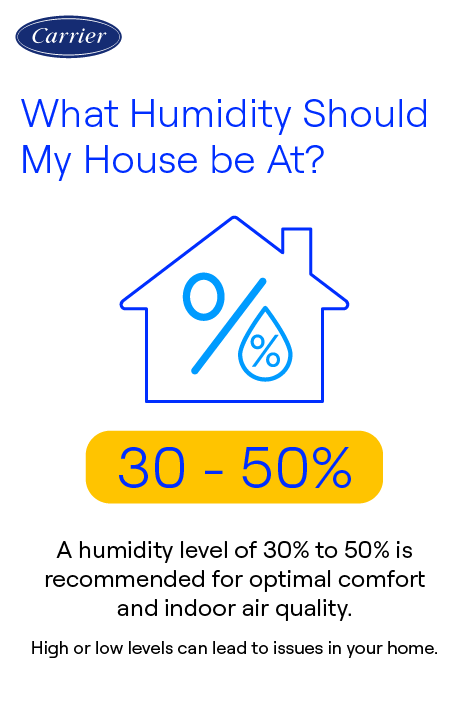
Controlling Humidity Levels
High humidity can lead to mold growth and damage to furniture and walls. Airing out your home helps balance moisture levels by letting damp air escape and dry air enter.
Keeping humidity in check not only protects your home but also makes it feel more comfortable, especially during humid seasons. How often do you check the humidity in your rooms?
Credit: www.aaastl.com
Factors Influencing Airing Duration
Knowing how long to air out your house depends on several important factors. These elements change how quickly fresh air replaces stale indoor air and removes unwanted smells or pollutants. Understanding what affects airing duration helps you decide the right timing for your home.
Weather Conditions
Weather plays a big role in airing out your home. On a windy day, fresh air moves quickly through open windows, cutting down airing time. But if it’s calm or humid outside, air circulation slows, and you might need to keep windows open longer.
Temperature differences between inside and outside also matter. A cold breeze can quickly push stale air out, while on hot days, warm air might linger inside. Have you noticed how a cool, breezy afternoon feels like a natural air purifier?
House Size And Layout
The bigger your house, the more time it takes to fully refresh the air. Large rooms or multiple levels need better airflow paths to move air efficiently. If your home has many closed-off spaces or tight corners, airing out can be slower.
Open floor plans speed up airing because air moves freely from one area to another. Think about your own space: do you have a small apartment or a sprawling house? That difference impacts how long you should keep windows open.
Type Of Pollutants Present
What’s in your indoor air affects airing time too. Dust, cooking smells, paint fumes, or pet odors each behave differently. Strong chemical smells like paint fumes need longer airing to clear out completely.
Natural odors, like from cooking or pets, often dissipate faster but might still require several hours of airing. Have you ever opened windows after cooking and noticed the lingering smell takes a while to fade? That’s why knowing your pollutant type helps set realistic airing goals.
Recommended Airing Times
Knowing the right amount of time to air out your house can make a big difference in maintaining a fresh, healthy environment. Recommended airing times vary depending on your daily routine, any recent changes in your home, and the season. Let’s look at practical guidelines that fit different situations and help you decide how long to keep your windows open.
Daily Airing Tips
Opening windows for about 10 to 15 minutes each day usually works well for most homes. This short burst of fresh air helps remove stale odors and reduces indoor pollutants without cooling your space too much.
If you live in a busy city or near a busy road, try airing out early in the morning or late evening when pollution levels tend to be lower. You might also want to open multiple windows to create a cross breeze, which clears the air faster.
After Renovations Or Painting
After any renovation or painting, airing out your house becomes more urgent. Paint fumes and dust can linger for days, sometimes weeks, so keep windows open for several hours a day if possible.
A good rule of thumb is to ventilate continuously for at least 3 to 5 days. If you notice strong odors or irritation, extend airing times or use fans to speed up the process. Have you ever felt dizzy or had a headache after painting? That’s a clear sign you need more fresh air.
Seasonal Considerations
Seasonal changes affect how long you should air out your home. In winter, short airing sessions of 5 to 10 minutes are better to avoid heat loss but still let fresh air in.
During spring and fall, when temperatures are mild, you can open windows for 20 to 30 minutes or longer. Summer calls for airing early in the morning or late at night to avoid hot air coming inside.
Think about your local climate and daily weather patterns. Are you adjusting your airing times with the seasons to keep your home comfortable and fresh?
Credit: stefanosismyrealtor.com
Effective Ventilation Methods
Effective ventilation methods help fresh air flow through your home. Proper air circulation reduces indoor pollutants and moisture. This keeps your living space healthy and comfortable. Choosing the right ventilation method depends on your home’s layout and weather conditions. Combining several techniques often gives the best results.
Cross Ventilation Techniques
Cross ventilation uses two opposite windows or openings. Air enters through one side and exits through the other. This creates a natural breeze that clears stale air. Open windows on different walls to encourage airflow. Use lightweight curtains to avoid blocking fresh air. Cross ventilation works best on windy days and with open floor plans.
Using Fans And Air Purifiers
Fans help move air inside rooms quickly. Place fans near windows to push out old air. Ceiling fans improve circulation by moving air up and down. Air purifiers clean dust, pollen, and allergens from the air. They do not replace fresh air but improve air quality. Use fans with air purifiers for a healthier indoor environment.
Natural Vs Mechanical Ventilation
Natural ventilation relies on windows, doors, and vents. It uses wind and temperature differences to move air. Mechanical ventilation uses machines like exhaust fans and HVAC systems. Mechanical systems control airflow and filter air better. Natural ventilation saves energy but depends on weather. Mechanical ventilation works in all seasons and weather conditions.
Common Mistakes To Avoid
Airing out your house is essential for maintaining a healthy indoor environment, but there are common mistakes that people often make. These errors can lead to energy inefficiency, poor air quality, or simply ineffective results. By understanding these pitfalls, you can ensure that your home is ventilated properly without unnecessary drawbacks.
Over-airing And Energy Loss
Leaving your windows open for too long can lead to significant energy loss. During cold months, prolonged airing can cause your heating system to work overtime, increasing your energy bills. In warmer months, the opposite occurs, with your cooling system struggling to maintain a comfortable temperature. It’s all about finding the right balance—aim to air out your home for about 10-15 minutes, which is usually sufficient to refresh indoor air without wasting energy.
Ignoring Outdoor Pollution
Not all outdoor air is beneficial. If you live in an area with high pollution levels, airing your house during peak traffic hours can introduce more harmful particles than it removes. Pay attention to local air quality reports and choose times when pollution is lower. For example, early mornings or late evenings might be better options to reduce the intake of pollutants.
Poor Timing Choices
Timing is crucial when airing out your house. Doing it during the hottest part of the day in summer or the coldest in winter can be counterproductive. Instead, try to air your home during mild times of the day. Ask yourself, is there a specific time when the temperature is most comfortable? This approach not only improves air quality but also helps maintain a stable indoor climate.
Credit: www.coolmygarage.com
Frequently Asked Questions
How Long Should You Air Out Your House Daily?
Airing out your house for 15 to 30 minutes daily is ideal. This helps remove stale air and reduces indoor pollutants, promoting better air quality and comfort.
When Is The Best Time To Air Out Your Home?
Early morning or late evening is best for airing out your home. During these times, outdoor air is cooler and less polluted, ensuring fresh air circulation inside.
Can Airing Out Reduce Indoor Allergens Effectively?
Yes, regular airing out helps reduce indoor allergens like dust and mold spores. It improves ventilation, preventing allergen buildup and promoting a healthier living environment.
How Does Weather Affect Airing Out Your House?
Weather impacts airing out duration and effectiveness. On dry, mild days, airing out is easier and more beneficial. Avoid airing out during high pollution or extreme weather.
Conclusion
Air out your house for at least 15 to 30 minutes daily. This helps remove stale air and brings in fresh air. Open windows and doors wide to let air flow freely. Avoid short bursts; aim for steady ventilation for better results.
Regular airing improves indoor air quality and reduces odors. Keep in mind, weather and pollution may affect how long you air out. Stay consistent to keep your home fresh and healthy. Simple steps make a big difference in your living space.



