
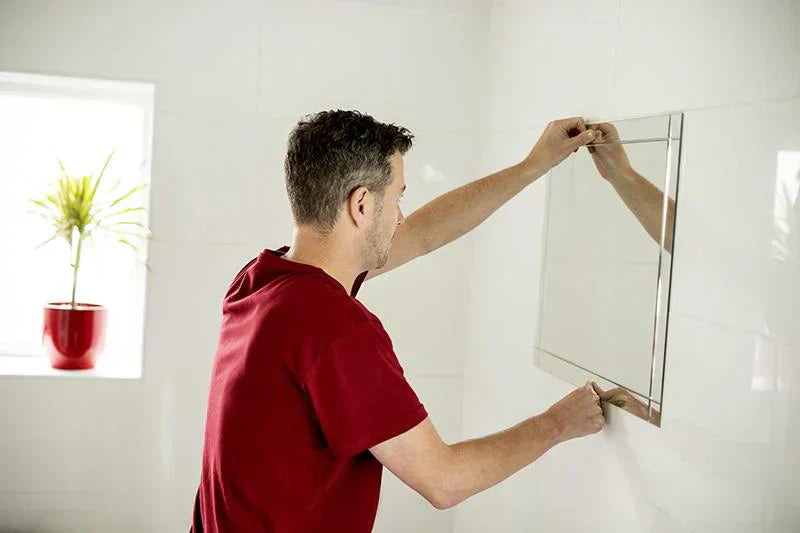
Looking to hang a mirror but worried about putting holes in your walls? You’re not alone.
Nails can damage your paint, leave marks, and make moving things around a hassle. But what if you could attach your mirror securely without a single nail? You’ll discover simple, effective methods to hang your mirror safely and stylishly—no drilling required.
Keep reading to find out how to transform your space without the mess or stress.
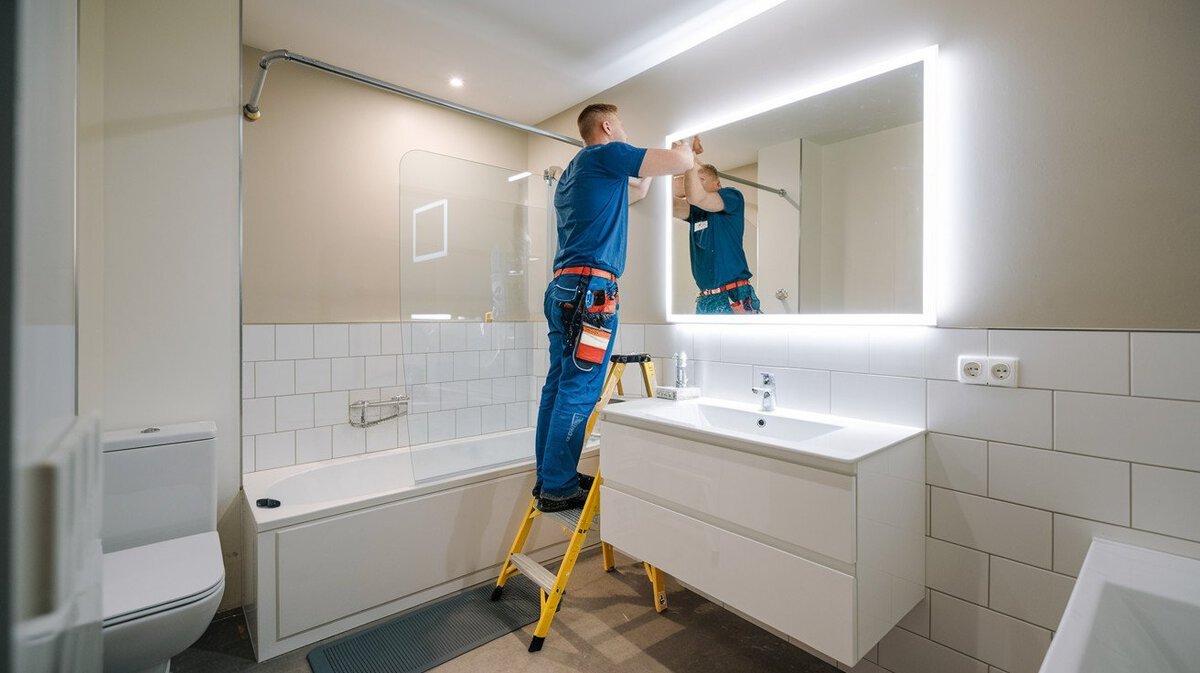
Credit: bfymirror.com
Choose The Right Mirror
Choosing the right mirror is essential before attaching it to the wall without nails. The mirror’s size, weight, and frame material affect the type of adhesive or mounting method to use. Picking a suitable mirror ensures safety and long-lasting hold. It also helps keep your walls damage-free.
Consider Weight And Size
Heavy mirrors need stronger support. Light mirrors can work with simple adhesives or hooks. Large mirrors spread weight over a bigger area. Small mirrors concentrate weight in one spot. Measure the mirror carefully. Check the weight on the label or ask the seller. Match the mounting method to the mirror’s weight and size.
Select Frame Material
Frames come in wood, metal, plastic, or glass. Wooden frames absorb glue better than metal or glass. Metal frames may need special adhesive or mounting strips. Plastic frames can be tricky; test the adhesive first. Smooth glass edges might need extra support. Pick a frame that works well with your chosen mounting method.
Prepare The Wall Surface
Ensure the wall surface is clean and dry before attaching a mirror. Remove any dust and grease to help adhesive strips stick better. Smooth surfaces work best for a secure hold.
Preparing the wall surface is a crucial step when you’re attaching a mirror without nails. A smooth, clean wall ensures that your adhesive or mounting material sticks properly, providing long-lasting support. If you skip this step, you might find your mirror slipping or not adhering at all.Clean And Dry The Area
Begin by cleaning the wall where you plan to attach the mirror. Use a mild detergent mixed with water to gently scrub the area. This removes dust, grease, and any residues that might hinder the adhesive’s effectiveness. After cleaning, make sure the wall is completely dry. Use a clean, dry cloth or let it air dry. Moisture can weaken adhesive strength, making your mirror less secure. Think of it like trying to stick tape to a wet surface—it simply won’t hold.Check For Wall Type
It’s essential to know what kind of wall you’re working with. Is it drywall, plaster, or concrete? Different surfaces require different types of adhesive for optimal hold. For example, drywall might need a stronger adhesive compared to plaster. Understanding your wall type helps you choose the right product, ensuring your mirror stays firmly in place. Have you ever tried sticking something to a surface that just didn’t cooperate? Identifying your wall type saves you from that frustration.Use Adhesive Strips
Using adhesive strips is a simple way to hang a mirror without damaging your walls. These strips hold the mirror firmly and keep it in place. They work well for lightweight mirrors and smooth surfaces. No tools or nails are needed, making this method quick and clean.
Select Suitable Strips
Choose strips made for hanging mirrors or heavy frames. Check the weight limit on the package. Pick strips that match your mirror’s size and weight. Some strips have extra strong glue for heavier items. Avoid strips that might damage painted or textured walls.
Apply And Press Firmly
Clean the wall and mirror surface with rubbing alcohol. Let them dry completely before applying strips. Attach strips to the mirror edges following package instructions. Press the strips firmly for about 30 seconds. Remove backing and press the mirror against the wall. Hold it for a minute to ensure strong adhesion.
Try Double-sided Mounting Tape
Trying double-sided mounting tape is a smart way to hang a mirror without damaging your walls. This method keeps your space clean and avoids the hassle of nails or screws. It’s quick, easy, and perfect for lightweight to medium-sized mirrors.
Choose Strong Tape
Not all double-sided tapes hold the same weight. Look for tapes specifically designed for mounting heavy objects. Brands like 3M Command or Gorilla offer strong options that can hold several pounds securely.
Check the tape’s weight rating before buying. If your mirror is heavy, pick a tape with a higher weight capacity. You don’t want to risk your mirror falling and breaking.
Also, consider the surface where you’ll stick the tape. Smooth, clean walls work best. Avoid rough or textured surfaces as tape adhesion may weaken.
Attach And Cure Time
Clean the wall and the back of your mirror before applying tape. Use rubbing alcohol to remove dust and grease, which can stop the tape from sticking well.
Apply the tape in strips or squares around the mirror’s edges. Press firmly for at least 30 seconds to ensure strong contact. Don’t rush this step—pressure helps the tape grip better.
After attaching your mirror to the wall, give the tape time to cure. Most tapes reach maximum strength after 24 hours. Can you wait a day to avoid accidents? This pause is worth it to keep your mirror safe and secure.
Employ Mirror Adhesive Glue
Using mirror adhesive glue is a smart way to hang mirrors without nails. This method keeps walls clean and prevents damage. It works well on smooth, dry surfaces. The glue creates a strong bond that holds the mirror firmly in place. Choosing the right adhesive and applying it correctly ensures a safe, lasting hold.
Pick Safe Adhesive
Select glue made specifically for mirrors. Mirror adhesive glue contains chemicals that resist corrosion. Ordinary glue can damage the mirror backing over time. Look for clear, waterproof, and strong adhesive types. Check product labels for mirror-safe claims. Avoid glues with solvents that might harm glass or wall paint.
Apply Properly
Clean the wall and mirror back thoroughly. Remove dust and grease for better adhesion. Apply glue in small dots or thin lines. Spread evenly to avoid lumps that show through the mirror. Press the mirror gently but firmly to the wall. Use tape or supports until the glue sets completely. Follow the glue manufacturer’s drying time for best results.

Credit: ledmirrorworld.co.uk
Use Velcro Strips
Using Velcro strips is a smart way to hang a mirror without nails. This method keeps your walls clean and your mirror secure. Velcro strips offer strong hold and easy removal, perfect for renters or anyone avoiding wall damage.
Select Heavy-duty Velcro
Choose Velcro strips labeled “heavy-duty” or “extra strength.” These types hold more weight and provide better security for your mirror. Check the weight limit on the package to match your mirror’s size and weight. Avoid thin or light-duty strips as they may fail over time.
Position And Secure
Clean the wall surface and mirror frame with rubbing alcohol. Let it dry completely to ensure good adhesion. Cut the Velcro strips into pieces that fit the mirror corners and edges.
- Stick one side of the Velcro to the mirror frame.
- Press firmly for 30 seconds to secure.
- Attach the matching Velcro strips to the wall where you want the mirror.
- Press firmly and wait a few minutes before mounting.
Align the mirror with the wall strips and press it firmly. Hold for a few seconds to make sure it sticks well. The Velcro strips allow easy removal and repositioning without wall damage.
Try Command Hooks Or Strips
Attaching a mirror to the wall without nails is easier than you might think, especially with Command hooks or strips. These handy products offer a strong hold without damaging your walls. They provide flexibility and convenience, making them a favorite for renters and anyone wanting to avoid holes.
Choose Hook Type
Command hooks and strips come in various sizes and weight capacities. It’s important to pick the right one based on your mirror’s weight and size. For lighter mirrors, small hooks or strips will do the job.
For heavier mirrors, look for heavy-duty strips or large hooks designed to hold more weight. You can find clear, white, or decorative hooks to match your room’s style. Always check the packaging for the maximum weight limit to avoid surprises.
Mount And Remove Easily
Applying Command hooks or strips is simple and quick. Clean the wall surface first with rubbing alcohol to make sure the adhesive sticks well. Then press the hook or strip firmly against the wall for about 30 seconds.
When it’s time to remove the mirror, pull the tab on the strip straight down slowly. This releases the adhesive without peeling paint or leaving sticky residue. Have you ever struggled with sticky marks after taking down wall decor? Command strips solve that problem completely.
Consider Leaning The Mirror
Leaning a mirror against the wall is a simple yet effective way to add style and function without damaging your walls. It allows you to avoid nails, screws, or adhesives that might leave marks. Plus, this approach offers flexibility—you can easily change the mirror’s location whenever you want.
Find Stable Support
Choosing the right spot to lean your mirror is crucial for safety and aesthetics. Look for a flat, stable surface like a sturdy baseboard or a thick rug that prevents slipping. Make sure the wall behind it is even to avoid the mirror tipping over.
If your floor is slippery, consider placing non-slip pads or rubber grips under the mirror’s base. This small addition can stop the mirror from sliding, especially in busy areas. Don’t forget to check that the mirror’s weight is balanced evenly against the wall.
Style Tips
Leaning mirrors can transform your space with minimal effort. Try placing a tall mirror next to a window to reflect natural light and make your room feel brighter. You can also layer smaller mirrors on the floor against the wall for a trendy, gallery-like effect.
Think about pairing your mirror with nearby furniture or decor. For example, leaning a mirror behind a console table or plant stand creates depth and visual interest. Would you like a cozy corner? Add a soft rug and a chair near the mirror to build a stylish nook instantly.
Avoid Common Mistakes
Avoiding common mistakes ensures your mirror stays safe and looks great. Small errors can cause damage or make the mirror fall. Paying attention to details helps achieve a secure hold without nails.
Overloading Adhesives
Using too much adhesive does not make the mirror stronger. Excess glue can drip, creating a mess or weakening the bond. Follow the adhesive instructions carefully for the best results.
Choose an adhesive rated for the mirror’s weight. Too heavy a mirror needs stronger support or different methods. Overloading adhesives leads to falls and wall damage.
Ignoring Wall Material
Different walls need different adhesives. Drywall, tile, and concrete hold glue differently. Identify your wall type before picking an adhesive or mounting method.
Some adhesives may not stick well to rough or uneven surfaces. Testing a small area first saves time and trouble. Ignoring wall material risks poor attachment and mirror damage.

Credit: bfymirror.com
Maintain And Remove Safely
Keeping your mirror securely attached without nails is just the first part of the process. Maintaining the adhesive and knowing how to remove the mirror safely are equally important. These steps help protect your wall and ensure you can enjoy your decor without damage or residue.
Clean Adhesive Residue
After removing the mirror, sticky adhesive residue often stays on the wall. To clean it, gently rub the area with a soft cloth soaked in warm, soapy water. Avoid harsh scrubbing, which can damage the paint or surface underneath.
If the residue is stubborn, try using a small amount of rubbing alcohol or an adhesive remover designed for walls. Test any cleaner on a hidden spot first to check for discoloration. Patience is key—you want to soften the adhesive before wiping it away.
Prevent Wall Damage
Removing your mirror carefully reduces the risk of peeling paint or drywall damage. Slowly pull the mirror away at a low angle instead of yanking it off suddenly. This minimizes stress on the wall and the adhesive.
Consider using a hairdryer to warm the adhesive slightly before removal. The heat softens the glue, making it easier to peel off without pulling paint or leaving holes. Have you tried warming the adhesive before? It can make a surprising difference.
Frequently Asked Questions
How Can I Hang A Mirror Without Nails?
You can use adhesive strips, mirror mounting tape, or hooks designed for damage-free hanging. These options hold mirrors securely without wall damage.
What Is The Best Adhesive For Mirrors On Walls?
Double-sided mirror mounting tape or heavy-duty adhesive strips work best. They provide strong, lasting hold and prevent damage to walls or mirrors.
Can I Use Command Strips To Mount A Mirror?
Yes, command strips are ideal for lightweight mirrors. They offer easy removal without leaving residue or holes on your walls.
How Do I Ensure My Mirror Stays Securely Without Nails?
Clean the wall surface, use high-quality adhesive, and follow weight limits. Proper preparation ensures a strong, stable hold without nails or screws.
Conclusion
Attaching a mirror without nails is easy and safe for your walls. Use strong adhesive strips or hooks designed for mirrors. These options hold well and leave no marks. Take your time to clean the wall before applying. Press firmly and wait for the recommended time.
This way, you keep your space neat and damage-free. Now, enjoy your mirror hanging securely, without any holes. Simple steps make your home look great and stay intact.



