
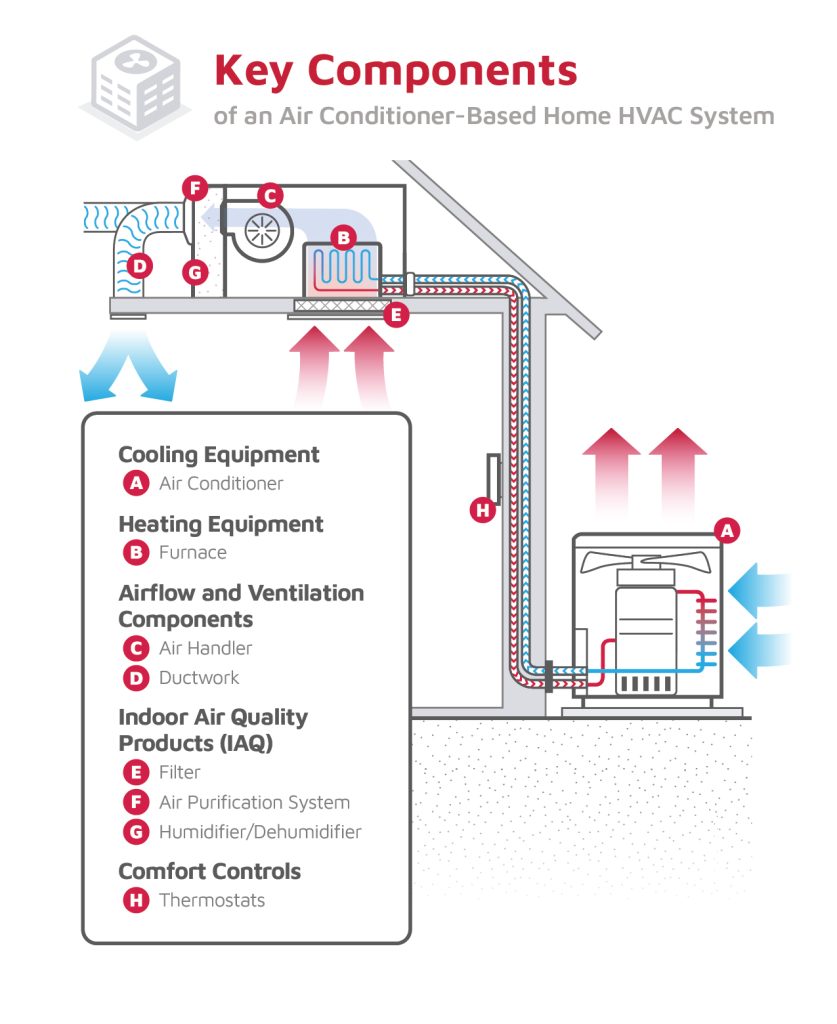
Have you ever wondered what keeps your home cool in the summer and warm in the winter? Your HVAC system is the hidden hero making that happen.
Understanding how an HVAC system works can help you take better care of it, save money on energy bills, and stay comfortable all year long. You’ll discover the simple steps behind your system’s magic and learn how to make it work best for you.
Keep reading to unlock the secrets of your home’s climate control!
Credit: www.tejjy.com
Hvac System Basics
Understanding the basics of how your HVAC system works can save you from unexpected breakdowns and high energy bills. Your HVAC system is responsible for keeping your home comfortable by heating, cooling, and ventilating the air. Knowing what goes on behind the scenes helps you spot issues early and make smarter maintenance choices.
Core Components
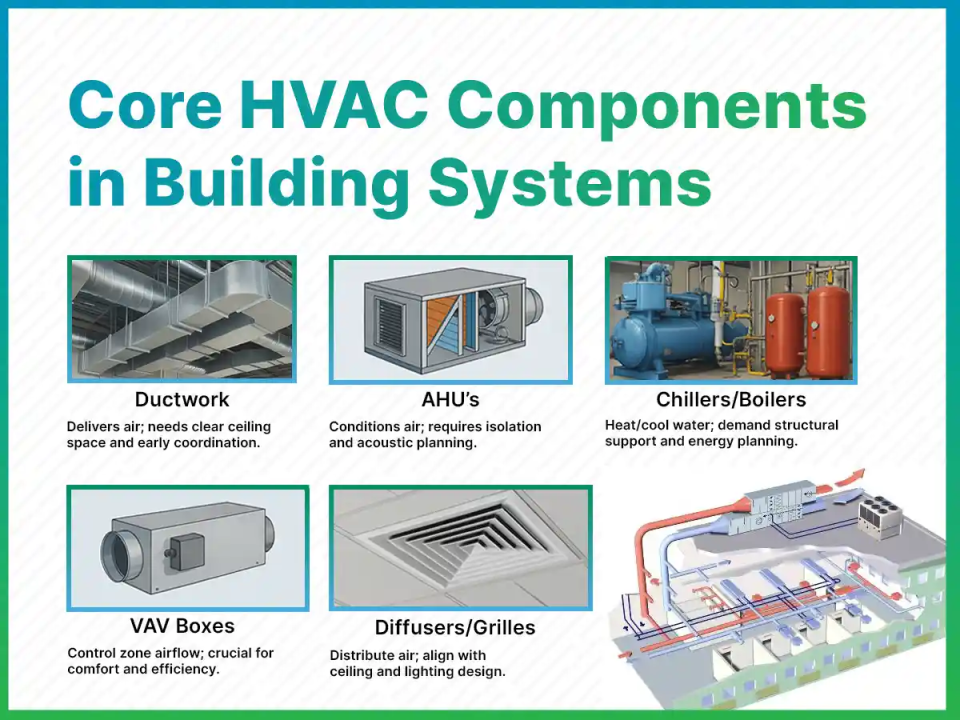
Your HVAC system has several key parts working together to control your indoor climate. Each plays a unique role but depends on the others to function properly.
- Thermostat:This is your control center. You set the temperature here, and it signals the system to turn on or off.
- Furnace or Heat Pump:These provide heat. A furnace burns fuel or uses electricity to warm air, while a heat pump moves heat from outside to inside.
- Air Conditioner:It cools the air by removing heat and moisture, making your home comfortable during hot days.
- Ductwork:This network of tubes carries warm or cool air throughout your home.
- Ventilation:Proper airflow exchanges stale indoor air with fresh outdoor air to maintain air quality.
Think about your last summer. Did your AC keep up when temperatures soared? If not, a clogged filter or a failing compressor might have been the culprit. Knowing these parts can help you pinpoint what needs attention.
Types Of Hvac Systems
Not all HVAC systems are the same. Different setups suit different homes and climates. Choosing the right type can impact your comfort and energy use.
| Type | Description | Best For |
|---|---|---|
| Split System | Separate indoor and outdoor units for heating and cooling. | Most homes, especially with existing ductwork. |
| Packaged System | All components in one outdoor unit. | Small spaces or homes without basements. |
| Ductless Mini-Split | Individual units for each room, no ductwork needed. | Rooms without ducts or additions. |
| Hybrid System | Combines a heat pump with a furnace for efficiency. | Regions with mild winters but occasional cold snaps. |
Which system matches your home’s needs? Understanding your options lets you ask better questions when consulting with professionals or shopping for upgrades.
Heating Process
The heating process in an HVAC system keeps your home warm during cold months. It moves heat from a source and spreads it through the air. This process involves different types of equipment designed to generate and distribute heat efficiently. Understanding how these systems work helps you maintain comfort and save energy.
Furnace Operation
A furnace heats air by burning fuel like natural gas, oil, or propane. The burner lights up and creates heat inside a heat exchanger. Air from your home passes over the hot exchanger, warming it before blowing through the ducts. A blower fan pushes the warm air into rooms. The furnace turns off once the set temperature is reached. This cycle repeats to keep your home cozy.
Heat Pumps Explained
Heat pumps move heat from outside to inside your home. They work like an air conditioner but in reverse. Even in cold weather, heat exists outside. The pump absorbs this heat and moves it indoors. It uses a refrigerant to carry heat through coils. A compressor helps increase the heat level. Heat pumps can also cool your home by reversing the process. They save energy because they transfer heat instead of creating it.
Cooling Process
The cooling process in an HVAC system removes heat from indoor air. It keeps your home comfortable during hot days. This process works through a cycle that transfers heat outside. Understanding the cooling process helps you appreciate how your AC cools the air.
Air Conditioning Cycle
The air conditioning cycle is a loop that cools your indoor air. It starts with warm air from the room. This air passes over cold coils inside the system. The coils absorb heat from the air, cooling it down.
The cooled air is then blown back into the room. Meanwhile, the heat absorbed by the coils moves outside. This cycle repeats to maintain a cool temperature indoors.
- Warm indoor air enters the system.
- Air passes over cold evaporator coils.
- Heat transfers from air to refrigerant in coils.
- Cooled air returns to the room.
- Heat releases outside through condenser unit.
Role Of Refrigerants
Refrigerants are special fluids used in the cooling process. They absorb heat from indoor air and carry it outside. These fluids change from liquid to gas and back again during the cycle.
As refrigerants evaporate inside the coils, they absorb heat. When they condense outside, they release heat to the air. This constant change makes the cooling process possible.
Modern refrigerants are designed to be safe and efficient. They help save energy and reduce environmental impact.
Ventilation Role
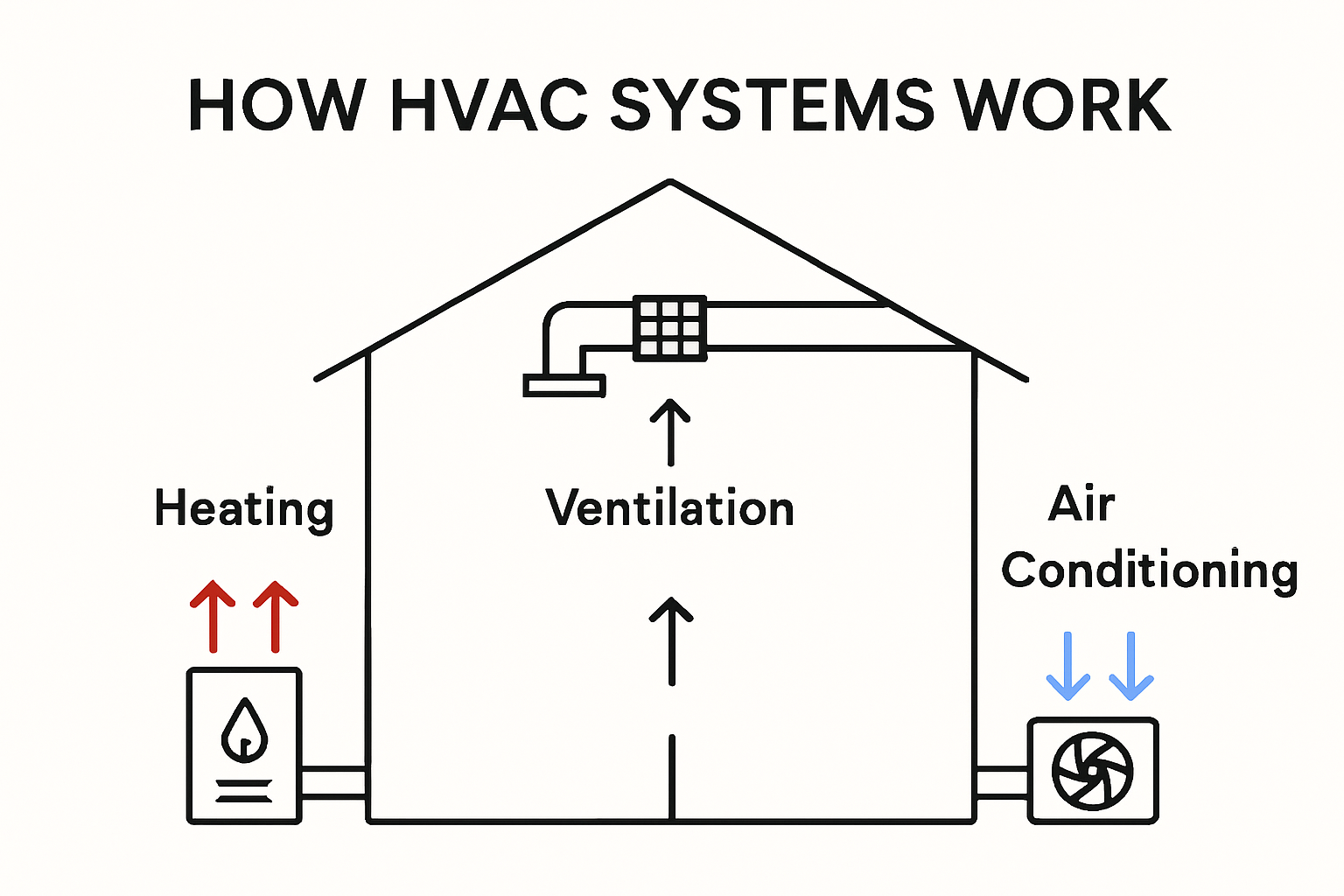
Ventilation plays a vital role in any HVAC system. It controls the flow of fresh air into a building and removes stale air. Proper ventilation helps maintain comfort and health indoors. It balances temperature, humidity, and air quality for a better living space.
Airflow Management
Airflow management ensures air moves smoothly through the system. It uses fans and ducts to distribute air evenly. This process prevents hot or cold spots in rooms. Proper airflow reduces energy waste and improves system efficiency.
Indoor Air Quality
Ventilation improves indoor air quality by removing pollutants. It expels dust, odors, and harmful gases from inside. Fresh air from outside replaces contaminated air. Clean air reduces allergies and respiratory problems for occupants.
Thermostat Function
Thermostats control HVAC systems by regulating temperature settings. They send signals to start or stop heating and cooling. This ensures a comfortable indoor environment efficiently.
The thermostat is the brain of an HVAC system. It determines when heating or cooling is needed. By reading the air temperature, it sends signals to the HVAC system. This process ensures your home stays comfortable.Temperature Control
Thermostats measure the air temperature in your home. They compare it to your desired setting. If the room is too cold, the thermostat activates the heater. If it’s too warm, it signals the air conditioner. This constant adjustment maintains a consistent indoor climate.Smart Thermostats
Smart thermostats offer advanced features for better control. They learn your schedule and adjust settings automatically. You can control them from your smartphone, even when away from home. Smart thermostats can also provide energy usage reports. This helps you manage and reduce energy costs.Energy Efficiency Tips
Energy efficiency in your HVAC system can significantly lower your utility bills while keeping your home comfortable. Small changes and regular care can make a big difference in how much energy your system uses. Let’s look at practical ways to keep your HVAC running efficiently.
System Maintenance
Regular maintenance is the backbone of an energy-efficient HVAC system. Changing air filters every 1-3 months prevents dust buildup, allowing air to flow freely and reducing strain on the system.
Have you ever noticed your energy bill jump after neglecting maintenance? That’s because clogged filters and dirty coils force your HVAC to work harder. Scheduling annual professional check-ups can catch issues early and ensure your system runs smoothly.
Simple tasks like clearing debris around outdoor units also help. Keeping vents and ducts clean ensures efficient airflow, so your system doesn’t waste energy trying to heat or cool blocked spaces.
Upgrading Components
Older HVAC parts often use more energy than modern alternatives. Replacing outdated thermostats with programmable or smart versions lets you control temperatures precisely and avoid wasting energy when you’re not home.
Have you considered how much energy your current system uses compared to newer models? Upgrading to ENERGY STAR certified units can cut energy use dramatically.
Adding variable-speed motors or high-efficiency compressors can also boost your system’s performance. These components adjust their power based on need, preventing excess energy use during mild weather.
- Install a smart thermostat to schedule temperature changes automatically.
- Replace single-speed motors with variable-speed options for better control.
- Choose ENERGY STAR certified HVAC units for proven efficiency.
What small upgrades could you make today to save energy without sacrificing comfort?
Common Issues
HVAC systems often face common problems that affect their performance. These issues can cause discomfort and increase energy bills. Knowing these problems helps in maintaining the system well. Some frequent issues include poor airflow, strange noises, and uneven temperatures.
Regular check-ups help spot problems early. Some problems are simple to fix at home. Others need expert care to avoid bigger damage.
Troubleshooting Tips
- Check and replace dirty air filters to improve airflow.
- Inspect thermostat settings to ensure correct temperature control.
- Clear debris around outdoor units to maintain proper function.
- Listen for unusual sounds that may indicate loose parts.
- Make sure vents and registers are open and unblocked.
- Reset the system by turning it off and on again.
When To Call A Professional
- If the system won’t start or keeps shutting off.
- When strange smells or smoke appear from vents.
- If there is water leakage near the unit.
- When cooling or heating is weak despite proper settings.
- If there are frequent cycling on and off noises.
- When repairs involve electrical or gas components.

Credit: medium.com
Credit: projecthvac.com
Frequently Asked Questions
What Is The Main Function Of An Hvac System?
An HVAC system controls indoor temperature and air quality. It heats, cools, ventilates, and maintains comfortable conditions in buildings efficiently.
How Does An Hvac System Regulate Indoor Temperature?
It uses a thermostat to detect temperature changes. The system then heats or cools air to reach the desired setting.
What Components Make Up A Typical Hvac System?
Key components include the furnace, air conditioner, ductwork, thermostat, and ventilation system. Each part plays a crucial role in climate control.
How Often Should Hvac Systems Be Maintained?
Regular maintenance is recommended at least twice a year. This ensures optimal performance, energy efficiency, and extends the system’s lifespan.
Conclusion
Understanding how an HVAC system works helps you keep your home comfortable. It moves air to heat or cool your space efficiently. Regular maintenance keeps the system running well and saves energy. Knowing the basic parts and their roles makes repairs easier to understand.
A well-functioning HVAC system improves air quality too. Stay aware of how your system operates to enjoy a cozy home year-round. Simple care goes a long way in keeping your HVAC system strong.



