

Is your home feeling like a sauna during hot days? You’re not alone, and the good news is you don’t have to suffer through the heat.
Imagine stepping into a cool, comfortable space without blasting your air conditioner or spending a fortune on energy bills. You’ll discover simple, effective ways to reduce heat in your house right now. These tips are easy to follow and can make a big difference in how your home feels every day.
Keep reading to find out how you can take control of your indoor temperature and enjoy a fresher, cooler living space.
Credit: hffi.org
Block Out Sunlight
Sunlight streaming through your windows can quickly turn your home into an oven. Blocking out sunlight is a straightforward way to keep your living space cooler without cranking up the AC. Let’s explore some practical ways to reduce heat by controlling the light entering your rooms.
Use Curtains And Blinds
Thick curtains or blinds can make a huge difference in blocking heat. Choose materials with a tight weave or reflective backing to stop sunlight before it warms your room.
Consider blackout curtains—they don’t just darken a room, they also reduce heat gain significantly. Have you noticed how rooms with heavy curtains feel cooler during hot afternoons?
Apply Window Films
Window films are a smart choice if you want to keep your view but reduce heat. These thin layers stick to your glass and reflect infrared rays, lowering indoor temperature.
Some films also reduce glare and UV damage to your furniture. Installing these films is quick and can cut heat by up to 70%, depending on the type you choose.
Install Awnings
Awnings provide shade outside your windows, preventing sunlight from hitting the glass directly. This stops heat before it even reaches your home.
They come in various styles and materials, allowing you to pick one that suits your house’s look and your budget. Imagine how much cooler your living room stays when an awning blocks the afternoon sun.

Credit: www.youtube.com
Improve Ventilation
Improving ventilation is a key way to reduce heat inside your home. Good airflow helps push hot air out and brings cooler air in. This makes rooms feel fresher and less stuffy. It also lowers indoor temperatures without extra energy use. Simple changes to your home can boost ventilation and keep it comfortable during warm days.
Use Fans Effectively
Fans move air and create a cooling breeze inside your home. Place ceiling fans to spin counterclockwise to push air down. Use portable fans near windows to pull cooler air inside. Position fans so air flows across your body. This helps sweat evaporate and cools your skin. Running fans with open windows helps exchange indoor air with fresh outside air.
Create Cross Breeze
Cross breeze happens when air flows between two opposite windows or doors. Open windows on different sides of a room to let air pass through. This airflow pushes hot, stale air out. It brings in cooler air from outside. Use window screens to keep bugs out while windows stay open. Cross breeze works best in the early morning or late evening when outside air is cooler.
Install Exhaust Vents
Exhaust vents remove hot air from kitchens, bathrooms, and attics. They pull warm, moist air outside quickly. This stops heat buildup inside your home. Install vents near ceilings where hot air collects. Use vents with fans for better airflow. Proper venting reduces humidity, making rooms feel cooler and less sticky.
Optimize Cooling Appliances
Optimizing cooling appliances helps lower indoor temperatures efficiently. Proper use and care of devices improve their performance and save energy. This reduces heat buildup and keeps your home comfortable during hot days.
Maintain Air Conditioners
Clean or replace AC filters regularly. Dusty filters block airflow and reduce cooling. Check the coils and fins for dirt. Clear debris around the unit to improve air intake. Schedule professional servicing every year to keep it running smoothly. Well-maintained air conditioners use less energy and cool faster.
Use Portable Coolers
Portable coolers are cost-effective for small spaces. Place them near open windows for better airflow. Use ice packs or cold water in the cooler for extra chill. Move the cooler to rooms where you spend the most time. These devices use less electricity than air conditioners and help reduce heat quickly.
Set Thermostat Wisely
Set the thermostat to a comfortable but efficient temperature. Avoid very low settings; they waste energy and strain the system. Use programmable thermostats to adjust cooling when no one is home. Raising the temperature a few degrees can lower your electricity bill. Smart settings keep your house cool without overworking appliances.
Enhance Home Insulation
Enhancing your home insulation plays a crucial role in keeping your living space cool during hot days. Proper insulation blocks heat from entering, making your home more comfortable and reducing reliance on air conditioning. Improving insulation not only cuts down energy bills but also creates a healthier indoor environment.
Seal Gaps And Cracks
Small gaps and cracks around windows, doors, and walls let hot air sneak inside your home. Sealing these openings with weatherstripping or caulk can make a noticeable difference in temperature control. Have you checked your home recently for any tiny openings? Even the smallest gaps can cause big heat loss.
Add Roof Insulation
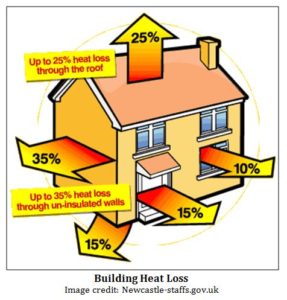
Your roof is one of the biggest sources of heat entering your home. Adding insulation in the attic or under the roof can prevent heat from radiating down into your living spaces. Materials like fiberglass or foam boards work well and are easy to install if you want a DIY project. How much heat do you think escapes through your roof right now?
Use Reflective Paint
Applying reflective paint on your roof or exterior walls can bounce sunlight away, reducing heat absorption. This simple step lowers indoor temperatures without heavy equipment or major renovations. Reflective coatings are especially useful in sunny climates where direct sunlight can quickly warm up your house.
Incorporate Greenery
Plants around your home provide shade and cool the air naturally. Greenery blocks sunlight and lowers the temperature inside. Trees and vines also reduce heat by creating a cooler environment outdoors.
Reducing heat in your house can be as simple as adding greenery. Not only does this improve aesthetics, but it also cools your environment naturally. By strategically placing plants, you can create a cooler, more comfortable living space.Plant Shade Trees
Imagine a hot summer day, and you’re sitting under the lush canopy of a shade tree. The temperature beneath is significantly cooler, right? Planting shade trees around your home can drastically reduce the amount of heat entering through windows and walls. Choose fast-growing species like oak or maple for quicker results. Position them strategically to block the harsh afternoon sun, and enjoy a cooler home with a touch of nature.Use Indoor Plants
Indoor plants are more than just decorative pieces. They can effectively reduce the temperature of your home. Plants like ferns, snake plants, and peace lilies not only cool the air but also purify it. Place them in sunny spots, and let them do the work of shading and cooling. Have you noticed how a room with plants feels fresher and more inviting?Create Green Roofs
A green roof is an innovative way to cool your house while being eco-friendly. By covering your roof with vegetation, you create an insulating layer that absorbs sunlight and reduces heat. This can significantly lower indoor temperatures, especially in urban areas. If you’re thinking about a sustainable way to beat the heat, why not consider a green roof? It’s a win-win for both your home and the environment.Change Daily Habits
Changing daily habits can make a surprising difference in reducing heat inside your home. Small adjustments in how you use appliances, schedule activities, and take care of yourself can keep your living space cooler without relying heavily on air conditioning. These shifts not only save energy but also help you feel more comfortable throughout the day.
Limit Heat-generating Appliances
Appliances like ovens, dryers, and even some electronics produce a lot of heat. Try to minimize using them during the hottest parts of the day, especially in the afternoon. Instead, opt for appliances that don’t add warmth, like microwaves or slow cookers, which keep your kitchen cooler.
Have you noticed how much heat your laptop or gaming console gives off? Turning off or unplugging these devices when not in use can lower indoor temperatures. Even switching to LED bulbs reduces heat compared to traditional incandescent lights.
Cook During Cooler Hours
Cooking generates significant heat, so shifting meal preparation to early morning or late evening can keep your home cooler. This habit helped me avoid the afternoon oven heat, making a big difference during hot summers. Using no-cook meals or grilling outside are also great alternatives.
Can you plan your weekly meals around cooler hours? Preparing breakfast or dinner during cooler times reduces heat buildup and keeps your kitchen more bearable. Think cold salads, smoothies, or quick stir-fries that don’t require long cooking times.
Stay Hydrated
Drinking plenty of water helps your body handle heat better and keeps you feeling refreshed. When your body is well-hydrated, you sweat more efficiently, naturally cooling you down. Keep a water bottle nearby to remind yourself to drink regularly.
Have you tried cooling your water or adding fresh mint and lemon for a refreshing twist? Small changes like these make hydration enjoyable and easier to maintain. Staying hydrated also reduces the temptation to turn up the air conditioner.

Credit: www.furnaceprices.ca
Frequently Asked Questions
How Can I Keep My House Cool Without Ac?
Use fans, close curtains, and open windows at night. Plant shade trees and use reflective window films. These methods reduce heat naturally and save energy.
What Are The Best Window Treatments To Reduce Heat?
Install blackout curtains, reflective blinds, or solar shades. They block sunlight and reduce heat gain effectively. Choose light colors for better heat reflection.
Does Insulation Help Reduce Heat In Summer?
Yes, proper insulation keeps indoor temperatures stable. It prevents heat from entering your home. Insulation in walls and attic is especially effective.
Can Houseplants Reduce Indoor Temperature?
Houseplants increase humidity and provide shade indoors. They cool the air slightly through transpiration. Place plants near windows for best cooling effect.
Conclusion
Keeping your house cool takes simple steps and care. Use curtains to block sunlight during hot hours. Open windows early morning and late evening for fresh air. Planting trees near your home helps shade and cool the air. Choose light-colored curtains and furniture to reflect heat.
Small changes can lower your home’s temperature and save energy. Stay comfortable and enjoy a cooler living space all summer long.



