
Is your house turning into an oven every time the temperature rises? You’re not alone, and the good news is—you don’t have to suffer through the heat.
Imagine walking into your home and feeling instantly refreshed without cranking up the air conditioner or spending a fortune on energy bills. You’ll discover simple, effective ways to cool your house down and create a comfortable space for you and your family.
Keep reading, because the secrets to a cooler home are easier than you think—and they start right here.
Use Fans Strategically
Using fans strategically can make a big difference in cooling your home effectively without driving up energy bills. Fans don’t actually lower the room temperature but help your body feel cooler by improving air circulation. Knowing how and where to place different types of fans can maximize their cooling effect and keep your living spaces comfortable.
Ceiling Fans Direction
Ceiling fans should spin counterclockwise during warm months to push air downward, creating a cooling breeze. This airflow helps evaporate sweat from your skin, making you feel cooler instantly. If you notice your fan spinning clockwise, reverse its direction using the switch on the fan’s motor housing.
Remember to set the fan speed to medium or high for the best cooling effect. Running ceiling fans in empty rooms wastes energy since they don’t actually cool the air. Have you checked your fan’s direction this season?
Portable Fans Placement
Portable fans are great for targeting specific areas where you spend the most time. Place them near windows to pull in cooler outdoor air during the evening or night. Alternatively, position them across from windows to push hot air out, especially in rooms without ceiling fans.
For personal cooling, point a fan directly at you or your work area. Avoid setting fans behind you as the airflow won’t reach your body. Have you tried placing a bowl of ice in front of a portable fan? It can add an extra chill to the air blowing toward you.
Cross Ventilation Techniques
Cross ventilation uses fans and open windows to create airflow that replaces hot indoor air with cooler outside air. Open windows on opposite sides of a room or house and place fans facing out on the hotter side to push warm air outside. On the cooler side, use fans facing inward to pull fresh air in.
This technique works best during cooler parts of the day, such as early morning or late evening. It’s a natural and energy-efficient way to cool your home if you time it right. Have you noticed how fresh air changes the feel of a room compared to just circulating the same stale air?
Optimize Window Usage
Optimizing window usage is one of the most effective ways to keep your house cool without relying heavily on air conditioning. Windows can be both an entry point for heat and a way to release it, depending on how you manage them. Small adjustments to your window habits can make a noticeable difference in indoor temperature.
Shading With Curtains And Blinds
Using curtains and blinds strategically can block out the sun’s heat before it enters your home. Thick, light-colored curtains reflect sunlight, while blackout blinds provide an extra layer of protection against heat. Have you noticed how closing curtains in the afternoon keeps your room noticeably cooler?
Try combining different types of window coverings to match the sun’s position throughout the day. For example, sheer curtains can soften light in the morning, and heavy curtains can block harsh afternoon rays. This simple habit reduces the need for cooling devices.
Opening Windows At Night
Cool night air is a natural way to lower indoor temperatures. Opening windows after sunset allows heat trapped inside during the day to escape. This creates a fresh airflow that helps cool your house down by morning.
Consider cross-ventilation by opening windows on opposite sides of your home. This encourages air to move freely and pushes out warm air. Have you tried leaving your windows open overnight and waking up to a cooler room?
Sealing Leaks To Keep Heat Out
Even small gaps around windows can let hot air sneak inside, making your cooling efforts less effective. Sealing these leaks with weatherstripping or caulk can block unwanted heat and improve energy efficiency. It’s a simple fix that can save you money on energy bills.
Check for drafts by running your hand around window edges on a warm day. If you feel air coming in, sealing it should be a priority. Would you be surprised how much cooler your home feels after sealing just a few leaks?
Control Heat Sources
Controlling heat sources inside your home helps keep temperatures low. Many everyday items add heat without you noticing. Reducing these heat gains can make your home feel cooler and more comfortable. Small changes in how you use appliances and lighting have a big effect. Cooking habits also play a role in managing indoor heat.
Limit Appliance Use
Appliances like dryers, ovens, and computers generate heat. Turn them off when not in use. Use appliances during cooler times of the day. Air-dry clothes instead of using a dryer. Avoid running multiple heat-producing devices at once. These steps reduce extra heat inside your home.
Switch To Energy-efficient Lighting
Incandescent bulbs produce a lot of heat. Replace them with LED or CFL bulbs. Energy-efficient bulbs use less electricity and stay cool. They lower the indoor temperature and save money on energy bills. Light rooms only when needed to prevent unnecessary heat.
Cook Outside Or During Cooler Hours
Cooking creates steam and heat that raise indoor temperatures. Use a grill or outdoor stove to keep heat outside. Prepare meals in the early morning or late evening. Avoid using the oven during the hottest part of the day. This keeps your kitchen and home cooler naturally.

Credit: shop.solatube.com
Enhance Airflow
Enhancing airflow is a simple yet effective way to cool your house without relying heavily on air conditioning. By improving how air moves through your home, you can reduce heat buildup and create a more comfortable environment. Let’s look at practical ways to boost airflow and keep your space feeling fresh and cool.
Create Air Pathways
Think of your home as a system that needs clear routes for air to travel. Open windows on opposite sides of your rooms to allow fresh air to flow in and warm air to escape. This cross-ventilation makes a noticeable difference, especially during cooler parts of the day.
Try arranging your furniture so it doesn’t block these air pathways. Even small adjustments, like moving a chair away from a window, can improve airflow significantly. Have you noticed how a breeze feels stronger when nothing is in its way?
Use Exhaust Fans
Exhaust fans are great for pulling hot air out of your home. Kitchen and bathroom fans remove moisture and heat, preventing stuffiness. Running them during and after cooking or showering keeps the air fresh and cooler.
If you don’t have exhaust fans, consider installing one in rooms that tend to trap heat. Even a simple window fan placed facing outward can act as an exhaust, drawing warm air out effectively. What spaces in your home feel the hottest and could benefit from this?
Keep Interior Doors Open
Closing doors can trap warm air in rooms, making them hotter than the rest of your house. Keep interior doors open to let air circulate freely from room to room. This helps equalize the temperature and prevents hot spots.
When I started leaving doors open during summer, I noticed cooler air moving through my home faster. It’s a quick change that costs nothing but makes a big impact. Which rooms do you usually keep closed off that might benefit from better airflow?
Apply Cooling Techniques
Applying effective cooling techniques can greatly enhance comfort during hot days. These methods are simple and efficient. They help maintain a pleasant indoor environment without heavy costs. Let’s explore some practical ways to cool your house.
Use Cold Compresses
Cold compresses provide quick relief from heat. Wet a washcloth with cold water. Place it on your forehead or wrists. It cools down body temperature fast. Repeat as needed for comfort.
Set Up Diy Air Coolers
Create a simple air cooler with a fan and ice. Place a bowl of ice in front of a fan. The fan blows cool air from the ice around the room. This method is easy and cost-effective. It provides instant cooling relief.
Utilize Houseplants For Cooling
Houseplants are natural air conditioners. They absorb heat and release moisture. Place plants like ferns and palms around your house. They keep the air fresh and cool. This method adds a touch of nature to your home. Consider this eco-friendly cooling option.

Credit: coastalhomeservicesinc.com
Insulate And Reflect
Keeping your house cool doesn’t have to rely solely on air conditioning. Insulating and reflecting heat can make a huge difference in maintaining a comfortable indoor temperature while reducing energy bills. These simple, effective measures help block heat from entering your home and keep the cool air inside.
Install Reflective Window Films
Reflective window films act like a shield against the sun’s heat. By applying these films to your windows, you can reduce solar heat gain by up to 80%. This means less heat enters your rooms, so your cooling system doesn’t have to work as hard.
I’ve installed reflective films on my living room windows, and the difference was noticeable within a day—no more afternoon heat waves hitting my space. These films also protect your furniture from fading and provide additional privacy.
Add Weather Stripping
Gaps around doors and windows let hot air sneak into your home and cool air escape. Adding weather stripping seals these gaps, improving insulation and keeping your indoor temperature stable.
You can easily install weather stripping yourself using adhesive-backed foam or rubber strips. It’s a low-cost fix that makes a big impact on comfort and energy savings. Have you checked your doors and windows for drafts lately?
Use Thermal Curtains
Thermal curtains are designed to block heat and sunlight before it enters your home. Unlike regular curtains, these have a special lining that insulates against heat and cold.
Closing thermal curtains during the hottest parts of the day can drop indoor temperatures noticeably. I keep mine drawn on sunny afternoons, and it’s like having an extra layer of insulation. They also add style while improving comfort—why not give them a try?
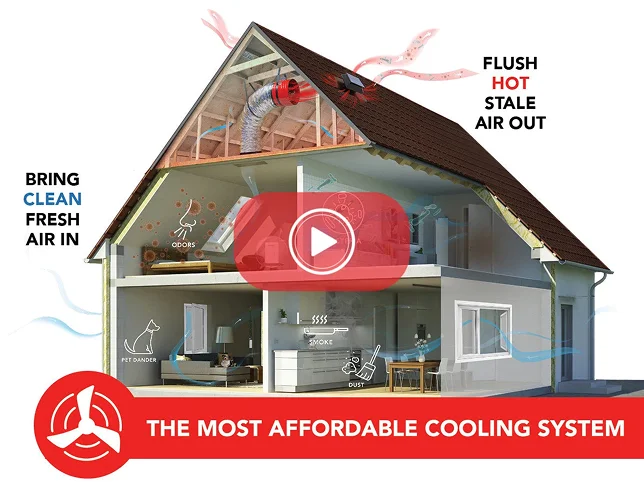
Credit: www.wecareroyalaire.com
Frequently Asked Questions
How Can I Cool My House Without Air Conditioning?
Use fans to circulate air and open windows at night. Close curtains during the day to block heat. Use natural ventilation and shade outdoor areas to keep your home cooler.
What Are The Best Plants To Cool A House Naturally?
Plants like ferns, palms, and succulents help cool your home. They release moisture and provide shade, reducing indoor temperature. Place them near windows or in sunny rooms for maximum effect.
Does Sealing Windows Help Keep The House Cool?
Yes, sealing windows prevents hot air from entering and cool air from escaping. Use weather stripping or caulking to improve insulation. This reduces energy costs and maintains a consistent indoor temperature.
Can Using Light-colored Curtains Cool My House?
Light-colored curtains reflect sunlight and reduce heat absorption. They keep rooms cooler by blocking direct sunlight. Choose thick, reflective materials for better cooling results.
Conclusion
Keeping your home cool does not have to be hard or costly. Small changes like closing blinds and using fans help a lot. Planting trees or adding shade can keep heat away. Remember to seal windows and doors to stop warm air.
Try these easy tips to stay comfortable indoors. Your house will feel cooler and your energy bills lower. Stay cool, save money, and enjoy your home all summer long. Simple steps make a big difference every day.



