
Are you curious about how much you can earn as an HVAC technician? Whether you’re thinking about starting a career in this field or looking to compare your current salary, knowing the average pay can help you make smart decisions.
You’ll discover the typical salary ranges, what factors can boost your income, and how your skills and location might affect your paycheck. By the end, you’ll have a clear picture of what to expect and how to maximize your earnings in the HVAC industry.
Keep reading to find out more!
Hvac Technician Salary Basics
Understanding the basics of HVAC technician salaries helps set realistic expectations. Wages vary based on experience, location, and skills. Salary ranges reflect the demand for qualified HVAC professionals.
This section breaks down salary levels for entry-level and experienced technicians. It also explains key factors that influence pay rates in this trade.
Entry-level Earnings
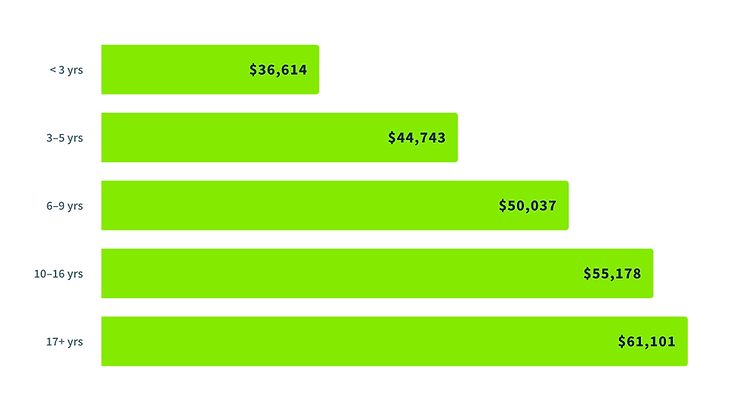
New HVAC technicians usually start with lower wages. Entry-level salaries often range from $30,000 to $40,000 per year. This depends on the region and company size. Apprenticeships and training programs may pay hourly wages near minimum wage. Over time, skills improve, leading to better pay.
Experienced Technician Pay
Experienced HVAC technicians earn significantly more. Salaries typically range from $45,000 to $65,000 annually. Skilled technicians with certifications may earn over $70,000. Those working in commercial or industrial HVAC systems often receive higher pay. Experience brings greater responsibility and complex job tasks.
Factors Influencing Salary
- Location:Urban areas usually offer higher wages due to demand.
- Certifications:EPA and NATE certifications increase earning potential.
- Company size:Large companies may pay more benefits and bonuses.
- Specialization:Expertise in refrigeration or green technologies can boost salary.
- Work hours:Overtime and emergency calls increase total income.
Salary By Location
Salary for HVAC technicians varies widely by location. Different states and areas offer different pay scales based on demand and cost of living. Understanding these differences helps technicians plan their careers better.
High-paying States
States like Alaska, California, and Massachusetts offer some of the highest wages for HVAC technicians. These places have strong demand and higher living costs. For example:
- Alaska: Average salary around $70,000 per year
- California: Average salary near $65,000 per year
- Massachusetts: Average salary about $63,000 per year
These states often require skilled workers and offer competitive pay to attract talent.
Urban Vs Rural Differences
Urban areas usually pay more than rural regions. Cities have more businesses and homes needing HVAC services. This creates steady work and higher wages. Rural areas might pay less, but often have less competition. The choice depends on lifestyle and job opportunities.
Regional Demand Impact
Regions with extreme weather show higher demand for HVAC services. The South and Southwest see more work due to heat, raising salaries. Cold regions in the North need heating systems, which also boosts demand. Salaries reflect how much work is available throughout the year.
Salary By Industry
Average salaries for HVAC technicians vary by industry and location. Typically, wages range from $40,000 to $60,000 per year. Experience and certifications often influence higher pay within this field.
Understanding the salary dynamics of HVAC technicians across various industries can offer you valuable insights into potential career paths. Different sectors have varying demands and compensation packages, and knowing these distinctions can guide your career decisions. Let’s explore how salaries vary across residential, commercial, and industrial sectors.Residential Hvac Salaries
In the residential sector, HVAC technicians are often the go-to experts for homeowners needing reliable heating and cooling solutions. The salary here might not be the highest, but job stability and close client interactions often compensate for it. You can expect to earn an average salary ranging from $40,000 to $50,000 annually, depending on your experience and location.Commercial Hvac Pay
Commercial HVAC work involves maintaining systems in office buildings, retail spaces, and other business environments. This sector tends to offer higher salaries due to the complexity of the systems and the scale of the projects. As a commercial HVAC technician, you could earn anywhere from $50,000 to $65,000 per year, with potential for overtime pay.Industrial Sector Earnings
The industrial sector presents a lucrative opportunity for those with specialized skills. Working in factories and large facilities, you deal with more complex and large-scale systems. This expertise is rewarded with salaries that can exceed $70,000 annually, making it a highly attractive field for ambitious HVAC technicians. Are you considering which industry aligns best with your career goals? Each sector offers unique benefits and challenges, so think about what matters most to you in your professional journey.
Credit: www.ziprecruiter.com
Education And Certification Impact
Education and certification greatly influence the average salary of an HVAC technician. Employers often prefer candidates with proper training and recognized credentials. These factors affect job opportunities and pay rates in the HVAC field.
Effect Of Formal Training
Formal training builds essential skills needed for HVAC work. Technical schools and community colleges offer programs that cover heating, cooling, and refrigeration basics. Well-trained technicians solve problems faster and work more efficiently. This skill level often results in higher wages compared to those without formal education.
Certification Benefits
Certifications prove a technician’s knowledge and skill. Certifications like EPA Section 608 are mandatory for handling refrigerants. Other certifications from industry groups boost credibility. Certified technicians usually command better salaries and job security. Employers trust certified workers more, leading to better pay and benefits.
Continuing Education Role
Technology in HVAC changes rapidly. Continuing education helps technicians stay current with new tools and methods. Regular training maintains and improves skills. This ongoing learning can lead to promotions and salary increases. Employers value workers who keep their knowledge updated.
Overtime And Additional Benefits
Working as an HVAC technician often means more than just the base salary. Overtime hours and extra benefits can significantly boost your overall earnings. Understanding these aspects helps you make smarter career choices and negotiate better pay.
Overtime Pay Trends
Many HVAC technicians find that overtime is a regular part of the job, especially during extreme weather seasons. Employers typically pay 1.5 times the regular hourly rate for overtime work. This can add up quickly, sometimes increasing your annual income by thousands of dollars.
Have you considered how working a few extra hours each week could impact your paycheck? Keep in mind, though, that consistent overtime might affect your work-life balance.
Bonuses And Incentives
Bonuses are another way HVAC technicians can increase their earnings. Some companies offer performance-based bonuses for meeting service targets or completing projects ahead of schedule.
You might also find incentives like referral bonuses or seasonal rewards. These perks reward your hard work and can make your job more rewarding beyond just the hourly wage.
Health And Retirement Benefits
Health insurance is a key benefit many HVAC employers provide. Coverage often includes medical, dental, and vision plans, which can save you significant money on healthcare costs.
Retirement plans like 401(k)s with company matching also add long-term value to your compensation. These benefits give you financial security that goes beyond your paycheck, supporting your future well-being.

Credit: www.ziprecruiter.com
Future Salary Trends
The future of HVAC technician salaries looks promising. Changes in the job market and technology will shape pay rates. Understanding these trends helps technicians plan their careers.
Job Market Projections
Demand for HVAC technicians is expected to grow steadily. More buildings require heating and cooling systems. This growth leads to more job openings and better pay. Areas with extreme climates show higher demand. Technicians in these regions often earn more.
Technological Advancements
New HVAC technologies are changing the industry. Systems now use smart controls and energy-efficient parts. Technicians who know these systems get higher wages. Technology skills will be key to future salary increases. Staying updated on new tools benefits technicians.
Skills In Demand
Employers value technicians with diverse skills. Important skills include:
- Installation and repair of modern HVAC systems
- Understanding of smart and automated controls
- Energy efficiency and environmental knowledge
- Strong troubleshooting abilities
Technicians with these skills often earn above-average salaries. Certifications and ongoing training boost pay potential. Focusing on skill growth leads to better career opportunities.

Credit: www.reddit.com
Frequently Asked Questions
What Is The Average Salary For An Hvac Technician?
The average HVAC technician salary in the U. S. is about $50,000 per year. Pay varies by experience, location, and certification level.
How Does Experience Affect Hvac Technician Salaries?
Experienced HVAC technicians earn higher wages. Entry-level technicians start lower, but salaries increase with skills and years in the field.
What Factors Influence Hvac Technician Pay Rates?
Location, certification, company size, and specialization impact HVAC technician salaries. Urban areas and advanced certifications usually offer better pay.
Are Hvac Technician Salaries Higher With Certifications?
Yes, certifications like EPA or NATE typically lead to higher salaries. They prove expertise and increase job opportunities.
Conclusion
The average salary for an HVAC technician varies by location and experience. Many factors affect how much a technician can earn. Skills, certifications, and job demand play important roles. This career offers steady income and chances to grow. For those who enjoy hands-on work, it can be rewarding.
Understanding the pay helps in planning your future well. Keep learning to increase your value and salary. HVAC work stays in demand, offering job security. A clear idea about wages makes career choices easier.



