
When it comes to your home or workspace, the right ventilation system can make all the difference. But how do you know which features truly matter?
You want fresh air without wasting energy, a system that runs quietly, and one that keeps your environment healthy. Choosing the right ventilation isn’t just about comfort—it’s about your well-being and saving money in the long run. Keep reading to discover which features you should look for to make the smartest choice for your space.
Key Features Of Ventilation Systems
Choosing the right ventilation system depends on several key features. These features affect comfort, health, and energy use. Understanding them helps select a system that works best for any space.
Airflow Efficiency
Airflow efficiency means moving the right amount of air quickly and evenly. Good airflow keeps rooms fresh and prevents stale air pockets. Efficient systems balance air intake and exhaust to maintain comfort.
Energy Consumption
Low energy use saves money and reduces environmental impact. Ventilation systems with energy-efficient motors and controls consume less power. This feature is vital for long-term cost savings and sustainability.
Noise Levels
Quiet operation improves comfort and productivity. Noisy fans or ducts can distract or disturb occupants. Quality ventilation systems use soundproofing and smooth airflow to reduce noise significantly.
Filtration Quality
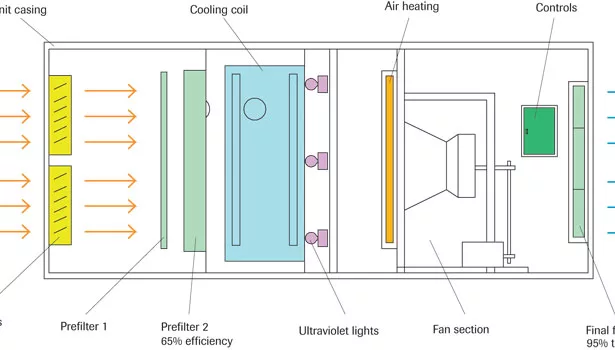
Good filters remove dust, pollen, and harmful particles. High filtration quality improves indoor air by capturing pollutants. This feature is important for allergy sufferers and maintaining a healthy environment.
Types Of Ventilation Systems
Understanding the types of ventilation systems can help you choose the right one for your space. Each system has its strengths and fits different needs, climates, and building designs. Knowing how they work makes it easier to decide what features matter most for your comfort and air quality.
Natural Ventilation
Natural ventilation uses windows, vents, and openings to allow fresh air to flow inside without any mechanical help. It’s energy-efficient and often the simplest way to keep air moving. But, it depends heavily on weather and building layout, which can limit its effectiveness during extreme temperatures or pollution.
Have you noticed how a breeze through open windows can instantly make a room feel fresher? That’s natural ventilation at work, but it won’t control humidity or filter out allergens.
Mechanical Ventilation
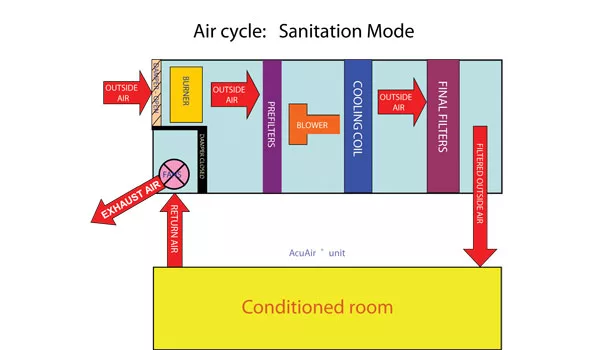
Mechanical ventilation uses fans and ducts to control airflow actively. It helps maintain a consistent air exchange regardless of outdoor conditions. This system can include filters to improve air quality and controls to manage humidity and temperature.
Installing a mechanical system can be an upfront investment, but it offers reliable performance. Think about spaces like bathrooms or kitchens where moisture and odors need constant removal—mechanical ventilation excels here.
Hybrid Systems
Hybrid ventilation combines natural and mechanical methods to maximize benefits. It uses natural airflow when conditions are good and switches to mechanical support when needed. This approach can save energy while keeping indoor air quality high.
Imagine a system that opens vents on cool days and turns on fans during hot or polluted times. Hybrid systems offer flexibility, adapting to your environment and lifestyle without compromising comfort.
Health And Safety Benefits
Ventilation systems play a vital role in maintaining a safe and healthy indoor environment. They help remove harmful substances and bring in fresh air. This improves comfort and lowers health risks for everyone inside. Proper ventilation reduces the chance of illnesses caused by poor air quality.
Improved Air Quality
A good ventilation system brings fresh air inside and pushes out stale air. This process removes odors and harmful gases. It lowers the concentration of carbon dioxide, keeping the air breathable. Fresh air helps people feel more alert and reduces headaches and fatigue.
Reduction Of Allergens And Pollutants
Ventilation systems filter out dust, pollen, and pet dander. These are common allergens that cause sneezing and coughing. Removing these particles reduces allergy symptoms and improves breathing for sensitive people. It also cuts down on indoor pollutants from cooking, smoking, and chemicals.
Moisture And Mold Control
Ventilation controls moisture levels indoors by removing excess humidity. This prevents dampness, which can cause mold to grow. Mold spores harm the lungs and trigger asthma attacks. Proper ventilation keeps the air dry and safe, protecting health and building structures.
Credit: www.foodengineeringmag.com
Installation And Maintenance Considerations
Choosing the right ventilation system goes beyond just performance. Installation and maintenance play a huge role in how effective and cost-efficient your system will be over time. It’s important to think about how easy it is to set up and keep running smoothly before making a decision.
Ease Of Installation
You want a ventilation system that doesn’t require a team of specialists or days of work to install. Systems designed for straightforward setup save you time and money on labor costs. Ask yourself: can this be installed with minimal disruption to my home or workspace?
Systems with modular components or clear instructions often make installation faster. Also, consider if the system fits your existing ductwork or if additional modifications are needed. The less hassle during installation, the quicker you’ll enjoy cleaner air.
Maintenance Frequency
How often will you need to service your ventilation system? Some models require monthly filter changes, while others can go several months without attention. Frequent maintenance can be a burden, especially if access to components is difficult.
Look for systems with easily accessible filters and parts that can be replaced or cleaned without professional help. This can save you from unexpected costs and downtime. Think about your schedule—do you have the time to maintain it regularly?
Durability And Lifespan
Durability directly affects how long your ventilation system will serve you well. A system built with quality materials can last over a decade with proper care. Cheaper units might save money upfront but often need replacement sooner.
Consider the warranty and reputation of the brand as indicators of durability. Would you rather invest a bit more now to avoid the hassle of frequent repairs or replacements later? A durable system not only ensures consistent air quality but also reduces long-term expenses.
Cost Factors And Energy Savings
Understanding the cost factors and energy savings of a ventilation system can help you make a smarter choice. It’s not just about the upfront price; you need to think about what you’ll spend over time and how much energy you can save. This balance impacts your budget and the environment, so it’s worth paying attention to the details.
Initial Investment
The initial cost of a ventilation system includes the price of the unit and installation fees. Some advanced systems may seem expensive at first but offer better long-term value. Have you considered how a higher upfront cost might save you money down the road?
Choosing a system with energy-efficient components often raises the initial price. However, these systems usually last longer and perform better, reducing the need for repairs. Think of it as investing in quality to avoid frequent replacements.
Operational Costs
Operational costs cover energy use, maintenance, and repairs over time. Efficient ventilation systems can significantly cut electricity bills by using less power to operate. What if your ventilation system could lower your monthly expenses without sacrificing comfort?
Maintenance costs vary based on system complexity and filter replacements. Simple designs often mean fewer breakdowns and cheaper upkeep. Keeping an eye on these costs helps avoid surprises in your budget.
Incentives And Rebates
Many governments and utility companies offer incentives to encourage energy-saving home improvements. You might qualify for rebates or tax credits when you install an efficient ventilation system. Have you checked if your area provides such financial benefits?
These incentives can lower the initial investment and shorten the payback period. Sometimes, they cover a significant portion of the cost, making premium systems more accessible. Taking advantage of these offers can make a big difference in your final expenses.
Credit: www.foodengineeringmag.com
Technological Innovations
Efficient air flow and energy-saving operation are key features in a good ventilation system. Quiet performance and easy maintenance also make systems more desirable for homes and offices.
Technological innovations have transformed modern ventilation systems into efficient, intelligent, and user-friendly solutions. These advancements not only improve air quality but also make managing indoor environments more convenient and energy-efficient. Let’s delve into some of the key technological features that are reshaping ventilation systems today.Smart Controls
Smart controls make managing your ventilation system a breeze. Imagine adjusting your home’s air quality right from your smartphone, even when you’re miles away. With smart controls, you can set schedules, receive maintenance alerts, and monitor system performance effortlessly. This means you can always ensure optimal air quality while saving energy, even if you’re not physically present.Energy Recovery Ventilators
Energy Recovery Ventilators (ERVs) are game-changers in energy efficiency. They capture and reuse energy from outgoing air to condition incoming air, reducing the overall energy required to maintain comfortable indoor temperatures. By using an ERV, you not only save on energy bills but also reduce your carbon footprint. Who wouldn’t want a system that pays for itself over time while helping the environment?Air Quality Sensors
Air quality sensors are your home’s health monitors. They detect pollutants, humidity, and temperature levels, providing real-time data on the air you breathe. With this information, your ventilation system can automatically adjust to ensure a healthy indoor environment. Have you ever considered how much time you spend indoors? Ensuring the air quality is optimal can significantly impact your well-being and productivity.
Credit: www.rokhardware.com
Frequently Asked Questions
What Are The Key Features Of An Effective Ventilation System?
An effective ventilation system ensures good airflow, removes pollutants, controls humidity, and maintains indoor air quality. It should be energy-efficient and easy to maintain.
Why Is Energy Efficiency Important In Ventilation Systems?
Energy efficiency reduces operational costs and environmental impact. Efficient systems use less power while maintaining optimal airflow and air quality.
How Does Ventilation Control Indoor Air Quality?
Ventilation replaces stale indoor air with fresh outdoor air, removing contaminants and moisture. This process prevents mold, allergens, and odors, promoting healthier living spaces.
What Role Does Humidity Control Play In Ventilation?
Humidity control prevents excess moisture, reducing mold growth and structural damage. Proper ventilation balances indoor humidity for comfort and health.
Conclusion
Good ventilation systems keep air fresh and healthy inside. They remove pollutants and control humidity well. Quiet operation and energy efficiency save money and add comfort. Easy maintenance helps the system last longer and work better. Choosing the right features makes your space safer and more pleasant.
Remember, a good ventilation system improves your quality of life every day. Think smart and pick features that suit your needs best. Clean air matters.



