
Have you ever wondered what happens behind the scenes when you turn on your heating system? Understanding how HVAC heating works can help you feel more comfortable in your home and even save money on energy bills.
You’ll discover the simple steps your heating system takes to warm your space. By the time you finish reading, you’ll know exactly how your heater keeps you cozy during the cold months—and how to make the most of it. Ready to uncover the secrets of your HVAC heating?
Let’s dive in.
Basics Of Hvac Heating
Understanding the basics of HVAC heating helps explain how homes stay warm. HVAC heating systems create heat and spread it through buildings. They keep indoor spaces comfortable during cold weather. These systems work by using different parts that work together. Each part plays a role in producing and moving heat.
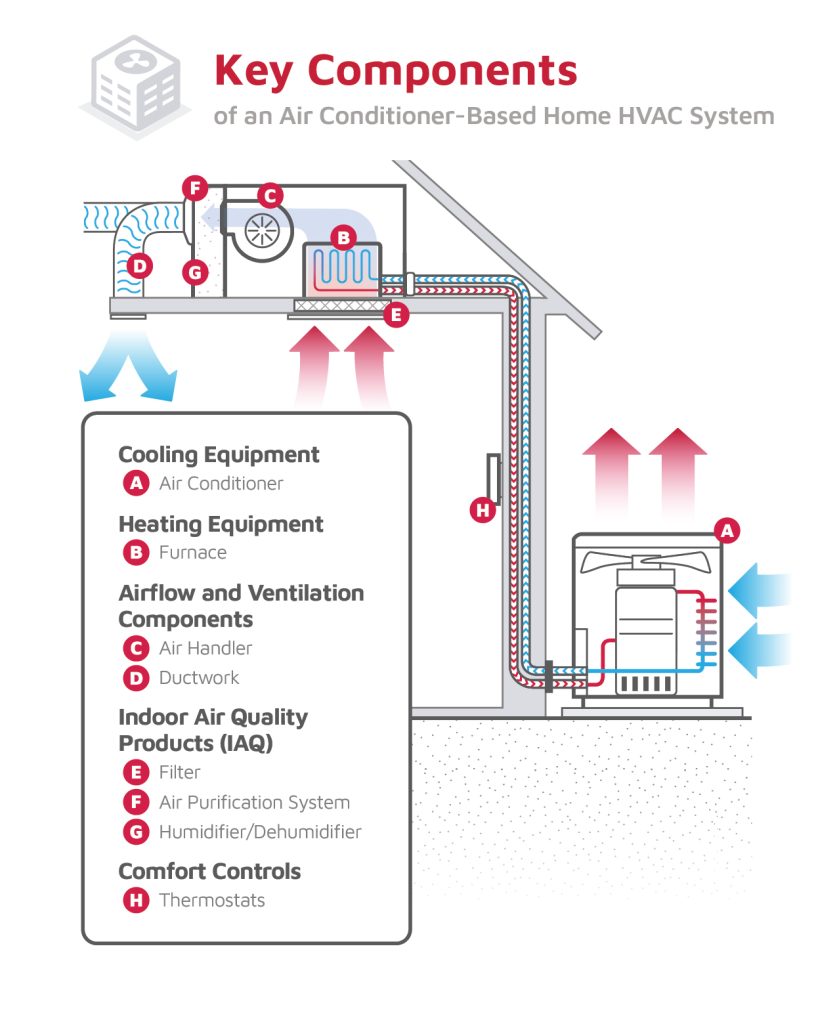
Components Of Hvac Heating Systems
Several key parts make up an HVAC heating system. These include:
- Furnace:Produces heat by burning fuel or using electricity.
- Heat exchanger:Transfers heat from the furnace to the air.
- Blower fan:Pushes warm air through the ducts and into rooms.
- Thermostat:Controls when the system turns on and off based on temperature.
- Ductwork:Channels warm air to different parts of the building.
- Air filter:Cleans the air before it circulates.
Types Of Heating Methods
HVAC systems can use different ways to produce heat. Common heating methods include:
- Forced air heating:Uses a furnace and blower to move warm air through ducts.
- Radiant heating:Heats floors or walls to warm rooms directly.
- Heat pumps:Move heat from outside air into the building, even in cold weather.
- Electric heating:Uses electric coils to generate heat.
- Hydronic heating:Circulates hot water through pipes to heat spaces.

Credit: www.achrnews.com
Heat Generation Techniques
Heat generation is the core of HVAC heating systems. It creates warmth to keep indoor spaces comfortable. Different techniques produce heat using distinct processes and energy sources. Understanding these methods helps explain how your home stays warm during cold days.
Each technique has unique features, efficiency levels, and maintenance needs. The choice depends on climate, fuel availability, and installation costs. Let’s explore the main heat generation techniques used in HVAC systems.
Furnace Operation
A furnace burns fuel to create heat. Common fuels include natural gas, propane, or oil. The burner ignites the fuel, producing hot gases. These gases heat a metal heat exchanger.
Air blows across the heat exchanger, warming up before entering the home. A blower fan moves the warm air through the duct system. The cooled gases exit through a vent or chimney.
Furnaces offer quick heat and work well in very cold climates. Regular maintenance keeps them safe and efficient.
Heat Pump Functionality
Heat pumps move heat rather than generate it. They extract warmth from outside air or the ground. A refrigerant absorbs heat and carries it indoors.
In heating mode, the refrigerant releases heat inside the home. In cooling mode, it reverses to remove heat from indoors. Heat pumps use electricity and are energy efficient.
They work best in mild to moderate climates. Some models include backup heating for very cold weather.
Boiler Mechanism
Boilers heat water to produce steam or hot water. They use natural gas, oil, or electricity as fuel. The heated water or steam travels through pipes to radiators or underfloor systems.
Heat releases from the radiators, warming rooms evenly. Boilers provide gentle, consistent heat and reduce dry air issues.
They require periodic checks to maintain pressure and prevent leaks. Boilers are popular in older homes and areas with cold winters.
Heat Distribution Methods
Heat distribution is key to making your home warm and comfortable. It moves heat from the heating source to every room. Different systems use different ways to spread heat. Understanding these methods helps you choose the best heating for your needs.
Ductwork And Airflow
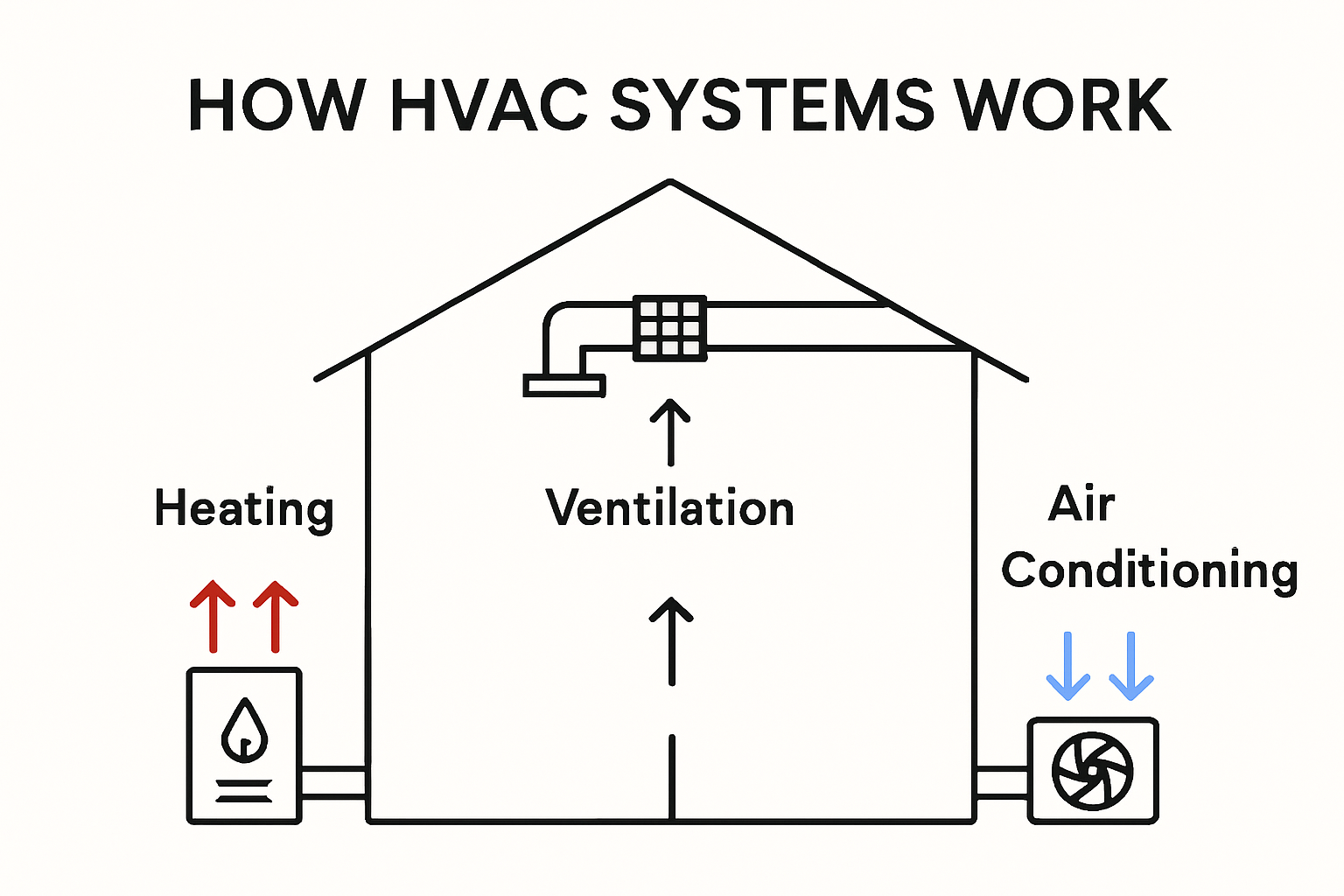
Ductwork carries warm air from the heater through your home. A fan pushes the air inside the ducts to each room. Vents let the warm air out, heating the space quickly. This method works well for forced-air heating systems. It allows easy control of temperature in different rooms.
Radiant Heating Systems
Radiant heating warms surfaces directly, like floors or walls. Heat travels through pipes or electric wires under the floor. The warmth rises naturally, heating the room evenly. This method feels very comfortable because it warms objects and people, not just the air.
Hydronic Heating
Hydronic heating uses hot water to spread heat. A boiler heats the water, which flows through pipes to radiators or baseboards. The radiators then release heat into the rooms. This system is quiet and provides steady, consistent warmth throughout the house.
Credit: projecthvac.com
Thermostat And Control Systems
The thermostat and control systems are the brains behind your HVAC heating. They decide when your heating system should turn on or off, keeping your home comfortable without wasting energy. Understanding how these controls work can help you use your heating system more effectively and save on your bills.
Thermostat Role In Heating
The thermostat measures the temperature inside your home and compares it to the temperature you set. When the room gets colder than your set point, the thermostat signals the heating system to start. Once the room reaches the right temperature, it tells the system to stop heating.
Think about the last time you felt a sudden chill at home and adjusted your thermostat. That simple action triggered your heating system to respond immediately. The thermostat’s job is to maintain balance, preventing your home from becoming too cold or too warm.
Smart Heating Controls
Smart heating controls take the thermostat’s role a step further by learning your schedule and preferences. They adjust heating automatically, so your home is warm when you wake up or return from work, and cooler when you’re away. This can lead to noticeable energy savings.
Have you ever tried a smart thermostat that you control from your phone? It’s not just convenient; it also helps you avoid heating an empty house. These systems often provide detailed reports on your energy use, helping you spot patterns and make better heating decisions.
Energy Efficiency And Maintenance
HVAC heating works by moving warm air through ducts to heat your home efficiently. Regular maintenance keeps systems running smoothly and saves energy. Proper care reduces breakdowns and lowers utility bills.
Understanding how HVAC heating works is crucial for maintaining its energy efficiency and ensuring its longevity. A well-maintained HVAC system not only saves you money on energy bills but also contributes to a comfortable and healthy indoor environment. Let’s explore how you can improve your system’s efficiency and keep it running smoothly with routine maintenance.Improving System Efficiency
Boosting the efficiency of your HVAC system can significantly reduce your energy consumption. Upgrade to a programmable thermostat to better control the heating schedule and reduce wasted energy. Seal ducts properly to prevent air leaks which can lead to energy loss. A friend once mentioned how sealing ducts in his old home reduced his energy bills by 20%—a small change with big results. Consider investing in high-efficiency HVAC units if your current system is outdated. Modern systems are designed with energy-saving features that can be a game-changer for your household expenses.Routine Maintenance Tips
Regular maintenance is key to keeping your HVAC system in top shape. Schedule annual professional check-ups to ensure all components are functioning efficiently. Replace or clean filters every few months. Clogged filters force the system to work harder, consuming more energy. Keep outdoor units free of debris and vegetation to allow proper airflow. It’s surprising how trimming a few branches can prevent major issues down the line. Check for any unusual noises or smells; these can be early indicators of potential problems. Addressing small issues early can prevent costly repairs later. How often do you check your HVAC system? A simple routine can make a big difference in performance and energy savings. Embrace these tips and watch your system thrive.
Credit: www.achrnews.com
Common Heating Issues
Heating systems are built to keep your home warm and comfortable, but they can sometimes run into issues that disrupt their performance. These common heating problems can range from simple fixes you handle yourself to more complex issues needing expert attention. Understanding these problems helps you decide the best way to keep your system running smoothly.
Troubleshooting Heating Problems
When your heating system isn’t working properly, start with basic checks. Is the thermostat set to the right temperature? Sometimes, a simple adjustment can solve the issue.
Next, check the air filters. Dirty filters restrict airflow and reduce heating efficiency. Replacing or cleaning them regularly can prevent many problems.
Have you noticed uneven heating in your rooms? This could mean blocked vents or ducts that need clearing. Also, listen for unusual noises like banging or rattling, which might signal loose parts or debris.
- Check the pilot light or ignition system if your furnace won’t start.
- Ensure the circuit breaker hasn’t tripped if the system is unresponsive.
- Look for any visible signs of damage or leaks around the unit.
These steps often help you identify and fix minor issues quickly. But what if the problem persists?
When To Call A Professional
Some heating problems require professional expertise. If your system repeatedly fails to start or heats inconsistently despite your troubleshooting, it’s time to call a technician.
Major issues like gas leaks, strange odors, or frequent cycling on and off need immediate attention. These problems can affect your safety and should never be ignored.
Regular maintenance by a professional can catch hidden issues before they become serious. Scheduling annual inspections ensures your system is safe, efficient, and ready for cold days.
Ask yourself: are you comfortable handling the problem, or is it safer to bring in a pro? Your heating system is vital—investing in expert care protects your home and peace of mind.
Frequently Asked Questions
How Does Hvac Heating System Work?
HVAC heating works by circulating warm air or water through ducts or pipes. The system uses a furnace or heat pump to generate heat. This heat is then distributed to different rooms, maintaining a comfortable indoor temperature efficiently and evenly.
What Are The Main Types Of Hvac Heating?
The main types include furnaces, heat pumps, boilers, and electric heaters. Furnaces burn fuel to produce heat. Heat pumps transfer heat from outside air. Boilers heat water for radiators. Each type offers different efficiency and installation options.
How Can Hvac Heating Improve Home Energy Efficiency?
Regular maintenance and upgrading to energy-efficient models boost HVAC heating efficiency. Proper insulation and thermostat settings also reduce energy waste. These steps lower utility bills and improve comfort by maintaining consistent indoor temperatures.
Why Is Regular Hvac Heating Maintenance Important?
Regular maintenance ensures the system runs efficiently and lasts longer. It prevents breakdowns, improves air quality, and reduces energy costs. Cleaning filters, checking components, and servicing the system keep heating reliable and safe.
Conclusion
Understanding how HVAC heating works helps you stay warm and save energy. The system moves heat from outside or creates it inside your home. Fans and vents spread warm air evenly in each room. Regular care keeps your heater running smoothly and lasts longer.
Knowing these basics makes choosing and using heating easier. Stay comfortable through cold days with simple HVAC knowledge.



