
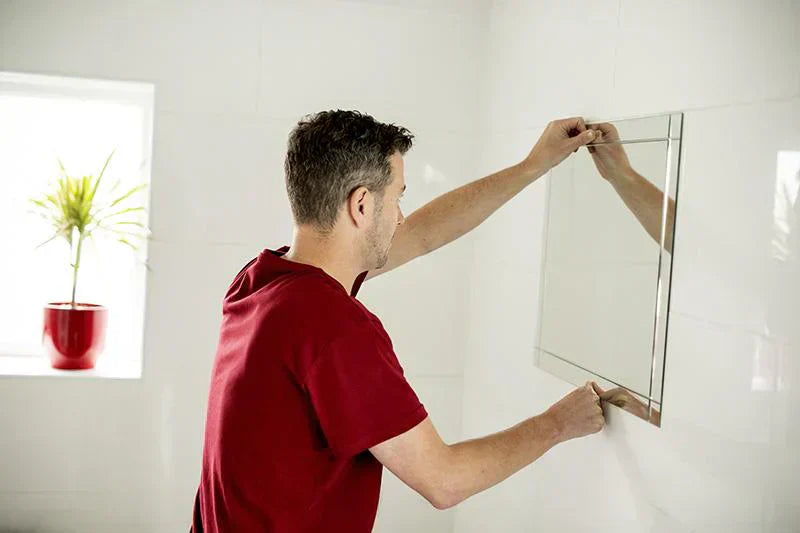
Hanging a mirror on your wall might seem simple, but getting it just right can make a huge difference in how your space looks and feels. You want your mirror to be secure, level, and perfectly placed to brighten your room or add style.
If you’ve ever struggled with crooked mirrors or worried about damaging your walls, this guide is for you. Keep reading, and you’ll learn easy, step-by-step tips to hang your mirror like a pro—no guesswork, no stress. Your walls will thank you!
Choose The Right Mirror
Choosing the right mirror is key to enhancing any room. It affects the room’s look and the ease of hanging it. Pick a mirror that fits the space and style you want to create. Think about how the mirror will blend with your decor and wall size. A well-chosen mirror can brighten the room and add a touch of personality.
Select Mirror Size And Style
Measure the wall space before buying a mirror. A mirror too big or too small can feel off-balance. Choose a size that fits well with your room’s dimensions.
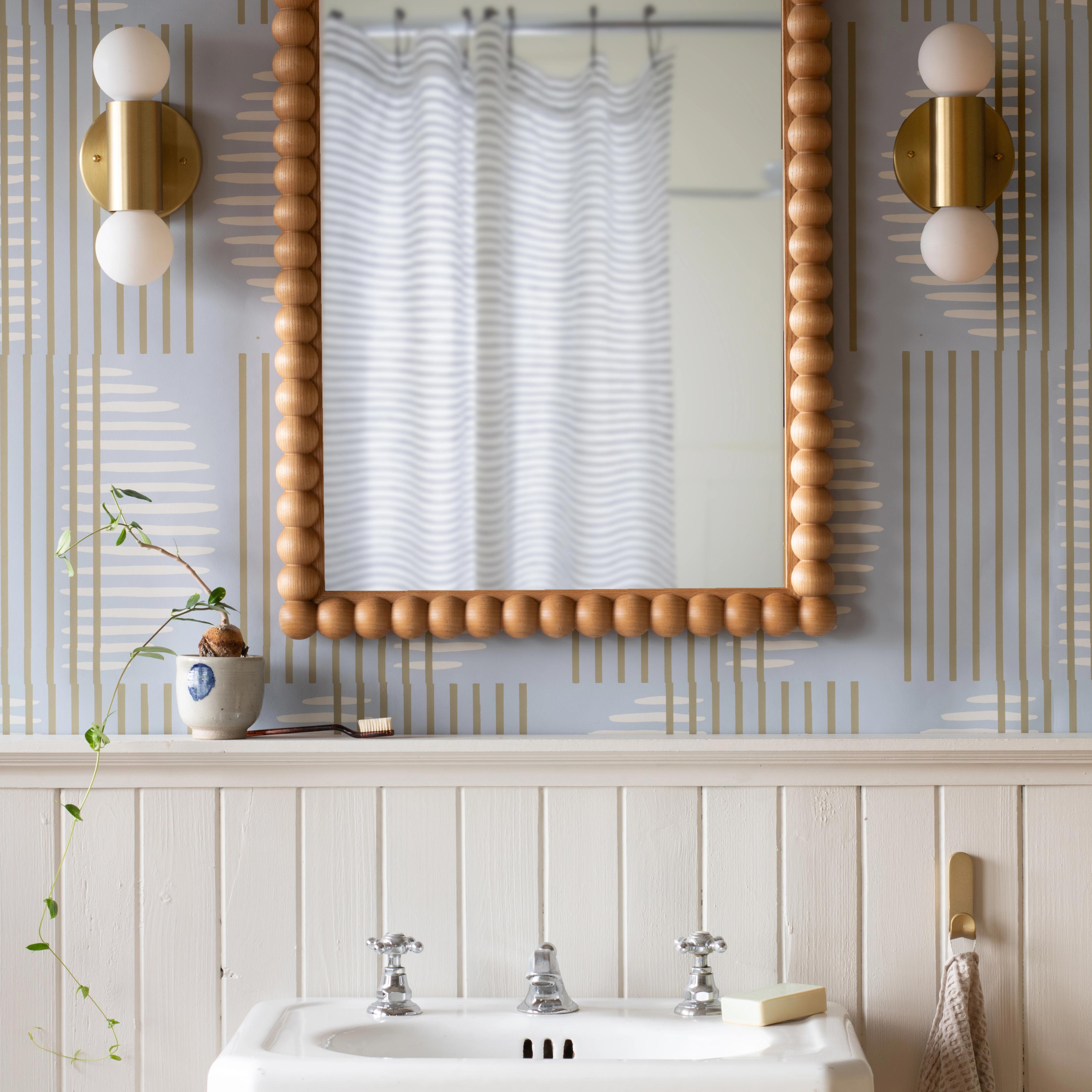
Style matters too. Modern mirrors suit sleek rooms. Vintage or ornate frames work well in classic spaces. Match the mirror style to your room’s design for harmony.
Consider Weight And Frame Material
Heavy mirrors need strong wall supports. Check the mirror’s weight before hanging. This helps you pick the right hooks or anchors.
Frame materials affect weight and look. Wood frames can be heavy but warm. Metal frames may be lighter and modern. Plastic frames are usually light and budget-friendly.
Choose a frame that fits your wall type and supports. This prevents damage and keeps the mirror secure.
Credit: schoolhouse.com
Pick The Ideal Wall Spot
Choosing the perfect spot for your mirror enhances both form and function. The right placement can make a room feel larger and brighter. It also adds a touch of style to your decor. Careful consideration ensures the mirror is both practical and visually appealing.
Find The Best Height
Determine the eye level of most people using the room. This is typically about 60 inches from the floor. If the mirror is above furniture, leave 4 to 6 inches of space above. This creates a balanced look.
Check For Wall Studs
Locate wall studs to provide strong support for heavy mirrors. Use a stud finder to detect these sturdy spots. Mark the stud positions with a pencil to guide your placement. Securing the mirror into a stud ensures it stays firmly in place.
Gather Necessary Tools
Gathering the right tools is key to hanging a mirror safely and neatly. Having everything ready saves time and avoids mistakes. You need hardware for support, measuring tools for accuracy, and safety gear for protection.
List Essential Hardware
- Wall anchors for drywall or plaster walls
- Screws that fit the anchor size
- Mirror hanging brackets or D-rings
- Picture wire if the mirror uses wire hanging
- A drill or screwdriver to install screws
- A stud finder to locate wall studs
Safety Gear And Measuring Tools
- Safety goggles to protect your eyes from dust
- Work gloves to avoid cuts or scrapes
- A tape measure to check mirror placement
- A level to ensure the mirror hangs straight
- A pencil to mark drill points on the wall

Credit: www.rjliving.com.au
Prepare The Wall Surface
Preparing the wall surface is a crucial step before hanging your mirror. It ensures the mirror stays secure and looks perfect. Taking time here can save you from damage or having to redo the entire process.
Clean And Dry The Wall
Start by wiping the wall with a damp cloth to remove dust and dirt. Even small particles can prevent hooks or adhesive strips from sticking properly.
After cleaning, make sure the wall is completely dry. Moisture can weaken the grip and cause the mirror to fall.
I once skipped this step and ended up with a crooked mirror that kept slipping. Don’t make the same mistake—clean and dry your wall thoroughly.
Mark The Placement Points
Next, decide exactly where you want your mirror to hang. Use a pencil to mark the top corners or the spots where the hooks will go.
Double-check the height and alignment by holding the mirror against the wall before marking. This way, you avoid unnecessary holes or shifting later.
Have you ever hung something only to realize it was off-center? Marking placement points carefully can save you from that frustration.
Install Wall Anchors
Installing wall anchors is key to hanging a mirror securely. These anchors hold screws firmly in drywall or plaster. They prevent mirrors from falling and damaging walls or floors. Proper anchors match the mirror’s weight and wall type. This ensures safety and durability.
Choose Anchor Type
Select anchors based on wall material and mirror weight. Common types include:
- Plastic expansion anchors:Good for light to medium mirrors.
- Toggle bolts:Stronger, ideal for heavier mirrors and hollow walls.
- Molly bolts:Provide firm hold in drywall and plaster.
- Self-drilling anchors:Easy to install, suitable for medium loads.
Check anchor package for weight limits. Pick one with capacity above mirror weight.
Drill And Insert Anchors
Mark drill points on the wall where the mirror will hang. Use a level for accuracy. Drill holes matching anchor size. Clean dust from holes to ensure good grip.
Push or tap anchors gently into holes. Make sure anchors sit flush with the wall. Avoid loose or protruding anchors as they weaken support. Once anchors are in place, insert screws. Leave screws slightly out to hang the mirror securely.

Credit: www.rjliving.com.au
Attach Hanging Hardware To Mirror
Attaching the right hardware to your mirror is a crucial step before you hang it on the wall. The right tools ensure your mirror stays secure and level, preventing accidents and damage. Choosing between D-rings, wire, hooks, or brackets depends on the mirror’s size, weight, and your wall type.
Use D-rings Or Wire
D-rings and wire are popular choices for hanging mirrors because they offer flexibility and strength. D-rings attach directly to the back of the mirror frame, usually near the top corners, providing solid anchor points.
Adding a wire between the D-rings allows you to hang the mirror from a single hook on the wall. This setup makes it easier to adjust the mirror for perfect alignment. Be sure to use a sturdy wire rated for the mirror’s weight to avoid any mishaps.
Secure Hooks Or Brackets
Hooks and brackets provide a direct and stable way to secure your mirror without wire. Heavy mirrors benefit from metal brackets screwed into the frame and the wall for extra support.
Consider using mirror-specific mounting brackets that clip onto the edges and lock the mirror in place. These are especially useful for frameless mirrors or those with delicate edges.
Have you checked the weight rating on your hooks or brackets? Matching the hardware strength to your mirror’s weight is essential for safety and peace of mind.
Hang The Mirror Securely
Hanging a mirror securely is essential for safety and style. A firmly fixed mirror stays in place and looks great on the wall. Careful preparation helps avoid accidents and damage. Follow simple steps to ensure your mirror is stable and straight.
Align Mirror With Anchors
Start by matching the mirror’s hanging hardware with wall anchors. Use a tape measure to mark anchor points on the wall. Check the mirror’s brackets or hooks for exact spacing. Drill holes carefully to fit the anchors snugly. Insert anchors to support the mirror’s weight firmly.
Level And Adjust Position
Hang the mirror on the installed anchors and check its level. Use a bubble level tool for accuracy. Adjust the mirror slightly left or right to make it perfectly straight. Step back and view the mirror from different angles. Secure any loose parts to keep the mirror steady.
Final Checks And Tips
After hanging your mirror, some final checks ensure safety and long-lasting beauty. These steps help avoid accidents and keep the mirror looking great on your wall.
Test Stability
Gently press on the mirror frame from different angles. Check for any wobbling or loose spots. A solid mirror should not move or feel unstable. Confirm the hooks or nails hold tight. If the mirror shifts, tighten the hardware or add extra support. Testing stability protects your wall and prevents the mirror from falling.
Maintain Mirror Over Time
Dust the mirror regularly with a soft cloth to keep it clean. Avoid harsh chemicals that can damage the frame or glass. Check the mounting points every few months for looseness. Tighten screws or replace hooks if needed. Keep the mirror away from direct sunlight to prevent fading. Proper care helps your mirror stay beautiful and secure for years.
Frequently Asked Questions
How Do You Find The Right Spot To Hang A Mirror?
To find the right spot, consider wall space, lighting, and room style. Measure the wall height and width. Avoid direct sunlight to prevent glare. Position the mirror where it reflects natural or decorative elements for added depth.
What Tools Do I Need To Hang A Mirror Safely?
You need a tape measure, level, drill, wall anchors, screws, and a pencil. Use a stud finder to locate studs for heavy mirrors. A helper can assist with holding the mirror during installation.
Can I Hang A Mirror On Drywall Without Studs?
Yes, use heavy-duty wall anchors or toggle bolts designed for drywall. These provide strong support without studs. Ensure the anchor weight rating matches the mirror weight for safe hanging.
How High Should A Mirror Be Hung On A Wall?
Hang the mirror so its center is at eye level, roughly 57-60 inches from the floor. Adjust based on furniture height or wall decor for balanced visual appeal.
Conclusion
Hanging a mirror on a wall is simple with the right steps. Choose the right tools and marks before you start. Secure the mirror firmly to avoid accidents. Take your time to measure and align it well. A well-hung mirror can brighten and enlarge any room.
Enjoy the new look and the extra light it brings. Small effort, big difference. Now, your wall looks fresh and stylish.



