
Have you ever wondered how workplaces keep the air clean and safe when dealing with dust, fumes, or harmful gases? The answer lies in something called Local Exhaust Ventilation, or LEV.
This system works right where the pollution is created, capturing it before it spreads and affects your health. If you care about breathing fresh air at work or want to understand how safety measures protect you, learning about LEV is essential.
Keep reading to discover how this simple yet powerful technology can make a big difference in your environment and wellbeing.

Credit: plantandsafety.co.uk
Local Exhaust Ventilation Basics
Understanding the basics of Local Exhaust Ventilation (LEV) is essential if you want to improve air quality in your workspace or home. LEV systems capture and remove harmful airborne contaminants right at their source. This targeted approach prevents pollutants from spreading, protecting your health and enhancing safety.
Purpose And Importance
The main goal of LEV is to control exposure to hazardous substances like dust, fumes, gases, and vapors. It helps you breathe cleaner air by stopping contaminants before they reach your breathing zone.
Imagine working with paint or chemicals without proper ventilation—you’d inhale harmful particles constantly. LEV not only safeguards your health but also ensures compliance with workplace safety regulations. It reduces the risk of long-term illnesses linked to poor air quality.
Key Components
An effective LEV system consists of several critical parts:
- Hood:Captures contaminants directly from the source.
- Ductwork:Transports the contaminated air away from the work area.
- Air Cleaner or Filter:Removes pollutants before the air is released or recirculated.
- Fan or Blower:Creates airflow to move the contaminated air through the system.
- Exhaust Outlet:Releases cleaned air outside or into a safe environment.
Each component plays a vital role. Missing or poorly maintained parts can reduce the system’s effectiveness, putting your health at risk.
How It Works
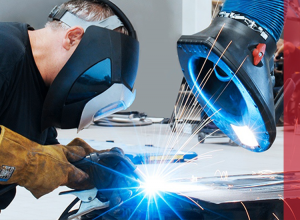
LEV systems work by capturing contaminants at their source before they spread. The hood is positioned close to where pollutants are generated, like near a welding torch or chemical spill.
The fan pulls the contaminated air through ductwork, sending it toward filters or scrubbers that clean the air. Finally, the cleaned air is exhausted outside or safely recirculated.
Have you ever noticed a fume extractor in a lab or workshop? That’s a simple example of LEV in action. It keeps harmful fumes from reaching your lungs, making your environment safer without you even thinking about it.
Types Of Local Exhaust Systems
Local Exhaust Ventilation (LEV) systems come in different types, each designed to control airborne contaminants at their source. Understanding these types helps you choose the right system for your workspace. Let’s look at the main categories and how they function to keep your environment safe.
Ducted Systems
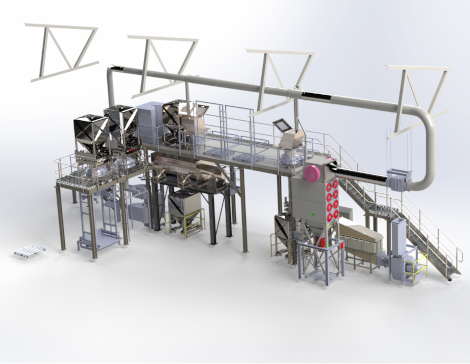
Ducted systems use a network of pipes to capture and remove contaminants from the air. These systems are usually fixed installations, ideal for workplaces with consistent pollution sources.
They work by drawing air through hoods or enclosures, then transporting it through ducts to filters or exhaust points outside. If you deal with hazardous fumes regularly, a ducted system can provide continuous and efficient ventilation.
Portable Units
Portable units offer flexibility by allowing you to move the ventilation system wherever it’s needed. These are perfect for jobs that vary in location or when a permanent system isn’t practical.
They often come with built-in fans and filters, making setup quick and easy. Have you ever needed to work in multiple spots? Portable units can adapt quickly, providing localized air cleaning wherever you go.
Capturing Devices
Capturing devices are the first line of defense in LEV systems. They include hoods, slots, and booths designed to catch dust, fumes, or vapors right at the source.
Choosing the right capturing device depends on your specific contaminant and work process. For example, a hood placed close to a welding area can trap fumes before they spread, protecting your lungs effectively.
Applications In Different Industries
Local Exhaust Ventilation (LEV) plays a crucial role across many industries. It helps remove harmful dust, fumes, and gases right at their source. This protects workers and keeps air clean. Industries use LEV systems to meet safety rules and improve workplace health. Here are some key industries where LEV is essential.
Manufacturing And Welding
Manufacturing plants often produce dust, smoke, and fumes. Welding creates metal fumes that are dangerous to breathe. LEV captures these pollutants close to the work area. This prevents toxic substances from spreading. Workers stay safer and more comfortable. LEV systems also help reduce fire risks in factories.
Laboratories And Healthcare
Laboratories handle chemicals and biological materials that can be harmful. Healthcare settings use LEV to control exposure to medicines and sterilizing agents. LEV systems remove hazardous vapors and airborne particles. This protects staff and patients from contamination. Proper ventilation is vital for a clean and safe environment.
Construction And Demolition
Construction sites generate dust from cutting, drilling, and breaking materials. Demolition releases asbestos fibers and other dangerous particles. LEV systems capture dust and harmful substances at the source. This reduces health risks for workers and nearby residents. Controlling dust also helps keep equipment running smoothly.

Credit: www.rcslev.com
Design And Installation Tips
Designing and installing local exhaust ventilation (LEV) systems requires careful planning. Proper design ensures effective removal of harmful pollutants and protects worker health. Installation must match the specific needs of the workspace for best results. Follow key tips to optimize performance and safety.
Sizing And Placement
Correct sizing of ductwork and fans is vital for efficient airflow. Undersized systems reduce capture efficiency and increase energy use. Oversized systems waste energy and space.
Place hoods close to the pollution source. The closer the hood, the better the capture of contaminants. Avoid placing hoods where airflow is blocked or disturbed. Position exhaust outlets away from air intakes and windows to prevent re-entry of pollutants.
Material Selection
Choose materials resistant to the chemicals or dust handled. Stainless steel suits corrosive environments. Mild steel can work for dry, non-corrosive dusts.
Use smooth duct surfaces to reduce friction and buildup. Flexible ducts may be convenient but often reduce airflow. Select materials that are easy to clean and maintain.
Maintenance Considerations
Design for easy access to fans, filters, and ductwork. Regular cleaning prevents blockages and maintains airflow.
Inspect seals and joints frequently to avoid leaks. Replace worn parts quickly to keep the system effective.
Plan routine checks to detect motor or fan wear. Proper maintenance extends system life and ensures safety.
Health And Safety Benefits
Local Exhaust Ventilation (LEV) systems offer significant health and safety benefits. They help create safer work environments by removing harmful contaminants from the air. This reduces risks and promotes overall well-being for workers.
Reducing Exposure To Hazards
LEV systems effectively capture and remove hazardous particles. These particles can include dust, fumes, and vapors. By reducing exposure, LEV systems help prevent respiratory issues. Workers breathe cleaner air, leading to better health.
Improving Air Quality
LEV systems improve indoor air quality significantly. They filter out pollutants and ensure a steady flow of fresh air. Good air quality enhances concentration and productivity. Workers feel more comfortable and less fatigued.
Compliance With Regulations
LEV systems help businesses meet health and safety regulations. Compliance is crucial to avoid fines and legal issues. Using LEV systems demonstrates a commitment to worker safety. It builds trust and shows responsibility.
Common Challenges And Solutions
Local Exhaust Ventilation (LEV) systems play a crucial role in maintaining clean air in workplaces. Yet, they come with their own set of challenges. Understanding these common issues and how to tackle them can help you keep your system running efficiently and protect your team’s health.
System Inefficiencies
One major challenge with LEV systems is inefficiency. Blocked ducts, worn-out filters, or poorly designed hoods can reduce airflow, letting harmful contaminants escape. Have you checked if your system captures fumes right at the source? Adjusting hood placement and ensuring clear duct paths can significantly improve performance.
Regular maintenance and timely replacement of parts prevent loss of suction power. Sometimes, upgrading to newer, more effective components can save you money and improve air quality in the long run.
Noise And Energy Use
LEV systems can be noisy, which may disrupt your work environment. Excessive noise often signals worn bearings or an overloaded fan motor. Ignoring this not only affects comfort but also raises energy costs.
You might find that investing in quieter, energy-efficient fans or installing sound dampeners reduces noise without sacrificing ventilation. Have you evaluated your system’s energy consumption lately? Simple fixes like sealing leaks can lower your bills and create a quieter workspace.
Regular Inspection Needs
How often do you inspect your LEV system? Skipping regular checks can lead to unnoticed damage and reduced effectiveness. Inspections should cover airflow measurements, filter conditions, and mechanical parts.
Keeping a detailed inspection log helps track performance trends and spot problems early. Empower your team by training them to recognize warning signs—catching issues early saves time and money, and keeps your environment safe.
Credit: plantandsafety.co.uk
Frequently Asked Questions
What Is Local Exhaust Ventilation Used For?
Local exhaust ventilation (LEV) removes hazardous airborne contaminants at their source. It prevents inhalation of dust, fumes, and gases. LEV is essential in workplaces to improve air quality and protect worker health.
How Does Local Exhaust Ventilation Work?
LEV captures pollutants through hoods placed near the emission source. Airborne contaminants are drawn into ducts and filtered or expelled outside. This system controls exposure and maintains a safer environment.
What Are The Main Components Of Lev Systems?
LEV systems include a hood, ductwork, air cleaner, and fan. The hood captures pollutants, ducts transport them, filters clean the air, and fans create airflow. All parts work together to remove contaminants efficiently.
Why Is Local Exhaust Ventilation Important In Industries?
LEV controls exposure to harmful substances like chemicals and dust. It reduces health risks such as respiratory problems and allergies. Industries rely on LEV for regulatory compliance and to ensure worker safety.
Conclusion
Local Exhaust Ventilation helps keep the air clean and safe. It removes harmful dust, fumes, and gases right at the source. This system protects workers and improves workplace health. Proper use lowers risks of breathing problems and illnesses. Installing and maintaining it is important for safety.
Understanding how it works makes workplaces better. Clean air means healthier people and a safer environment. Local Exhaust Ventilation plays a key role in many industries. It is a simple, effective way to control pollution indoors.



