
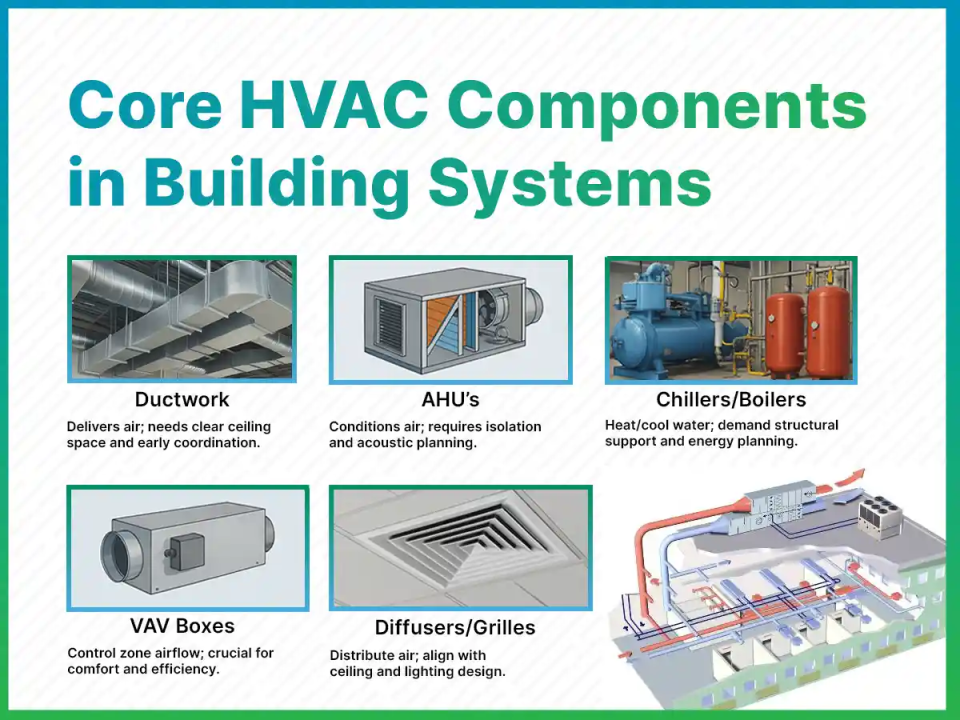
Have you ever wondered what makes your home or office feel just right, no matter the weather outside? The secret lies in your HVAC system.
But what does HVAC consist of exactly? Understanding the key parts of this system can help you take better care of your space and even save money on energy bills. You’ll discover the essential components that keep your environment comfortable year-round.
Ready to unlock the mystery behind your heating, ventilation, and air conditioning? Keep reading—you’ll be surprised at how simple it really is.

Credit: www.carrier.com
Core Hvac Components
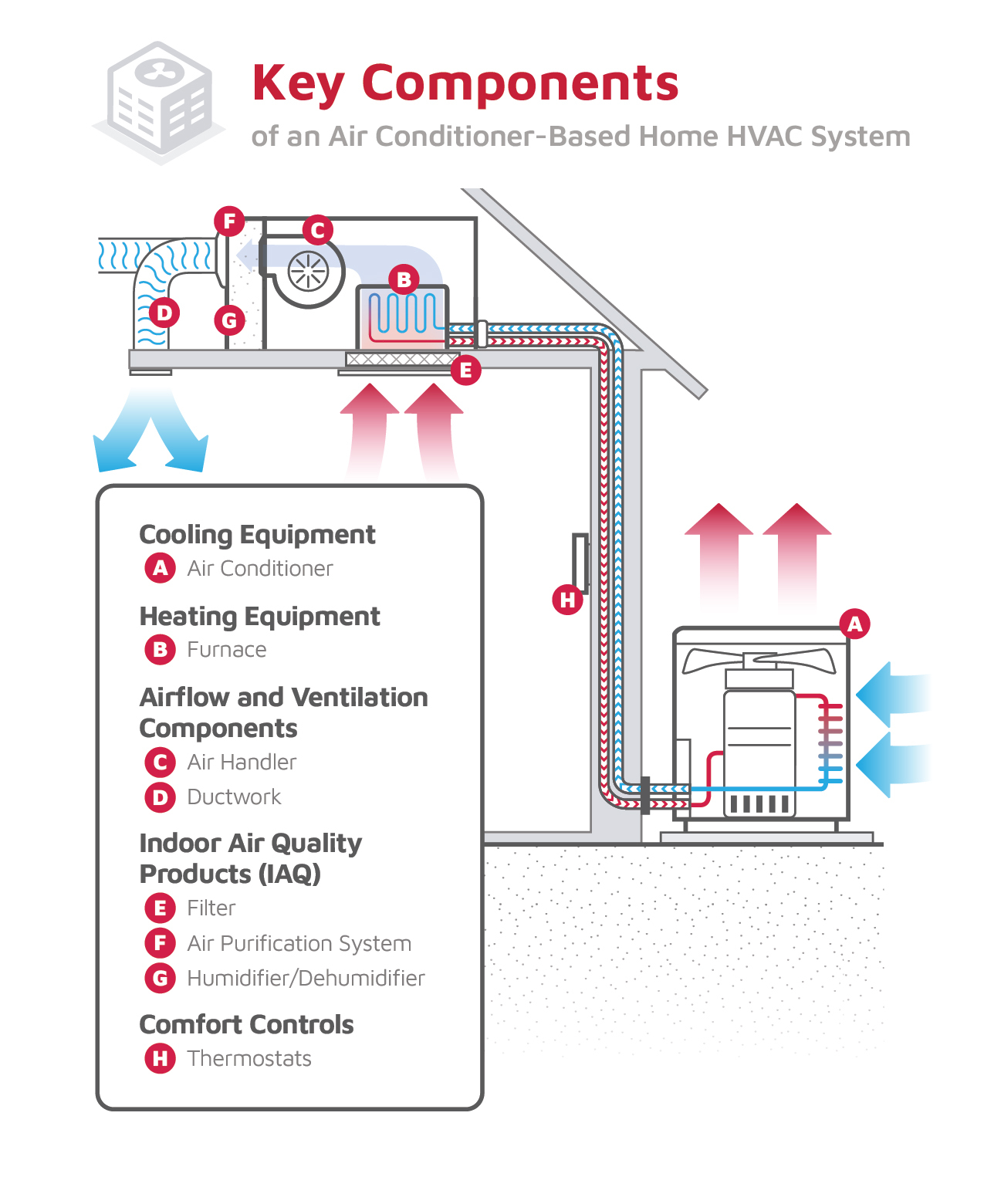
The core components of an HVAC system work together to control indoor temperature and air quality. These parts are essential for creating a comfortable living or working space. Each element has a specific role but depends on the others to function properly.
Understanding these components helps in maintaining and troubleshooting HVAC systems effectively. It also aids in choosing the right system for your needs.
Heating elements produce warmth during cold weather. Common types include furnaces, heat pumps, and boilers. Furnaces burn fuel or use electricity to generate heat. Heat pumps transfer heat from outside to inside. Boilers heat water that flows through radiators or underfloor pipes.
These systems ensure your space stays warm and cozy. They often work with thermostats to maintain a steady temperature.
Cooling units remove heat to cool indoor air. Air conditioners and heat pumps are common cooling devices. Air conditioners use refrigerants to absorb heat from inside. The heat is then released outside. Heat pumps can switch between heating and cooling modes.
Cooling units help reduce humidity and keep air fresh. Proper sizing and maintenance improve their efficiency.
Ventilation systems circulate fresh air and remove stale air. They help control moisture, odors, and indoor pollutants. Ventilation can be natural or mechanical. Mechanical ventilation uses fans and ducts to move air.
Good ventilation improves indoor air quality and comfort. It works alongside heating and cooling units for balanced airflow.
Heating Elements
Heating elements are the core components that keep your home warm and comfortable during cold weather. They transform energy into heat, making the indoor environment cozy and livable. Understanding these elements helps you make better decisions about your HVAC system and maintenance.
Furnaces
Furnaces are among the most common heating elements found in many homes. They work by heating air and then distributing it through ducts to warm up your entire house.
Gas furnaces use natural gas to create heat, while electric furnaces rely on electrical resistance. If you’ve ever felt warm air blowing from your vents during winter, that’s your furnace at work.
Are you aware that regular furnace maintenance can improve efficiency and lower your energy bills?
Heat Pumps
Heat pumps are versatile heating elements that can both heat and cool your home. They move heat from outside to inside during the winter, even when it’s cold outside.
Unlike traditional furnaces, heat pumps use electricity to transfer heat rather than generate it directly. This makes them energy-efficient and a great option for moderate climates.
Have you checked if your heat pump needs a seasonal tune-up to keep it running smoothly?
Boilers
Boilers heat water to provide warmth through radiators or underfloor heating systems. The hot water or steam circulates, spreading heat evenly across your home.
They often run on natural gas, oil, or electricity, depending on the model and setup. Boilers offer a quiet and consistent heating experience that many homeowners appreciate.
Do you know the age of your boiler and when it might be time for an upgrade to save on energy costs?
Cooling Units
Cooling units are essential components of any HVAC system, designed to reduce indoor temperatures and maintain comfort. These units work by removing heat from the air inside your home or building and releasing it outside. Understanding the different types of cooling units helps you choose the right solution for your specific needs.
Air Conditioners
Air conditioners are the most common cooling units found in homes and offices. They use refrigerants to absorb heat from indoor air and release it outside, leaving your space cool and comfortable. You might have noticed how quickly an air conditioner can change the atmosphere in a room, making it a popular choice for hot summer days.
Did you know that regular maintenance of your air conditioner, like cleaning filters, can improve its efficiency and lower energy bills? Small actions like these can make a big difference in how well your unit performs.
Chillers
Chillers are powerful cooling units typically used in larger commercial buildings or industrial settings. Instead of cooling air directly, they cool water or another liquid which is then circulated through the building to cool the air. This system is very efficient for cooling large spaces, such as shopping malls or office complexes.
If you run a business with large cooling needs, considering a chiller might save you money and energy in the long run. Have you checked how your current system handles large spaces?
Evaporative Coolers
Evaporative coolers, also known as swamp coolers, cool air by evaporating water. They work best in dry climates because they add moisture to the air while lowering the temperature. This makes them an energy-efficient alternative to traditional air conditioners, especially where humidity is low.
Think about your local climate—would adding moisture to the air help your comfort? Evaporative coolers can be a smart choice if you want a natural, cost-effective cooling method.
Ventilation Systems
Ventilation systems play a vital role in HVAC by ensuring fresh air circulation. They remove stale air and control indoor air quality. Proper ventilation keeps spaces comfortable and healthy.
Ductwork
Ductwork transports air throughout the building. It connects the HVAC unit to different rooms. Well-designed ducts improve airflow and energy efficiency. Clean ducts prevent dust and allergens from spreading.
Exhaust Fans
Exhaust fans remove unwanted air, moisture, and odors. They are common in kitchens and bathrooms. These fans reduce humidity and prevent mold growth. Quiet and efficient fans maintain indoor comfort.
Air Filters
Air filters capture dust, pollen, and particles from the air. They protect HVAC equipment and improve air quality. Regular filter changes keep the system running smoothly. High-quality filters help allergy sufferers breathe easier.
Control And Regulation
In the world of HVAC, control and regulation are crucial for maintaining comfort and efficiency. Imagine the ability to set your ideal temperature and have your system automatically adjust to keep it there. This is where the magic of control comes into play, ensuring your environment is perfect no matter the season.
Thermostats
Thermostats are the command center of your HVAC system. They allow you to set your preferred temperature with ease. Modern thermostats even let you adjust settings remotely through your smartphone, offering unmatched convenience.
Sensors
Sensors play a vital role in optimizing your HVAC system’s performance. They detect changes in temperature, humidity, and air quality, providing real-time data to your system. This feedback ensures that your home remains comfortable and energy-efficient.
Automation Systems
Automation systems take HVAC control to the next level. They integrate with your home’s smart technology to provide seamless operation. Imagine your system adjusting itself based on your daily schedule or the weather outside—smart, right?
Think about how much energy you could save with these systems. Are you ready to upgrade your home’s comfort and efficiency?
Credit: www.lennox.com
Energy Efficiency Components
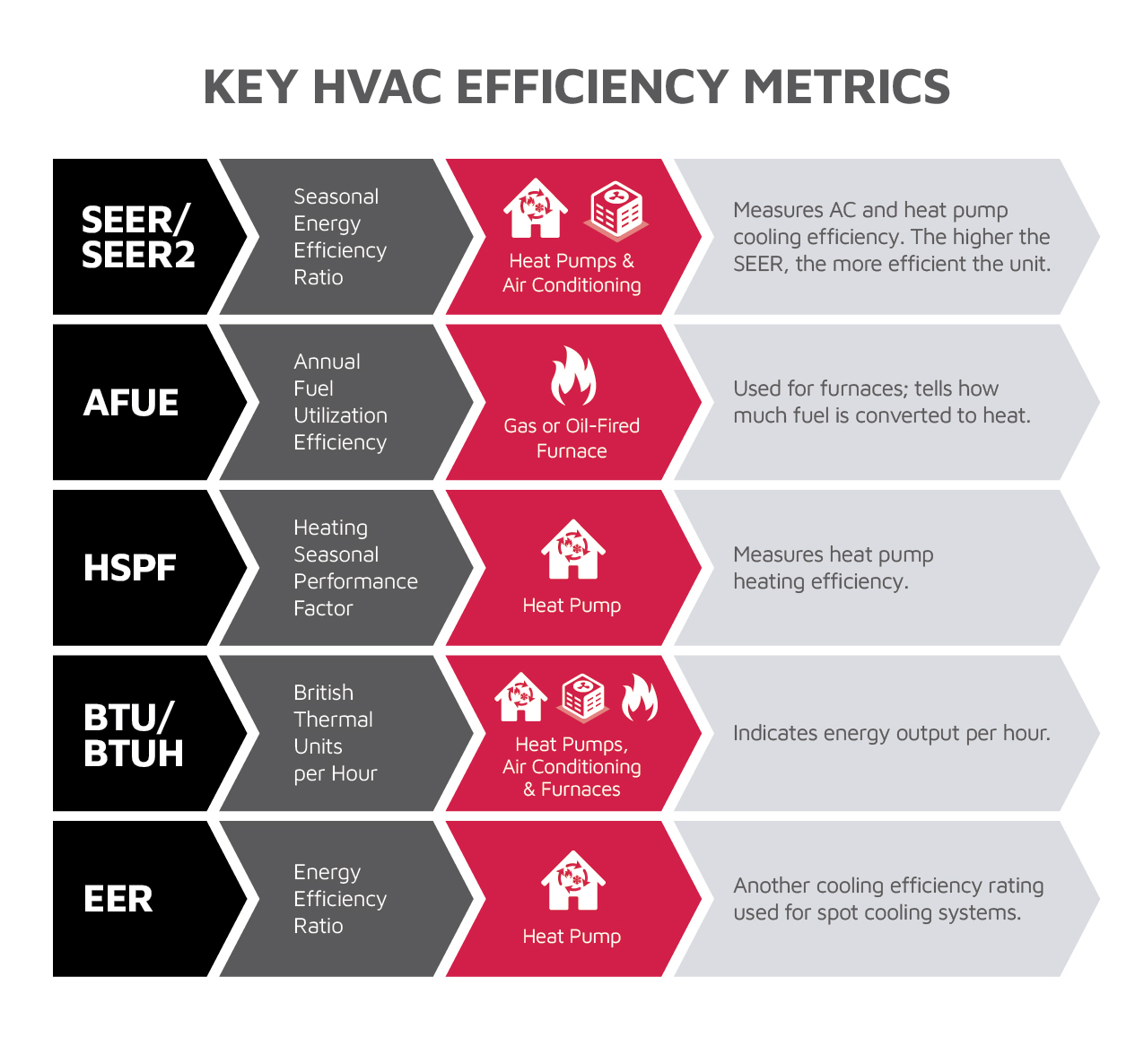
Energy efficiency components in HVAC systems help save power and reduce bills. These parts work quietly to keep homes comfortable. They lower energy use while maintaining good air quality. Smart design and technology improve system performance without extra effort.
Variable Speed Motors
Variable speed motors adjust airflow based on need. They run slower when less heating or cooling is required. This saves energy and reduces noise. Motors that change speed also extend system life. They avoid wasting power during mild weather.
Insulation
Insulation keeps air from leaking in or out. It helps maintain temperature inside the home. Proper insulation reduces the load on HVAC systems. It stops warm or cool air from escaping through walls or ducts. Good insulation lowers energy bills and improves comfort.
Energy Recovery Ventilators
Energy recovery ventilators (ERVs) exchange stale indoor air with fresh outdoor air. They transfer heat and moisture between the two air streams. This process saves energy by pre-conditioning the incoming air. ERVs improve indoor air quality without wasting power. They are vital for balanced ventilation and efficiency.
Maintenance Essentials
Keeping your HVAC system in top shape requires more than just occasional attention. Maintenance essentials ensure your system runs efficiently, saves energy, and lasts longer. Neglecting these basics can lead to unexpected breakdowns and higher bills.
Regular Inspections
Checking your HVAC system regularly helps catch small issues before they become costly repairs. Look for unusual noises, leaks, or strange smells that could signal problems. Scheduling professional inspections at least twice a year keeps your system reliable and safe.
Filter Replacement
Dirty filters reduce airflow and force your system to work harder, increasing energy use. Replace filters every 1 to 3 months, depending on usage and filter type. You’ll notice cleaner air and better performance almost immediately after swapping out old filters.
Cleaning Procedures
Dust and debris buildup can clog components and reduce efficiency. Clean vents, coils, and drain lines regularly to avoid blockages and mold growth. A simple wipe-down or vacuum can prevent many common HVAC problems and improve indoor air quality.
Credit: www.lennox.com
Frequently Asked Questions
What Are The Main Components Of An Hvac System?
An HVAC system mainly consists of a heating unit, ventilation system, and air conditioning unit. These parts work together to control indoor temperature, air quality, and humidity. Proper integration ensures comfort and energy efficiency in homes and buildings.
How Does The Ventilation Part Of Hvac Work?
Ventilation in HVAC removes indoor air pollutants and brings in fresh air. It maintains indoor air quality by circulating and filtering air. Proper ventilation prevents moisture buildup, reduces allergens, and ensures a healthy living environment.
What Role Does The Heating Component Play In Hvac?
The heating component generates warmth using a furnace, heat pump, or boiler. It distributes heat through ducts or radiators to maintain comfortable indoor temperatures during cold seasons. Efficient heating reduces energy costs and improves home comfort.
Why Is Air Conditioning Important In Hvac Systems?
Air conditioning cools and dehumidifies indoor air during hot weather. It improves comfort by regulating temperature and humidity levels. Modern AC units also filter air, enhancing indoor air quality and creating a pleasant living environment.
Conclusion
HVAC systems include heating, ventilation, and air conditioning parts. Each part works to keep indoor air comfortable and clean. Knowing these basics helps you understand how your system works. Regular care keeps your HVAC running well and saves energy. A well-maintained system improves air quality and comfort at home.
Simple steps like changing filters make a big difference. Understanding HVAC helps you make smart decisions for your space. Stay warm in winter, cool in summer, and breathe easy year-round.



