
Have you ever wondered how your home can stay fresh and comfortable without wasting energy? A Heat Recovery Ventilation (HRV) system might be the answer you’re looking for.
This smart technology helps bring in fresh air while saving heat, making your living space healthier and your energy bills lower. If you want to know how it works and why it could be a game-changer for your home, keep reading.
You’ll discover simple ways to improve your indoor air quality and comfort all year round.
Heat Recovery Ventilation Basics
Understanding the basics of a Heat Recovery Ventilation (HRV) system is key to improving indoor air quality while saving energy. These systems help maintain fresh air flow without losing the heat your home has already generated. If you’ve ever wondered how to keep your living space comfortable and energy-efficient at the same time, HRVs might be exactly what you need to consider.
How Hrv Systems Work
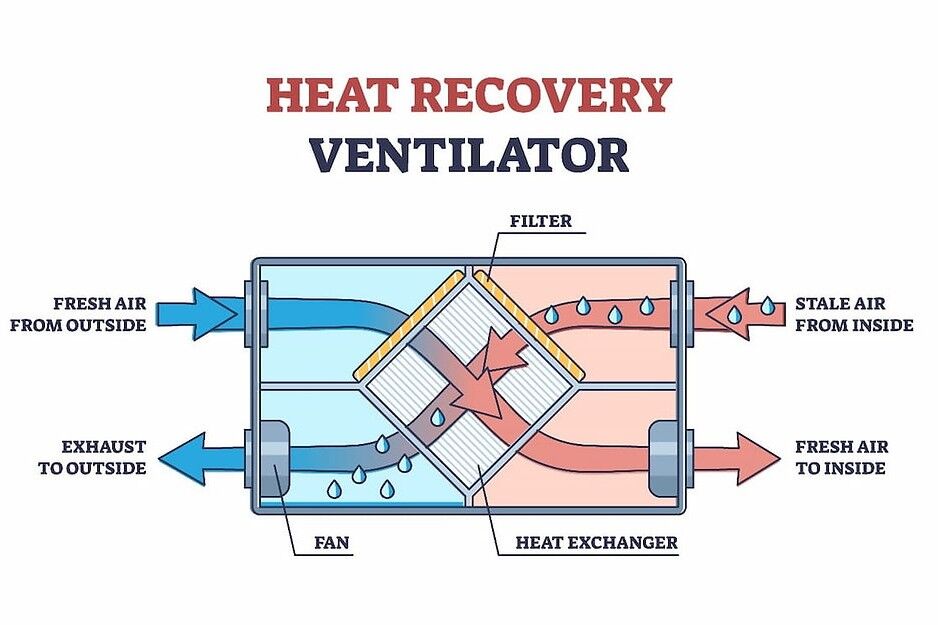
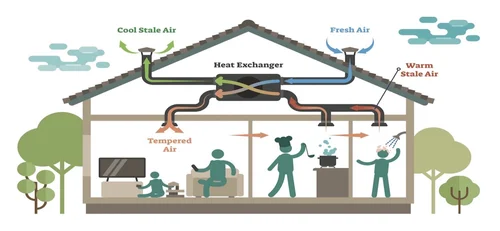
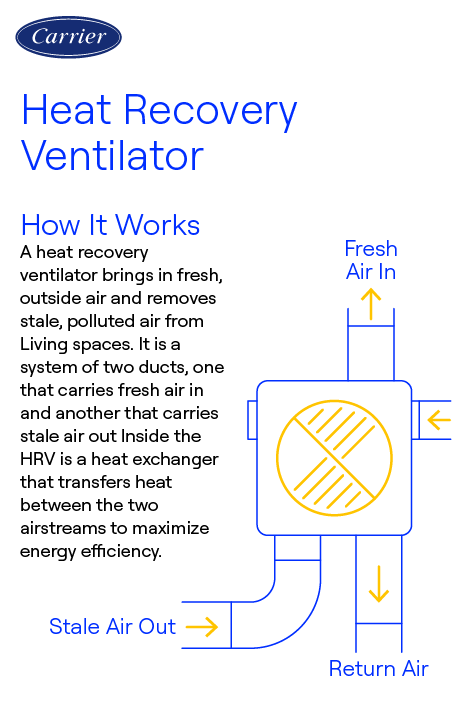
HRV systems bring in fresh air from outside and remove stale air from inside your home simultaneously. The secret lies in the heat exchange process, where warm air leaving your home transfers its heat to the incoming cold air without mixing the two air streams.
This means you get fresh air without the energy cost of heating or cooling it from scratch. You might notice your home feels less stuffy and your heating bills drop after installing an HRV system.
Key Components Of Hrv
- Heat Exchanger:The core part where heat transfer happens between outgoing and incoming air.
- Fans:One fan pulls fresh air in, and another pushes stale air out.
- Filters:Clean the incoming air, removing dust and allergens before it enters your living space.
- Ductwork:Channels air throughout your home, connecting the HRV unit to various rooms.
These components work together to ensure you get a continuous supply of fresh air without wasting energy. Think about how often you open windows for fresh air and the heat you lose every time—that’s exactly what HRVs prevent.
Types Of Heat Recovery Systems
| Type | Description | Best For |
|---|---|---|
| Heat Recovery Ventilator (HRV) | Transfers heat between outgoing and incoming air while keeping air streams separate. | Cold climates with dry air |
| Energy Recovery Ventilator (ERV) | Transfers both heat and moisture, balancing humidity as well as temperature. | Humid or mixed climates |
Choosing between HRV and ERV depends on your local climate and your home’s humidity levels. Which type suits your home better? Consider what feels more comfortable—dry warmth or balanced humidity—and how much energy you want to save.
Benefits Of Heat Recovery Ventilation
Heat Recovery Ventilation (HRV) systems offer several key benefits. These systems improve the air quality inside homes and buildings. They also help reduce energy use and control humidity levels. Using HRV can lower your environmental footprint. Here are the main advantages of installing an HRV system.
Energy Savings
HRV systems recover heat from outgoing air. This heat warms the incoming fresh air. It reduces the need for extra heating in cold weather. It also lowers cooling costs in hot weather. Less energy use means lower utility bills. HRV helps maintain a comfortable temperature all year.
Improved Indoor Air Quality
HRV constantly replaces stale indoor air with fresh outdoor air. It removes pollutants, dust, and allergens. This creates a healthier living environment. Proper ventilation reduces risks of mold and moisture buildup. Clean air supports better breathing and overall health.
Humidity Control
HRV systems balance indoor humidity levels. They reduce excess moisture in the air. This prevents dampness and mold growth. Balanced humidity also protects wood furniture and building materials. It makes the indoor space more comfortable and safe.
Reduced Environmental Impact
By saving energy, HRV cuts greenhouse gas emissions. It reduces reliance on fossil fuels for heating and cooling. This lowers your carbon footprint. Using HRV supports sustainable living and helps protect the planet. It is an eco-friendly choice for modern homes.
Choosing The Right Hrv System
Choosing the right Heat Recovery Ventilation (HRV) system is key for a healthy and energy-efficient home. It affects indoor air quality and energy savings. The right system matches your home’s needs and local weather.
Assessing Home Size And Layout
Size matters. A small system won’t ventilate a large house properly. A large system may waste energy in a small space. Consider the number of rooms and floors.
Open floor plans need different airflow than closed layouts. Check if your home has multiple zones. This helps decide on a single or multi-unit system.
Considering Climate Factors
Climate shapes your HRV choice. Cold regions need systems that prevent freezing. Hot and humid climates require units that control moisture well.
Look for models with features designed for your weather. Some systems have frost protection or humidity control. These features improve comfort and system life.
Comparing Costs And Efficiency
Initial cost is important, but don’t forget long-term savings. Efficient HRV units reduce heating and cooling bills. Check energy ratings and efficiency percentages.
Think about installation costs too. Some systems need professional setup. Balance upfront price with expected energy savings for best value.
Credit: www.ehprenewables.com
Installation And Maintenance
Installing and maintaining a Heat Recovery Ventilation (HRV) system can significantly improve your home’s air quality and energy efficiency. However, the process requires careful consideration to ensure it functions properly and lasts long. Understanding the differences between professional and DIY installation, along with regular upkeep, will help you get the most from your system.
Professional Vs Diy Installation
Deciding whether to hire a professional or install the HRV system yourself depends on your skill level and the complexity of your home’s setup. Professionals bring experience and tools that ensure proper placement and airtight connections, which are crucial for system efficiency.
DIY installation might save money upfront, but incorrect setup can lead to poor ventilation and increased energy bills. Have you checked if your warranty requires professional installation? That alone can influence your decision.
Routine Maintenance Tips
Keeping your HRV system clean and well-maintained is essential for optimal performance. Change or clean filters every 3 to 6 months to prevent dust build-up that restricts airflow. Also, inspect the heat exchanger annually; a clogged exchanger reduces heat recovery efficiency.
Don’t forget to clean the intake and exhaust vents outside your home. Leaves, dirt, and debris can block airflow and cause the system to work harder, increasing energy costs.
Troubleshooting Common Issues
If your HRV system is making unusual noises, first check for loose parts or debris in the fans. Reduced airflow may indicate dirty filters or blocked vents. Have you noticed excess moisture or stale air despite running the system? This could signal a malfunctioning heat exchanger or improper balancing.
Regularly monitor your system’s performance and address issues early. Small fixes like tightening screws or cleaning components can prevent costly repairs later.
Hrv Vs Erv Systems
Understanding the difference between HRV and ERV systems is crucial. These systems improve indoor air quality and energy efficiency. Both are ventilation systems, but they function differently. Choosing the right system depends on your home’s needs and climate.
Differences In Function
HRV systems focus on exchanging heat between incoming and outgoing air. They remove stale air and replace it with fresh air while conserving heat. This makes them ideal for colder climates.
ERV systems, on the other hand, exchange both heat and moisture. They balance humidity levels and are suitable for humid climates. ERVs help maintain comfortable indoor humidity all year round.
When To Choose Each Type
Choose an HRV system for homes in cold, dry climates. It efficiently retains heat during winter months. This reduces energy costs and keeps your home warm.
Opt for an ERV system if your area experiences high humidity. It helps maintain a comfortable indoor environment. ERVs are great for balancing moisture in the air, preventing mold growth.
Assess your home’s climate and needs before deciding. Both systems offer energy savings and improved air quality. Selecting the right one ensures comfort and efficiency.

Credit: en.wikipedia.org
Maximizing Home Efficiency With Hrv
Maximizing home efficiency with a Heat Recovery Ventilation (HRV) system means more than just fresh air. It’s about smartly balancing energy use while keeping your indoor air clean and comfortable. You can reduce heating and cooling costs significantly by using your HRV alongside other home systems and controls.
Integrating With Hvac Systems
Your HRV works best when it teams up with your existing HVAC system. Instead of working separately, the HRV recovers heat from the air being exhausted and transfers it to the incoming fresh air. This process lightens the load on your furnace or air conditioner, helping them run less often and saving energy.
Think about how much energy you waste heating cold air or cooling hot air all day. The HRV cuts down that waste, making your entire home system more efficient. Do you know if your current HVAC can easily connect to an HRV? Checking compatibility can help you avoid costly adjustments later.
Smart Controls And Automation
Adding smart controls to your HRV lets you customize ventilation based on your daily life. Automated systems adjust airflow depending on factors like humidity, temperature, or air quality. This means you don’t have to remember to turn it on or off—it adapts for you.
Imagine coming home to fresh air without running up your energy bill. Smart features can even link to your smartphone, giving you control from anywhere. Could smarter ventilation be the key to balancing comfort and savings in your home?
Seasonal Adjustments
HRV systems work differently through the seasons, and adjusting settings can boost efficiency. In winter, recovering heat from outgoing air saves you money on heating. During summer, some systems can switch to bypass mode to avoid bringing in hot air, keeping your home cooler.
Seasonal tweaks don’t require much effort but can make a big difference in comfort and cost. Have you tried adjusting your HRV settings as the weather changes? Small changes might lead to noticeable savings and a better living environment.
Credit: www.carrier.com
Frequently Asked Questions
What Is The Main Purpose Of A Heat Recovery Ventilation System?
A heat recovery ventilation system improves indoor air quality by exchanging stale air with fresh air. It recovers heat from outgoing air to warm incoming air. This process saves energy and maintains comfortable temperatures inside buildings.
How Does A Heat Recovery Ventilation System Save Energy?
It captures heat from exhausted indoor air and transfers it to fresh incoming air. This reduces heating or cooling demand, lowering energy consumption. The system enhances energy efficiency by recycling heat that would otherwise be lost.
Can A Heat Recovery Ventilation System Improve Indoor Air Quality?
Yes, it continuously replaces stale indoor air with fresh, filtered air. This reduces pollutants, allergens, and humidity levels. The system ensures better ventilation and a healthier living environment.
Is A Heat Recovery Ventilation System Suitable For All Climates?
Heat recovery ventilation systems work best in cold to temperate climates. They efficiently recover heat during winter and reduce cooling needs in summer. However, their performance may vary in extremely hot or humid regions.
Conclusion
A Heat Recovery Ventilation System helps keep indoor air fresh and clean. It saves energy by reusing heat from outgoing air. This system reduces moisture and prevents mold growth. It works quietly and needs little maintenance. Installing one improves comfort and health in your home.
Consider it for better air quality year-round. Simple, effective, and energy-smart.



