
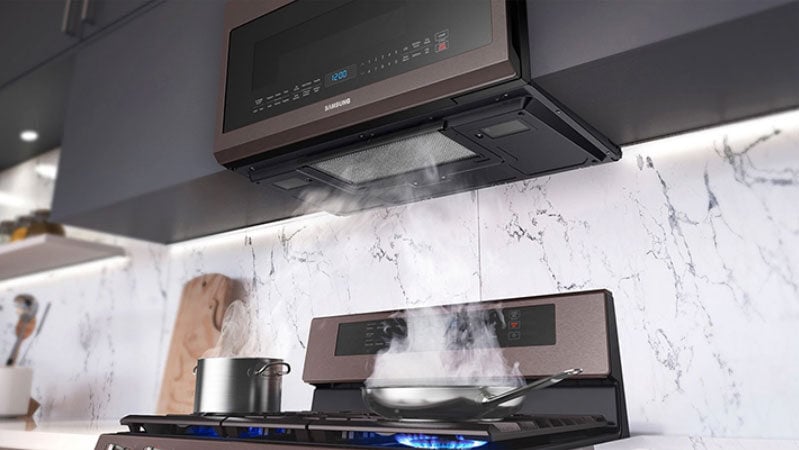
Are you wondering if your microwave needs ventilation? It’s a question many people overlook when setting up their kitchen.
But the truth is, proper ventilation can affect how well your microwave works and how safe your cooking space is. If you want to avoid overheating, unpleasant smells, or even damage to your appliance, understanding ventilation is key. Keep reading to find out exactly why ventilation matters and what you should do to keep your microwave running smoothly and your kitchen fresh.

Credit: us.cleadeep.com
How Microwaves Work
Microwaves heat food quickly using special waves. These waves move through food and make water molecules vibrate. This vibration creates heat, cooking the food fast and evenly. Understanding how microwaves work helps explain why ventilation matters.
What Are Microwave Waves?
Microwaves use a type of energy called electromagnetic waves. These waves are different from light or radio waves. They have a frequency that makes water molecules move quickly inside food.
How Food Gets Heated
Microwaves pass through food and cause water molecules to spin. This spinning produces heat. The heat cooks the food from the inside out. Foods with more water heat faster than dry foods.
The Role Of The Magnetron
The magnetron is the main part that creates microwave energy. It turns electricity into microwaves. These waves then go into the cooking chamber where the food is placed.
Why Microwaves Need A Metal Casing
Microwaves are trapped inside a metal case. This keeps the waves from escaping. The metal case also protects people from microwave radiation. It directs the waves only to the food.
Ventilation And Heat Inside The Microwave
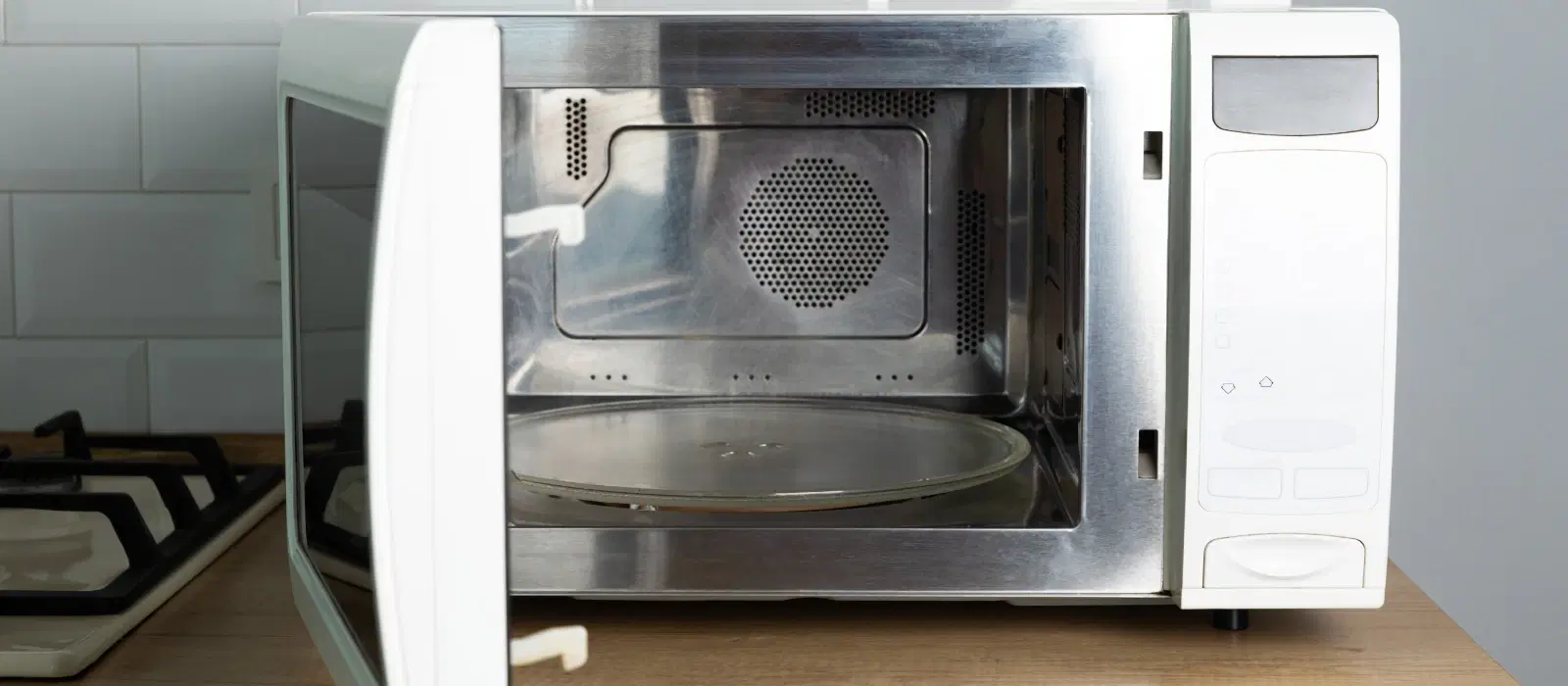
Microwaves produce some heat inside while running. Ventilation helps remove this heat and steam. It keeps the appliance cool and working well. Without ventilation, heat may build up and cause damage.
Credit: www.tataneu.com
Types Of Microwave Ventilation
Microwaves often need ventilation to remove steam, smoke, and odors during cooking. Ventilation types vary based on kitchen setup and microwave models. Understanding these types helps choose the right option for your space. Some microwaves come with built-in systems, while others use external or recirculating options. Each type has its own benefits and installation needs.
Built-in Ventilation Systems
Built-in ventilation systems are integrated within the microwave. These systems usually include fans and filters. They help pull air directly from the cooking area. This type is common in over-the-range microwaves. They save space and provide efficient air removal. Built-in systems often vent air outside or recirculate it inside.
External Venting Options
External venting sends air outside the home. It uses ductwork to move steam and smoke outdoors. This option is effective for strong odors and heavy cooking. It requires proper installation and space for ducts. External venting improves air quality by removing pollutants. It works well in kitchens with access to outside walls.
Recirculating Ventilation
Recirculating ventilation cleans air through filters before releasing it back inside. It uses charcoal or carbon filters to trap odors. This option suits kitchens without duct access. It is easier to install than external venting. However, it may need filter changes regularly. Recirculating ventilation helps maintain air freshness indoors.
When Ventilation Is Necessary
Microwave ventilation becomes important in certain kitchen setups. Ventilation helps remove steam, smoke, and odors while cooking. Some microwaves have built-in vents, but others need external ventilation.
Microwave Placement Considerations
Placement affects the need for ventilation. Microwaves placed above a stove often require venting. This setup helps clear cooking fumes directly from the cooktop area. Countertop microwaves may not need extra ventilation unless used heavily. Built-in microwaves in enclosed spaces should have vents to avoid heat buildup. Always check the microwave manual for specific ventilation guidelines.
Impact On Kitchen Air Quality
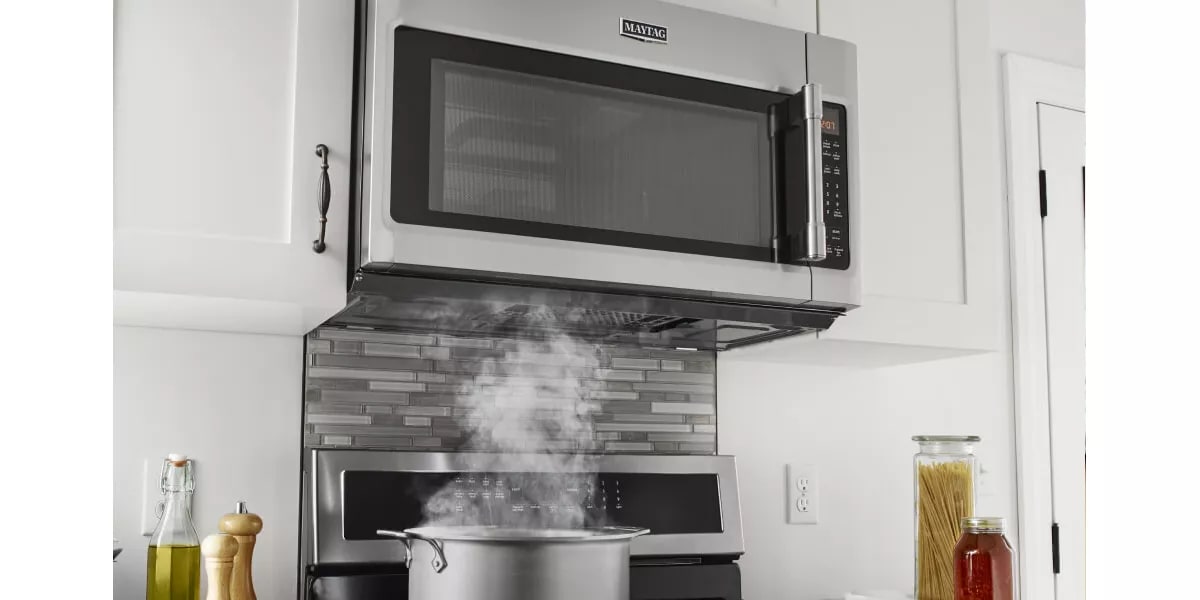
Proper ventilation improves air quality by removing moisture and odors. Without ventilation, steam can cause mold or damage cabinets. Cooking smells can linger longer without fresh air flow. Ventilated microwaves help keep the kitchen fresh and comfortable. Good air circulation also prevents smoke alarms from false triggers.
Credit: www.maytag.com
Risks Of Poor Ventilation
Poor ventilation in a microwave can cause serious problems. It affects the appliance’s performance and your kitchen’s safety. Without proper airflow, heat and smells get trapped. This leads to damage and discomfort. Understanding these risks helps maintain a safe cooking space.
Heat Buildup And Appliance Damage
Microwaves generate heat during use. Without ventilation, heat stays inside the appliance. This buildup can harm internal parts. The microwave may overheat and stop working. Over time, this reduces the microwave’s lifespan. It also increases repair or replacement costs.
Odor And Smoke Accumulation
Food smells and smoke need to escape the microwave area. Poor ventilation traps odors inside your kitchen. This makes the room smell unpleasant for hours. Smoke can also build up during cooking. It creates an unhealthy environment and can trigger smoke alarms.
Choosing The Right Ventilation Setup
Choosing the right ventilation setup for your microwave is crucial. Proper ventilation ensures efficient cooking and safety. It also extends the microwave’s lifespan. Various factors influence the right choice. These include your kitchen’s layout and the type of microwave you have.
Assessing Your Kitchen Layout
Your kitchen layout plays a vital role in ventilation. Consider where the microwave will be placed. Is it above a stove or on a countertop? Each location requires a different approach. For over-the-range microwaves, venting to the outside is ideal. Countertop microwaves may not need external venting. Ensure there’s enough space around the microwave. This allows air to circulate freely.
Matching Ventilation To Microwave Type
Different microwaves have unique ventilation needs. Over-the-range models often come with built-in vent fans. These fans can direct air outside or recirculate it. If recirculating, ensure filters are clean. Built-in microwaves may need external venting. Check the manufacturer’s guidelines for specific requirements. Countertop microwaves usually have simple venting needs. They rely on room air circulation. Ensure the area around them is clear of obstructions.
Maintenance Tips For Microwave Vents
Keeping microwave vents clean is key for safe and efficient use. Regular care stops buildup and helps the microwave cool properly. Simple steps protect your appliance and your kitchen air quality.
Cleaning And Filter Replacement
Remove the vent cover gently before cleaning. Use warm, soapy water to wash it. Dry the cover completely before placing it back. Check the filter regularly; replace it if it looks worn or clogged. A clean filter improves air circulation and reduces odors.
Ensuring Proper Airflow
Make sure nothing blocks the vent area. Keep the microwave away from walls or objects. Clear space allows air to flow freely and prevents overheating. Check vents for dust or grease build-up often. Proper airflow extends the microwave’s life and keeps it safe.
Frequently Asked Questions
Does A Microwave Need Ventilation To Work Properly?
Microwaves generally do not require external ventilation to operate. They use internal fans to cool components and vent steam internally or through a filter. Proper airflow around the microwave is recommended to prevent overheating and ensure safe operation.
What Happens If A Microwave Lacks Ventilation?
Without adequate ventilation, a microwave can overheat, reducing its lifespan. Heat buildup may damage internal parts and cause safety risks. Proper ventilation ensures efficient cooling and prevents malfunction or fire hazards.
Can A Microwave Be Installed Without An Exhaust Vent?
Yes, many microwaves are designed for installation without an exhaust vent. They recirculate air through charcoal filters to manage odors and steam. However, vented models are better for removing smoke and cooking smells.
How Does Microwave Ventilation Impact Kitchen Air Quality?
Microwave ventilation helps reduce steam, smoke, and odors during cooking. Models with exhaust vents improve kitchen air quality by expelling air outside. Recirculating microwaves filter air but are less effective in removing moisture and grease.
Conclusion
Microwaves often need ventilation to work best and stay safe. Venting helps remove steam, smoke, and odors from cooking. Without proper airflow, moisture can build up and cause damage. Some microwaves have built-in vents; others need external vents or range hoods.
Choosing the right ventilation depends on your kitchen setup and cooking habits. Proper ventilation keeps your kitchen fresh and your microwave lasting longer. Think of it as a small step for big kitchen comfort.



