
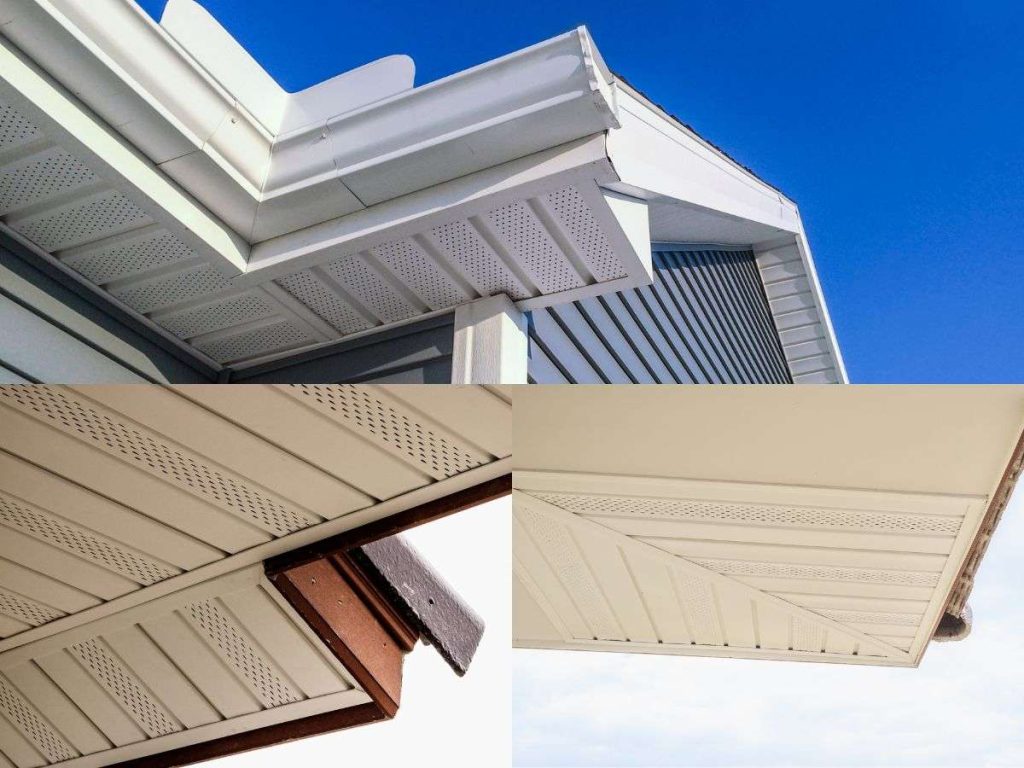
Are you struggling with stuffy rooms or lingering odors in your home? Proper ventilation can change everything.
Knowing how to vent a house isn’t just about fresh air—it’s about creating a healthier, more comfortable space for you and your family. You’ll discover simple, effective ways to improve airflow, reduce moisture, and keep your home feeling fresh all year round.
Keep reading, and you’ll learn easy steps that anyone can follow to make your home breathe better.
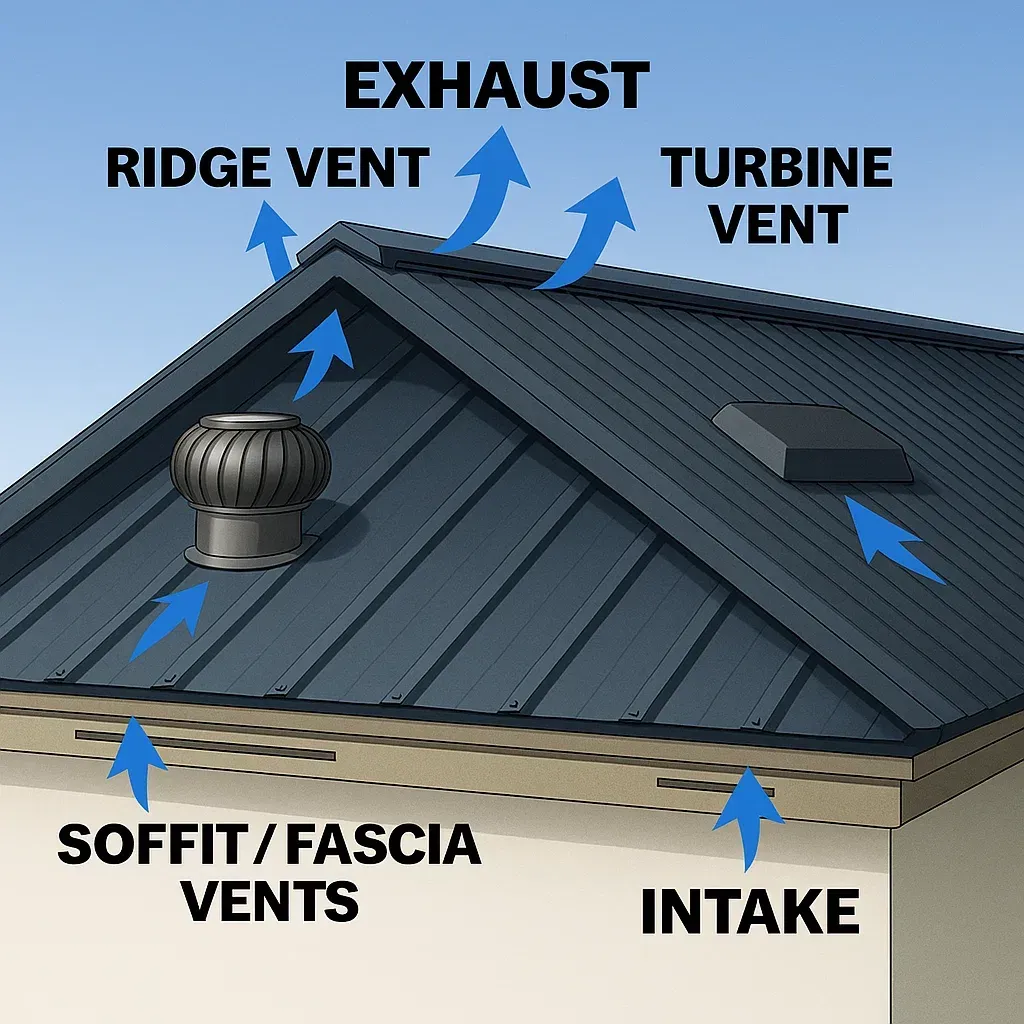
Credit: bcpinc.us
Why Ventilation Matters
Proper ventilation plays a key role in maintaining a comfortable and safe home. It helps control air flow, removes stale air, and brings in fresh air. Understanding why ventilation matters can guide you in creating a healthier living space.
Health Benefits
Good ventilation reduces indoor pollutants and allergens. It lowers the chance of respiratory problems and allergies. Fresh air helps keep your family feeling better and breathing easier.
Preventing Mold And Moisture
Ventilation controls moisture levels inside your home. Excess moisture can lead to mold growth, damaging walls and furniture. Proper air flow stops dampness and keeps your house dry.
Improving Indoor Air Quality
Indoor air can trap dust, odors, and chemicals. Ventilation removes these harmful particles and refreshes the air. Clean air makes your home more pleasant and safer to breathe.
Types Of Ventilation Systems
Ventilation is key to keeping a house fresh and healthy. Different homes need different ventilation systems. Understanding each type helps pick the best one for your space. Here are the main types of ventilation systems used in houses.
Natural Ventilation
Natural ventilation uses windows, doors, and vents to let air flow freely. It relies on wind and temperature differences outside and inside the house. This system costs less and saves energy. It works best in mild climates and during warm seasons.
However, natural ventilation depends on weather. It may not provide enough airflow in very hot or cold weather. Proper window placement is important to create good air movement.
Mechanical Ventilation
Mechanical ventilation uses fans and ducts to move air in and out. It gives more control over air quality and flow. This system works well in airtight or insulated homes. It helps remove moisture, odors, and pollutants effectively.
There are different mechanical options:
- Exhaust fans that pull stale air out.
- Supply fans that bring fresh air in.
- Balanced systems that do both evenly.
Hybrid Systems
Hybrid systems combine natural and mechanical ventilation. They switch between natural airflow and fan power. This balance saves energy and keeps air fresh all year. Sensors or timers often control these systems automatically.
Hybrids suit homes in places with varied weather. They use natural ventilation when conditions are good. Mechanical help comes on when natural airflow is weak.
Choosing The Right Ventilation For Your Home
Choosing the right ventilation for your home is crucial to maintaining a healthy and comfortable living environment. The right system not only improves air quality but also helps control moisture, prevent mold, and reduce energy costs. Understanding your home’s specific needs and conditions will guide you to the best ventilation solution.
Assessing Your Home’s Needs
Start by identifying areas where air tends to get stale or humid. Basements, attics, and bathrooms often need extra ventilation. Look for signs like condensation on windows, musty smells, or peeling paint.
Consider the size and layout of your house. Larger homes or those with multiple floors may require more powerful or multiple ventilation systems. Are you dealing with frequent cooking odors or pet dander? These factors influence the type of ventilation you should choose.
Climate Considerations
Your local climate affects ventilation choices significantly. In humid areas, you need systems that control moisture well to avoid mold growth. Dry climates, on the other hand, may benefit from ventilation that helps maintain indoor humidity.
Think about seasonal changes too. Will your ventilation system work efficiently in both winter and summer? For example, a heat recovery ventilator (HRV) can save energy by exchanging heat between incoming and outgoing air, which is helpful in colder climates.
Energy Efficiency
Ventilation systems can impact your energy bills if they run inefficiently. Look for models with energy-saving features like variable speed fans or smart controls that adjust airflow based on your needs.
Sometimes, spending a bit more upfront on an energy-efficient system saves money in the long run. Have you checked if your system has ENERGY STAR certification? It’s a reliable indicator of efficiency.
Choosing the right ventilation means balancing your home’s needs, climate, and energy use. What specific problem do you want your ventilation system to solve today?
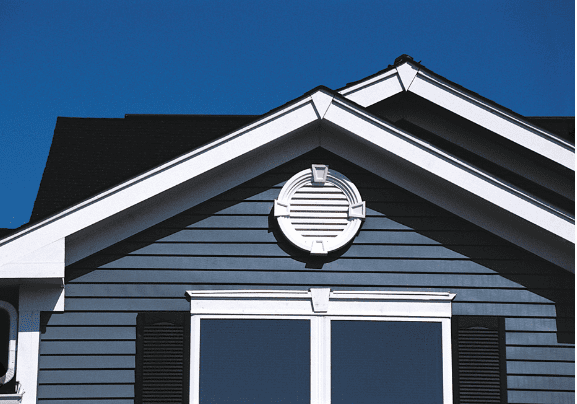
Credit: www.northeast-home.com
Steps To Install Ventilation
Identify the areas needing ventilation in your house. Install vents in walls or ceilings for fresh air. Ensure proper sealing to prevent leaks and maintain efficiency. Consider using exhaust fans for better airflow and to remove stale air. Regular maintenance helps keep the system functioning well.
Proper ventilation is crucial for maintaining a healthy and comfortable living environment in your home. Installing a ventilation system can seem daunting, but with a clear plan and the right tools, you can efficiently tackle the task. Let’s dive into the essential steps to set up a successful ventilation system in your home.Planning The Vent Layout
Before beginning any installation, it’s important to plan the layout of your ventilation system. Identify areas in your home that require ventilation such as kitchens, bathrooms, and basements. Consider the direction of airflow to ensure that fresh air circulates effectively throughout the space. Draft a simple sketch of your home’s floor plan. Mark out where vents will be installed based on the areas identified. This will help you visualize the project and make necessary adjustments before starting the installation.Selecting Ventilation Equipment
Choosing the right equipment is crucial for the efficiency of your ventilation system. Look for equipment that suits your home size and specific needs. For instance, a powerful extractor fan may be necessary for a large kitchen, while a smaller unit could suffice for a bathroom. Research different brands and models to find the best fit for your budget. Consider energy-efficient options that can reduce your electricity bills in the long run. Don’t forget to read reviews and perhaps even consult with a professional if you’re unsure.Installation Tips And Best Practices
When installing your ventilation system, ensure all equipment is securely mounted and properly connected. Use high-quality materials to prevent any leaks or inefficiencies. Follow the manufacturer’s instructions carefully for each piece of equipment. Keep safety in mind—turn off electricity when handling electrical components. If drilling holes for vents, double-check for any hidden wires or pipes. It might be tempting to rush, but patience and precision are key to a successful installation. Have you considered the maintenance needs of your new system? Regular cleaning and checks can prevent future issues and extend the life of your equipment. By taking these steps, you’ll ensure your home remains fresh and well-ventilated for years to come.Maintaining Your Ventilation System
Maintaining your ventilation system is key to fresh and healthy air in your home. A well-kept system works efficiently and lasts longer. Regular care prevents problems and saves money on repairs.
Regular Cleaning
Clean vents and fans often to remove dust and dirt. Use a vacuum or a soft brush. Wipe vent covers with a damp cloth. This stops dust buildup and improves airflow.
Checking For Blockages
Look inside vents for obstructions like leaves, nests, or debris. Blockages reduce air movement and cause moisture issues. Clear any found objects carefully. Keep outdoor vents free from plants and debris.
When To Call A Professional
Call an expert if you notice strange noises or weak airflow. Also seek help for mold, bad smells, or water leaks. Professionals can inspect, clean deeply, and fix hidden problems safely.
Common Ventilation Mistakes To Avoid
Proper ventilation is key to a healthy home. Many people make simple mistakes that reduce airflow and comfort. Avoiding these errors helps keep air fresh and energy costs low. Let’s explore common ventilation mistakes to avoid.
Overventilation Issues
Too much ventilation causes energy waste. Cold or hot air escapes quickly, raising heating and cooling bills. Overventilation can bring in dust and pollen, hurting indoor air quality. Balance is essential to keep air fresh without losing energy.
Ignoring Airflow Balance
Good ventilation needs balanced airflow. If too much air enters but little leaves, pressure builds up. This can cause drafts or moisture problems. Proper intake and exhaust vents prevent air from stagnating. Balanced airflow keeps the house comfortable and dry.
Poor Placement Of Vents
Vents placed in wrong spots limit airflow. Avoid blocking vents with furniture or curtains. Vents near floors or ceilings work best for heat and cool air movement. Plan vent location to cover all rooms evenly. Proper placement ensures fresh air reaches every corner.
Enhancing Ventilation With Simple Habits
Improving your home’s ventilation doesn’t always require expensive upgrades or complex installations. Sometimes, simple daily habits can make a noticeable difference in the air quality and comfort inside your living space. Small actions you take regularly help keep fresh air flowing and reduce stuffiness, making your home feel lighter and more inviting.
Using Exhaust Fans
Exhaust fans are powerful tools to remove stale air and moisture quickly. You probably notice the difference after a shower or while cooking—those fans pull out humid or smoky air that can linger otherwise.
Make it a habit to turn on exhaust fans in the kitchen and bathroom whenever you’re cooking or showering. Leaving them on for a few minutes afterward ensures excess moisture and odors don’t build up.
Have you checked if your exhaust fans are clean and working efficiently? Dirty fans lose their power, so regular cleaning helps maintain strong airflow.
Opening Windows Strategically
Opening windows might sound obvious, but how and when you open them matters a lot. Instead of just leaving them open all day, try cross-ventilation by opening windows on opposite sides of your home.
This simple trick creates a natural breeze that pushes stale air out and pulls fresh air in. During cooler parts of the day, like early morning or late evening, windows open wide can refresh your home without raising energy bills.
Ever noticed how opening windows in just one room doesn’t improve air quality much? Experiment with which window combinations work best for your layout to maximize airflow.
Managing Humidity Levels
High humidity can make your home feel stuffy and encourage mold growth. Keeping humidity between 30% and 50% is ideal for comfort and health.
You can use a simple hygrometer to monitor humidity levels. If it’s too high, running a dehumidifier or using moisture-absorbing products in problem areas helps a lot.
On the flip side, dry air isn’t comfortable either. Using a humidifier during dry seasons balances moisture and keeps your skin and respiratory system happy.
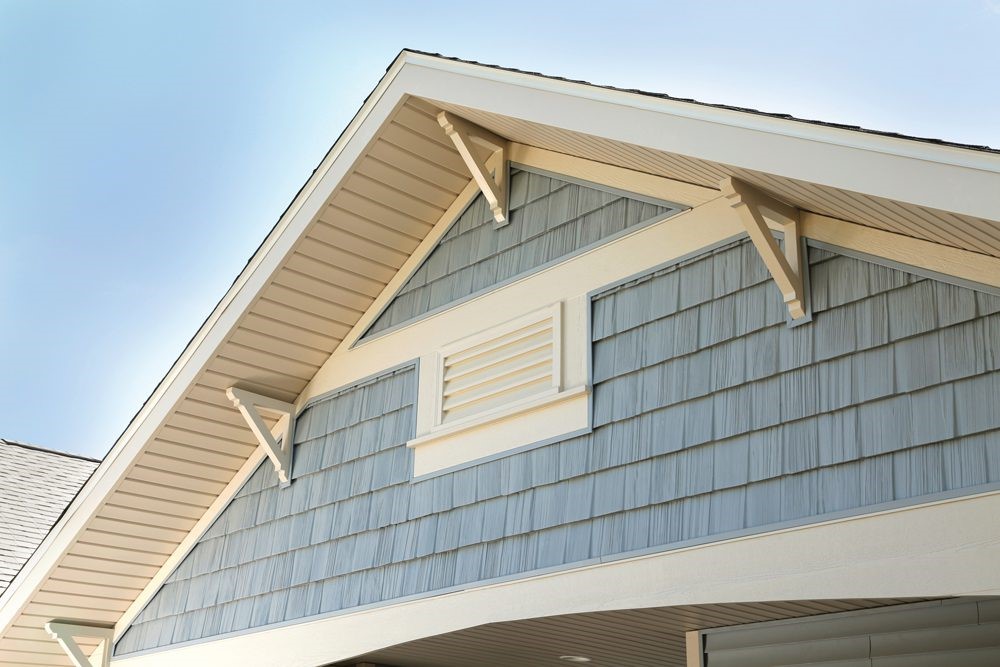
Credit: www.northeast-home.com
Frequently Asked Questions
What Are The Best Ways To Vent A House Effectively?
The best ways include using ridge vents, soffit vents, and attic fans. These promote airflow and remove excess heat and moisture. Proper vent placement ensures balanced ventilation and energy efficiency. This prevents mold and structural damage in your home.
Why Is House Ventilation Important For Indoor Air Quality?
House ventilation removes indoor pollutants, allergens, and moisture. It improves air circulation and reduces mold growth. Proper ventilation also controls humidity and prevents stale air buildup. This creates a healthier living environment and protects your home’s structure.
How Can I Vent My Attic To Reduce Heat?
Use a combination of intake vents like soffit vents and exhaust vents like ridge or gable vents. This allows hot air to escape while drawing in cooler air. Attic fans can also improve airflow and reduce attic temperatures significantly.
Can Improper House Ventilation Cause Structural Damage?
Yes, poor ventilation traps moisture, leading to mold, wood rot, and insulation damage. Excess humidity can weaken structural components over time. Proper ventilation helps maintain dry conditions, protecting your home’s integrity and preventing costly repairs.
Conclusion
Proper ventilation keeps your home fresh and healthy. It removes stale air and brings in clean air. Good airflow helps stop mold and moisture buildup. Simple steps like opening windows or adding vents make a big difference. Regular checks ensure your ventilation works well all year.
Breathe easier with a well-vented house. Start today for a more comfortable living space.



