
Are you wondering how your home stays cool in the summer and warm in the winter without you lifting a finger? The answer lies in something called central air and heat.
But what exactly is it, and how does it work to keep your space comfortable all year round? Understanding this system can help you make smarter choices for your home’s comfort and energy bills. Keep reading, and you’ll discover everything you need to know about central air and heat—and why it might be the perfect solution for your home.

Credit: www.furnaceprices.ca
Central Air And Heat Basics
Central air and heat systems provide a simple way to keep homes comfortable. They cool air in summer and warm it in winter. These systems use one main unit to serve the entire house. This makes them efficient and easy to control. Understanding the basics helps in choosing the right system and maintaining it well.
How Central Systems Work
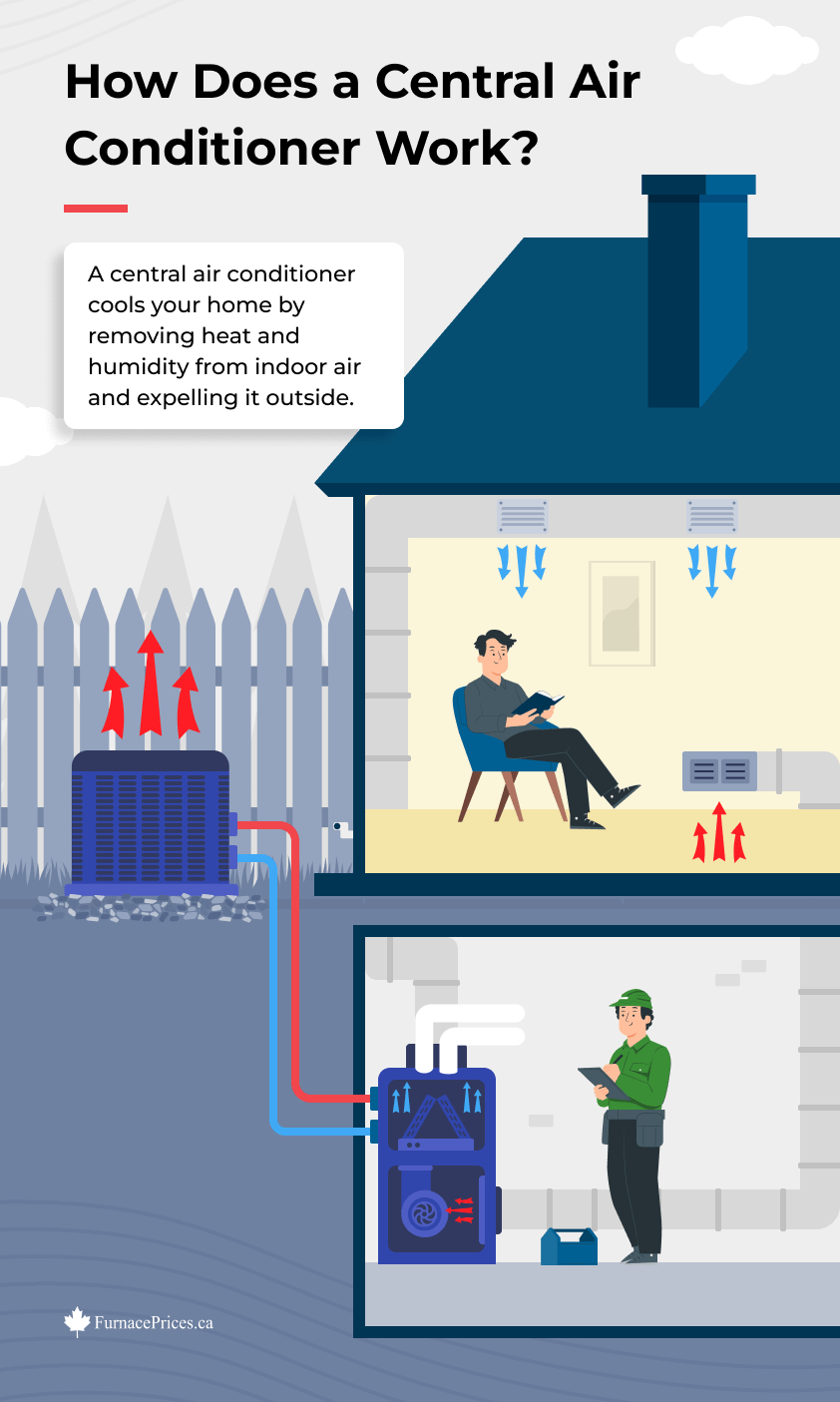
Central systems move air through a network of ducts. The system pulls warm or cool air into the main unit. It then changes the air temperature. Finally, the conditioned air flows through vents into rooms. A thermostat controls the temperature by turning the system on or off. This process keeps the house at a steady temperature.
Components Of Central Air And Heat
- Thermostat:Controls the system and sets the temperature.
- Air handler:Moves air through the ducts.
- Evaporator coil:Cools the air in summer.
- Heat exchanger:Warms the air in winter.
- Ductwork:Delivers air to different rooms.
- Outdoor unit:Houses the compressor and condenser.
Types Of Central Hvac Systems
- Split systems:Separate indoor and outdoor units. Common in homes.
- Packaged systems:All components in one outdoor unit. Saves indoor space.
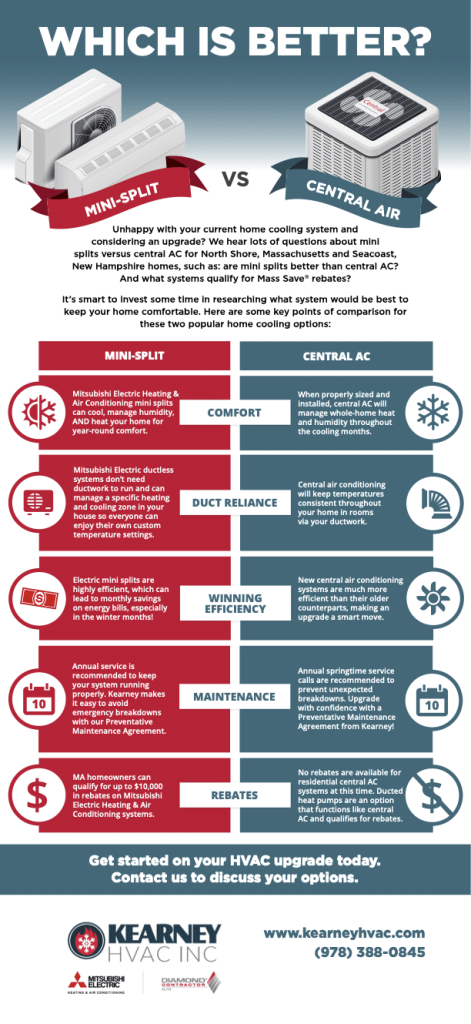
- Ductless mini-splits:No ducts needed. Good for rooms without ductwork.
- Hybrid systems:Combine electric heat pump with a furnace. Offers energy savings.
Benefits Of Central Air And Heat
Central air and heat systems offer many benefits for homes and offices. They provide a reliable way to keep indoor spaces comfortable all year. These systems combine cooling and heating in one unit, making temperature control easy and effective.
Enhanced Comfort
Central air and heat maintain a steady temperature throughout the building. No more hot or cold spots in different rooms. The system works quietly and keeps air moving evenly. This creates a pleasant and relaxing indoor environment.
Energy Efficiency
Modern central systems use less energy than older units. They adjust output to meet the exact heating or cooling needs. This saves money on utility bills. Efficient operation also reduces wear and tear, extending the system’s life.
Improved Air Quality
Central air and heat systems include filters that clean the air. They remove dust, pollen, and other allergens. This helps reduce breathing problems and allergies. Proper ventilation keeps the air fresh and healthy all year.
Energy Savings Tips
Saving energy with your central air and heat system is easier than you might think. Small changes in how you manage your system can lead to noticeable drops in your energy bills. Let’s look at some practical tips that you can start using today to keep your home comfortable without wasting power.
Smart Thermostat Use
A smart thermostat can learn your schedule and adjust temperatures automatically. This means your system doesn’t run when you’re not home or when you’re asleep, saving energy without sacrificing comfort.
Have you tried setting your thermostat a few degrees lower in winter or higher in summer? Even a 2-degree change can reduce energy use significantly. Plus, many smart thermostats let you control your system from your phone, so you can make changes on the go.
Regular Maintenance
Keeping your central air and heat system in good shape is key to energy savings. Dirty filters and clogged vents force your system to work harder, using more electricity.
Changing filters every 1-3 months and scheduling annual professional check-ups can keep your system running efficiently. A well-maintained system not only saves energy but also lasts longer, protecting your investment.
Sealing And Insulation
Even the best central air and heat system can waste energy if your home isn’t properly sealed. Gaps around windows, doors, and in the attic let heated or cooled air escape, making your system work overtime.
Check for leaks and add weatherstripping or caulking where needed. Improving insulation in your walls and attic also keeps your home’s temperature steady, reducing the load on your system. What areas in your home might be letting air slip away unnoticed?
Credit: www.furnaceprices.ca
Installation And Costs
Installing central air and heat systems requires careful planning and budgeting. These systems offer comfort but come with upfront costs. Understanding the installation process and cost factors helps in making smart choices.
Choosing The Right System
Select a system that fits your home size and climate. Look for energy-efficient models to save money long-term. Consider the type of fuel available, like electricity or gas. A system with the right capacity ensures effective heating and cooling. Consult a professional to evaluate your home’s needs.
Installation Process
Installation usually takes one to three days depending on home size. Technicians install ducts, vents, and the main unit outside or in a basement. They connect the thermostat and test the system for proper function. Proper installation avoids future repairs and improves efficiency. Always hire licensed professionals for safe and correct setup.
Budgeting And Financing
The average cost ranges from $3,000 to $7,000 or more. Costs vary based on system type, size, and installation complexity. Include permits, materials, and labor in your budget. Many companies offer financing options or payment plans. Check for local rebates or tax credits on energy-efficient systems. Planning finances in advance prevents surprises later.
Maintenance And Troubleshooting
Central air and heat systems cool and warm your home using one unit. Regular maintenance keeps them running smoothly. Troubleshooting helps fix common issues quickly and saves money.
Maintaining your central air and heat system is crucial for ensuring it runs smoothly and efficiently. Regular maintenance can prevent unexpected breakdowns and extend the life of your unit. Troubleshooting common issues can also save you time and money. So, how can you keep your system in top shape?Routine Checks
Routine checks are the backbone of a well-functioning central air and heat system. Start by inspecting and replacing air filters every one to three months. This simple step ensures optimal airflow and efficiency. Next, examine the thermostat settings to ensure they’re correct, especially as seasons change. Cleaning the outdoor unit by removing debris like leaves and twigs is also essential. These tasks are quick and can be done without professional help.Common Issues And Fixes
Even with regular maintenance, issues may arise. One common problem is the unit not cooling or heating properly. This could be due to a dirty air filter or blocked vents. Strange noises often signal loose parts or debris in the system. Tightening screws or cleaning the ducts can resolve these issues. If your unit frequently turns on and off, check the thermostat settings and wiring connections. Simple fixes can often solve these problems.When To Call A Professional
There are times when professional help is necessary. If you notice leaks around the unit, it could indicate a refrigerant issue, which requires a technician. Persistent electrical problems, like frequent circuit breaker trips, also warrant a call to a professional. Finally, if your unit is over 10 years old and frequently breaks down, consider consulting an expert about replacement options. Investing in professional advice can save you from future headaches and expenses. Maintaining and troubleshooting your central air and heat system doesn’t have to be daunting. With regular checks and simple fixes, you can ensure your system runs efficiently. And when in doubt, don’t hesitate to seek professional assistance.
Credit: 1clickheat.com
Upgrading And Replacing Systems
Upgrading or replacing your central air and heat system can improve comfort and lower energy bills. Older systems may not cool or heat well. Newer models offer better efficiency and cleaner air. Knowing when to upgrade helps avoid unexpected breakdowns and high repair costs.
Signs You Need An Upgrade
- System runs constantly without reaching desired temperature
- Unusual noises or frequent breakdowns
- Rising energy bills without increased use
- Uneven cooling or heating in different rooms
- System is over 10-15 years old
Energy-efficient Options
Modern systems use less energy and reduce utility bills. Look for units with a high Seasonal Energy Efficiency Ratio (SEER) rating. Heat pumps offer both heating and cooling in one system. Variable-speed fans adjust airflow for better comfort. Programmable thermostats help control temperature and save energy.
Recycling Old Equipment
Proper disposal of old units protects the environment. Many parts can be recycled, including metals and refrigerants. Contact local recycling centers or HVAC professionals for guidance. Some manufacturers offer take-back programs. Recycling reduces landfill waste and prevents harmful chemicals from leaking.
Frequently Asked Questions
What Is Central Air And Heat System?
Central air and heat is a combined HVAC system. It cools and heats your entire home through ducts. It uses one unit to maintain comfortable indoor temperatures year-round efficiently.
How Does Central Air And Heat Work?
Central air and heat circulates air via ducts. The system cools air in summer and heats it in winter. A thermostat controls temperature automatically for consistent comfort inside your home.
What Are The Benefits Of Central Air And Heat?
Central air and heat provides even temperature control throughout your home. It improves indoor air quality by filtering air. It’s energy-efficient, reduces noise, and adds convenience with a single system.
Is Central Air And Heat Expensive To Install?
Installation cost varies by home size and system type. Generally, central air and heat is more expensive upfront than window units. However, it saves money long-term with better energy efficiency and comfort.
Conclusion
Central air and heat keep your home comfortable all year. They cool the air in summer and warm it in winter. This system uses one unit to handle both tasks. It saves space and works quietly. Regular maintenance helps it run smoothly and last longer.
Choosing the right system depends on your home size and budget. Understanding how it works makes choosing easier. Stay comfortable no matter the season with central air and heat.



