
Have you ever wondered how fresh, clean air reaches you even in crowded or stuffy places? Positive pressure ventilation is the secret behind it.
It works by pushing air into a space, keeping harmful particles out and making the environment safer and more comfortable for you. Understanding how this system works can help you see why it’s used in hospitals, clean rooms, and even your own home.
Keep reading, and you’ll discover the simple science behind positive pressure ventilation—and why it matters for your health and comfort.
Basics Of Positive Pressure Ventilation
Understanding the basics of positive pressure ventilation (PPV) is essential if you want to grasp how life-saving breathing support works. At its core, PPV helps push air into the lungs, unlike normal breathing where air is pulled in naturally. This simple shift in how air moves can make a huge difference for people who struggle to breathe on their own.
What Is Positive Pressure Ventilation
Positive pressure ventilation means using a machine to force air into the lungs through a tube or mask. The machine increases the pressure in the airway, making air flow inward. This is the opposite of how you breathe normally, where your diaphragm creates a vacuum to pull air in.
Think about a scenario where someone cannot breathe deeply because of illness or injury. PPV takes over and ensures their lungs still get the oxygen they need. Have you ever wondered how hospitals keep patients breathing during surgery? This is the technology behind it.
Types Of Positive Pressure Ventilators
There are several types of ventilators, each designed for different needs and settings. Here are the main ones:
- Volume-Controlled Ventilators:Deliver a set amount of air with each breath. This helps maintain steady lung inflation.
- Pressure-Controlled Ventilators:Push air until a target pressure is reached, protecting delicate lung tissue.
- Continuous Positive Airway Pressure (CPAP):Provides constant pressure to keep airways open, often used for sleep apnea.
- Bi-level Positive Airway Pressure (BiPAP):Offers different pressures for inhaling and exhaling, making breathing easier for some patients.
Each type has its strengths. If you or a loved one ever face respiratory issues, knowing these options can help you ask the right questions and understand the care being provided.
Mechanism Of Action
Positive pressure ventilation works by pushing air into the lungs. This process helps patients breathe when they cannot do so naturally. Understanding its mechanism reveals how it supports breathing and oxygen delivery.
How Airflow Is Generated
Airflow starts from a machine that produces a steady stream of air. The machine forces air through a tube connected to the patient’s airway. This push moves air into the lungs, filling them with oxygen-rich air.
The machine controls the amount and speed of air delivered. It adjusts airflow based on the patient’s needs. This ensures the lungs get enough air without causing damage.
Role Of Pressure In Ventilation
Pressure plays a key role in positive pressure ventilation. The machine increases the pressure inside the airway. This higher pressure pushes air into the lungs against their natural resistance.
Once the lungs fill, the pressure decreases, allowing air to flow out. This cycle of pressure changes mimics normal breathing patterns. It helps keep the lungs open and improves oxygen exchange.
Components Of The Ventilator System
The ventilator system has several key components that work together to support breathing. Each part plays a vital role in delivering air to the lungs efficiently and safely. Understanding these components helps explain how positive pressure ventilation operates smoothly.
Air Delivery Circuit
The air delivery circuit moves air from the machine to the patient’s lungs. It includes tubes, valves, and connectors. These parts create a sealed path for the air to flow without leaks. The circuit often has a mask or an endotracheal tube to attach to the patient.
This circuit controls the pressure and volume of air delivered. It ensures the lungs receive the right amount of air at the correct pressure. Filters may be added to keep the air clean and reduce infection risks.
Control And Monitoring Units
The control unit manages how the ventilator works. It sets the air pressure, flow rate, and timing of breaths. Medical staff use this unit to adjust settings based on the patient’s needs.
Monitoring units track vital information during ventilation. They display data such as airway pressure, oxygen levels, and respiratory rate. Alarms alert caregivers if any parameter goes beyond safe limits.
These units work together to keep ventilation safe and effective. They allow quick responses to changes in the patient’s condition.

Credit: www.jacc.org
Ventilation Modes
Positive pressure ventilation uses different modes to support breathing. Each mode controls airflow and pressure uniquely. These modes help tailor treatment to patient needs. Understanding how they work clarifies ventilation’s role in care.
Volume-controlled Ventilation
This mode delivers a fixed volume of air with each breath. The machine ensures the set amount reaches the lungs. Pressure may vary to achieve this volume. It helps maintain consistent oxygen levels. Caregivers monitor pressure to avoid lung injury.
Pressure-controlled Ventilation
The machine delivers air until a set pressure is reached. The volume of air can change with lung compliance. This mode protects lungs from high pressure. It is useful for patients with fragile lungs. The goal is to provide gentle, steady breaths.
Spontaneous Breathing Support
This mode assists patients who can breathe partly on their own. The ventilator supports each breath with extra pressure. It reduces the effort needed to inhale. It helps patients regain normal breathing strength. Support adjusts to match the patient’s effort.
Benefits Of Positive Pressure Ventilation
Positive pressure ventilation works by pushing air into the lungs, improving oxygen flow. It supports breathing, especially for those with respiratory issues. This method enhances air exchange and reduces the effort needed to breathe.
The benefits of positive pressure ventilation (PPV) are profound, impacting both patients and healthcare providers. This technique, often used in medical settings to assist patients with breathing difficulties, can significantly enhance the quality of life for those in need of respiratory support. Let’s delve into some specific advantages of PPV that make it a critical intervention in respiratory care.Improved Oxygenation
Positive pressure ventilation plays a vital role in boosting oxygen levels in the blood. By delivering air directly into the lungs, PPV ensures that oxygen is adequately distributed throughout the body. This can be a game-changer for patients suffering from conditions like COPD or pneumonia, where oxygen delivery is compromised. Imagine being able to breathe easier and feeling the energy that comes from improved oxygenation. The impact on daily activities is immense. Patients often experience a reduction in fatigue, allowing them to engage more fully in their lives.Reduced Work Of Breathing
PPV reduces the effort required to breathe, which can be incredibly taxing for individuals with respiratory issues. By mechanically assisting the inhalation process, it alleviates the strain on the respiratory muscles. This not only provides immediate relief but also conserves energy for the patient. Think about the freedom that comes with not having to constantly fight for every breath. With reduced respiratory effort, patients can focus on recovery and other aspects of their health. The psychological benefits of this relief are just as important as the physical ones, offering peace of mind to both patients and caregivers. As you consider these benefits, how might they change the approach to treating respiratory illnesses? Could PPV be the key to unlocking a better quality of life for those struggling to breathe? These questions highlight the transformative potential of positive pressure ventilation in modern healthcare.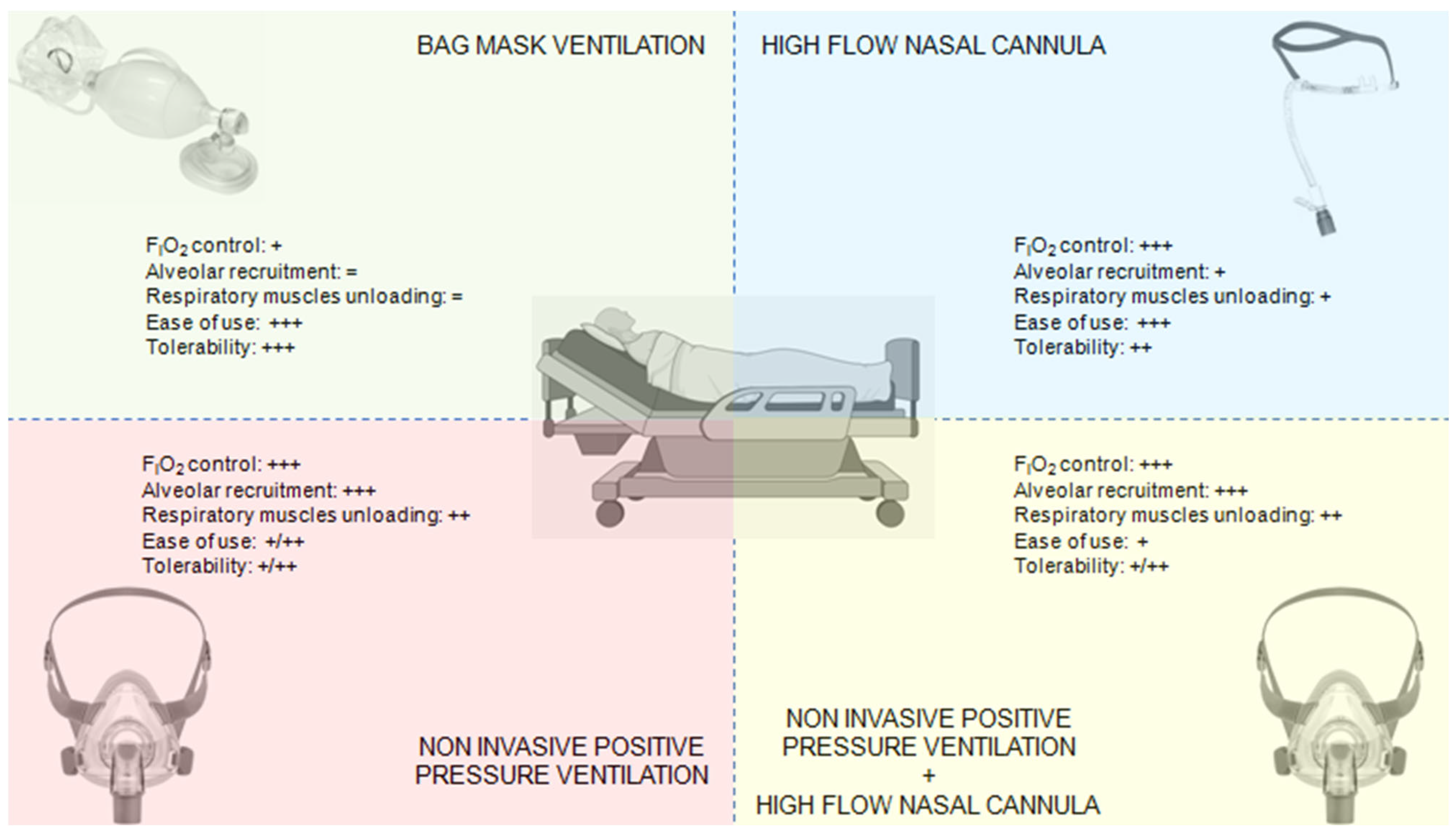
Credit: www.mdpi.com
Common Applications
Positive pressure ventilation helps push air into the lungs using controlled pressure. This method supports breathing in many situations. It improves oxygen delivery and assists patients who struggle to breathe on their own. Below are the common applications where positive pressure ventilation plays a vital role.
Critical Care Settings
In critical care, positive pressure ventilation supports patients with severe breathing problems. It is used in intensive care units (ICUs) to help those with lung failure or after major injuries. The ventilator ensures proper oxygen levels and reduces breathing effort. This support is often life-saving for patients with respiratory distress or during coma.
Surgical Procedures
During surgeries, patients often require breathing support. Positive pressure ventilation keeps the lungs inflated while under anesthesia. It ensures stable oxygen supply and removes carbon dioxide efficiently. This ventilation method is essential for safe anesthesia and smooth recovery after surgery.
Home Ventilation Support
Some people need long-term breathing help at home. Positive pressure ventilation devices offer comfort and safety outside hospitals. They assist patients with chronic lung diseases or neuromuscular conditions. Home ventilation improves quality of life and reduces hospital visits.
Potential Risks And Safety Measures
Positive pressure ventilation is a vital tool for supporting breathing. Yet, it carries potential risks that need careful management. Understanding these risks helps protect patients and ensures safe treatment. Safety measures reduce harm and improve outcomes during ventilation.
Barotrauma And Lung Injury
Barotrauma happens when air pressure from the ventilator causes lung damage. Excessive pressure can stretch or rupture the lung tissues. This leads to pain, bleeding, or air leaking into the chest cavity.
To prevent barotrauma, ventilator settings must be adjusted carefully. Using the lowest effective pressure helps protect the lungs. Doctors watch for signs of distress or changes in breathing during treatment.
Monitoring And Alarms
Continuous monitoring is essential for patient safety during ventilation. Machines track pressure, volume, and oxygen levels in real time. Alerts sound if any values fall outside safe ranges.
Alarms prompt quick action to fix problems like blockages or leaks. Nurses and doctors rely on these warnings to adjust the ventilator or check the patient. Proper monitoring reduces risks and improves treatment success.

Credit: www.jacc.org
Frequently Asked Questions
What Is Positive Pressure Ventilation?
Positive pressure ventilation is a method that pushes air into the lungs. It helps patients breathe when they cannot do so naturally. This technique improves oxygen delivery and removes carbon dioxide effectively.
How Does Positive Pressure Ventilation Improve Breathing?
It forces air into the lungs, expanding the airways and alveoli. This increases oxygen intake and helps remove carbon dioxide. The process supports proper gas exchange, essential for patients with respiratory difficulties.
Where Is Positive Pressure Ventilation Commonly Used?
This ventilation is widely used in hospitals, especially in ICUs and during surgeries. It assists patients with respiratory failure or those under anesthesia. It is also crucial in emergency respiratory care.
What Are The Benefits Of Positive Pressure Ventilation?
It enhances oxygen supply and removes carbon dioxide efficiently. It reduces the work of breathing for patients. This ventilation supports recovery in various respiratory conditions and improves overall lung function.
Conclusion
Positive pressure ventilation helps push air into the lungs. It supports breathing when natural effort is weak or stopped. The machine controls air flow and pressure carefully. This keeps oxygen levels steady and helps remove carbon dioxide. Understanding how it works can ease worries about its use.
It plays a vital role in medical care for many patients. Clear, steady breathing means better healing and comfort. Knowing these basics makes the process less confusing. A simple tool making a big difference in health.



