
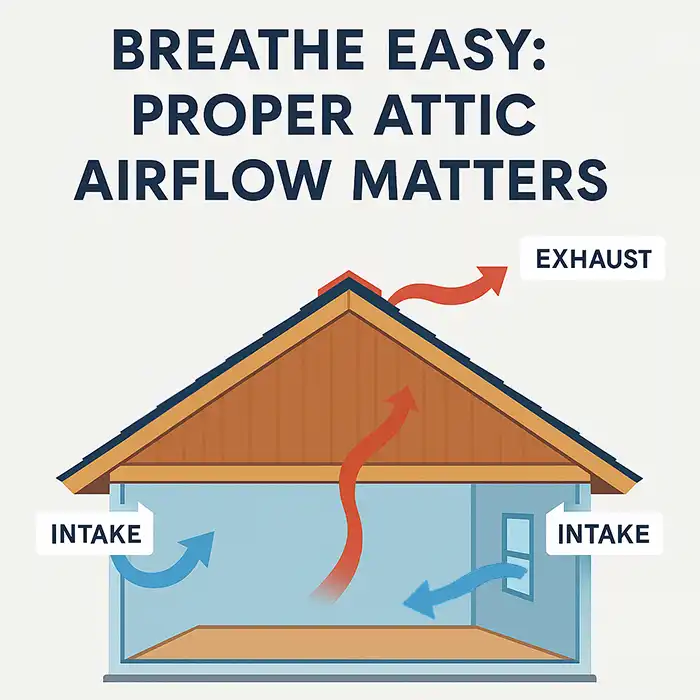
Have you ever walked into a room and immediately felt fresh and comfortable? That’s the power of being well ventilated.
But what does well ventilated really mean for your home, office, or any space you spend time in? Understanding this can transform how you feel every day, boost your health, and even improve your focus. Keep reading to discover why proper ventilation matters so much and how you can tell if your space is truly well ventilated.
Your comfort and well-being depend on it.
Meaning Of Well Ventilated
Understanding what it means to have a well ventilated space can change how you feel in your home or office. It’s not just about having windows open; it’s about how air moves and refreshes the environment around you. When a room is well ventilated, it feels comfortable, fresh, and healthy.
Airflow Basics
Airflow is the movement of air through a space. It helps remove stale air and brings in fresh oxygen.
Good airflow prevents stuffiness, reduces odors, and controls humidity. Without proper airflow, you might notice a room feels heavy or smells unpleasant.
Think about how a fan makes you feel cooler by moving air around. That’s a simple example of improving airflow.
Ventilation Types
There are different ways to ventilate a space, each with its own benefits.
- Natural Ventilation:This uses windows, doors, and vents to let air flow in and out naturally. It’s energy-efficient but depends on weather and building design.
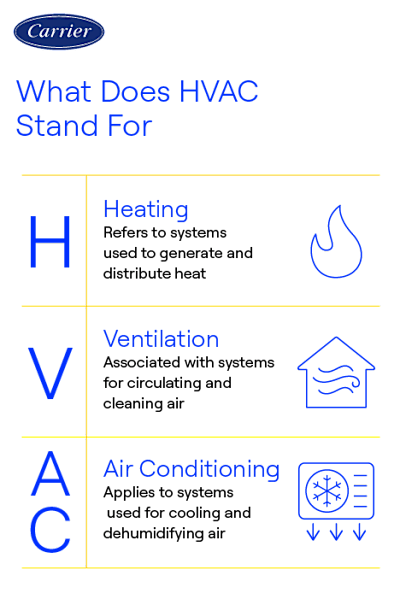
- Mechanical Ventilation:Systems like exhaust fans or HVAC units actively move air. They work well in places without good natural airflow.
- Hybrid Ventilation:This combines natural and mechanical methods to keep air fresh in all conditions.
Have you checked if your room has enough airflow or the right type of ventilation? Sometimes a small change, like adding a vent or using a fan, can make a big difference in how your space feels.
Credit: www.carrier.com
Benefits For Health
Good ventilation plays a key role in maintaining a healthy indoor environment. It helps keep the air fresh and clean. A well-ventilated space supports better breathing and lowers the risk of health issues. Fresh air circulation reduces harmful substances and boosts overall comfort.
Improved Air Quality
Proper ventilation brings fresh air inside and removes stale air. This process reduces the buildup of carbon dioxide and odors. It balances humidity levels, preventing dampness that can cause mold. Clean air reduces headaches and fatigue, helping you feel better daily.
Reduced Allergens And Pollutants
Ventilation helps remove dust, pollen, and other allergens from the air. It also reduces indoor pollutants like smoke and chemicals. This lowers allergy symptoms and asthma attacks. Cleaner air means fewer breathing problems and a healthier home environment.
Signs Of Poor Ventilation
Poor ventilation can sneak into your living space without you noticing right away. It affects air quality and comfort, but how can you tell if your home or office isn’t ventilated well? Watching for certain signs can help you catch the problem before it worsens.
Musty Odors
Have you ever walked into a room and immediately noticed a damp, stale smell? That’s often a clear sign of poor ventilation. Musty odors usually come from trapped moisture and lack of fresh air circulation.
These smells don’t just make your space unpleasant; they can indicate unseen issues like mold growth or decaying materials. If you find yourself constantly trying to air out a room without success, it’s time to check your ventilation system.
Condensation And Mold
Do you see water droplets forming on windows or walls? Condensation buildup happens when moist air doesn’t escape, which is a common effect of poor ventilation. Over time, this moisture creates the perfect environment for mold to develop.
Mold isn’t just an eyesore; it can trigger allergies and respiratory problems. If you notice any discoloration or musty patches on surfaces, don’t ignore them. Addressing ventilation issues quickly can prevent mold from spreading and protect your health.
Credit: www.firststarexteriors.com
Ventilation Methods
Understanding ventilation methods is key to creating a space that feels fresh and comfortable. Ventilation isn’t just about opening a window; it’s about how air moves through your environment to keep it healthy and pleasant. Different techniques suit different spaces and needs, so knowing your options helps you make smarter choices.
Natural Ventilation
Natural ventilation uses the power of wind and temperature differences to move air through your space. It’s as simple as opening windows or doors on opposite sides of a room to create a breeze that pushes stale air out and pulls fresh air in.
This method is energy-efficient and easy to control, but it depends heavily on weather and building design. Have you noticed how some older homes feel cooler in summer just by opening windows? That’s natural ventilation working well.
To improve natural ventilation, you can add vents near the ceiling or floor, helping air circulate better. Even small changes, like adjusting curtains or furniture placement, can influence airflow.
Mechanical Ventilation
Mechanical ventilation uses fans and other devices to force air into or out of your space. This method is especially useful when natural airflow isn’t enough or when you need consistent air quality regardless of outside conditions.
There are different types of mechanical systems, such as exhaust fans that pull air out or supply fans that bring fresh air in. Some systems even filter the air to remove dust and allergens, which can be a big help if you suffer from allergies.
Think about your kitchen or bathroom: mechanical ventilation prevents moisture buildup and odors, protecting your home from mold and unpleasant smells. Could adding a small exhaust fan make a big difference in your comfort?
Designing Ventilated Spaces
Designing well-ventilated spaces improves air quality and comfort. Proper airflow removes stale air and brings fresh air inside. Thoughtful design helps reduce moisture, odors, and indoor pollutants. It also controls temperature naturally, making rooms feel cooler without extra energy use.
Window Placement
Windows play a key role in ventilation. Place windows on opposite walls for cross ventilation. This setup allows air to flow freely through the room.
High and low window placement helps hot air escape and cool air enter. Use operable windows that open wide to increase airflow. Avoid blocking windows with furniture or heavy curtains.
Vent And Fan Options
Vents and fans enhance air movement in spaces with limited windows. Install exhaust fans in kitchens and bathrooms to remove moisture and odors.
Ceiling fans circulate air and keep rooms fresh. Use vents near the ceiling to let warm air escape easily. Mechanical ventilation systems can also supply fresh air continuously.
Credit: lifestyle.sustainability-directory.com
Maintaining Ventilation Systems
A well-ventilated space allows fresh air to flow freely, removing stale air and moisture. This helps keep the area comfortable and healthy. Proper ventilation prevents mold and reduces odors in homes and buildings.
Maintaining Ventilation Systems Ensuring that your home or office has a well-ventilated environment is crucial for comfort and health. A key aspect is maintaining your ventilation systems. Regular upkeep not only extends the life of your system but also ensures optimal air quality. So, how do you keep these systems in top-notch condition?Regular Cleaning
Dust and debris can accumulate in ventilation systems, hindering airflow. Regular cleaning helps prevent this buildup. Use a vacuum with a brush attachment to clean vents and ducts. A simple yet effective habit is wiping down grilles and registers with a damp cloth. Doing this every few months can make a significant difference. Have you checked your filters lately? A clogged filter can drastically reduce efficiency.System Inspections
Regular inspections are essential for spotting potential issues early. Look for signs of wear and tear, like unusual noises or decreased airflow. You can perform basic checks yourself, but it’s wise to schedule professional inspections annually. They have the expertise to catch issues you might overlook. Wouldn’t you rather prevent a costly repair down the line? Maintaining your ventilation system doesn’t have to be daunting. With these simple steps, you can ensure a healthy and comfortable indoor environment. Are you ready to make your space well-ventilated?Impact On Energy Efficiency
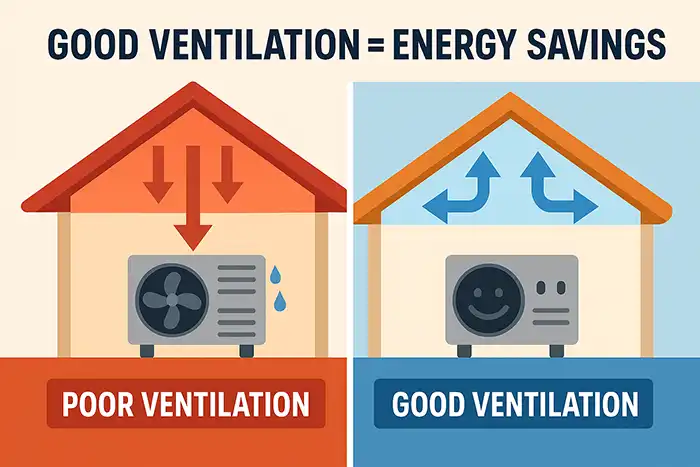
When discussing what “well-ventilated” means, you might not immediately think about energy efficiency. Yet, it plays a crucial role in how your home or office consumes energy. Proper ventilation can significantly reduce energy wastage, leading to lower utility bills and a more sustainable living environment. But how do you strike the right balance?
Balancing Ventilation And Heating
You might wonder how to maintain a well-ventilated space without compromising on warmth. A common misconception is that more ventilation leads to higher heating costs. However, effective ventilation actually helps in retaining heat by reducing moisture buildup, which can make your home feel colder.
In my own experience, installing a heat recovery ventilation system made a world of difference. It allowed fresh air to circulate while capturing and reusing heat from outgoing air. This simple change resulted in a noticeable drop in my energy bills during the colder months.
Energy-saving Tips
- Use Energy-Efficient Ventilation Systems:Invest in systems like HRVs (Heat Recovery Ventilators) or ERVs (Energy Recovery Ventilators) that maintain air quality and temperature.
- Smart Thermostats:Adjust your heating schedule based on when your home is naturally warmer due to sunlight or cooking activities.
- Regular Maintenance:Ensure that vents and filters are clean and functioning optimally to avoid unnecessary energy consumption.
Consider the role of natural ventilation, like opening windows at strategic times, to let in fresh air without losing too much heat. Have you ever tried using a timer for your heating system? It can be a game-changer, allowing you to tailor heating to your daily routine efficiently.
Achieving the right balance in ventilation not only makes your space comfortable but also keeps your energy usage in check. How could you tweak your ventilation habits for better energy efficiency?
Common Ventilation Mistakes
Common ventilation mistakes reduce fresh air flow inside homes or buildings. These errors cause stuffy rooms and poor air quality. They make spaces uncomfortable and unhealthy. Avoiding these mistakes improves air movement and comfort.
Blocked Airflow
Furniture or curtains often block vents and windows. This stops fresh air from entering rooms. Dust and dirt can clog vents, reducing air movement. Blocked airflow leads to stale and damp spaces. Keep vents clear and clean for better ventilation.
Over-reliance On Air Conditioning
Many rely too much on air conditioners. These units cool but do not bring in fresh air. Without fresh air, indoor pollution builds up quickly. Air conditioning can mask ventilation problems but does not fix them. Use fans and open windows to improve air circulation.
Frequently Asked Questions
What Does Well Ventilated Mean In A Room?
Well ventilated means a room has good air circulation. Fresh air enters while stale air exits, reducing humidity and pollutants.
Why Is Well Ventilation Important For Health?
Good ventilation improves indoor air quality. It reduces allergens, mold, and harmful gases, supporting better breathing and overall health.
How To Check If A Room Is Well Ventilated?
Look for airflow sources like open windows, vents, or exhaust fans. Notice if the air feels fresh and not stuffy.
What Are Common Signs Of Poor Ventilation?
Signs include dampness, mold growth, unpleasant odors, and condensation on windows. These indicate insufficient air exchange and stale indoor air.
Conclusion
Good airflow helps keep rooms fresh and healthy. It removes bad smells and stops dampness. A well-ventilated space feels more comfortable to live in. Simple steps, like opening windows, improve air quality a lot. Proper ventilation also protects your home from mold and damage.
Remember, fresh air supports your health and well-being every day. Small changes can make a big difference indoors. Keep your spaces well ventilated to breathe easier and stay safe.



