
Are you feeling stuffy or noticing lingering odors in your home? Poor ventilation might be the hidden culprit affecting your comfort and health.
Improving the airflow in your house isn’t just about fresh air—it can boost your energy, reduce allergens, and even lower your energy bills. You’ll discover simple, practical ways to improve ventilation that anyone can do. Keep reading to unlock the secrets to a fresher, healthier living space you’ll love coming back to.
Benefits Of Good Ventilation
Good ventilation plays a key role in creating a healthy home. It helps move fresh air inside and pushes stale air out. This exchange improves air quality and keeps your living space comfortable. Proper ventilation also protects your house from damage caused by moisture. Healthy air and a dry home make life better for everyone inside.
Improves Indoor Air Quality
Ventilation removes pollutants like dust, smoke, and pet dander. It lowers the concentration of harmful gases such as carbon monoxide. Fresh air reduces odors and allergens that cause discomfort. Cleaner air helps prevent respiratory problems and allergies.
Controls Humidity And Moisture
Good airflow reduces excess moisture in the home. It stops mold and mildew from growing on walls and furniture. Proper ventilation protects wood and paint from damage. A dry home feels fresher and stays in better condition.
Enhances Comfort And Temperature
Ventilation balances indoor temperature by allowing cool air in. It helps remove hot, stuffy air during warm seasons. Proper airflow can reduce the need for air conditioning. Comfortable air improves your overall living experience.
Boosts Energy Efficiency
Fresh air circulation reduces the need for heating and cooling systems. It helps maintain a steady indoor climate. Well-ventilated homes often use less energy. Lower energy use means reduced utility bills and less environmental impact.

Credit: makeitright.ca
Signs Of Poor Airflow
Poor airflow in a house affects comfort and health. It causes problems that can be easy to notice. Recognizing these signs helps fix ventilation issues early.
Stale Or Musty Smells
Bad airflow leads to smells that won’t go away. These odors often come from damp areas. They make rooms feel unpleasant and stuffy.
Condensation On Windows
Water drops on windows show poor air movement. This happens when moist air stays inside. It can cause mold and damage to walls.
Uneven Room Temperatures
Some rooms feel hot while others are cold. This means air does not circulate well. It causes discomfort and wastes energy.
Visible Mold Or Mildew
Mold spots often grow in corners or near vents. Poor ventilation traps moisture, helping mold to grow. Mold can harm health and ruin surfaces.
Excessive Dust Build-up
Dust settles quickly when air is still. Without fresh air moving, dust collects on furniture and floors. It can worsen allergies and breathing issues.
Feeling Of Heavy Or Stuffy Air
Rooms with poor airflow feel hard to breathe in. The air feels thick and uncomfortable. It can cause headaches and tiredness.
Natural Ventilation Methods
Natural ventilation methods use the outdoor air to improve airflow inside your house. These methods reduce stuffiness and help control indoor temperature. They are simple, energy-saving, and can make your home feel fresher and more comfortable.
Using Windows And Doors
Open windows and doors to let fresh air enter your home. Place them on opposite sides of a room or hallway. This allows air to flow in and push stale air out. Keep windows open during cooler parts of the day for best results.
Use window screens to keep bugs out while letting air in. Sliding or casement windows can direct airflow better than fixed ones. Doors with vents or grilles also help air move between rooms.
Cross-ventilation Techniques
Cross-ventilation works by creating a path for air to flow through your house. Open windows or vents on two opposite walls. The wind enters from one side and exits on the other, carrying heat and moisture away.
Use fans near windows to boost this effect. Position furniture to avoid blocking airflow. Rooms with doors or openings aligned in a straight line get the most benefit.
Ventilation With Vents And Louvers
Vents and louvers are openings designed to let air move without fully opening windows or doors. They help air circulate quietly and safely. Install wall or roof vents in key places like kitchens and bathrooms.
Louvers can be adjusted to control airflow direction and amount. They prevent rain and insects from entering while allowing air exchange. Use vents with filters to keep dust and pollen out.
Mechanical Ventilation Options
Mechanical ventilation improves air flow by using devices to move air in and out. It helps remove stale air and brings fresh air inside. These systems control humidity and reduce indoor pollutants. They work best in homes that are tightly sealed or lack natural ventilation.
Exhaust Fans In Key Areas
Exhaust fans remove moisture and odors from bathrooms and kitchens. They stop mold growth by reducing humidity. Install fans near showers, stoves, and laundry rooms. Choose fans with enough power for the room size. Use timers or humidity sensors for automatic control.
Whole-house Ventilation Systems
Whole-house systems exchange indoor air with fresh outdoor air. They keep air balanced and prevent drafts. Types include:
- Supply ventilation: brings fresh air inside.
- Exhaust ventilation: removes indoor air.
- Balanced ventilation: supplies and exhausts air equally.
- Heat recovery ventilators: recycle heat while exchanging air.
These systems improve comfort and air quality throughout the home. Proper installation and maintenance ensure efficiency.
Using Air Purifiers And Dehumidifiers
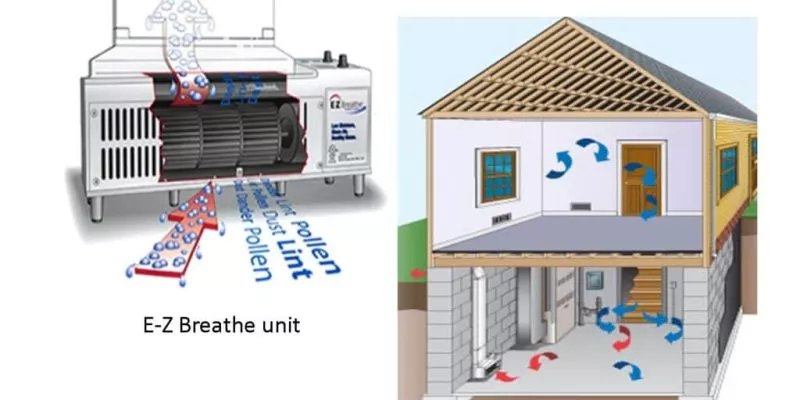
Air purifiers clean dust, pollen, and allergens from the air. They help people with allergies or asthma. Choose purifiers with HEPA filters for best results.
Dehumidifiers reduce excess moisture. They prevent mold and dust mites. Use in basements or damp rooms. Set the humidity level between 30% and 50% for comfort.
Improving Ventilation In Specific Rooms
Improving airflow in specific rooms helps keep air fresh and reduces moisture. Opening windows and using fans can boost ventilation effectively. Adjust vents and clear blockages to ensure smooth air movement throughout the space.
Improving Ventilation in Specific Rooms Enhancing the air quality in your home is not just about comfort—it’s crucial for your health. Different rooms in your house have unique ventilation needs. Let’s dive into some practical solutions for specific areas of your home.Kitchen Ventilation Tips
The kitchen can be a hotspot for odors and smoke. Ensure your range hood is working effectively by cleaning the filters regularly. If possible, cook with windows open to allow steam and smells to escape. Consider installing an exhaust fan that vents outside. It can be a game-changer in keeping your kitchen air fresh. Also, avoid blocking vent openings with appliances or other items.Bathroom Airflow Solutions
Bathrooms are prone to moisture and musty odors. Ensure your exhaust fan is strong enough to remove steam quickly. A fan with a humidity sensor can be a smart investment, automatically turning on when moisture levels rise. Keep bathroom doors open after showers to allow fresh air to circulate. Adding a small window fan can also help, pulling fresh air in while pushing humid air out.Enhancing Bedroom Air Quality
Your bedroom should be a sanctuary with crisp, clean air. Try sleeping with a window slightly open to improve air circulation. Regularly clean your air conditioning filters to ensure they aren’t recirculating dust and allergens. Consider using an air purifier to remove pollutants and allergens. You can also place indoor plants like snake plants or peace lilies to naturally enhance air quality. How does your bedroom’s air quality stack up right now?
Credit: ezbreathe.com
Maintaining Ventilation Systems
Maintaining your ventilation systems is essential for keeping fresh air flowing and ensuring a healthy home environment. Neglecting this upkeep can reduce system efficiency and even lead to air quality problems. Small, regular efforts can make a big difference in how well your ventilation works.
Cleaning And Replacing Filters
Filters trap dust, pollen, and other particles before they enter your home’s air. Over time, these filters get clogged and restrict airflow, making your system work harder.
Check your filters every month, especially during high-use seasons. Replace them at least every three months or sooner if they look dirty. Using high-quality filters can improve air quality and extend the life of your ventilation system.
Regular System Inspections
Inspect your ventilation system regularly to spot issues before they become costly problems. Look for signs like unusual noises, reduced airflow, or strange odors.
Hiring a professional for a thorough check-up once a year ensures all components are working properly. You can also inspect vents and ducts yourself, making sure they are clean and free from blockages.
Preventing Mold And Moisture
Moisture buildup can lead to mold, which thrives in poorly ventilated spaces and harms your health. Pay attention to areas like bathrooms, kitchens, and basements where moisture tends to collect.
Use exhaust fans during and after activities that produce moisture. Fix leaks immediately and keep humidity levels below 60% with a dehumidifier if needed. Have you noticed any musty smells or visible mold? Addressing these early protects your home and family.
Energy Efficiency And Ventilation
Energy efficiency and ventilation often seem at odds. You want fresh air circulating without wasting energy or hiking your bills. The good news? You can improve airflow while keeping your home’s energy use in check. It just takes smart choices and a bit of attention to detail.
Balancing Airflow And Energy Use
Too much ventilation can make your heating or cooling system work overtime. Too little, and your indoor air quality suffers. Striking the right balance is key.
Consider using adjustable vents and fans that respond to your needs throughout the day. For example, opening windows during mild weather and closing them when it’s too hot or cold helps maintain comfort without energy waste.
Have you noticed how a well-placed ceiling fan can circulate air efficiently? It can reduce the need for constant air conditioning, saving energy while keeping you comfortable.
Using Energy Recovery Ventilators
Energy Recovery Ventilators (ERVs) bring fresh air in and push stale air out, all while transferring heat and moisture between the two air streams. This means you get ventilation without losing the temperature you’ve worked to achieve.
If you’ve ever felt the chill when opening a window in winter, an ERV can prevent that discomfort. It saves energy by warming incoming air with the heat from outgoing air.
Installing an ERV might seem like a bigger upfront cost, but think of it as an investment. It reduces energy bills and keeps your home healthier year-round.
Sealing And Insulating Properly
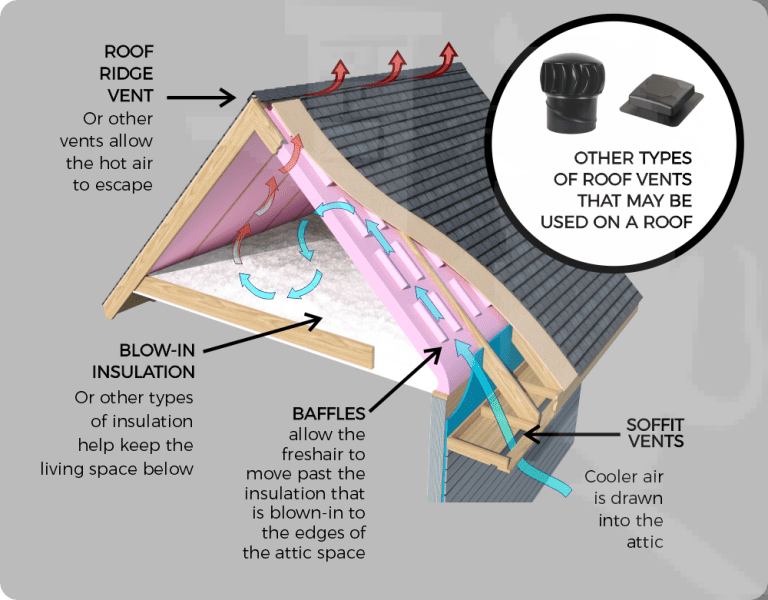
Leaks around windows, doors, and in the attic can let conditioned air escape and let outdoor air in unexpectedly. This forces your HVAC system to work harder.
Sealing cracks with weatherstripping or caulk and adding insulation where needed helps control airflow. It makes ventilation more effective because you’re not losing energy through gaps.
Have you checked your home for drafts lately? Even small leaks add up. A well-sealed home paired with proper ventilation means you breathe easier and pay less for energy.
Credit: www.northeast-home.com
Diy Ventilation Improvements
Improving airflow in your home helps keep the air fresh and reduces moisture. Open windows, use fans, and clear vents to boost circulation. Small changes can make your house feel healthier and more comfortable.
Improving your home’s ventilation doesn’t have to be a daunting task. With some simple DIY techniques, you can enhance airflow and create a healthier living environment. These small changes can make a big difference. Ready to get started? Let’s dive into some practical ways you can improve your home’s ventilation today.Installing Window Fans
Window fans are an effective and affordable way to boost ventilation. Install them in a way that allows fresh air to enter and stale air to exit. For example, place one fan in a window facing outwards to expel hot air, and another in a different window to draw cool air in. This creates a cross-ventilation effect, which can significantly improve air circulation. Have you ever noticed how much cooler a room feels when there’s a breeze? Window fans can replicate that effect indoors.Adding Vent Covers
Vent covers might seem like a small detail, but they play a crucial role in managing airflow. Choose adjustable vent covers that allow you to control the direction and flow of air. This can help you direct air to where it’s needed most. For instance, during summer, you might want more airflow in the living room and less in the bedroom.Creating Airflow Paths
Creating clear airflow paths is vital for effective ventilation. Keep doors open between rooms to allow air to move freely throughout your home. If privacy is a concern, consider installing louvered doors, which permit airflow while maintaining privacy. You could also use strategically placed floor fans to help guide air through your home, ensuring that every corner feels fresh and inviting. Improving ventilation doesn’t just enhance comfort; it contributes to a healthier living environment. By making these simple DIY improvements, you can enjoy cleaner air and a more pleasant home atmosphere. Ready to breathe easier? Start with these tips and notice the difference in your home’s air quality.Frequently Asked Questions
How Can I Naturally Improve Home Ventilation?
Open windows and doors regularly to allow fresh air to flow. Use exhaust fans in kitchens and bathrooms to remove stale air and moisture efficiently.
What Are The Best Ventilation Systems For Houses?
Energy Recovery Ventilators (ERV) and Heat Recovery Ventilators (HRV) are effective. They exchange indoor air with fresh outdoor air while saving energy.
How Does House Insulation Affect Ventilation?
Proper insulation reduces drafts but can limit airflow. Balancing insulation with ventilation ensures fresh air without energy loss.
Can Indoor Plants Improve Ventilation?
Indoor plants help improve air quality by absorbing pollutants. However, they do not replace mechanical or natural ventilation methods.
Conclusion
Good ventilation keeps your home fresh and healthy. Open windows often for fresh air flow. Use fans to move air around rooms. Keep vents clean and unblocked at all times. Plants can help improve indoor air quality. Small changes make a big difference in comfort.
Breathe easier with simple ventilation habits daily. Healthy air supports better sleep and mood. Start with easy steps and build from there. Your home will feel brighter and more inviting.



