
Have you ever wondered how your home can stay fresh and comfortable without wasting energy? A Heat Recovery Ventilation (HRV) system might be the answer you’re looking for.
This smart technology helps bring clean air into your space while saving energy and cutting down on heating or cooling costs. If you want to breathe easier and make your home more efficient, understanding how an HRV system works could change the way you think about indoor air quality forever.
Keep reading to discover what a Heat Recovery Ventilation system is and why it might be the perfect upgrade for your home.
Credit: www.ehprenewables.com
Heat Recovery Ventilation Basics
Heat recovery ventilation (HRV) systems help keep indoor air fresh and clean. They bring in fresh air while removing stale air. This exchange saves energy and keeps your home comfortable all year. Understanding the basics of HRV shows how it improves indoor air quality efficiently.
How It Works
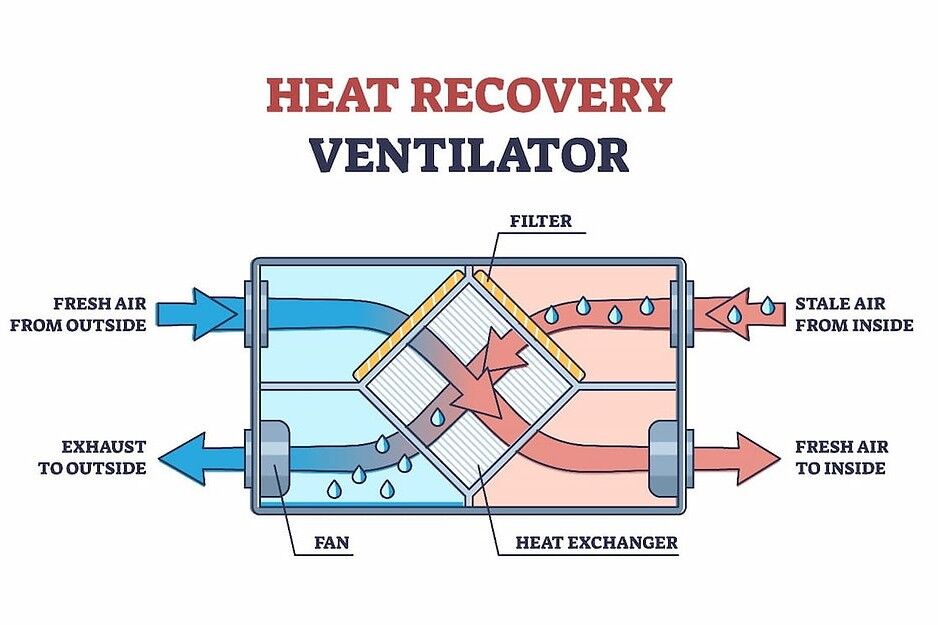
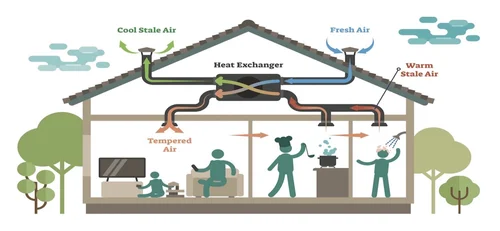
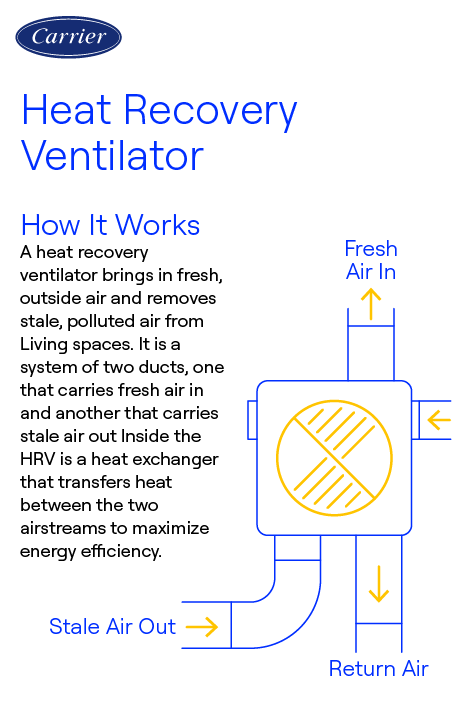
An HRV system moves air in and out of your home. It pulls stale air from inside and sends fresh air in from outside. Both air streams pass through a heat exchanger. The heat exchanger transfers warmth from the outgoing air to the incoming air. This process reduces energy loss and keeps temperatures balanced.
Core Components
- Heat Exchanger:Transfers heat between outgoing and incoming air.
- Fans:Move air through the system continuously.
- Filters:Clean dust and particles from fresh air.
- Ductwork:Channels air to and from different rooms.
- Controls:Allow users to adjust ventilation settings.
Types Of Systems
HRV systems come in several types, each designed for different needs.
- Centralized Systems:Serve the whole house through ductwork.
- Decentralized Systems:Installed in single rooms or zones.
- Energy Recovery Ventilators (ERV):Transfer both heat and moisture.
- Heat Recovery Ventilators (HRV):Transfer only heat, not moisture.
Credit: www.carrier.com
Energy Benefits
Heat Recovery Ventilation (HRV) systems offer important energy benefits. They help save money on energy bills by using heat from outgoing air to warm incoming fresh air. This process reduces the need for extra heating or cooling. HRVs work all year to maintain comfortable indoor temperatures efficiently.
Reducing Heating Costs
HRV systems capture heat from stale indoor air before it leaves the building. This heat warms the fresh air coming inside. Less energy is needed to heat the home during cold months. This leads to lower heating bills and less energy waste.
Cooling Efficiency
During warm months, HRVs help remove heat from incoming air by transferring it to outgoing air. This reduces the load on air conditioners. Homes stay cooler with less energy use. This improves overall cooling efficiency and comfort.
Lowering Carbon Footprint
Using an HRV reduces the energy needed for heating and cooling. This means fewer fossil fuels are burned for power. Lower energy use cuts carbon dioxide emissions. HRVs support greener living by reducing your home’s environmental impact.
Indoor Air Quality Impact
Indoor air quality plays a vital role in creating a healthy home environment. A Heat Recovery Ventilation (HRV) system helps improve the air inside your house. It brings fresh air from outside and removes stale air from inside. This exchange keeps the air clean and fresh.
HRV systems impact indoor air quality in several important ways. They reduce harmful pollutants, control moisture levels, and limit allergens. These benefits support better breathing and overall health.
Removing Pollutants
HRV systems remove indoor pollutants by exchanging old air with fresh outdoor air. This process reduces dust, smoke, and chemical odors. It also helps lower carbon dioxide levels. Cleaner air means fewer respiratory problems and a more comfortable home.
Managing Humidity
Proper humidity levels prevent mold and mildew growth. HRV systems control moisture by balancing the air exchange. They remove excess humidity in summer and retain it during winter. This balance protects your home and improves comfort.
Allergen Control
HRV systems reduce allergens like pollen, pet dander, and dust mites. Filters trap these particles during air exchange. This control helps allergy sufferers breathe easier. Cleaner air means fewer allergy symptoms and better sleep.
Installation Considerations
Installing a Heat Recovery Ventilation (HRV) system requires careful planning. Proper installation ensures efficiency and effectiveness. Consider these key factors before setting up your system.
Choosing The Right System
Evaluate your home’s size and layout. Different systems suit different needs. A larger home may need a more powerful system. Check the efficiency ratings. Higher efficiency means better energy savings. Consider the noise level. Quieter systems enhance home comfort. Consult a professional to make the best choice.
Placement Tips
Position the HRV system where it can connect to your ductwork. Avoid placing it near bedrooms to reduce noise disturbance. Ensure there’s enough space for maintenance access. Consider the climate in your area. Certain placements work better in colder climates. Aim for a location that optimizes airflow throughout the home.
Integration With Hvac
Ensure your HRV system integrates smoothly with your existing HVAC system. Compatibility is key for seamless operation. The HRV should complement your HVAC without overloading it. Proper integration improves indoor air quality and energy efficiency. Professional installation can prevent potential issues. Coordination with your HVAC system ensures optimal performance.
Maintenance And Upkeep
Proper maintenance keeps your heat recovery ventilation system working well. It helps maintain air quality and saves energy. Regular upkeep avoids costly repairs and extends the system’s life.
Simple tasks done often make a big difference. Understanding what to clean and replace is key to smooth operation.
Filter Replacement
Filters trap dust, pollen, and other particles from the air. Dirty filters reduce airflow and system efficiency. Change filters every 3 to 6 months, depending on use and air quality.
Choose the correct filter type and size for your unit. Check filters monthly to see if they need earlier replacement. Clean hands and tools prevent damage during replacement.
Cleaning Schedules
Regular cleaning prevents dust buildup inside the system. Clean the heat exchanger, vents, and ducts at least twice a year. Use a vacuum or soft brush for dust removal.
Check manufacturer instructions for specific cleaning parts. Keep the outdoor intake free of leaves, snow, or debris. A clean system runs quieter and uses less energy.
Troubleshooting Common Issues
Some common problems include unusual noises, reduced airflow, or bad odors. Check for blocked vents or dirty filters first. Ensure the unit is powered and settings are correct.
Reset the system if it stops working unexpectedly. Call a professional if problems persist after basic checks. Early troubleshooting prevents bigger, costly repairs.
Cost And Savings Analysis
When considering a Heat Recovery Ventilation (HRV) system, understanding the cost and savings is crucial. Investing in an HRV system can seem daunting at first glance, but the long-term benefits often outweigh the initial costs. By examining the initial investment, ongoing savings, and potential incentives, you can make an informed decision that supports both your budget and the environment.
Initial Investment
The initial cost of an HRV system can vary depending on the size of your home and the complexity of the installation. On average, you might expect to spend between $2,000 to $4,000. This includes the cost of the unit itself and professional installation, which is essential for optimal performance.
Consider it a one-time investment. Just like buying a reliable car, you’re looking at upfront expenses with the expectation of long-term reliability and efficiency.
Long-term Savings
Once installed, HRV systems contribute to significant energy savings. By recycling heat that would otherwise be lost, your heating and cooling systems work less, which reduces your energy bills. In colder climates, this can mean savings of up to 20% on heating costs annually.
Think about the last time you upgraded to energy-efficient appliances—over time, the savings add up. An HRV system functions similarly, making your home more efficient without you having to lift a finger.
Incentives And Rebates
Many governments and utility companies offer incentives for installing energy-efficient systems like HRVs. These can include tax credits, rebates, or reduced energy rates. Checking with local energy providers can uncover hidden savings opportunities.
Imagine getting a surprise discount on your utility bill just because you chose to be energy-efficient. These incentives can significantly offset your initial investment, making an HRV system even more attractive.
Have you considered how much you could save by making your home more energy-efficient? Exploring your options could lead to substantial financial benefits.
Comparing Alternatives
Choosing the right ventilation system for your home or office can be tricky. Each option offers different benefits and drawbacks, especially when considering energy savings, air quality, and installation costs. Let’s break down the main alternatives so you can see which one fits your needs best.
Traditional Ventilation
Traditional ventilation relies on natural airflow or simple exhaust fans to move stale air out and bring fresh air in.
It’s often the cheapest and easiest to install but can lead to energy loss since warm or cool air escapes freely.
If your priority is minimizing upfront costs, this might seem appealing, but have you noticed how much your heating or cooling bills spike in drafty rooms?
Energy Recovery Ventilators
Energy Recovery Ventilators (ERVs) improve on traditional systems by capturing heat and moisture from outgoing air to condition incoming air.
This means your HVAC system doesn’t have to work as hard, saving energy without sacrificing air quality.
However, ERVs require regular maintenance and can have a higher initial cost—something to weigh against your long-term savings.
Smart Ventilation Systems
Smart ventilation integrates sensors and automated controls to adjust airflow based on real-time conditions.
They optimize air quality and energy use by reacting to humidity, CO2 levels, and occupancy patterns.
While these systems can be pricey and complex, they offer unmatched convenience and efficiency. Could investing in smart tech be worth it for your comfort and wallet?

Credit: en.wikipedia.org
Future Trends
The future of Heat Recovery Ventilation (HRV) systems holds exciting possibilities. These systems will evolve to become more efficient, eco-friendly, and smarter. Innovations will focus on improving air quality while reducing energy use. Homeowners will enjoy better comfort with less environmental impact. The following sections highlight key trends shaping the future of HRV.
Technological Advances
New materials and designs will boost HRV efficiency. Fans and heat exchangers will use less power. Sensors will improve air quality detection. Systems will adapt quickly to changing indoor conditions. Maintenance will become easier with smart diagnostics. Noise reduction will enhance user comfort. These advances will make HRVs more reliable and user-friendly.
Sustainability Goals
HRV systems will align closely with green building standards. They will help reduce carbon footprints by saving energy. Many will use eco-friendly refrigerants and components. Recycling and durability will become standard features. Integration with renewable energy sources will grow. These systems will support global efforts to combat climate change. Energy savings will lower utility bills for homeowners.
Smart Home Integration
HRVs will connect with home automation systems. Voice control and mobile apps will offer easy management. Systems will learn user habits to optimize performance. Real-time data will help monitor air quality remotely. Integration with heating and cooling will improve overall efficiency. Alerts will notify users about filter changes or issues. This connectivity will make homes healthier and more convenient.
Frequently Asked Questions
What Is A Heat Recovery Ventilation System?
A heat recovery ventilation system exchanges stale indoor air with fresh outdoor air. It recovers heat from the outgoing air to warm incoming air. This process improves indoor air quality and saves energy by reducing heating costs.
How Does Heat Recovery Ventilation Save Energy?
The system captures heat from exhaust air and transfers it to incoming fresh air. This reduces the need for extra heating or cooling. As a result, it lowers energy consumption and utility bills while maintaining comfortable indoor temperatures.
Are Heat Recovery Ventilation Systems Suitable For Homes?
Yes, these systems are ideal for homes, especially in cold climates. They provide fresh air without losing heat, improving comfort and air quality. Installing one helps reduce energy costs and controls humidity inside the house.
What Maintenance Does A Heat Recovery Ventilation System Need?
Regular filter cleaning or replacement is essential to keep the system efficient. Checking and cleaning heat exchangers and ducts yearly prevents blockages. Proper maintenance ensures optimal airflow and prolongs system lifespan.
Conclusion
A Heat Recovery Ventilation System helps keep your home fresh and healthy. It moves stale air outside and brings clean air inside. This system saves energy by reusing heat from the outgoing air. It also reduces humidity and prevents mold growth.
Installing one can improve air quality and comfort in your home. It works quietly and needs little maintenance. Choosing this system supports a cleaner, greener living space. Simple and effective—great for any home.



