

Are you wondering if spray insulation can replace the need for roof ventilation in your home? It’s a common question that many homeowners ask when looking to improve energy efficiency and comfort.
You might think that sealing every gap with spray foam means you can forget about vents altogether. But before you make that decision, it’s important to understand how roof ventilation works and whether spray insulation really covers all the bases.
Keep reading to discover the truth about spray insulation and roof ventilation—and find out what’s best for your home’s health and energy bills.
Role Of Roof Ventilation
Roof ventilation plays a crucial role in maintaining a healthy and durable roofing system. It allows air to flow freely through the attic space, balancing temperature and moisture levels. Proper ventilation protects the roof and the home’s interior from damage caused by heat and moisture buildup. Understanding the role of roof ventilation helps determine its necessity, even when using spray insulation.
How Ventilation Controls Temperature
Ventilation helps move hot air out of the attic during warm months. This prevents heat from building up under the roof. Cooler attic temperatures reduce the workload on air conditioning systems. It also keeps the living space below more comfortable. Ventilation allows fresh air to enter and hot air to exit. This natural airflow keeps the roof cooler and the home energy efficient.
Preventing Moisture Build-up
Moisture can collect in the attic from indoor activities like cooking and bathing. Without ventilation, this moisture stays trapped and can cause problems. Proper ventilation removes excess moisture before it damages wood or insulation. It also reduces the risk of mold and mildew growth. Preventing moisture buildup protects both the roof structure and indoor air quality.
Impact On Roof Longevity
Roof ventilation extends the life of roofing materials. Excess heat can cause shingles to crack or curl. Moisture buildup can rot wood and weaken the roof deck. Ventilation helps keep these risks low by controlling temperature and moisture. A well-ventilated roof stays strong and lasts longer. This reduces the need for costly repairs or early replacement.
Basics Of Spray Insulation
Spray insulation is a popular method to improve energy efficiency in buildings. It involves spraying a foam that expands and seals gaps. This creates a barrier against heat loss and air leaks. Understanding the basics helps in deciding if it affects roof ventilation needs.
Types Of Spray Insulation
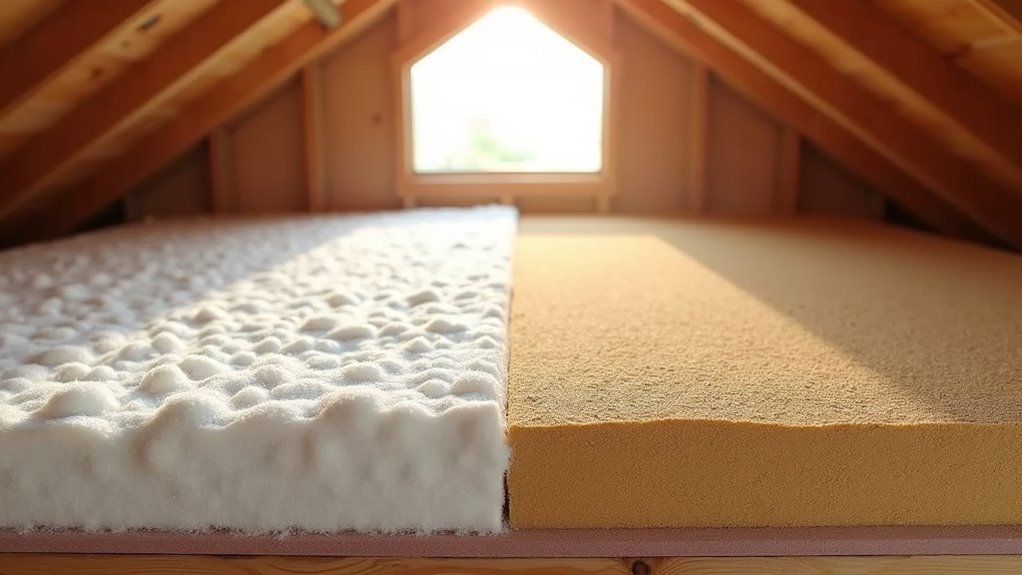
- Open-cell foam:Soft, flexible, and breathable. It allows some air and moisture movement.
- Closed-cell foam:Dense, rigid, and moisture-resistant. It creates a strong air and vapor barrier.
- Hybrid foams:Combine features of both for specific needs.
Thermal Performance Benefits
Spray insulation reduces heat transfer through walls and roofs. It keeps indoor temperatures steady. This lowers heating and cooling costs. Closed-cell foam offers higher insulation value per inch. Open-cell foam adds soundproofing benefits too.
Air Sealing Capabilities
The foam expands to fill cracks and gaps. It stops drafts and air leaks effectively. This improves indoor air quality by reducing dust and allergens. Spray insulation can reduce moisture buildup inside walls. Air sealing helps prevent mold and structural damage.
Spray Insulation And Ventilation Interaction
Understanding how spray insulation interacts with roof ventilation is crucial before making any changes to your home’s attic system. Spray foam insulation creates a tight seal that can alter airflow patterns, which may impact the traditional role of roof vents. Let’s dive into whether spray insulation can truly replace ventilation and what risks you might face by eliminating it.
Can Spray Insulation Replace Ventilation?
Spray foam insulation, especially closed-cell types, forms an air barrier that reduces the need for conventional ventilation. It seals gaps and cracks, preventing air leaks that usually require venting to manage moisture and temperature.
However, this doesn’t mean you can always skip ventilation. In some cases, spray foam acts as both insulation and air barrier, allowing roof assemblies to stay dry without vents. But this depends on your roof design and local climate.
Ask yourself: Is your attic designed to handle moisture without airflow? If not, relying solely on spray insulation could cause problems.
Risks Of Eliminating Ventilation
Removing ventilation entirely can trap moisture in your attic or roof structure. Moisture buildup leads to mold growth, wood rot, and even structural damage over time.
Even with spray foam, if there’s a leak or condensation issue, lack of ventilation means moisture has nowhere to escape. This makes maintenance more difficult and costly.
You might save on energy bills now, but the long-term risks could outweigh the benefits if you don’t manage moisture properly.
Building Code Requirements
Most building codes still require some form of roof ventilation, even when spray insulation is installed. These codes aim to balance energy efficiency with moisture control and indoor air quality.
Check your local regulations before deciding to eliminate vents. Ignoring these rules can lead to failed inspections and costly repairs.
When in doubt, consult a professional who understands both insulation and ventilation requirements in your area.

Credit: eaglernr.com
Case Studies And Expert Opinions
Understanding whether spray insulation removes the need for roof ventilation requires looking at real-world results and expert opinions. These perspectives highlight the practical impacts on building performance and longevity. Let’s examine how spray insulation behaves in actual projects and what industry professionals have to say.
Real-world Applications
Many homeowners and contractors have tested spray insulation in varied climates and roof types. In some cases, closed-cell spray foam reduced air leaks significantly, improving energy efficiency. However, buildings without any roof ventilation sometimes experienced moisture buildup, leading to mold and wood rot over time.
One homeowner shared how adding spray foam helped lower heating bills but also noticed a musty smell months later. This raised questions about whether ventilation was still necessary to allow roof spaces to breathe. Such stories show that spray foam alone might not solve all ventilation issues.
Industry Expert Insights
Construction experts often stress that spray insulation can complement but not replace roof ventilation. According to building scientists, ventilation helps control moisture and temperature extremes that spray foam may not fully manage. They recommend combining spray insulation with proper venting strategies for optimal roof health.
Experts also caution against sealing roofs completely without considering local climate and roof design. In humid areas, ventilation prevents trapped moisture from damaging structural components. These insights encourage you to evaluate your specific situation rather than assuming spray foam removes all ventilation needs.
Common Misconceptions
- Spray foam eliminates all moisture problems:It reduces air leaks but doesn’t guarantee moisture control without ventilation.
- Ventilation is outdated when using spray insulation:Ventilation remains crucial for managing heat and humidity.
- One-size-fits-all solution:Roof systems vary widely; what works for one may not work for another.
Have you considered how your local climate affects your roof’s ventilation needs alongside spray insulation? Understanding these nuances can help you make informed decisions that protect your home long-term.
Best Practices For Roof Insulation
Roof insulation is crucial for energy efficiency and comfort. Proper insulation keeps homes warm in winter and cool in summer. It’s important to understand best practices for roof insulation to ensure optimal performance. Quality installation and maintenance are key to long-lasting insulation benefits.
Combining Insulation And Ventilation
Insulation and ventilation can work together. They manage heat and moisture effectively. Good ventilation prevents mold and mildew. It also extends roof lifespan. Use breathable materials for insulation. This allows moisture to escape. Ensure vents are not blocked by insulation.
Installation Tips
Choose the right insulation type for your roof. Fiberglass and spray foam are popular options. Ensure a snug fit with no gaps. Gaps reduce insulation efficiency. Install a vapor barrier to control moisture. Follow manufacturer guidelines for best results. Professional installation is recommended for accuracy.
Maintenance Considerations
Regular checks help maintain insulation performance. Look for signs of water damage or mold. Address any issues promptly to prevent damage. Keep vents clear and unobstructed. This ensures proper airflow. Inspect insulation after severe weather for damage. Replace damaged sections to maintain efficiency.

Credit: eaglernr.com
Credit: eaglernr.com
Frequently Asked Questions
Does Spray Insulation Eliminate The Need For Roof Ventilation?
Spray insulation improves energy efficiency but does not fully remove the need for roof ventilation. Proper ventilation prevents moisture buildup and extends roof life.
How Does Spray Insulation Affect Attic Airflow?
Spray insulation seals gaps, reducing air leaks and drafts. However, attic ventilation remains crucial to avoid trapped moisture and heat buildup.
Can Spray Insulation Cause Roof Moisture Problems?
If improperly installed, spray insulation can trap moisture, leading to mold and damage. Adequate ventilation helps manage moisture and maintain roof health.
Is Roof Ventilation Necessary With Spray Foam Insulation?
Yes, roof ventilation is still necessary with spray foam. It ensures moisture control, prevents ice dams, and maintains balanced indoor air quality.
Conclusion
Spray insulation helps reduce heat loss and gain in your roof. It creates a tight seal that improves energy efficiency. Still, roof ventilation remains important to prevent moisture buildup. Moisture can cause damage and reduce the roof’s lifespan. Proper airflow helps keep your attic dry and healthy.
Combining spray insulation with good ventilation gives the best results. Both work together to protect your home and save energy. Remember, spray insulation does not fully replace the need for ventilation. Consider your roof type and climate when making decisions.



