
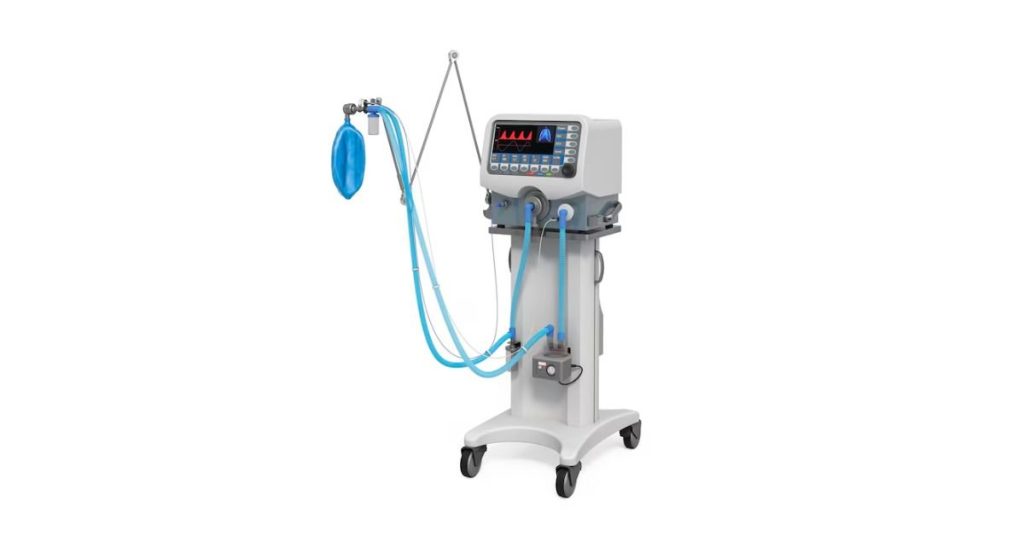
Are you wondering how much a ventilator costs and what factors affect its price? Whether you need one for medical reasons or are simply curious, understanding the cost can help you make smart decisions.
Ventilators come in different types and features, and knowing what influences their price can save you money and stress. Keep reading to discover everything you need to know about ventilator costs, so you can feel confident and prepared when the time comes.
Factors Influencing Ventilator Prices
Ventilator prices vary due to several key factors. Understanding these can help you make a smarter buying decision. Each factor affects the cost and suitability of a ventilator for different needs.
Type Of Ventilator
Different ventilators serve various medical purposes. Portable ventilators usually cost less than full-featured ICU models. Home care ventilators tend to be simpler and more affordable.
Brand And Manufacturer
Trusted brands often charge more for reliability and quality. Lesser-known manufacturers may offer lower prices but with varied quality. Brand reputation influences the price significantly.
Features And Technology
Advanced features like touchscreen controls and multiple ventilation modes raise the price. Basic ventilators with fewer options cost less. New technology often means higher costs but better performance.
New Vs Refurbished Models
New ventilators come with the latest updates but are more expensive. Refurbished models are cheaper and can work well if certified. Buyers must weigh cost against potential risks.
Warranty And Support
Longer warranties and good customer support add to the price. They provide peace of mind and reduce maintenance costs. Limited or no warranty models cost less but carry more risk.
Price Range For Different Ventilator Types
Understanding the price range for different ventilator types can help you make informed decisions, whether you’re purchasing for a hospital, clinic, or home care. Prices vary widely due to technology, functionality, and intended use. Let’s break down the costs so you can see which option fits your needs and budget.
Invasive Ventilators
Invasive ventilators are designed to support patients who require intubation. These machines are typically found in intensive care units and have complex features to manage severe respiratory conditions.
The price for invasive ventilators usually ranges from $15,000 to $50,000. Higher-end models with advanced monitoring and multiple ventilation modes can exceed this range. Are you prepared to invest in equipment that demands precise control and constant monitoring?
Non-invasive Ventilators
Non-invasive ventilators deliver breathing support through masks rather than tubes, making them less intrusive. They are commonly used for sleep apnea or mild respiratory distress.
Expect to pay between $5,000 and $15,000for these devices. Some models offer added comfort features and portability, which can push the price higher. How important is comfort versus cost in your choice?
Portable Ventilators
Portable ventilators provide mobility for patients needing respiratory support outside hospital settings. They are compact and designed for easy transport.
The cost for portable ventilators generally falls between $8,000 and $25,000. Battery life, weight, and durability influence the price. Do you need a device that balances functionality with convenience?
Home Use Ventilators
Home use ventilators are tailored for long-term care in non-clinical environments. They focus on ease of use and patient comfort.
Prices typically range from $4,000 to $12,000. Some models include advanced alarms and remote monitoring features. Would investing in extra safety features give you peace of mind?
Additional Costs To Consider
Buying a ventilator is just the first expense. Several other costs come with owning and using one. These costs can add up over time and affect your budget. Understanding these extra costs helps you plan better for long-term use.
Maintenance And Repairs
Regular maintenance keeps the ventilator working well. Parts may wear out and need fixing or replacement. Service visits by technicians can cost money. Ignoring maintenance can lead to bigger repair bills later.
Consumables And Accessories
Ventilators need supplies that wear out or use up. Filters, tubing, and masks require regular replacement. These items must be bought frequently. Accessories like battery packs or carrying cases might also be needed.
Training And Installation
Using a ventilator safely requires proper training. Professionals or caregivers must learn how to operate it. Some models need expert installation at home or hospital. Training and setup fees add to the overall cost.
Shipping And Taxes
Shipping costs depend on where the ventilator comes from. Heavy or fragile equipment may cost more to ship. Taxes and import duties vary by location. These fees increase the final price you pay.

Credit: www.dotmed.com
Where To Buy Ventilators
Finding the right place to buy a ventilator can feel overwhelming, especially with so many options available. Your choice affects not just cost but also the quality and support you receive. Understanding where to look can save time and ensure you get a device that meets your needs.
Medical Equipment Suppliers
Medical equipment suppliers are a reliable source for ventilators. These suppliers usually offer a range of models, from basic to advanced machines. You can expect professional advice and after-sales support, which is crucial when dealing with medical devices.
Some local suppliers also provide demonstrations or training, helping you feel confident with the equipment. Have you checked if nearby suppliers offer delivery or installation services? That can make your purchase much easier.
Online Marketplaces
Online marketplaces like Amazon, eBay, or specialized medical platforms offer convenience and variety. You can compare prices and read reviews from other buyers right away. However, be cautious and verify the seller’s credibility to avoid counterfeit or substandard products.
Look for listings with clear product specifications and warranty information. Sometimes, online deals include free shipping or discounts that make buying more affordable. Have you considered how return policies work on these platforms if the ventilator doesn’t meet your expectations?
Direct From Manufacturers
Buying directly from manufacturers can get you the latest models and custom options. Manufacturers often provide detailed technical support and longer warranties. If you need a ventilator for a specific medical condition, manufacturers may help tailor the device to your needs.
Also, purchasing directly might reduce the cost by cutting out middlemen. But keep in mind, delivery times might be longer, and you may need to handle installation yourself. How important is personalized support in your ventilator purchase?
Rental Options
Renting a ventilator is a practical choice if you need the device temporarily or want to try it before buying. Rental services often include maintenance and support, which means less hassle for you. This option can also lower upfront costs significantly.
Many hospitals and clinics rent ventilators during emergencies or short-term treatments. If your need is uncertain or short-lived, renting might be the smartest move. Have you explored rental terms carefully to avoid unexpected charges?
Tips For Getting The Best Price
Ventilators are essential medical devices that can be costly. Finding the best price is vital for healthcare providers. Consider several factors to make a well-informed decision. These tips can help you secure a ventilator at the best price.
Comparing Multiple Quotes
Request quotes from several suppliers. Compare prices carefully. Look at the features each ventilator offers. Check the warranty and support services. This helps ensure you get the best deal.
Checking For Discounts And Grants
Explore available discounts from manufacturers. Some offer deals to hospitals or bulk buyers. Investigate grants provided by government or health organizations. These can significantly reduce costs.
Evaluating Total Cost Of Ownership
Consider more than just the initial price. Think about maintenance and repair costs. Factor in training for staff. Evaluate the energy consumption of the ventilator. A lower purchase price might mean higher long-term expenses.
Considering Leasing Alternatives
Leasing can be a cost-effective option. It offers flexibility and lower upfront costs. Review lease terms carefully. Ensure they align with your budget and needs. This option can free up funds for other necessities.

Credit: superstar2018.en.made-in-china.com
Future Trends Affecting Ventilator Costs
Understanding how future trends will shape ventilator costs can help you make better decisions, whether you’re a healthcare provider or a buyer. Several factors are evolving rapidly, influencing both the price and availability of these critical devices. Let’s look at the key trends that will affect ventilator costs going forward.
Advancements In Technology
New technologies are making ventilators smarter and more efficient. Features like AI-driven monitoring and automated adjustments improve patient care but can raise the initial cost.
However, over time, these improvements may reduce overall expenses by minimizing complications and shortening hospital stays. Would you be willing to invest more upfront for better long-term outcomes?
Impact Of Global Supply Chains
Supply chains play a huge role in ventilator pricing. Disruptions—like those seen during the pandemic—can cause spikes in cost due to shortages of parts and raw materials.
On the other hand, manufacturers are exploring local production and diversified suppliers to stabilize prices. This shift might bring more consistent costs but could affect availability in certain regions.
Regulatory Changes
Governments worldwide are updating regulations to ensure ventilator safety and effectiveness. Stricter standards often mean higher manufacturing expenses, which can increase retail prices.
But clearer guidelines also help buyers identify reliable products and avoid costly mistakes. How much extra cost would you accept for guaranteed compliance and safety?
Increasing Demand And Market Growth
The need for ventilators has grown significantly, especially after global health crises. This rising demand pushes manufacturers to scale up production, sometimes lowering costs through economies of scale.
Yet, sudden surges can lead to temporary price hikes. Keeping an eye on market trends helps you anticipate price changes and plan your purchases wisely.

Credit: capasee.com
Frequently Asked Questions
How Much Does A Basic Ventilator Cost?
A basic ventilator typically costs between $5,000 and $15,000. Prices vary based on brand, features, and region. Basic models suit home or non-critical care use. Always compare specifications before purchase to ensure it meets medical needs and budget.
Are Hospital-grade Ventilators More Expensive?
Yes, hospital-grade ventilators usually cost from $25,000 to over $50,000. They offer advanced features for critical care and intensive monitoring. Higher prices reflect sophisticated technology and durability required in medical facilities.
Can Insurance Cover Ventilator Costs?
Insurance coverage for ventilators depends on your policy. Many health plans cover ventilators if medically necessary. Check with your insurer to understand eligibility, coverage limits, and required documentation to avoid unexpected expenses.
What Factors Affect Ventilator Prices?
Ventilator prices depend on brand, technology, features, and usage type. Advanced settings, portability, and warranty also influence cost. Additionally, supplier location and demand can impact the final price.
Conclusion
Ventilator prices vary based on type and features. Basic models cost less, while advanced ones are pricier. Consider your needs carefully before buying. Renting might be a good option for short-term use. Always check warranty and support services. Understanding costs helps you plan better financially.
Quality matters for safety and performance. Choose a ventilator that fits your budget and health needs. This way, you get the best value for your money.



