
Are you looking for a career that keeps you in demand all year round? Becoming a heating and cooling technician might be the perfect fit for you.
Imagine having the skills to fix air conditioners in the summer and heaters in the winter—people will rely on you to stay comfortable in their homes and workplaces. This job offers steady work, good pay, and the chance to learn something new every day.
If you want to know how to start, what skills you need, and how to grow in this field, keep reading. This guide will walk you through everything you need to become a successful heating and cooling technician.
Career Path Overview
Choosing a career as a heating and cooling technician opens up a world of hands-on work and problem-solving. This path offers a blend of technical skill and customer interaction that keeps every day different. Understanding what the role demands and how the job market looks can help you decide if this career fits your goals and lifestyle.
Role And Responsibilities
Your main job will be to install, maintain, and repair heating, ventilation, and air conditioning (HVAC) systems. This includes checking electrical components, testing systems for efficiency, and replacing worn parts. You’ll often work in homes, offices, or industrial settings, facing a variety of equipment and challenges.
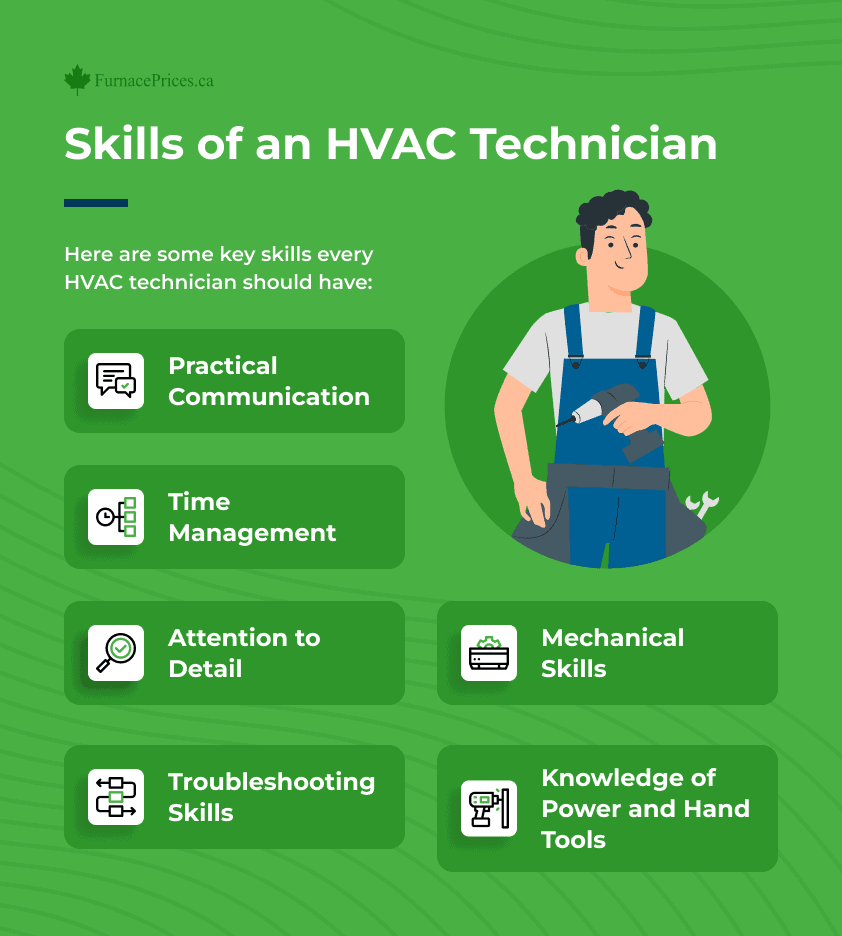
Strong troubleshooting skills are essential because you’ll need to diagnose problems quickly. Communication matters too—explaining issues and solutions to customers clearly can set you apart. Safety is another key point; following strict guidelines protects you and others on the job.
Job Outlook And Demand
The demand for heating and cooling technicians is expected to grow steadily over the next decade. New construction, along with the need to update older systems, drives this growth. Plus, as energy efficiency standards rise, more businesses and homeowners seek expert help.
Would you prefer working independently or as part of a team? Most HVAC technicians experience both. The job often offers flexibility in scheduling and the chance to build long-term client relationships. Considering these factors can help you imagine your day-to-day life in this role.
Essential Skills And Qualities
Becoming a skilled heating and cooling technician requires more than just basic knowledge. You need a blend of technical skills and personal qualities that help you solve problems efficiently and communicate clearly with customers. Understanding which skills matter most can give you a clear edge in this field.
Technical Skills
Your ability to work with HVAC systems depends heavily on solid technical skills. Knowing how to install, maintain, and repair heating and cooling units is essential. This includes understanding electrical circuits, refrigeration cycles, and system diagnostics.
Hands-on experience is key. When I first started, mastering the use of diagnostic tools helped me quickly identify issues others missed. Being comfortable reading blueprints and technical manuals also speeds up your work and reduces errors.
- Proficiency in electrical wiring and controls
- Understanding refrigeration and heating mechanics
- Skill in using diagnostic and repair tools
- Ability to read and interpret technical documents
Soft Skills
Technical knowledge alone won’t get you far without strong soft skills. Communication is critical—you’ll need to explain complex problems and solutions to customers who might not understand the technical details. How well you listen can determine if you diagnose the problem correctly the first time.
Patience and problem-solving go hand in hand. I’ve found that staying calm under pressure helps me make better decisions when systems fail unexpectedly. Also, being dependable and punctual builds trust with clients and employers alike.
- Clear communication with customers and team members
- Active listening to fully understand issues
- Patience during troubleshooting and repairs
- Reliability and punctuality on the job
Which of these skills do you feel you already have, and which ones will you focus on improving to become a top-notch technician?
Education And Training
Education and training form the foundation for a career as a heating and cooling technician. This field requires a solid understanding of mechanical systems and electrical components. Proper training ensures safety and efficiency in handling heating, ventilation, and air conditioning (HVAC) systems.
Several paths offer the necessary knowledge and skills. Each path builds on the previous one, preparing you for hands-on work in the field. Below are the key educational steps to take.
High School Preparation
Focus on subjects like math, physics, and electronics. These subjects help you understand HVAC principles better. Take classes in mechanical drawing and computer skills if available. Join any technical clubs or workshops related to engineering or mechanics. Strong reading and writing skills also help with manuals and customer communication.
Technical Schools And Programs
Enroll in an accredited HVAC program at a technical school or community college. These programs usually last six months to two years. You learn about heating systems, air conditioning, refrigeration, and electrical circuits. Programs often include hands-on training with real equipment. Certifications earned here improve job prospects and prove your knowledge.
Apprenticeship Opportunities
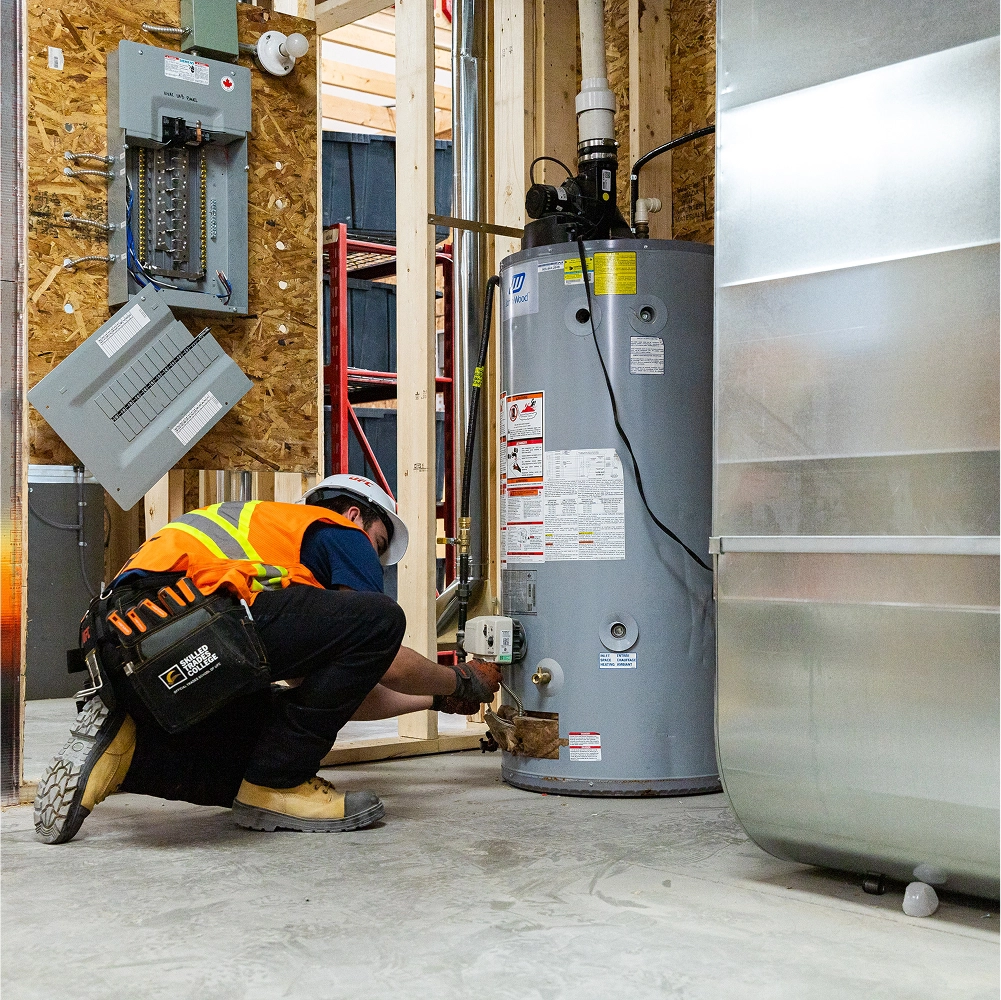
Apprenticeships combine classroom learning with paid on-the-job training. They typically last three to five years under experienced technicians. Apprentices gain practical skills in installation, maintenance, and repair. This training helps you understand workplace safety and customer service. Many employers prefer hiring certified apprentices for their proven skills.
Credit: www.skilledtradescollege.ca
Certification And Licensing
Certification and licensing are essential for heating and cooling technicians. They prove your skills and allow you to work legally. These credentials ensure safety, quality, and trust with customers. Understanding the requirements helps you plan your career better.
Required Certifications
Many employers require technicians to have specific certifications. The most common is the EPA Section 608 Certification. This certification allows handling refrigerants safely and legally. Other certifications include:
- HVAC Excellence Certification
- North American Technician Excellence (NATE)
- Refrigeration Service Engineers Society (RSES) Certification
These certificates prove your technical knowledge and competence.
State Licensing Requirements
Most states require technicians to hold a license. Each state has different rules and exams. Licensing ensures technicians meet local safety and building codes. Check your state’s licensing board for details. You may need:
- Passing a written exam
- Proof of work experience
- Application fees
Licenses often must be renewed every few years.
Continuing Education
Technology in heating and cooling changes fast. Continuing education keeps your skills current. Many states require ongoing training to renew licenses. Classes may cover:
- New regulations
- Energy-efficient technologies
- Safety practices
Stay updated to remain competitive and safe on the job.
Gaining Experience
Gaining experience is a key part of becoming a heating and cooling technician. Practical skills build confidence and improve job performance. Hands-on work helps you understand real-world challenges.
Experience also makes you more attractive to employers. It shows you can handle tools, systems, and customer needs. Start with simple tasks and grow your abilities over time.
Entry-level Jobs
Entry-level jobs provide direct exposure to heating and cooling systems. These roles often include assisting experienced technicians on the job. Tasks may involve basic repairs, cleaning, and equipment checks.
Working in entry-level positions helps you learn industry standards and safety rules. It also teaches time management and customer service skills. Employers value candidates who show eagerness and reliability.
Internships And On-the-job Training
Internships offer structured learning under professional guidance. They combine classroom knowledge with real work experience. Many HVAC companies provide internships to train future technicians.
On-the-job training is another way to gain valuable skills. This training usually happens while working on actual projects. It allows you to learn from mistakes and improve quickly.
Both internships and on-the-job training help you build a strong foundation. They prepare you for certification exams and long-term career growth.
Advancement Opportunities
Advancement in heating and cooling careers comes through gaining experience and earning certifications. Taking extra courses can lead to higher pay and more responsibilities. Many technicians grow into supervisory or specialist roles over time.
Advancing in a heating and cooling technician career holds promise. Technicians enjoy various paths for growth. These opportunities range from specializing in specific systems to stepping into leadership roles. Some even start their own businesses. This field offers a dynamic and rewarding future.Specializations
Technicians can specialize in areas like refrigeration, ventilation, or solar heating. Specializing enhances expertise and opens more job opportunities. It can also lead to higher pay. Specializations help in staying updated with technology changes. Focus on one area to become an expert.Supervisor And Management Roles
Experienced technicians often become supervisors. In this role, you manage teams and projects. Leadership skills are crucial here. Overseeing operations boosts your career prospects. Management positions often come with better pay and benefits. Training programs can help develop these skills.Starting Your Own Business
Some technicians start their own businesses. This path offers independence and flexibility. Owning a business requires good planning and customer service skills. It can be rewarding but involves risks. Success depends on market knowledge and dedication. Starting small can lead to significant growth.Salary And Benefits
Understanding the salary and benefits of a heating and cooling technician helps in making a smart career choice. This job offers a solid income and valuable perks that support a good work-life balance. Let’s explore what you can expect in terms of pay and additional benefits.
Average Pay
The average salary for heating and cooling technicians varies by location and experience. Entry-level technicians usually earn less but can increase their pay with skills and certifications. Experienced professionals often receive higher wages due to their expertise.
According to recent data, the median annual wage for this role is around $50,000 to $60,000. Some technicians earn more than $70,000, especially in areas with high demand or specialized skills. Overtime work and emergency calls can boost earnings further.
Job Perks And Benefits
Heating and cooling technicians often enjoy a range of benefits beyond salary. These can include health insurance, paid time off, and retirement plans. Employers may also provide tools and equipment, reducing personal expenses.
- Health and dental insurance
- Paid vacation and sick leave
- Retirement savings plans
- Training and certification support
- Flexible work schedules
These benefits make the job more secure and appealing. Many companies offer bonuses based on performance or seasonal demand. This role combines steady income with practical perks for a balanced career.

Credit: www.furnaceprices.ca
Challenges In The Field
Becoming a heating and cooling technician offers rewarding opportunities. Yet, it comes with its share of challenges. Understanding these challenges helps you prepare better for the job.
Physical Demands
Technicians often carry heavy equipment. This requires physical strength and endurance. They may work in confined spaces, requiring flexibility. The job demands constant movement. Technicians spend long hours on their feet. It’s crucial to maintain good physical health.
Work Environment
The work environment varies greatly. Sometimes technicians work outdoors in extreme weather. They also work indoors in cramped areas. Safety is a top priority. They must use protective gear regularly. Adapting to different environments is essential.
Seasonal Workload
The workload fluctuates throughout the year. Summer and winter are the busiest seasons. People need heating and cooling systems the most then. During these times, technicians work longer hours. Being prepared for high demand is key. Adaptability is crucial in managing the workload.
Tips For Success
Success as a heating and cooling technician requires more than just technical skills. Building strong connections and staying current with new tools and methods play key roles. These tips help you grow in your career and meet customer needs effectively.
Networking
Meeting others in your field opens doors to new jobs and learning chances. Talk to experienced technicians and join local trade groups. Attend workshops and trade shows to find mentors and partners. Good connections can lead to job offers and advice that helps you improve.
Staying Updated With Technology
Heating and cooling systems change often. New models and smart controls appear regularly. Read trade magazines and follow trusted websites to learn about the latest tools. Take courses to understand new equipment and software. Staying updated helps you solve problems faster and work more efficiently.
Credit: www.skilledtradescollege.ca
Frequently Asked Questions
What Qualifications Are Needed To Become A Heating And Cooling Technician?
A high school diploma or GED is typically required. Technical training or an apprenticeship in HVAC systems is essential. Certification from recognized bodies like NATE boosts job prospects and credibility. Continuous education helps keep skills updated with industry standards.
How Long Does Hvac Training Usually Take?
HVAC training programs generally last from 6 months to 2 years. Apprenticeships can extend training by 3 to 5 years. The duration depends on the program type and certification requirements. Hands-on experience is critical during this training period.
What Skills Are Essential For Heating And Cooling Technicians?
Technicians need strong mechanical skills and electrical knowledge. Problem-solving and attention to detail are crucial. Good communication helps in customer service and teamwork. Physical stamina is important due to demanding work environments.
Is Certification Important For Hvac Technicians?
Yes, certification is highly important. It validates your expertise and improves job opportunities. Employers often require certifications like EPA Section 608 for handling refrigerants. Certified technicians may earn higher salaries and gain more trust from clients.
Conclusion
Becoming a heating and cooling technician takes time and effort. Start by learning the basics through training or school. Gain hands-on experience by working with experienced technicians. Keep updating your skills as technology changes. This job offers steady work and good pay.
Stay safe and follow all rules on the job. A career in heating and cooling can be rewarding. Take one step at a time, and you will succeed.



