
Is your room feeling stuffy or too warm, no matter what you try? You’re not alone.
Poor airflow can make a space uncomfortable and even affect your health. But the good news is, improving airflow doesn’t have to be complicated or expensive. You’ll discover simple, effective ways to boost the fresh air in your room. By the end, you’ll know exactly what to do to create a cooler, fresher space you’ll actually enjoy spending time in.
Ready to breathe easier? Let’s dive in.
Identify Airflow Issues
Before you can improve airflow in a room, you need to figure out what’s stopping air from moving freely. Identifying airflow issues helps you target the exact problem spots rather than guessing and wasting effort. Sometimes, small blockages or poor placement of doors and windows can cause major airflow problems that are easy to fix once spotted.
Check For Blockages
Look around the room carefully for anything that might be blocking air movement. Furniture pushed too close to vents or radiators can trap air and reduce circulation.
Dirty or clogged air vents can also restrict airflow significantly. It’s surprising how often vents get covered by rugs or curtains without anyone noticing.
Have you ever felt a cool breeze in a room but noticed it doesn’t reach certain corners? That’s a sign something might be physically blocking the air. Clear away any obstacles and clean the vents to see if airflow improves immediately.
Assess Door And Window Placement
Doors and windows play a big role in how air flows through a room. If they’re positioned poorly, air can get trapped or circulate inefficiently.
Check if doors or windows are kept closed most of the time or if they open in a way that restricts air movement. Sometimes, simply opening a door or window can dramatically increase airflow.
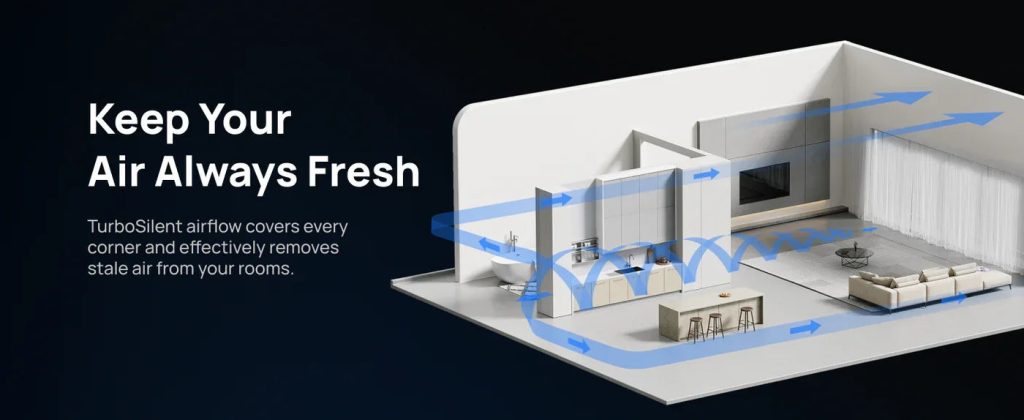
Think about how air enters and exits the room. Does the door open to a hallway with good ventilation? Are windows located across from each other to allow cross-ventilation? If not, you might need to adjust your usage or add fans to help create a pathway for air to flow.

Credit: www.dreo.com
Optimize Window Usage
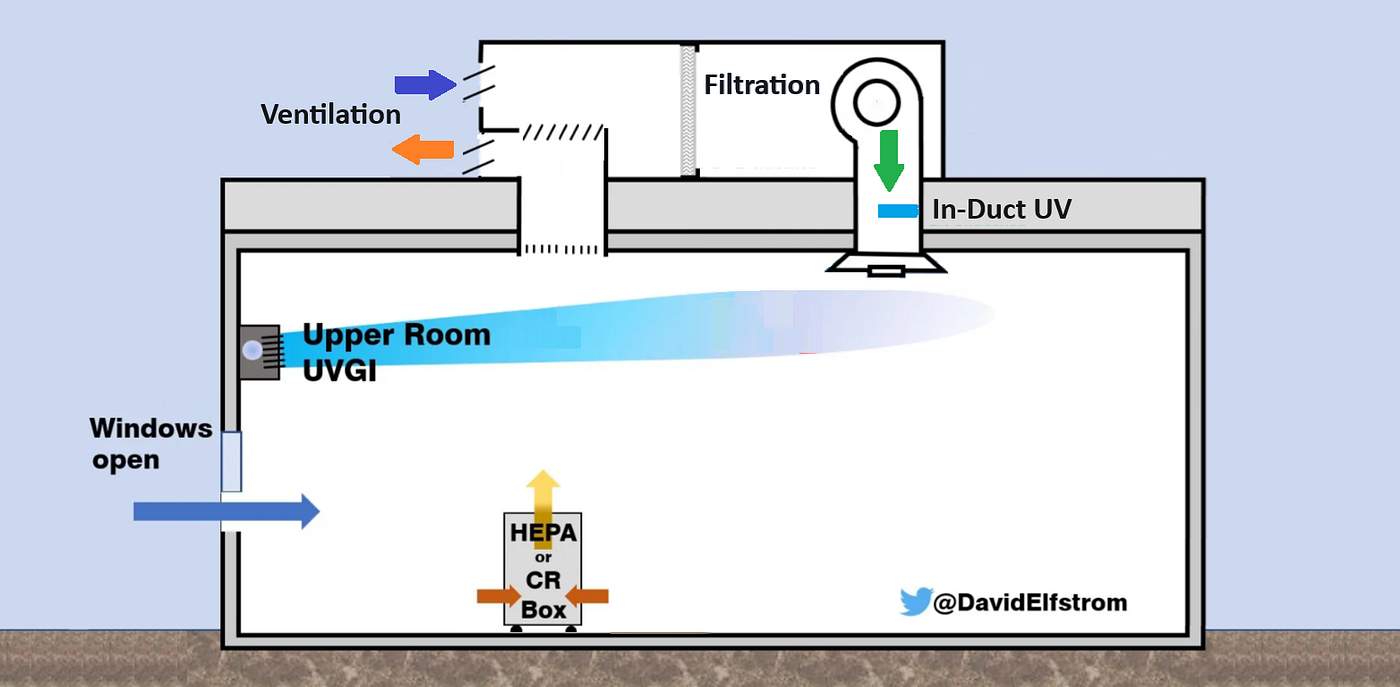
Optimizing window usage can dramatically improve airflow in any room. Windows are natural pathways for fresh air to enter and stale air to leave. Using them smartly can make your space feel cooler and more comfortable without relying heavily on air conditioning.
Create Cross Ventilation
Cross ventilation happens when air flows in through one window and out through another. This process pushes warm air out and pulls fresh air in, quickly refreshing your room.
To create effective cross ventilation, open windows on opposite or adjacent walls. This setup encourages air to move across the room rather than just in one spot.
Think about your room’s layout. Which windows face prevailing winds? Opening these can help you catch natural breezes.
Use Window Fans
Window fans are a simple tool to boost airflow, especially when natural breezes are weak or inconsistent. You can set them to blow air in or out, depending on your needs.
Try placing one fan facing inward to pull fresh air into the room. Then, use another fan on the opposite window to push stale air out.
This push-pull technique speeds up air circulation and can cool your room faster. Have you experimented with fan placement to find the best airflow?
Enhance Doorways
Enhancing doorways is a simple yet effective way to boost airflow into a single room. Doors often act as barriers that limit fresh air circulation, so focusing on how your doors function can make a noticeable difference. Small changes here can help balance the air pressure and keep your space feeling fresher and more comfortable.
Keep Doors Open
One of the easiest ways to improve airflow is to keep the door open whenever possible. This allows air to move freely between rooms, reducing stuffiness and improving ventilation.
Think about your own home: have you noticed how a closed door can trap heat or stale air? Leaving doors open can help air circulate naturally, especially if other windows or vents are open elsewhere in your home.
If privacy or noise is a concern, consider using a doorstop to keep the door slightly ajar, allowing air to pass without fully opening the room to the rest of the house.
Install Door Vents
Adding door vents is a practical solution if you can’t keep doors open all the time. These vents allow air to flow under or through the door, improving circulation without compromising privacy.
Door vents come in various styles and sizes, from simple grilles to more decorative options that blend with your decor. You can easily install them yourself with basic tools.
Have you checked if your doors already have space underneath? If not, installing a vent might be the key to letting your HVAC system work more efficiently in that room.
Credit: itsairborne.com
Use Fans Strategically
Using fans strategically can dramatically improve airflow in a single room without needing major changes to your home’s ventilation system. Fans help move stagnant air, making the space feel cooler and more comfortable. The key is not just having a fan but knowing where to place it and which type works best for your room’s size and layout.
Position Fans For Air Movement
Think about how air naturally flows in your room. Placing a fan near a window can pull fresh air in or push warm air out. If you have two windows, setting a fan in one to blow air out while leaving the other open can create a cross breeze.
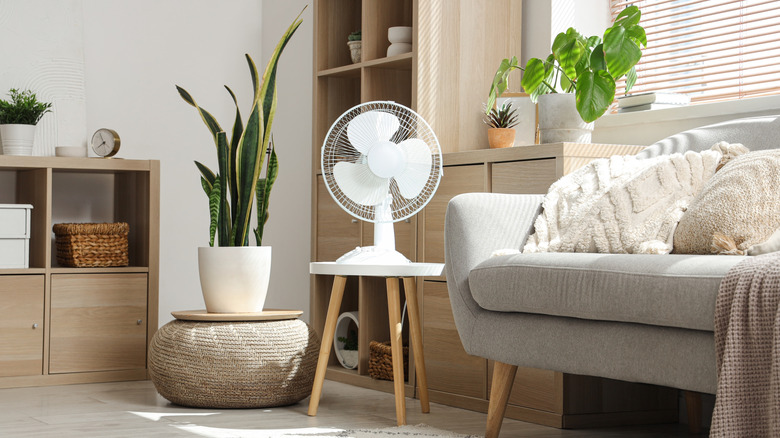
Ceiling fans should rotate counterclockwise during warmer months to push air down and create a wind-chill effect. Floor or desk fans work well when aimed toward seating areas to keep you comfortable. Try moving your fan around the room and notice how airflow changes—this hands-on approach helps you find the sweet spot.
Choose The Right Fan Type
Not all fans are created equal. A box fan or pedestal fan delivers strong airflow and covers larger areas, which is great for bigger rooms. Smaller rooms might benefit more from a quiet, oscillating fan that distributes air evenly without overwhelming the space.
Consider energy usage too—tower fans often use less power and come with features like timers and remote controls. If noise bothers you, look for models labeled “quiet” or “low noise.” What kind of fan fits your room’s size and your lifestyle?
Improve Hvac Performance
Clearing vents and doors boosts airflow into a single room. Adjusting dampers and using fans also helps move air efficiently. Regular maintenance ensures your HVAC system works at its best.
Improving HVAC performance can greatly enhance airflow to a room. Proper maintenance ensures your system runs smoothly. This helps in distributing air evenly across all rooms. Small changes can make a significant difference in comfort levels. Below are some essential steps to boost your HVAC performance effectively.Clean Or Replace Filters
Dirty filters block airflow and reduce HVAC efficiency. Check filters monthly. Cleaning or replacing them ensures better air circulation. Use high-quality filters for best results. This simple task can improve air quality too. Clean filters mean less strain on your system.Adjust Vents And Registers
Ensure vents and registers are open and unobstructed. Blocked vents restrict airflow to rooms. Check for furniture or objects blocking vents. Adjust dampers on vents for balanced airflow. Proper vent adjustment directs more air to the needed room. This helps in achieving desired room temperature.Incorporate Air Purifiers
Incorporating air purifiers can improve airflow and air quality in one room. These devices remove dust, allergens, and other particles from the air. Cleaner air helps the room feel fresher and more comfortable. Proper use of air purifiers supports better air circulation.
Select Suitable Models
Choose an air purifier based on room size and air quality needs. Check the Clean Air Delivery Rate (CADR) to match the purifier with the room area. Look for models with HEPA filters for effective particle removal. Consider noise levels, especially for bedrooms or offices. Energy-efficient models save electricity and reduce running costs.
Place For Maximum Effect
Position the air purifier where air flows freely. Avoid corners or behind furniture that blocks airflow. Keep the device away from walls, at least a few feet. Place near the main source of pollutants for faster cleaning. Ensure the purifier is on a stable surface to work properly. Regularly clean and replace filters for best performance.
Reduce Indoor Obstructions
Reducing indoor obstructions helps air move freely inside a room. Blocked pathways and crowded spaces stop air from flowing well. Clearing space allows fresh air to circulate better. It also helps lower stuffiness and keeps the room cooler. Simple changes can make a big difference in airflow.
Rearrange Furniture
Place large furniture away from windows and vents. This avoids blocking air movement. Leave space between furniture pieces and walls. It helps air pass through the room easily. Try moving sofas, tables, and chairs to open areas. This creates clear paths for air to flow.
Declutter The Room
Remove extra items that crowd the floor or shelves. Too many things slow down air circulation. Keep surfaces clean and organized. Store away unused objects in closets or boxes. A tidy room lets air travel without barriers. It also makes the space feel larger and fresher.
Consider Structural Changes
Improving airflow to a single room can involve structural changes. These changes enhance comfort and energy efficiency. Start by examining the room’s existing airflow patterns. Small modifications might make a significant difference.
Add Ventilation Grilles
Ventilation grilles allow air to move between spaces. Install them in doors or walls. This helps balance the air pressure. Properly sized grilles improve airflow without compromising privacy. Choose grilles that match the room’s style for a seamless look. Regularly clean them to maintain airflow quality.
Install Transfer Fans
Transfer fans move air from one room to another. They are perfect for rooms with poor airflow. Place them in walls or ceilings. Ensure they align with existing ducts for best results. Quiet fans avoid disturbing the room’s peace. Consider energy-efficient models to save on electricity.
Credit: www.housedigest.com
Frequently Asked Questions
How Can I Improve Airflow In A Single Room?
To improve airflow, open windows and doors to create cross-ventilation. Use fans to circulate air effectively and keep vents clear of obstructions.
What Role Do Fans Play In Increasing Room Airflow?
Fans help move stagnant air, enhancing circulation. Position fans near windows or doors to push fresh air inside and pull stale air out.
Can Adjusting Vents Increase Airflow To One Room?
Yes, partially closing vents in other rooms redirects more air to the target room. Ensure vents in the desired room are fully open for maximum airflow.
Does Using An Air Purifier Affect Room Airflow?
Air purifiers improve air quality but do not increase airflow. Combine purifiers with fans or ventilation to optimize both air quality and movement.
Conclusion
Improving airflow in one room can make a big difference. Small changes bring fresh air and comfort. Use fans, open windows, and clear vents often. Keep doors open to let air move freely. Even simple steps help reduce stuffiness. Better airflow means a healthier, cooler space.
Try these tips today and feel the change.



