
Have you ever wondered what keeps your home warm in winter and cool in summer? Or how the air inside your office stays fresh and comfortable all year round?
The answer lies in HVAC. But what exactly is HVAC, and why is it so important for your everyday life? If you want to understand how this system works to control temperature and air quality, you’re in the right place.
Keep reading, and you’ll discover everything you need to know about HVAC and how it impacts your comfort every single day.
Credit: www.fosterintl.com
Hvac Basics
Understanding the basics of HVAC is essential for anyone looking to improve comfort in their home or workplace. HVAC stands for Heating, Ventilation, and Air Conditioning, and it plays a crucial role in maintaining indoor air quality and temperature. Knowing how these systems work can help you make smarter decisions about maintenance, upgrades, and energy savings.
Definition Of Hvac
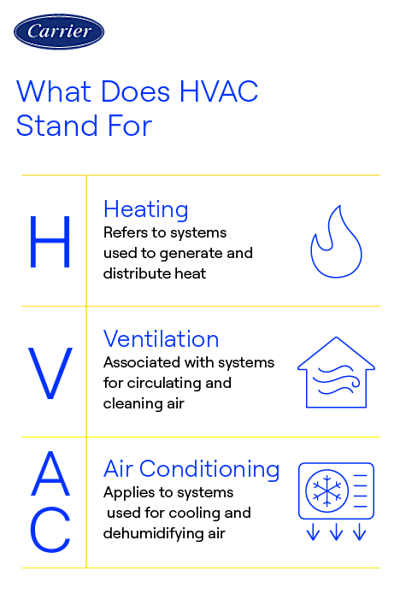
HVAC is an acronym that stands for Heating, Ventilation, and Air Conditioning. It refers to the technology used to control the temperature, humidity, and air quality inside buildings. Essentially, HVAC systems keep your indoor environment comfortable and safe throughout the year.
Components Of Hvac Systems
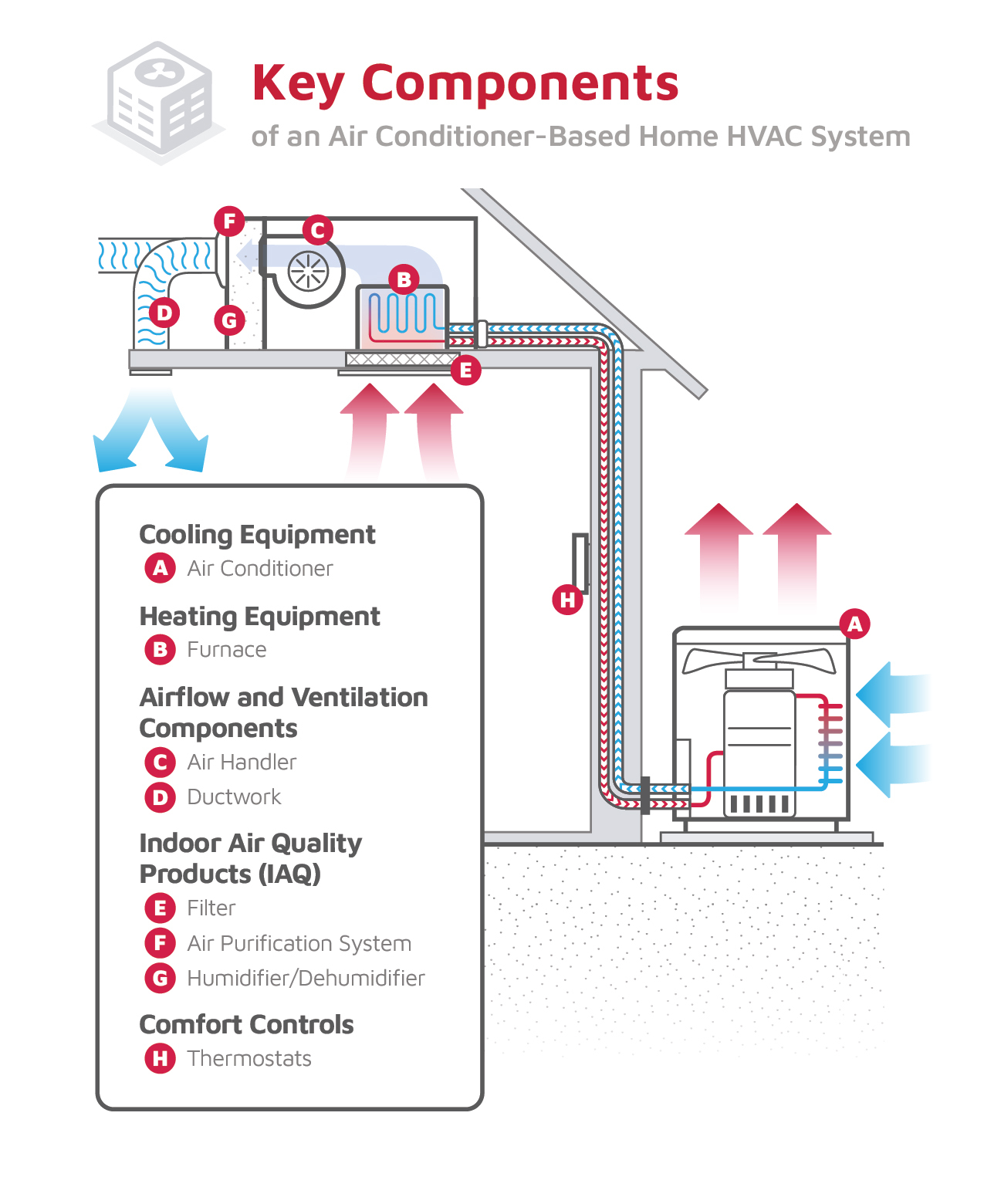
Every HVAC system is made up of several key components working together:
- Heating Unit:This could be a furnace or heat pump that warms up your space during cold months.
- Ventilation:This part ensures fresh air circulates inside and removes stale air.
- Air Conditioning Unit:Cools the air to keep you comfortable when temperatures rise.
- Thermostat:Controls the temperature settings and signals the system when to turn on or off.
Each component has a specific job, but they all must work together seamlessly for the system to function efficiently.
Types Of Hvac Systems
There are different types of HVAC systems designed to fit various building sizes and needs:
- Split Systems:These are the most common, with separate indoor and outdoor units. They are easy to maintain and cost-effective.
- Hybrid Systems:Combine a furnace and heat pump to provide efficient heating and cooling options.
- Duct-Free Systems:Ideal for homes without existing ductwork, using individual air handlers in each room.
- Packaged Heating and Air Conditioning Systems:All-in-one units usually installed outside, saving indoor space.
Which type fits your space and lifestyle best? Understanding these options can help you choose a system that meets your comfort needs and budget.
Credit: www.lennox.com
Heating Systems
Heating systems play a crucial role in maintaining comfort in your home during colder months. Understanding the different types of heating options can help you make better decisions about your HVAC needs. Each system works differently, offering unique benefits and considerations depending on your space and preferences.
Furnaces And Boilers
Furnaces heat air and distribute it through your home using ducts. They often run on natural gas, electricity, or oil. Furnaces heat up quickly, making them a popular choice for fast warmth.
Boilers, on the other hand, heat water to provide either hot water or steam for heating. This heat is transferred through radiators or underfloor pipes. Boilers tend to offer steady, consistent warmth and can be more energy-efficient in larger homes.
Heat Pumps
Heat pumps work by transferring heat from outside to inside your home, even when it’s cold. They can both heat and cool your space, making them versatile all year round. Because they move heat rather than generate it, heat pumps often use less energy compared to traditional systems.
One thing to consider: heat pumps work best in moderate climates. If you live somewhere with extreme cold, you might need a backup heating source.
Radiant Heating
Radiant heating warms your floors or walls, directly heating objects and people in the room. It uses either electric cables or hot water tubes installed under the floor. This system offers a comfortable, even heat without the noise or drafts of forced air systems.
Have you noticed how stepping onto a warm floor on a cold morning feels different? That’s the unique comfort radiant heating provides. It’s a subtle but effective way to keep your living space cozy.
Cooling Systems
Cooling systems are a vital part of HVAC, designed to keep your indoor environment comfortable when temperatures rise. They work by removing heat from inside your space and releasing it outside, helping you stay cool and focused. Understanding these systems can help you choose the right cooling option for your home or office.
Air Conditioners
Air conditioners are the most common cooling devices you’ll encounter. They use refrigerants to absorb heat from the air inside and then release it outside, lowering the indoor temperature effectively.
You’ll find different types of air conditioners, like window units, split systems, and central air conditioning. Each type suits different spaces and budgets. Have you ever noticed how quickly a well-maintained air conditioner can turn a hot room into a comfortable haven?
Evaporative Coolers
Evaporative coolers, also known as swamp coolers, cool air by evaporating water. They work best in dry climates where humidity is low, offering a natural and energy-efficient way to cool your space.
Unlike air conditioners, they add moisture to the air, which can be a bonus if you live somewhere dry. However, they might not be the best choice if you’re in a humid environment. Have you considered how your local climate affects the efficiency of your cooling system?
Ventilation Methods
Ventilation plays a crucial role in cooling by bringing fresh air inside and pushing hot air out. This can be as simple as using fans, open windows, or more complex mechanical ventilation systems.
Good ventilation improves air quality and helps maintain a comfortable temperature without relying solely on mechanical cooling. Do you pay attention to how air moves through your home or workplace during hot days?
Energy Efficiency
Energy efficiency plays a key role in how your HVAC system affects both your comfort and your utility bills. Understanding the factors that contribute to energy savings can help you make smarter choices for your home. Let’s break down some essential elements that impact your system’s efficiency and overall performance.
Seer And Afue Ratings
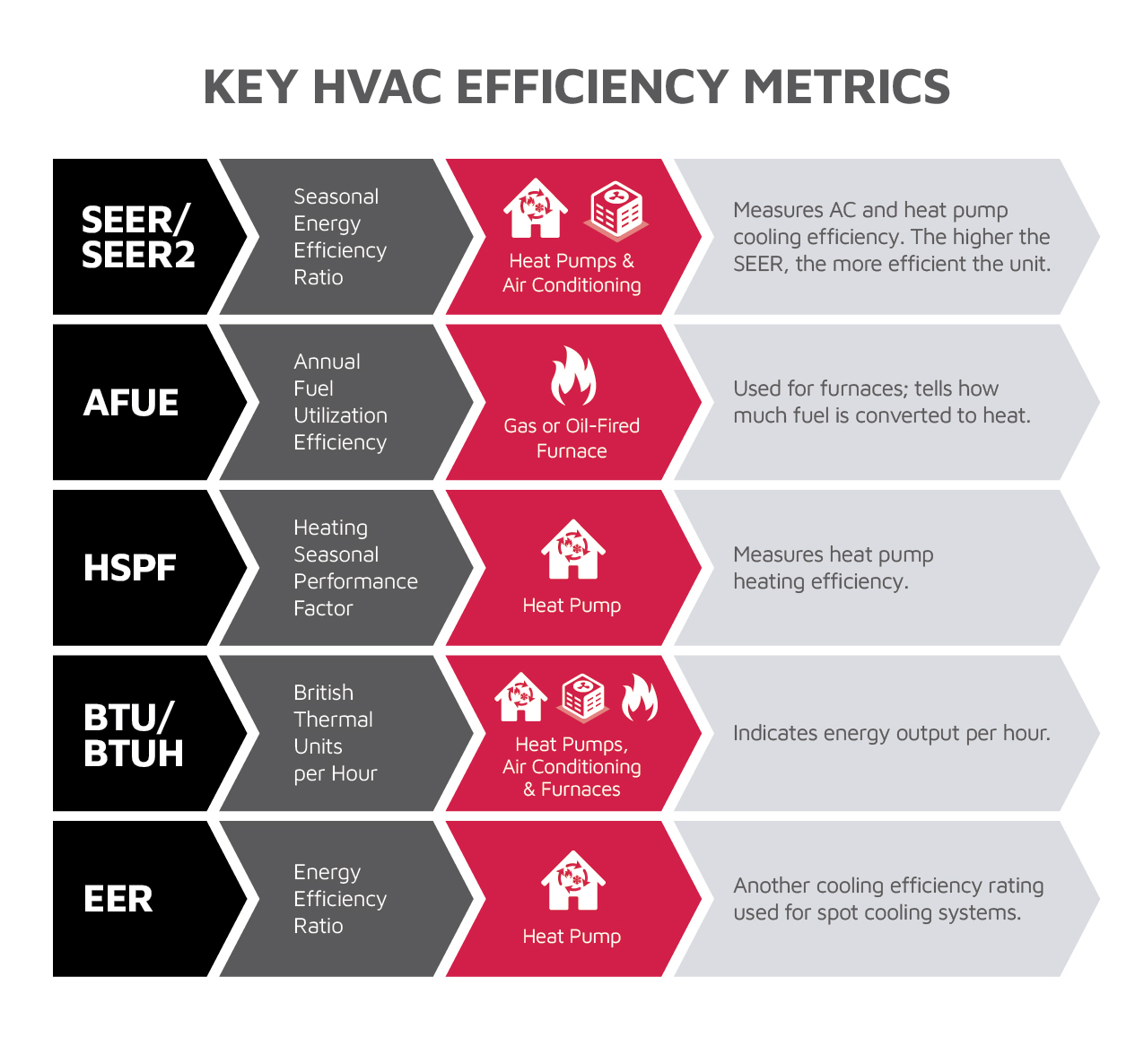
SEER (Seasonal Energy Efficiency Ratio) measures how efficiently your air conditioner or heat pump cools your home over a season. The higher the SEER rating, the less energy your unit uses for the same cooling output. This means you could save a significant amount on your electricity bills by choosing a unit with a better SEER rating.
AFUE (Annual Fuel Utilization Efficiency) applies to furnaces and indicates how well your system converts fuel into heat. A higher AFUE percentage means more heat with less fuel waste. If you’ve noticed your heating costs rising, checking your furnace’s AFUE rating might reveal why.
Smart Thermostats
Smart thermostats can drastically improve your HVAC system’s energy efficiency by learning your schedule and adjusting temperatures automatically. This means your system runs less when you’re away or asleep, saving energy without sacrificing comfort. Have you tried a smart thermostat? You might be surprised how much control it gives you over your energy use.
Many models also provide detailed energy reports. These insights let you spot patterns and adjust your habits for even greater savings. Using a smart thermostat often feels like having a personal energy coach right in your home.
Insulation And Air Sealing
Even the most efficient HVAC system struggles if your home leaks air or lacks proper insulation. Air sealing stops drafts and keeps warm or cool air inside, reducing the workload on your system. Adding insulation in key areas like attics and walls can maintain a steady indoor temperature year-round.
Think about your home as a container for conditioned air. If it’s full of holes, your HVAC system has to work harder and use more energy. Have you checked for leaks around windows, doors, or vents lately? Sealing those gaps can lead to noticeable energy savings and a more comfortable living space.
Maintenance Tips
Maintaining your HVAC system ensures it runs efficiently. Regular maintenance can prevent costly repairs. It also extends the life of your system. Here are some essential maintenance tips to keep your HVAC in top shape.
Filter Replacement
Filters trap dust and debris. They should be replaced every 1-3 months. A clean filter improves air quality. It also helps the system run smoothly. Dirty filters can cause the system to work harder. This increases energy bills. Check filters regularly and replace them as needed.
System Inspections
Regular inspections are crucial for HVAC health. Inspect the system at least twice a year. Look for visible wear and tear. Listen for unusual noises. Check for leaks or strange odors. A professional inspection can catch issues early. This can save money on major repairs.
Troubleshooting Common Issues
Sometimes, HVAC issues are simple to fix. Check the thermostat settings first. Ensure it’s set to the correct mode. Examine circuit breakers if the system won’t start. Clear debris from outdoor units. If the problem persists, contact a professional. They can diagnose and fix complex issues.
Credit: www.lennox.com
Choosing The Right System
Choosing the right HVAC system is essential for comfort and energy savings. The right system keeps your home warm in winter and cool in summer. It also controls humidity and air quality. Picking a system without careful thought can lead to higher energy bills and discomfort. Several key factors affect this choice, including size, climate, and budget.
Sizing And Load Calculations
Proper sizing of the HVAC system is vital. A system too large will cycle on and off too often. This wastes energy and wears out parts faster. A system too small will struggle to reach the desired temperature. Load calculations measure how much heating or cooling your home needs. Professionals use these calculations to match the system size to your home. Factors include the size of your home, insulation, windows, and number of occupants.
Climate Considerations
Climate affects which HVAC system works best. Hot and humid areas need strong cooling and dehumidification. Cold climates need efficient heating systems. Some systems combine heating and cooling for year-round use. Consider seasonal temperature swings and humidity levels. The system should handle extremes without high energy use. Local weather patterns also influence system choice and design.
Budget And Installation Costs
Budget plays a major role in system selection. Initial cost includes the unit and installation fees. Installation complexity can raise costs, especially for ductwork or special setups. Energy-efficient models may cost more upfront but save money over time. Consider both short-term and long-term expenses. Include maintenance and repair costs in your budget planning. Choose a system that fits your financial plan and needs.
Frequently Asked Questions
What Does Hvac Stand For In Building Systems?
HVAC stands for Heating, Ventilation, and Air Conditioning. It refers to the technology used to control indoor air quality and temperature in buildings.
Why Is Hvac Important For Indoor Comfort?
HVAC systems regulate temperature, humidity, and air circulation. This creates a comfortable and healthy indoor environment for occupants.
How Does Hvac Improve Energy Efficiency?
Modern HVAC systems use advanced technology to reduce energy consumption. Efficient HVAC lowers utility bills and minimizes environmental impact.
What Are The Main Components Of Hvac Systems?
HVAC includes heaters, air conditioners, ventilators, ducts, and thermostats. These components work together to maintain desired indoor climate.
Conclusion
HVAC means heating, ventilation, and air conditioning. It keeps indoor air fresh and comfortable. People use HVAC systems in homes, offices, and stores. These systems help control temperature and air quality. Knowing what HVAC means helps you understand its importance.
Good HVAC care saves energy and money. It also improves health by reducing dust and allergens. Now, you have a clear idea of HVAC and why it matters. Simple, right?



