
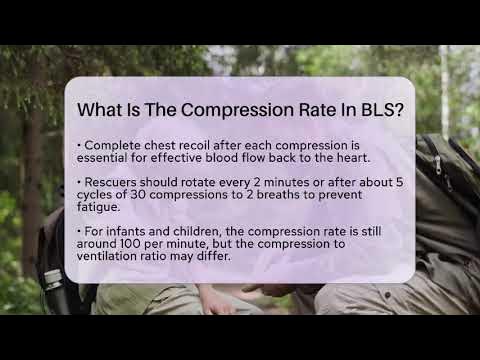
When someone’s life depends on your quick action, knowing the right steps can make all the difference. One of the most important things to understand in CPR is the compression to ventilation ratio.
But what exactly does this ratio mean, and why should you care? If you want to feel confident and prepared in an emergency, understanding this simple concept can help you save a life. Keep reading to discover what the compression to ventilation ratio is and how it plays a crucial role in effective CPR.
Basics Of Compression To Ventilation Ratio
The compression to ventilation ratio is a key part of CPR. It guides how many chest compressions to give before giving rescue breaths. This ratio helps keep blood flowing and oxygen moving to the brain and heart. Understanding this ratio improves CPR effectiveness and can save lives.
Role In Cpr
The ratio balances two lifesaving actions: chest compressions and rescue breaths. Chest compressions keep blood pumping through the body. Ventilations provide oxygen to the lungs. Both are essential for survival during cardiac arrest.
Using the right ratio ensures continuous blood flow without long pauses. This keeps vital organs alive until professional help arrives. It also helps maintain proper oxygen levels in the blood.
How It Works
The compression to ventilation ratio shows how many chest compressions to perform before giving breaths. For adults, the common ratio is 30 compressions to 2 breaths. This means 30 compressions followed by 2 breaths.
During compressions, the heart is squeezed to push blood out. Then, breaths fill the lungs with air, adding oxygen to the blood. This cycle repeats until emergency help takes over or the person recovers.

Credit: studyx.ai
Common Ratios Used
Understanding the common compression to ventilation ratios is key to performing effective CPR. These ratios tell you how many chest compressions to give before delivering rescue breaths. Knowing the right ratio can make a critical difference in maintaining blood flow and oxygen to the brain and heart during an emergency.
Adults
For adults, the widely accepted compression to ventilation ratio is 30:2. This means you give 30 chest compressions followed by 2 rescue breaths.
This ratio balances keeping blood moving with providing enough oxygen. You might wonder why 30 compressions? Research shows this number keeps circulation strong without pausing too long for breaths.
Imagine being in a real emergency. If you stop compressions too often for breaths, it can reduce blood flow. Sticking to 30 compressions before 2 breaths helps you maintain that flow consistently.
Children And Infants
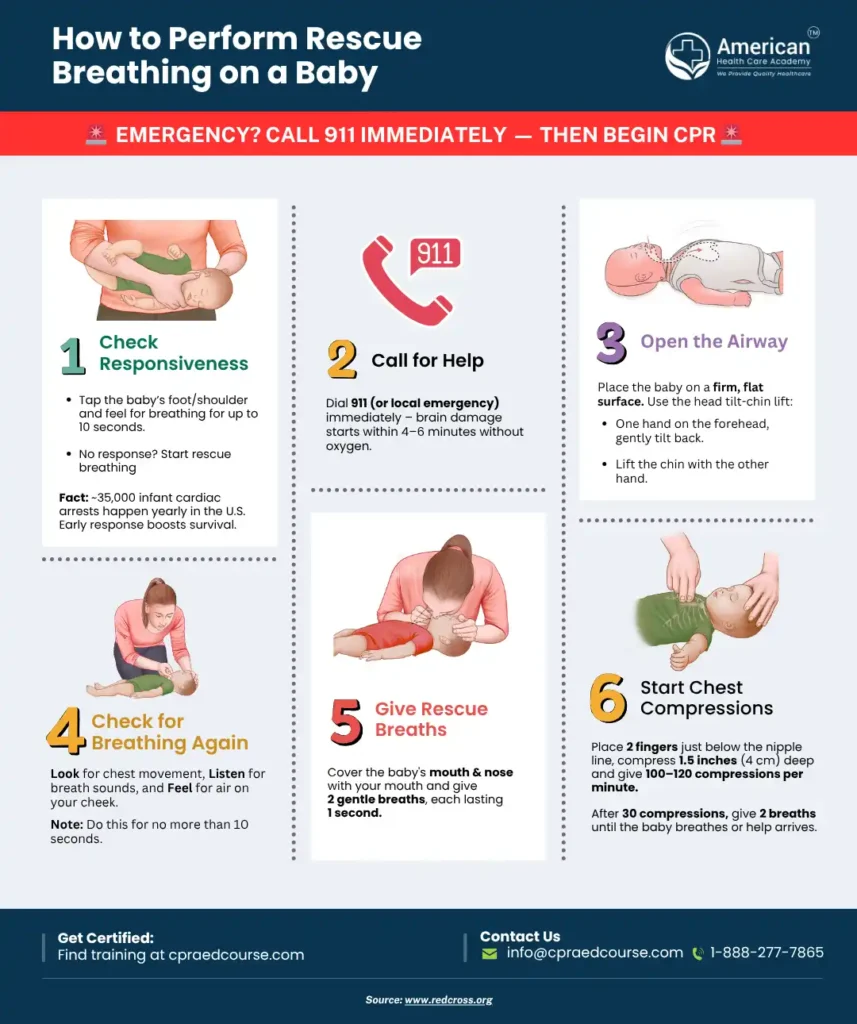
For children and infants, the ratio shifts to 15:2when performing CPR with two rescuers.
This lower number of compressions reflects their smaller bodies and different physiology. It allows for more frequent breaths, which are crucial since kids often suffer from breathing problems that lead to cardiac arrest.
If you’re alone, though, it’s usually recommended to use the adult ratio of 30:2 to simplify the process and keep CPR going without interruption.
Have you ever thought about how a slight change in the ratio can impact the effectiveness of CPR? Next time you train, try both ratios to see how it feels and why these guidelines matter.
Importance In Life-saving
The compression to ventilation ratio is crucial in saving lives during CPR. It controls the balance between chest compressions and rescue breaths. This balance helps keep the heart pumping and oxygen flowing. Understanding this ratio improves the chances of survival in emergencies.
Maintaining Blood Flow
Chest compressions mimic the heart’s pumping action. They push blood through the body to vital organs. The right compression to ventilation ratio ensures continuous blood flow. Stopping compressions for too long reduces blood circulation. This can cause organ damage and reduce the chance of recovery.
Ensuring Oxygen Delivery
Oxygen is vital for the brain and organs to work. Rescue breaths provide oxygen to the lungs. The compression to ventilation ratio controls how often breaths are given. Too few breaths can cause oxygen shortage. Too many breaths can interrupt blood flow. The correct ratio keeps oxygen supply steady and supports life.
Credit: cpraedcourse.com
Adjustments In Special Cases
Special cases require changes to the compression to ventilation ratio for effective CPR. Adjustments ensure proper blood flow and oxygen delivery during emergencies. These variations depend on the victim’s age and condition.
Adjustments in special cases are crucial in CPR. Specific situations require different approaches for effective resuscitation. Understanding these adjustments can improve outcomes. Let’s explore two unique scenarios.Drowning Victims
Drowning victims need immediate attention. Their lungs fill with water, blocking oxygen. In these cases, start with rescue breaths. This helps expel water and provide oxygen. After two breaths, begin chest compressions. Follow the standard compression to ventilation ratio. Rescue breaths remain essential throughout. They increase the chances of survival.Trauma Patients
Trauma patients present unique challenges. They might have internal injuries. Standard CPR could worsen their condition. Assess the situation carefully. If bleeding is severe, control it first. Adjust compression depth based on the injury. Ensure you don’t cause more harm. Monitor their response closely. Adapt the approach as needed.Training And Practice Tips
Training and practice are essential to mastering the compression to ventilation ratio during CPR. Regular practice helps you build muscle memory, so your actions become automatic when seconds count. Focusing on realistic drills and avoiding common pitfalls will boost your confidence and improve the quality of care you provide.
Hands-on Drills
Practice the compression to ventilation ratio using a CPR manikin. This gives you a chance to feel the correct compression depth and ventilation volume.
- Set a timer to maintain the recommended pace, usually 30 compressions followed by 2 breaths.
- Pair up with a partner to simulate real-life scenarios where you alternate roles.
- Use feedback devices if available—they provide real-time data on your compression rate and ventilation quality.
Repetition is key. The more you practice, the smoother your transitions between compressions and breaths will be. This helps prevent interruptions that could reduce blood flow during CPR.
Common Mistakes To Avoid
One frequent error is pausing too long between compressions and breaths. This breaks the rhythm and reduces the effectiveness of CPR.
Another mistake is giving breaths that are too forceful or too weak. Over-ventilating can cause air to enter the stomach, while under-ventilating fails to provide enough oxygen.
- Avoid shallow compressions; aim for at least 2 inches deep on adults.
- Don’t rush through breaths—deliver them steadily over one second each.
- Watch your hand placement to maintain effective chest compressions.
Have you noticed yourself making these mistakes during practice? Identifying and correcting them early improves your readiness for real emergencies.

Credit: www.youtube.com
Technological Aids
Technological aids help improve CPR training and performance. These tools guide users to follow the correct compression to ventilation ratio. They also provide real-time feedback, making practice more effective. Technology supports learning and confidence during emergencies.
Feedback Devices
Feedback devices show how well compressions and breaths are done. They measure depth, rate, and timing of chest compressions. Many devices beep or flash lights to signal the right pace. This instant feedback helps maintain the correct compression to ventilation ratio. Users can adjust their actions to improve CPR quality.
Mobile Apps
Mobile apps offer easy access to CPR guidance anytime. These apps include step-by-step instructions for compression and ventilation. Some use the phone’s sensors to count compressions and give alerts. Others provide video tutorials and practice timers. Mobile apps make it simple to learn and remember the right ratio.
Frequently Asked Questions
What Is The Compression To Ventilation Ratio?
The compression to ventilation ratio is the number of chest compressions given per rescue breath during CPR. It helps maintain blood flow and oxygen delivery to vital organs. The standard ratio for adults is 30 compressions to 2 breaths.
Why Is The Ratio Important In Cpr?
This ratio ensures an effective balance between blood circulation and oxygen supply. Proper timing improves survival chances and brain function. Incorrect ratios may reduce CPR effectiveness and harm the patient.
How Does The Ratio Vary By Age Group?
For adults and children, the ratio is 30:2 during single-rescuer CPR. For infants or two-rescuer CPR, it changes to 15:2. These adjustments reflect different physiological needs and improve resuscitation outcomes.
Can The Ratio Affect Cpr Success Rates?
Yes, following the correct compression to ventilation ratio increases CPR success. It optimizes oxygenation and blood flow, critical for patient recovery. Deviation from guidelines can lower survival chances.
Conclusion
Knowing the correct compression to ventilation ratio saves lives. It helps you give proper CPR during emergencies. This ratio ensures the heart gets enough blood flow and oxygen. Practice this skill to feel confident in urgent moments. Remember, quick and steady actions can make a big difference.
Always stay calm and follow the right steps. Keep learning and reviewing these basics regularly. Being prepared means you can help someone in need.



