
Do you ever walk into a room and feel like the air is heavy, stale, or just not quite right? That uncomfortable stuffiness can make it hard to focus, relax, or even breathe easily.
But what if you could fix that with simple steps you can do right now? Knowing how to circulate air in a room isn’t just about comfort—it’s about improving your health, boosting your mood, and making your space feel fresh and inviting.
Keep reading, and you’ll discover easy, practical tips that will transform your room into a breath of fresh air.
Benefits Of Air Circulation
Good air circulation improves the comfort and health of any room. It moves stale air out and brings fresh air in. This process helps control temperature and reduces moisture. Circulating air can also reduce odors and prevent the buildup of harmful particles.
Proper air flow supports a cleaner and more pleasant living space. It can also lower energy costs by making heating and cooling systems work better. The benefits extend to both physical well-being and the overall environment of the room.
Improves Air Quality
Air circulation removes dust, allergens, and pollutants. It keeps the air fresh and easier to breathe. This helps reduce allergy symptoms and respiratory problems.
Regulates Temperature
Moving air helps spread heat or coolness evenly. It prevents hot spots and cold corners. This creates a more comfortable room all year round.
Reduces Moisture And Mold
Good air flow lowers humidity levels. It stops dampness that causes mold and mildew. This protects walls, furniture, and your health.
Eliminates Odors
Circulating air removes bad smells quickly. Cooking, pets, and smoke odors do not linger. Fresh air keeps the room smelling clean and inviting.
Enhances Energy Efficiency
Better air movement helps heating and cooling systems run smoothly. This reduces the need for extra energy. It can lower electricity bills while keeping the room comfortable.
Natural Ventilation Techniques
Natural ventilation is one of the easiest and most cost-effective ways to improve air circulation in your room. It uses fresh outdoor air to replace stale indoor air without relying on electric fans or air conditioning. You might be surprised how small changes in how you open windows or doors can make a big difference in comfort and air quality.
Using Windows And Doors
Opening windows and doors strategically is the simplest way to let fresh air flow through your space. You want to create a path for air to enter and exit, so try opening windows on opposite sides of the room or house. This setup encourages continuous air movement, which helps remove heat and odors quickly.
Think about the time you left a window open on a breezy day and felt the room cool down immediately. That’s natural ventilation working. You can also open interior doors to allow air to circulate between rooms, preventing stuffiness in one area.
Cross Ventilation Methods
Cross ventilation happens when air enters from one side of a room and exits through another, creating a refreshing breeze. To get this effect, you need at least two openings placed across from each other, like windows or a window and a door.
If your room has only one window, try adding a vent or using a fan to push air out on the opposite side. You might notice how opening windows on different walls feels cooler than just one window open, especially on hot days.
Skylights And Vents
Skylights and vents provide an upward path for warm air to escape, which helps keep your room cooler. Warm air naturally rises, so these openings near the ceiling allow it to leave while cooler air enters from lower windows or doors.
Installing operable skylights or roof vents can make a big difference in rooms that get hot quickly, like attics or top-floor bedrooms. Have you ever noticed how hot air pools near the ceiling? A vent or skylight gives that heat an easy exit route.
Fans And Airflow Devices
Fans and airflow devices are essential tools for keeping air moving in any room. They help prevent stuffiness and create a more comfortable environment without relying solely on air conditioning. Understanding how to set up and place these devices can make a big difference in how effectively they circulate air.
Ceiling Fans Setup
Ceiling fans are powerful for moving air evenly throughout a room. Install them in the center of the ceiling to maximize coverage.
Make sure the fan blades are about 7-9 feet above the floor to avoid accidents and ensure optimal airflow. Adjust the fan direction depending on the season: clockwise in winter to push warm air down, and counterclockwise in summer to create a cooling breeze.
Have you noticed how a correctly set ceiling fan reduces the need for constant air conditioning? That’s energy saved and comfort gained.
Portable Fans Placement
Portable fans offer flexibility in directing airflow where it’s needed most. Place them near windows to pull in fresh air or push hot air out.
Try positioning a fan opposite a window or door to create a cross-breeze that moves air through the room more efficiently. Avoid placing fans where they blow air directly on you for long periods—it can cause discomfort.
Consider the size of the fan and the room. A small desk fan won’t move air effectively in a large living room, so choose the right size for your space.
Exhaust Fans
Exhaust fans are designed to remove stale or humid air, which improves overall air quality. Bathrooms and kitchens often benefit the most from these fans.
Make sure exhaust fans vent to the outside, not just into the attic or another space, to prevent moisture buildup. Using them during and after cooking or showering can reduce odors and humidity quickly.
Have you ever felt the difference in a room after turning on an exhaust fan? It can make the space feel fresher almost immediately.

Credit: www.dreo.com
Optimizing Room Layout
Optimizing your room layout can dramatically improve how air moves around your space. It’s not just about where things look best but how they affect airflow. Small changes in arrangement can make your room feel fresher and more comfortable.
Furniture Arrangement
Think about how your furniture is placed in relation to windows, doors, and vents. Large pieces like sofas or cabinets can block the natural path of air. Try positioning them away from these key airflow points to keep air moving freely.
Have you noticed how moving a chair or table slightly can change the room’s feel? That’s because air flows better when it doesn’t have to navigate around obstacles. Leave open pathways that allow air to circulate without interruption.
Removing Airflow Blockers
Clutter can silently stop air from circulating well. Piles of clothes, stacks of books, or even bulky curtains can trap air and make your room feel stuffy. Clearing these blockers can open up the space for fresh air to move.
Check if any plants or decorative items are blocking vents or fans. Even small items can affect airflow more than you might expect. Ask yourself, what can you remove or rearrange to help the air flow better?
Improving Air Quality
Opening windows creates fresh airflow and reduces indoor pollutants. Placing fans near windows or doors helps move air across the room. This simple circulation keeps air clean and improves overall air quality.
Improving air quality in your room is essential for a healthy environment. Fresh air keeps you energized and helps you breathe easier. By enhancing air circulation, you reduce allergens and improve comfort. Let’s explore simple ways to boost air quality.Indoor Plants
Indoor plants do more than beautify a room. They absorb toxins and release fresh oxygen. Choose plants like spider plants or snake plants. These are easy to care for and effective. Place them near windows for maximum benefit.Air Purifiers
Air purifiers can significantly improve air quality. They remove dust, pollen, and smoke particles. Choose purifiers with HEPA filters for best results. Position them in rooms you use most. Ensure regular filter changes for effectiveness.Humidity Control
Balancing humidity is crucial for air quality. Too much moisture invites mold and dust mites. Use a dehumidifier to maintain ideal levels. Keep humidity between 30% and 50%. Check levels with a hygrometer for accuracy.
Credit: www.dreo.com
Seasonal Air Circulation Tips
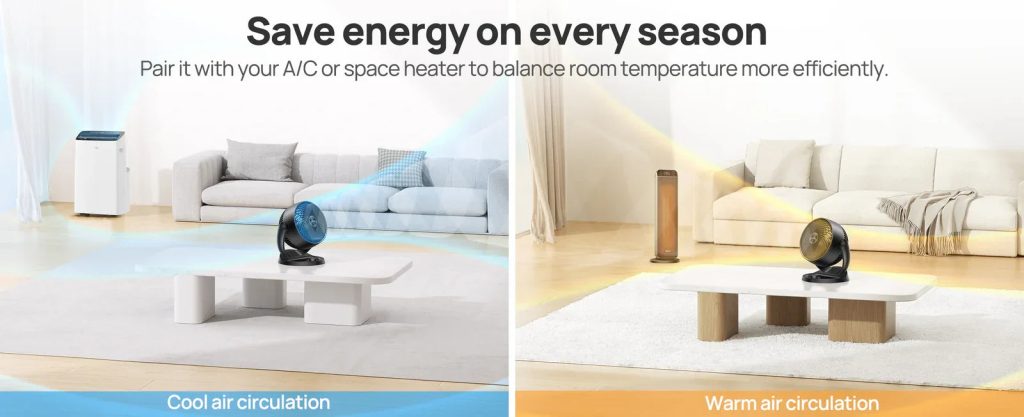
Seasonal changes greatly affect how air moves inside your home. Adjusting your air circulation methods according to the weather can make your space more comfortable and energy-efficient. Let’s dive into some practical tips to help you manage airflow during summer and winter months.
Summer Cooling Tricks
In summer, hot air tends to rise, making upper floors warmer than lower ones. You can use ceiling fans to push air down, which creates a cooling breeze without cranking up the AC.
Try opening windows on opposite sides of the room to create a natural cross breeze. This simple trick helps push hot air out and pull cooler air in.
Have you noticed how a box fan works wonders when placed in a window? Position it so it pushes hot air outside during the day and pulls fresh air in during cooler evenings. This switch can dramatically improve air circulation and reduce indoor temperature.
Winter Airflow Management
In winter, warm air collects near the ceiling, leaving your living space chilly. Reverse your ceiling fan’s direction to pull cool air up and push warm air down along the walls.
Keep interior doors open to allow warm air to flow freely between rooms. Closed doors trap heat, causing uneven temperatures and wasted energy.
Have you tried using a small fan near your heating vents? It helps distribute warm air more evenly, preventing cold spots and making your heating system more effective.

Credit: www.dreo.com
Frequently Asked Questions
How Can I Improve Air Circulation Naturally?
Open windows and doors to create cross-ventilation. Use ceiling fans or portable fans to enhance airflow. Houseplants also help purify and freshen indoor air naturally.
What Is The Best Fan Type For Room Airflow?
Ceiling fans are ideal for consistent air circulation. Oscillating fans distribute air evenly. Tower fans save space and work well in smaller rooms.
Does Furniture Placement Affect Room Air Circulation?
Yes, bulky furniture blocking vents or pathways reduces airflow. Arrange furniture to keep air vents clear. Ensure fans and windows are unobstructed for better circulation.
How Often Should I Ventilate My Room?
Ventilate your room at least twice daily for 10-15 minutes. This refreshes indoor air and reduces humidity, improving overall air quality and comfort.
Conclusion
Good air circulation makes any room feel fresh and comfortable. Simple steps like opening windows or using fans help a lot. Moving furniture can also improve airflow. Remember to keep vents clean for better air movement. Try combining different methods for best results.
A well-ventilated room feels cooler and healthier. Enjoy the fresh air every day. Small changes make a big difference in your space. Keep these tips in mind to breathe easier indoors.



