

Have you ever noticed stale air or lingering odors in your home? What if the air you breathe inside isn’t as fresh or healthy as it should be?
That’s where whole house ventilation comes in. It’s a simple but powerful way to keep your entire home filled with clean, fresh air all day long. You’ll discover exactly what whole house ventilation is, why it matters for your comfort and health, and how it can transform your living space.
Keep reading—your home’s air quality might depend on it.
Whole House Ventilation Basics
Whole house ventilation is essential for keeping your home’s air fresh and healthy. It helps remove stale air, reduce moisture, and bring in clean air from outside. Understanding the basics can help you choose the right system and maintain a comfortable living environment.
Types Of Ventilation Systems
There are three main types of whole house ventilation systems:
- Exhaust Ventilation:This system pulls air out of your home, creating negative pressure that draws fresh air in through vents or leaks.
- Supply Ventilation:It pushes fresh outdoor air into your home, forcing stale air to exit through openings or exhaust fans.
- Balanced Ventilation:This system uses both supply and exhaust fans to bring in and remove equal amounts of air, maintaining neutral pressure.
Choosing the right type depends on your home’s design, climate, and specific air quality needs.
How Ventilation Works
Ventilation moves air through your home to replace indoor pollutants with fresh outdoor air. It works by creating air pressure differences that drive airflow.
For example, exhaust systems create a pull effect, while supply systems push fresh air in. Balanced systems carefully control both directions to avoid pressure problems.
Have you noticed stale smells or excessive humidity in your home? Proper ventilation can solve these issues by continuously cycling fresh air.
Key Components
Every whole house ventilation system includes several important parts:
- Fans:These move the air in and out of your home.
- Ductwork:Channels that direct airflow to and from different rooms.
- Air Filters:Clean incoming air by trapping dust and allergens.
- Vents and Dampers:Control where and how much air enters or leaves.
Knowing these components helps you understand how your system works and when maintenance is needed.

Credit: ezbreathe.com
Benefits Of Fresh Air Indoors
Breathing fresh air indoors isn’t just about comfort; it’s a key factor in maintaining a healthy living environment. Fresh air reduces the buildup of stale odors and harmful contaminants that often linger inside homes. By improving air circulation, you create a space where you and your family can thrive.
Improved Air Quality
Fresh air significantly boosts indoor air quality by constantly replacing stale, oxygen-depleted air with clean oxygen-rich air. This process helps reduce carbon dioxide levels, which can cause headaches and fatigue if left unchecked. Have you noticed feeling more alert and energized after opening a window? That’s the power of better air quality at work.
Reduced Allergens And Pollutants
Indoor allergens like dust, pet dander, and mold spores can accumulate quickly without proper ventilation. Introducing fresh air helps flush out these irritants, reducing allergy symptoms and respiratory issues. It’s common to underestimate how much cleaner your home feels when you regularly bring in fresh air—many people report fewer sneezes and less coughing.
Enhanced Comfort
Fresh air helps regulate indoor humidity and temperature, making your home feel more comfortable naturally. Instead of relying heavily on air conditioning or heating, fresh air balances the environment in a way that feels inviting. Have you ever stepped into a room that felt stuffy and then instantly refreshed when a window opened? That’s the comfort fresh air provides.
Health Advantages
Whole house ventilation offers more than just fresh air; it significantly boosts your health. Proper ventilation helps remove indoor pollutants and allergens, creating a cleaner environment. This section highlights key health benefits you can enjoy with whole house ventilation.
Respiratory Health
Good ventilation reduces the buildup of dust, pet dander, and airborne allergens that can trigger asthma and allergies. Breathing cleaner air lowers your risk of respiratory issues and helps you feel more energetic throughout the day.
Have you noticed how your breathing improves after spending time outdoors? Whole house ventilation brings that fresh air inside, making your home a safer place to breathe.
Reduced Mold And Mildew
Excess moisture inside your home encourages mold and mildew growth, which can cause skin irritation and worsen lung conditions. Ventilation controls humidity levels, preventing dampness and keeping mold spores at bay.
Imagine avoiding costly mold remediation and protecting your family’s health simply by improving air flow. It’s a practical step that pays off in comfort and safety.
Better Sleep And Wellbeing
Fresh air helps regulate your body’s oxygen levels and keeps carbon dioxide from building up overnight. This improves sleep quality, leaving you feeling rested and alert the next day.
Have you ever woken up feeling groggy despite getting enough hours of sleep? Better ventilation might be the missing piece to enhance your nightly rest and overall wellbeing.
Energy Efficiency And Ventilation
Energy efficiency is a key factor when considering whole house ventilation. Proper ventilation improves indoor air quality but can also increase energy use if not managed well. Finding the right balance between fresh air and energy consumption is essential to keep your home comfortable and your bills low.
Balancing Airflow And Energy Use
Too much ventilation can cause your heating or cooling system to work harder, driving up energy costs. Too little airflow, however, can trap pollutants and moisture inside. You want a system that refreshes your air without wasting energy.
One effective approach is using ventilation systems with heat recovery ventilators (HRVs) or energy recovery ventilators (ERVs). These devices capture heat from outgoing stale air and transfer it to incoming fresh air, reducing energy loss.
Have you noticed how some rooms feel stuffy even when windows are open? Controlled ventilation solves this by ensuring consistent airflow throughout the house while conserving energy.
Ventilation And Hvac Systems
Your ventilation system works best when integrated with your HVAC setup. Coordinating these systems helps maintain steady temperatures and humidity levels.
For example, some modern HVAC units come with built-in ventilation controls that adjust airflow based on indoor air quality sensors. This reduces unnecessary heating or cooling during ventilation.
Ignoring this integration can lead to inefficiency. If ventilation runs independently, your HVAC might overcompensate, increasing wear and energy use.
Cost Savings Tips
- Use programmable controls:Set ventilation to run only when needed, such as during peak occupancy times.
- Seal leaks:Prevent unwanted air drafts around windows and doors to keep your ventilation system efficient.
- Maintain filters:Clean or replace filters regularly to ensure your system operates smoothly and uses less energy.
- Consider zoning:Ventilate only occupied areas instead of the entire house to save energy.
Have you checked your ventilation settings lately? Small adjustments can lead to noticeable savings on your energy bills.
Choosing The Right System
Choosing the right system improves indoor air quality and comfort. Whole house ventilation removes stale air and brings fresh air inside. Proper selection depends on your home’s size and air needs.
Choosing the right whole house ventilation system is crucial for maintaining a healthy and comfortable indoor environment. With various options available, understanding your specific needs can guide you to a decision that balances efficiency, cost, and air quality. Let’s break down the essential factors to consider when selecting a ventilation system for your home.Assessing Home Ventilation Needs
Every home has unique ventilation requirements. Consider factors such as the size of your house, the climate you live in, and the existing HVAC setup. Do you frequently notice stale air or moisture problems? These signs indicate that you might need a more robust system. Think about how often you cook, shower, or do activities that produce moisture or odors. This assessment helps you understand the capacity and type of system you’ll need.Comparing System Types
Whole house ventilation systems come in several types: exhaust, supply, balanced, and energy recovery ventilators (ERVs). Exhaust systems are cost-effective but might not be suitable for all climates. Supply systems bring fresh air in but could pressurize your home. Balanced systems offer a good mix but are more complex. ERVs are efficient but often come with a higher price tag. Compare these options based on your budget, climate, and home’s specific needs.Installation Considerations
Installing a ventilation system requires careful planning. Ensure your system is compatible with your home’s existing ductwork. You may need professional help, especially for complex systems like ERVs. Think about the location of vents to maximize efficiency. Can you install it yourself, or is hiring a professional the best route? Evaluate the long-term maintenance needs, as this impacts the system’s effectiveness and longevity. By carefully considering these factors, you can choose a whole house ventilation system that enhances your home’s air quality and comfort.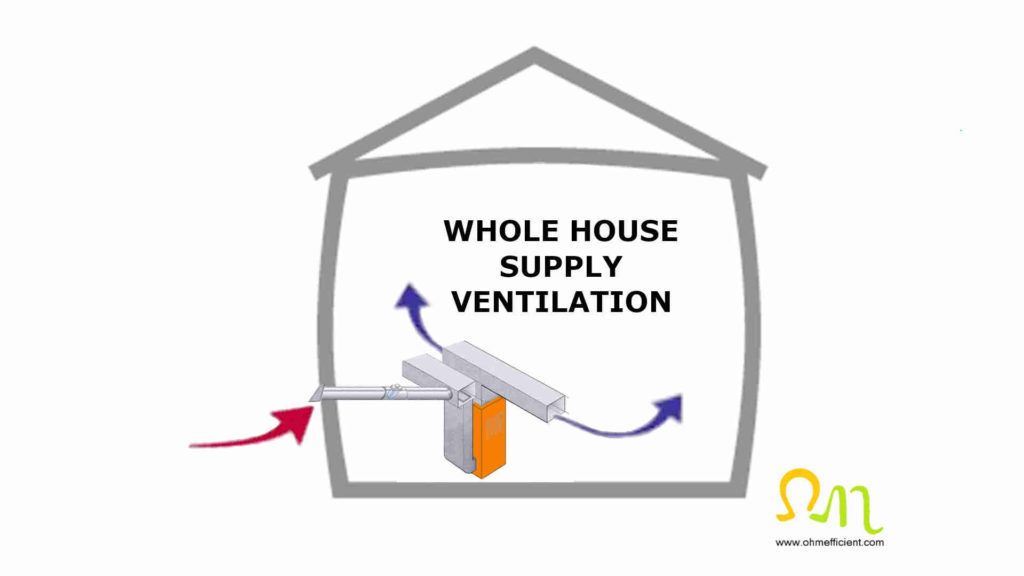
Credit: ohmefficient.com
Maintenance And Troubleshooting
Maintaining your whole house ventilation system is key to keeping your indoor air fresh and your home energy-efficient. Regular upkeep helps spot small problems before they become costly repairs. Understanding how to troubleshoot common issues can save you time and frustration.
Regular Inspection Tasks
Set a schedule to check your ventilation system at least twice a year. Look for dust buildup on vents and filters—clogged filters reduce airflow and strain the system.
- Clean or replace filters as recommended by the manufacturer.
- Inspect ductwork for any visible damage or leaks.
- Listen for unusual noises from fans or motors.
- Check if all vents are open and unobstructed.
Have you noticed a sudden drop in air quality or airflow in certain rooms? These signs often mean it’s time for a thorough inspection.
Common Issues And Fixes
One common problem is reduced airflow caused by blocked filters or dirty ducts. Cleaning or replacing filters usually restores performance quickly.
Another frequent issue is fan noise, which might indicate loose parts or worn bearings. Tightening screws or lubricating moving parts can often resolve this.
- Problem:Uneven ventilation across rooms
Fix:Adjust vent dampers or check for blockages in ductwork. - Problem:Persistent musty odors
Fix:Clean ducts and check for mold or moisture buildup. - Problem:System won’t turn on
Fix:Verify power supply and reset breakers if needed.
Have you tried these fixes but still face issues? Sometimes problems hide deeper inside the system.
When To Call A Professional
If you detect electrical problems, strange smells, or persistent noise that you can’t fix, it’s time to get expert help. Professionals have the tools to diagnose and repair complex ventilation issues safely.
Also, if you notice water leaks or mold inside your ducts, a professional can address the root cause to protect your health and home.
Think about how much time and effort you’ve spent troubleshooting—would a pro save you more in the long run? Sometimes investing in expert care prevents bigger headaches later.

Credit: www.achrnews.com
Frequently Asked Questions
What Is Whole House Ventilation System?
Whole house ventilation is a system that exchanges indoor air with fresh outdoor air. It improves air quality by reducing moisture, odors, and pollutants throughout the entire home.
Why Is Whole House Ventilation Important?
It helps prevent mold growth, reduces allergens, and maintains healthy humidity levels. Good ventilation also enhances comfort and protects the home’s structure.
How Does Whole House Ventilation Work?
The system uses fans and vents to bring in fresh air and exhaust stale air. It balances airflow to maintain consistent indoor air quality throughout all rooms.
What Are The Types Of Whole House Ventilation?
Common types include exhaust-only, supply-only, and balanced ventilation systems. Each type controls airflow differently to suit various home needs and climates.
Conclusion
Whole house ventilation helps keep your home fresh and healthy. It moves stale air out and brings clean air in. This improves air quality and reduces moisture problems. Proper ventilation also helps control odors and allergens. Installing the right system can save energy and lower costs.
A well-ventilated home feels more comfortable every day. Think of it as breathing easy inside your own space. Choose a system that fits your home’s needs. Enjoy cleaner air and a healthier living environment.



