

Are you wondering how to keep the air inside your mobile home fresh and healthy all year round? Understanding whole house ventilation could be the key to improving your indoor comfort and protecting your home from moisture and mold.
You might not realize it, but proper ventilation plays a huge role in making your living space safer and more enjoyable. You’ll discover what whole house ventilation is, why it matters for your mobile home, and how it can benefit you and your family every day.
Keep reading to find simple solutions that can transform the air you breathe inside your home.
Whole House Ventilation Basics
Whole house ventilation is essential for maintaining fresh air inside a mobile home. It helps remove stale air, moisture, and pollutants. Proper ventilation keeps the air clean and prevents mold growth. It also improves comfort and health for everyone inside.
Understanding the basics of whole house ventilation can help mobile homeowners make better decisions. This system works by exchanging indoor air with outdoor air efficiently. It balances airflow to keep the home fresh without wasting energy.
What It Means For Mobile Homes
Mobile homes are often sealed tightly to save energy. This tight sealing can trap moisture and pollutants inside. Whole house ventilation solves this by bringing in fresh air and pushing out stale air. It reduces humidity, preventing mold and mildew. It also lowers odors and indoor air pollution. Proper ventilation keeps the home healthier and more comfortable.
Key Components Involved
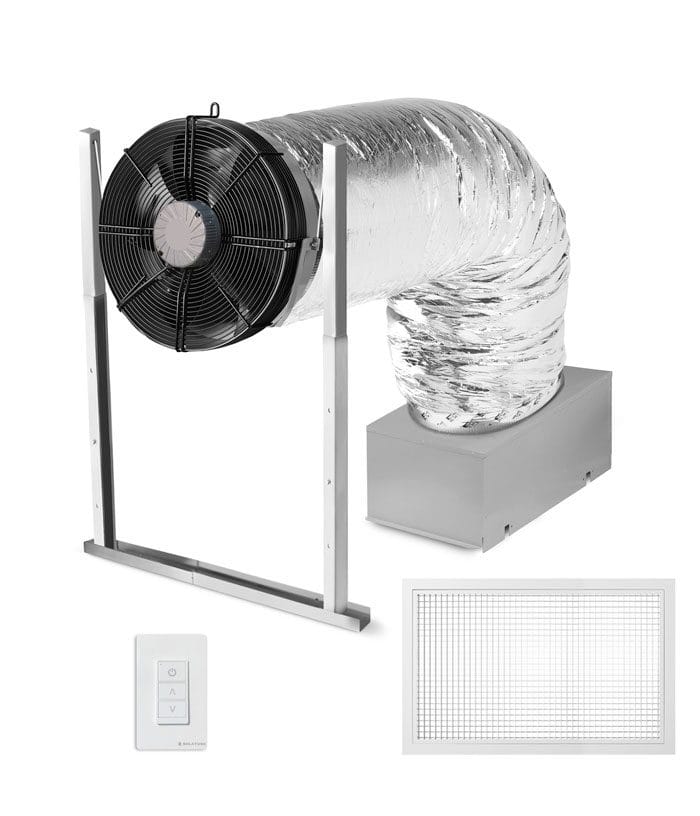
Several parts work together in a whole house ventilation system:
- Intake Vents:Bring fresh outdoor air into the home.
- Exhaust Vents:Remove stale, moist, or polluted air from inside.
- Fans:Help move air through the system efficiently.
- Filters:Clean incoming air by trapping dust and allergens.
- Controls:Manage airflow and ventilation timing.
Each component plays a vital role in ensuring good air quality. Together, they maintain a healthy and comfortable environment inside a mobile home.
Benefits Of Ventilation Systems
Ventilation systems in mobile homes offer many benefits. They help keep the indoor air fresh and healthy. These systems also protect your home from moisture damage. Energy use becomes more efficient, lowering utility bills. Proper ventilation improves comfort and safety inside your home.
Improving Indoor Air Quality
Ventilation systems remove stale air and bring in fresh air. This reduces dust, allergens, and harmful gases. Clean air helps prevent respiratory problems and allergies. It creates a healthier living space for you and your family.
Controlling Moisture And Mold
Mobile homes often face moisture buildup due to tight spaces. Ventilation controls humidity levels by circulating air. Lower moisture stops mold and mildew growth. This protects your home structure and keeps it safe.
Enhancing Energy Efficiency
Ventilation systems balance air flow without wasting energy. They reduce the need for heating and cooling. This saves money on energy bills. Efficient ventilation also extends the life of your HVAC system.
Types Of Ventilation Systems
Whole house ventilation systems help keep air fresh inside a mobile home. They move stale air out and bring fresh air in. Different systems work in different ways. Each system has benefits and fits specific needs. Understanding these types helps choose the best one.
Exhaust Ventilation
Exhaust ventilation removes air from inside the home. Fans push stale air out through vents. This creates low pressure inside, pulling fresh air in through cracks and openings. It is simple and low cost. It works well in mild climates. But it may let in dust and allergens.
Supply Ventilation
Supply ventilation pushes fresh air into the home. Fans bring outdoor air inside through filters. This creates positive pressure, forcing stale air out naturally. It helps reduce dust and allergens. It is good for tight homes. It needs a good filter system to clean air before entering.
Balanced Ventilation
Balanced ventilation uses two fans. One fan brings fresh air in. The other fan pushes stale air out. This keeps air pressure equal inside. It provides controlled airflow. It helps keep air clean and fresh all year. It is the best choice for mobile homes with good insulation.
Choosing The Right System For Mobile Homes
Choosing the right whole house ventilation system for a mobile home requires careful thought. Mobile homes have unique structures and space limits. The system must fit these specific needs to work well and keep the indoor air fresh. Understanding the type of ventilation and how it interacts with the home’s design is key to making the best choice.
Factors To Consider
- Size of the mobile home — ventilation must cover the entire space evenly.
- Energy efficiency — choose a system that uses less power but moves enough air.
- Humidity control — some systems help reduce moisture, preventing mold and mildew.
- Installation ease — mobile homes often have limited access to walls and ceilings.
- Noise level — quieter systems improve comfort inside the home.
- Maintenance needs — easy-to-clean systems save time and keep air quality high.
Common Challenges In Mobile Homes
- Limited wall and ceiling space for ductwork or vents.
- Thin walls can cause air leaks, reducing ventilation effectiveness.
- High humidity levels lead to mold growth if not controlled.
- Older mobile homes may lack proper insulation, affecting air flow.
- Electric load limits require energy-efficient ventilation solutions.
- Sealed windows reduce natural air exchange, increasing reliance on ventilation systems.
Installation Tips And Best Practices
Whole house ventilation ensures fresh air circulates in your mobile home. Proper installation is key to maximizing its benefits. Here are some tips and best practices to guide you.
Placement And Sizing
Choose locations with the best air flow potential. Install vents in common areas like living rooms and kitchens. Bathrooms also benefit from good ventilation. Ensure vents are not blocked by furniture or curtains. Size matters. Make sure the system matches your home’s size. Larger homes need bigger or more vents. Small mobile homes might need only a few vents. Check manufacturer guidelines for sizing advice.
Maintenance And Upkeep
Regular maintenance keeps ventilation systems efficient. Clean vents to prevent dust build-up. Inspect fans and filters every few months. Replace filters as needed to maintain air quality. Check for blockages that can reduce airflow. Listen for unusual sounds from fans. Strange noises can signal mechanical issues. Address problems quickly to avoid costly repairs. Consider professional inspections annually for peace of mind.

Credit: www.youtube.com
Cost And Energy Impact
Understanding the cost and energy impact of whole house ventilation in a mobile home is important. These systems help improve air quality but involve expenses and energy use. Knowing both the upfront costs and long-term savings helps make a smart choice.
Initial Investment
Installing whole house ventilation requires an upfront cost. This includes buying the system and hiring a professional for installation. Prices vary based on system type and mobile home size.
- Basic systems cost less but offer fewer features.
- Advanced systems may include energy recovery ventilators (ERVs).
- Installation fees depend on complexity and labor rates.
The initial cost may seem high but sets the foundation for better air quality and comfort.
Long-term Savings
Whole house ventilation can lower energy bills over time. It helps control moisture and reduces the need for heating or cooling.
- Energy-efficient systems use less power to run.
- Improved air flow reduces strain on HVAC units.
- Less mold and dampness cut down repair costs.
These savings accumulate, making the system cost-effective after several years.
Troubleshooting Common Issues
Troubleshooting common issues in whole house ventilation for mobile homes helps maintain fresh air and comfort. Identifying problems early prevents moisture buildup and poor air quality. Understanding signs of poor ventilation guides quick and effective fixes.
Signs Of Poor Ventilation
- Musty or stale odors inside the home
- Visible mold or mildew on walls and ceilings
- Excess moisture or condensation on windows
- Allergy symptoms worsening indoors
- Uneven temperature throughout the home
- High humidity levels recorded by a hygrometer
Quick Fixes
- Check and clean air vents for blockages
- Replace or clean ventilation system filters regularly
- Use exhaust fans in bathrooms and kitchens
- Ensure vents are open and unblocked
- Seal gaps around windows and doors to prevent drafts
- Consider adding a dehumidifier in damp areas
Credit: shop.solatube.com

Credit: www.angi.com
Frequently Asked Questions
What Is Whole House Ventilation In A Mobile Home?
Whole house ventilation in a mobile home means exchanging indoor air with fresh outdoor air. It helps control humidity, reduce odors, and improve air quality throughout the home.
Why Is Whole House Ventilation Important For Mobile Homes?
Mobile homes can trap moisture and pollutants. Whole house ventilation prevents mold, maintains healthy air, and keeps the home comfortable year-round.
How Does Whole House Ventilation Work In Mobile Homes?
It uses fans and vents to bring in fresh air and expel stale air. This balanced airflow improves indoor air quality and reduces moisture buildup.
Can Whole House Ventilation Reduce Energy Costs?
Yes, modern systems are energy-efficient. They improve air quality without wasting energy, helping reduce heating and cooling expenses in mobile homes.
Conclusion
Whole house ventilation helps keep your mobile home fresh and healthy. It moves stale air out and brings clean air in. This stops moisture buildup and reduces mold risks. Your home feels cooler in summer and warmer in winter. Good ventilation saves energy and cuts costs.
It also improves your family’s comfort and health. Choosing the right system matters for best results. Think about your home’s size and climate. A well-ventilated mobile home is safer and more pleasant to live in. Simple steps can make a big difference.



