
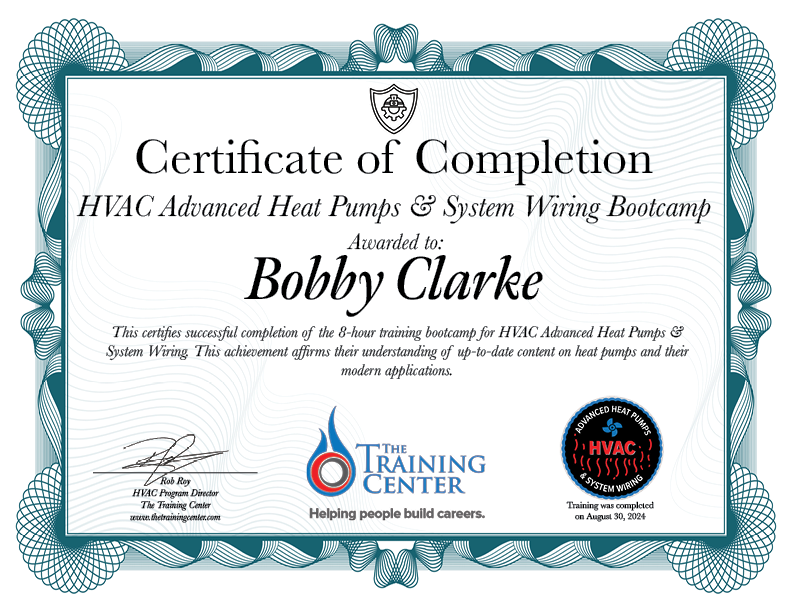
Are you interested in working with heating, ventilation, and air conditioning systems? Or maybe you want to make sure your HVAC skills stand out to employers.
Understanding what an HVAC certification is can be the key to unlocking new job opportunities and boosting your confidence in this field. You’ll discover exactly what an HVAC certification involves, why it matters for your career, and how it can open doors you might not have considered.
Keep reading to find out how this simple credential can make a big difference for you.

Credit: medium.com
Hvac Certification Basics
Understanding HVAC certification is essential for anyone interested in heating, ventilation, and air conditioning work. It shows that a technician has the right skills and knowledge to handle HVAC systems safely and efficiently. Certification also helps professionals stand out in the job market and gain trust from customers.
What Hvac Certification Means
HVAC certification proves a technician’s expertise in installing and maintaining HVAC systems. It confirms they understand safety rules and industry standards. Certification often requires passing exams and completing training courses. This ensures the technician can perform quality work and follow regulations.
Types Of Hvac Certifications
There are several types of HVAC certifications based on skills and specialties. Some common ones include:
- EPA Certification – Required to handle refrigerants safely.
- NATE Certification – Recognized for technical knowledge and skills.
- HVAC Excellence – Focuses on professional development and testing.
- R-410A Certification – For working with specific refrigerants.
Each certification targets different areas of HVAC work and levels of experience.
Importance Of Certification
Certification builds trust with employers and customers. It proves a technician can do the job well and safely. Certified technicians often earn higher pay and better job opportunities. Certification also helps keep up with new technology and industry changes. It shows commitment to the HVAC profession and continuous learning.
Popular Hvac Certifications
Popular HVAC certifications open doors to better job opportunities and higher pay. They show employers that you have the skills and knowledge needed for the job. But which certifications stand out in the industry? Let’s look at some of the most recognized ones.
Epa Certification
The EPA Certification is essential if you plan to work with refrigerants. It is required by law for handling substances that can harm the environment. This certification proves you understand safe practices and regulations for refrigerant use.
Many technicians overlook this, but without it, you can’t legally service air conditioning systems. Have you checked if your current or future employer requires this certification?
Nate Certification
NATE, or North American Technician Excellence, is a well-known certification that focuses on hands-on skills. It tests your ability to perform real-world HVAC tasks accurately. Employers often prefer NATE-certified technicians because they trust their proven expertise.
Think about how confident you would feel knowing your skills passed a tough, practical exam. This certification can make your resume stand out in a crowded job market.
Hvac Excellence
HVAC Excellence offers certifications that cover a wide range of skills, from installation to maintenance. They provide both professional and master-level certifications, allowing you to advance over time. The program emphasizes ongoing education, which helps you keep up with changing technology.
Would you like to show continuous improvement in your career? HVAC Excellence can help you do that by encouraging learning beyond the basics.
Rses Certification
RSES Certification comes from the Refrigeration Service Engineers Society and is highly respected in the HVAC field. It focuses on technical knowledge and problem-solving abilities. Many employers see RSES-certified technicians as reliable and well-trained professionals.
Imagine being the go-to person for difficult HVAC problems because of your RSES training. This certification could position you as an expert in your workplace.
Steps To Get Certified
Getting certified in HVAC (Heating, Ventilation, and Air Conditioning) is a vital step for anyone looking to excel in this industry. It not only boosts your credentials but also enhances your career prospects. Let’s dive into the steps you need to take to earn your HVAC certification.
Eligibility Requirements
Before you can pursue HVAC certification, you must meet certain eligibility requirements. Typically, you need to have a high school diploma or equivalent. Some certifications may require relevant work experience or completion of specific courses.
It’s crucial to check the prerequisites for the certification you’re interested in. This ensures you don’t encounter surprises later on.
Training And Education Options
There are various training and education options available to prepare for HVAC certification. Many community colleges offer diploma programs in HVAC technology. Additionally, there are online courses that provide flexibility for those balancing work and studies.
Consider enrolling in an apprenticeship for hands-on experience. This approach not only enhances your skills but also makes you more attractive to potential employers.
Exam Preparation Tips
Preparing for the HVAC certification exam requires dedication and strategic planning. Start by gathering study materials that cover the exam topics thoroughly. Joining a study group can be beneficial for discussing complex topics.
Utilize practice tests to gauge your understanding and identify areas needing improvement. Consistent studying and practice can boost your confidence and performance on exam day.
Application Process
Once you’re ready, it’s time to tackle the application process. Begin by filling out the necessary application forms for the certification exam. Ensure all information is accurate to avoid delays.
Don’t forget to pay the required fees and submit any supporting documents. Staying organized and keeping track of deadlines will help you manage this process smoothly.
Are you ready to take the next step towards your HVAC career? With the right preparation and mindset, achieving certification is within your reach!

Credit: www.audible.com
Benefits Of Hvac Certification
HVAC certification offers many benefits for technicians and professionals. It validates skills and knowledge in heating, ventilation, and air conditioning. Certification can open doors to better job roles and increased respect in the field.
Certified technicians often gain more trust from employers and clients. This trust can lead to more responsibility and career growth. Earning a certification proves commitment to the trade and staying updated with industry standards.
Career Advancement
Certification helps you move up faster in your career. Employers prefer certified workers for higher positions. It shows you have the skills to handle complex HVAC systems. This can lead to supervisory or specialist roles.
Higher Earning Potential
Certified HVAC technicians usually earn more than uncertified ones. Companies reward certified workers with better pay due to their expertise. Certification can lead to bonuses or salary increases. It proves your value to employers.
Increased Job Opportunities
More job openings require or prefer HVAC certification. It makes your resume stand out among other applicants. Certification can help you get hired in competitive markets. It can also qualify you for specialized HVAC jobs.
Industry Recognition
Certification gives you respect in the HVAC community. It shows you meet industry standards and follow best practices. This recognition can build your professional reputation. It also helps you connect with other certified professionals.
Maintaining And Renewing Certification
Maintaining and renewing your HVAC certification is not just a requirement; it’s a chance to stay sharp and relevant in a fast-changing industry. Certification keeps you accountable and ensures your skills meet current safety and efficiency standards. Let’s look at how you can keep your certification active and your knowledge fresh.
Continuing Education
Continuing education is a key part of maintaining your HVAC certification. You’ll need to complete a set number of training hours or courses before your certification expires. These courses often cover new technologies, updated safety protocols, and changes in regulations.
Have you ever noticed how quickly HVAC technology evolves? Staying updated through education means you won’t get left behind. Many providers offer online classes, making it easier to fit learning into your schedule.
Recertification Process
Renewing your certification usually involves submitting proof of completed continuing education and paying a renewal fee. Some certifications require retaking an exam, especially if you let your certification lapse. It’s important to track your certification’s expiration date to avoid gaps.
Think about how missing a renewal deadline could impact your job opportunities or licensing requirements. Setting reminders or using professional apps can help keep you on track. The process may seem tedious, but it’s designed to protect your professionalism and credibility.
Keeping Skills Updated
Beyond formal education, keeping your hands-on skills sharp is crucial. Working on different HVAC systems, attending workshops, or shadowing experienced technicians can all help. Practical experience complements your certification and builds confidence.
Ask yourself: When was the last time you practiced a new technique or learned about an emerging HVAC tool? Regularly updating your skills can make you more efficient and marketable. Staying curious and proactive benefits both your career and the clients you serve.
Choosing The Right Certification
Choosing the right HVAC certification shapes your career path. It helps you gain the right skills and boosts job opportunities. Picking the best certification depends on your goals, available time, and budget. This guide breaks down these key points to help you decide.
Assessing Career Goals
Start by defining your career goals. Think about the HVAC field you want to enter. Some certifications focus on installation, others on repair or maintenance. Choose one that matches your interests and long-term plans. Consider if you want to work residentially, commercially, or industrially. Your choice should support the type of work you want to do.
Comparing Certification Programs
Review different certification programs carefully. Look for recognized and accredited programs. Check the curriculum to see what skills you will learn. Compare the exam difficulty and renewal requirements. Some certifications require continuing education. Make sure the program fits your learning style and career needs.
Cost And Time Considerations
Think about the cost of each certification. Include exam fees, study materials, and training classes. Balance cost against the benefits the certification offers. Also, consider how long the program takes. Some certifications can be completed quickly, others need months. Choose one that fits your schedule and budget.
Tips For Success In Hvac Career
Success in an HVAC career requires more than just technical skills. Building strong connections, gaining practical experience, and keeping up with industry changes are key. These tips help you grow and stay competitive in this field.
Networking And Mentorship
Connecting with professionals opens doors to opportunities and advice. Find mentors who guide you through challenges and share industry insights. Attend local trade shows, join HVAC groups, and participate in online forums. Relationships build trust and help you learn faster.
Hands-on Experience
Practical work sharpens your skills and builds confidence. Seek internships, apprenticeships, or part-time jobs in HVAC companies. Practice troubleshooting and repairs under supervision. Real-world tasks teach what books cannot. The more you work with equipment, the better you become.
Staying Current With Industry Trends
HVAC technology changes quickly. Stay informed about new tools, regulations, and energy-efficient systems. Read trade magazines, follow industry news, and attend workshops. Continuous learning keeps your skills relevant and opens new career paths. Adaptability is essential in this evolving field.

Credit: www.phcppros.com
Frequently Asked Questions
What Is An Hvac Certification?
HVAC certification is a professional credential proving expertise in heating, ventilation, and air conditioning systems. It ensures technicians meet industry standards for safety and efficiency. Certification improves job prospects and validates skills in installation, maintenance, and repair of HVAC equipment.
Why Is Hvac Certification Important?
HVAC certification guarantees technicians have the necessary knowledge and skills. It boosts credibility with employers and clients. Certified professionals ensure safer, reliable HVAC system performance. Many states and employers require certification for legal compliance and to maintain industry standards.
How Do I Get Hvac Certified?
To get HVAC certified, complete an accredited training program. Gain hands-on experience through apprenticeships or on-the-job training. Pass certification exams from organizations like NATE or HVAC Excellence. Renew certification periodically to stay updated with industry changes.
What Are Common Hvac Certifications Available?
Common HVAC certifications include EPA Section 608, NATE, HVAC Excellence, and RSES certifications. Each focuses on different skills like refrigerant handling, system installation, or maintenance. Choose certifications based on career goals and state licensing requirements.
Conclusion
Earning an HVAC certification shows your skills and knowledge. It helps you find better jobs in heating and cooling. Employers trust certified workers more. The certification proves you understand important safety and technical rules. It also keeps you updated on new technology.
Certification can boost your confidence on the job. Many people choose this path to grow their careers. Getting certified is a smart step for anyone in HVAC work. It opens doors to new opportunities and success.



