
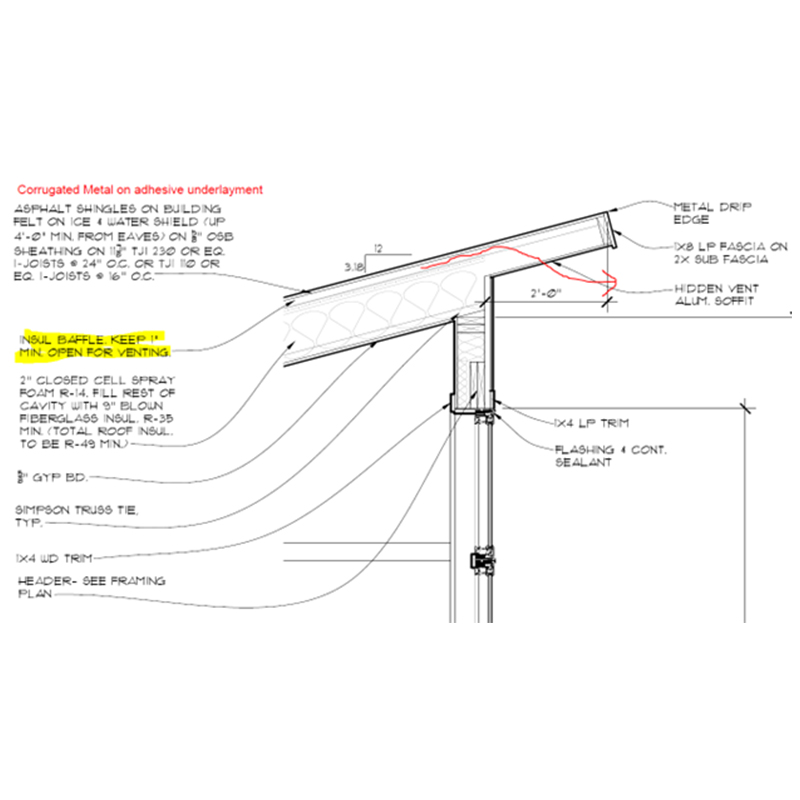
If you have a spray foam house, you might be wondering how to keep the air fresh and healthy inside. Proper ventilation is key to making sure your home stays comfortable and safe.
Without the right airflow, moisture and stale air can build up, causing problems you don’t want to face. You’ll discover simple, effective ways to ventilate your spray foam house. Keep reading to learn how you can improve your indoor air quality and protect your home for years to come.
Why Ventilation Matters
Ventilating a spray foam house is not just a technical detail—it’s a key factor that affects your comfort, health, and the longevity of your home. Spray foam seals your house tightly, which is great for energy savings but can trap moisture and pollutants inside. Understanding why ventilation matters helps you make smarter choices about how to keep your indoor environment fresh and safe.
Health Benefits
Proper ventilation reduces the buildup of harmful indoor pollutants like mold spores, dust, and volatile organic compounds (VOCs). These can trigger allergies, asthma, or other respiratory issues if left unchecked. By ensuring fresh air circulates, you’re protecting your family’s breathing environment and overall well-being.
I once visited a spray foam home where the owners ignored ventilation. They soon noticed headaches and fatigue that disappeared after adding a ventilation system. This shows how critical airflow is to your personal health.
Protecting Building Materials
Spray foam creates a tight seal that prevents drafts but can also trap moisture. Without ventilation, this moisture can accumulate inside walls, causing wood rot, rust, or structural damage over time. Proper airflow helps keep building materials dry and extends the life of your home.
Think about how you store food—without ventilation, moisture builds up and causes spoilage. Your home’s materials need the same care to avoid costly repairs.
Enhancing Indoor Air Quality
Good ventilation replaces stale air with fresh air, reducing odors and improving comfort. It helps balance humidity levels, preventing the air from becoming too dry or too damp. This balance creates a more pleasant environment to live and work in every day.
Ask yourself: Do you notice musty smells or stuffiness in your home? If yes, improving ventilation could be the simple fix you need to breathe easier and feel more comfortable indoors.
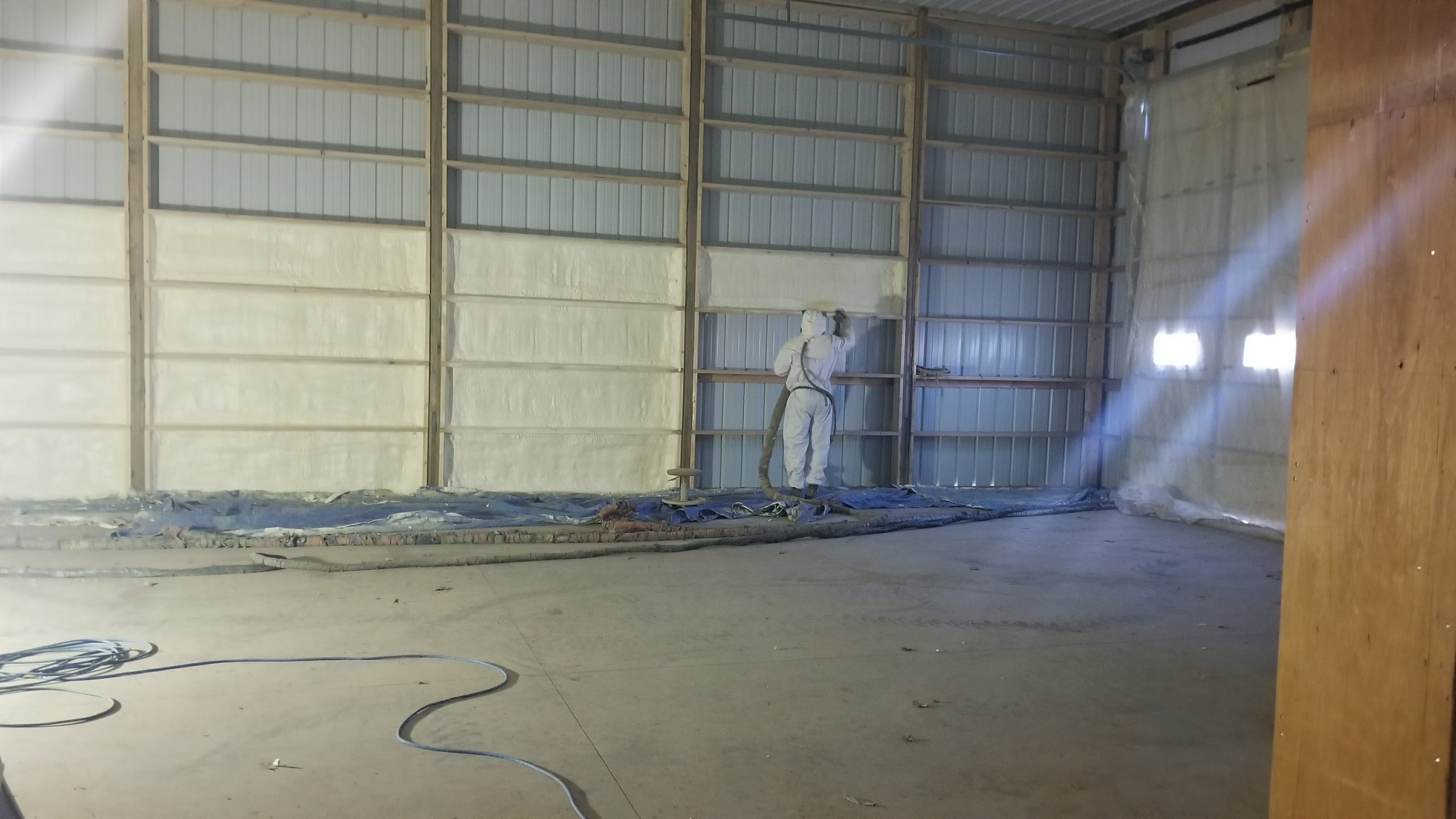
Credit: www.hansenpolebuildings.com
Spray Foam And Airflow Challenges
Spray foam insulation creates a tight seal around your home. This sealing blocks unwanted air leaks and improves energy efficiency. But this same tight seal can cause airflow problems. Proper ventilation is key to maintaining fresh air and controlling moisture.
Understanding the challenges spray foam presents helps in designing good ventilation systems. It also prevents problems like stale air or mold growth. Let’s explore the main issues related to spray foam and airflow.
Air Sealing Properties
Spray foam fills gaps and cracks completely. It stops air from passing through walls and ceilings. This strong air barrier reduces drafts and lowers heating bills.
However, the home becomes very airtight. Natural airflow that normally refreshes indoor air is blocked. Without proper ventilation, air inside can become stale and unhealthy.
Potential Moisture Issues
Moisture can build up inside an airtight home. Normal air leaks often help carry moisture out. Spray foam blocks these leaks, trapping moisture inside.
Trapped moisture can cause mold and rot in walls and ceilings. It also affects indoor air quality. A good ventilation system removes excess moisture. This keeps the home dry and safe.
Common Ventilation Mistakes
- Relying only on natural ventilation in an airtight home.
- Not installing mechanical ventilation systems like HRVs or ERVs.
- Ignoring moisture control when designing ventilation.
- Failing to balance intake and exhaust airflows.
- Using vents that allow air leaks around spray foam.
Proper planning and installation of ventilation prevent these mistakes. This keeps the home comfortable, healthy, and energy-efficient.
Types Of Ventilation Systems
Ventilation is key to keeping a spray foam house fresh and healthy. Spray foam seals tightly, which can trap moisture and pollutants inside. Choosing the right ventilation system helps control air quality and moisture levels. Different systems offer unique benefits and suit various budgets and needs.
Natural Ventilation Options
Natural ventilation uses windows, vents, and openings to move air. It relies on wind and temperature differences. This method is simple and cost-effective. Opening windows allows fresh air to enter and stale air to exit. Roof vents help release warm air trapped at the top. Natural ventilation works best in mild climates with good airflow.
Mechanical Ventilation Choices
Mechanical ventilation uses fans and ducts to move air. It works well in tightly sealed spray foam homes. Exhaust fans remove stale air from bathrooms and kitchens. Supply fans bring fresh air into living spaces. Some systems combine both, called balanced ventilation. Mechanical systems run continuously or on timers for steady airflow.
Heat Recovery Ventilators
Heat Recovery Ventilators (HRVs) transfer heat between incoming and outgoing air. They keep the house warm in winter and cool in summer. HRVs save energy by recycling heat from exhaust air. These systems provide fresh air without losing indoor temperature. HRVs are ideal for cold climates and energy-efficient homes.

Credit: www.reddit.com
Designing Effective Ventilation
Designing effective ventilation for a spray foam house is crucial because this insulation method creates a very tight building envelope. Without proper airflow, moisture and indoor pollutants can build up, leading to poor air quality and potential damage. You need a plan that ensures fresh air circulates while maintaining energy efficiency.
Assessing Home Size And Layout
Start by evaluating your home’s size and layout. Larger homes or those with complex floor plans often need multiple ventilation points to ensure consistent airflow. Small, open floor plans might require fewer vents but still need careful placement to prevent stale air pockets.
Think about where you spend the most time and where moisture tends to accumulate, like kitchens and bathrooms. These areas often demand more targeted ventilation solutions to keep air fresh and dry.
Balancing Air Exchange Rates
Air exchange rate refers to how often the air inside your home is replaced with fresh outdoor air. Too little exchange can trap humidity and pollutants; too much can lead to energy loss and drafts. Finding the right balance is key.
Use ventilation systems that allow you to control airflow, such as heat recovery ventilators (HRVs) or energy recovery ventilators (ERVs). These systems provide fresh air without wasting energy, maintaining comfort and efficiency.
Integrating With Hvac Systems
Your ventilation should work seamlessly with your existing HVAC system to avoid conflicts and ensure consistent temperature control. Adding ventilation components that communicate with your heating and cooling can optimize air quality and energy use.
Consider professional advice to properly size and position ventilation equipment so it complements your HVAC setup. This integration helps maintain a healthy indoor environment without skyrocketing your energy bills.
Installation Tips
Proper ventilation keeps air fresh and reduces moisture in spray foam homes. Install vents and fans to ensure steady airflow throughout the house. Regularly check ventilation systems to maintain healthy indoor air quality.
Installing proper ventilation in a spray foam house is crucial to maintaining healthy air quality and optimal energy efficiency. With the right installation tips, you can ensure that your home remains comfortable and safe. Let’s explore some practical strategies to help you achieve effective ventilation.Positioning Vents Strategically
Correct vent placement is key to effective airflow. Consider areas where moisture and odors are likely to accumulate, such as kitchens and bathrooms. Placing vents in these spots can significantly improve air circulation. Think about the direction of prevailing winds. Positioning vents to take advantage of natural airflow can enhance ventilation efficiency. Remember, strategic placement can make a big difference in how well your system performs.Sealing And Insulating Vent Components
Sealing your vent components is essential to prevent air leaks. Use high-quality sealants to ensure tight connections that won’t degrade over time. This will help maintain the integrity of your ventilation system. Insulating the ducts can prevent heat loss and keep your system running efficiently. Even a small gap can lead to significant energy loss. Are your vent components well-sealed and insulated?Ensuring Proper Maintenance Access
It’s important to plan for easy maintenance access when installing vents. Ensure that you can reach all parts of the system for regular cleaning and repairs. This foresight can save time and money in the long run. Consider using removable panels or creating designated access points. This way, you won’t have to dismantle large sections of your home for simple maintenance tasks. Have you considered how accessible your vent system is for future maintenance? By focusing on strategic vent positioning, ensuring proper sealing and insulation, and planning for maintenance access, you can optimize your spray foam house ventilation system. These tips not only improve air quality but also enhance your home’s energy efficiency.Monitoring Indoor Air Quality
Monitoring indoor air quality is vital in a spray foam house. Spray foam creates a tight seal, which helps with energy efficiency but can trap pollutants inside. Regular checks ensure the air stays fresh and safe to breathe. Good ventilation depends on knowing what’s in the air. Tracking air quality helps catch problems early.
Using Air Quality Sensors
Air quality sensors measure gases and particles in your home. They detect carbon dioxide, humidity, and volatile organic compounds (VOCs). These sensors provide real-time data on air freshness. Some models connect to smartphones for easy monitoring. Installing sensors in living areas and bedrooms gives a clear picture of indoor air health.
Signs Of Poor Ventilation
Look for musty smells or stale air inside. Condensation on windows or walls can signal moisture buildup. Frequent headaches, dizziness, or allergies may relate to poor air flow. Dust and mold growth indicate trapped pollutants. Noticing these signs means it’s time to improve ventilation.
Scheduling Regular Inspections
Plan inspections with a professional HVAC technician. They check ventilation systems and air quality devices. Routine inspections help maintain proper airflow and remove blockages. Schedule these checks at least once a year. Keep records to track changes and spot trends over time.

Credit: www.tntfoam.com
Frequently Asked Questions
How Do You Ventilate A Spray Foam House Effectively?
Effective ventilation in a spray foam house requires controlled airflow. Use mechanical ventilation systems like HRVs or ERVs. These systems exchange stale indoor air with fresh outdoor air efficiently. Properly balanced ventilation maintains air quality and prevents moisture buildup, ensuring a healthy indoor environment.
Why Is Ventilation Important In Spray Foam Homes?
Ventilation in spray foam homes prevents indoor air pollution and moisture buildup. Spray foam seals tightly, reducing natural airflow. Proper ventilation ensures fresh air circulation, controls humidity, and maintains comfort. It also protects the building structure from mold and damage caused by trapped moisture.
What Ventilation Systems Work Best With Spray Foam Insulation?
Heat Recovery Ventilators (HRVs) and Energy Recovery Ventilators (ERVs) work best. They exchange indoor air with outdoor air while conserving energy. These systems maintain air quality without losing heating or cooling efficiency, making them ideal for tightly sealed spray foam insulated homes.
Can Spray Foam Insulation Reduce The Need For Ventilation?
Spray foam insulation reduces air leaks but does not eliminate the need for ventilation. Homes still require mechanical ventilation to manage indoor air quality. Without proper ventilation, pollutants and moisture can accumulate, impacting health and structural integrity despite effective insulation.
Conclusion
Proper ventilation keeps your spray foam house fresh and safe. Good airflow prevents moisture and mold buildup inside walls. Use vents, fans, or air exchangers to maintain balance. Regular checks ensure your system works well over time. Stay aware of indoor air quality for healthy living.
Keep your home comfortable by controlling humidity and odors. Ventilation is key to protecting your investment and family. Small steps make a big difference in home air health.



