

When ventilating a patient, you hold a critical responsibility in your hands. Every breath you help deliver can mean the difference between life and death.
But it’s not just about pushing air; it’s about doing it the right way—quickly, safely, and effectively. You’ll discover the essential steps and common mistakes to avoid, so you can be confident and prepared when it matters most. Keep reading to learn exactly what you must do to make every breath count.

Credit: www.youtube.com
Assessing The Patient’s Airway
Assessing a patient’s airway is the first and most crucial step when ventilating. Without a clear and open airway, even the best ventilation technique won’t be effective. You need to quickly determine if the airway is blocked and take immediate action to secure it.
Checking For Obstructions
Look inside the patient’s mouth and throat carefully. Foreign objects like food, blood, or vomit can block airflow. Use a flashlight or your fingers (if trained) to remove visible obstructions safely.
Remember, even small blockages can stop oxygen from reaching the lungs. Ask yourself: is there anything physically stopping air from passing through?
Positioning The Head And Neck
Proper positioning can make a big difference. Tilt the head back and lift the chin to open the airway, especially if the patient is unconscious. This simple maneuver moves the tongue away from the back of the throat.
If you suspect a spinal injury, use the jaw-thrust technique instead. This protects the spine while still opening the airway. Knowing when to choose each method can save lives.
Using Airway Adjuncts
Sometimes positioning isn’t enough, and you’ll need to use airway adjuncts like oropharyngeal or nasopharyngeal airways. These tools help keep the airway open by preventing the tongue or soft tissues from collapsing.
Be sure to select the correct size and insert them gently to avoid causing trauma. Have you practiced these skills enough to feel confident during an emergency? Your readiness matters when seconds count.
Choosing The Right Ventilation Method
Choosing the right ventilation method is key for an EMT during patient care. The choice depends on the patient’s condition, EMT skills, and available tools. Proper ventilation helps maintain oxygen flow and prevents further harm.
Each method has strengths and limits. Understanding these ensures effective breathing support and patient safety. EMTs must be ready to switch methods as needed.
Bag-valve-mask Ventilation
This method uses a bag attached to a mask to push air into the lungs. It provides good control over breath volume and rate. EMTs should ensure a tight mask seal to prevent air leaks.
Bag-valve-mask ventilation works well for patients who do not breathe adequately. It requires training to avoid excessive pressure, which can harm the lungs.
Mouth-to-mouth Technique
This simple method involves blowing air directly into the patient’s mouth. It requires no equipment and is useful in emergencies. EMTs must ensure the airway is open before starting.
Mouth-to-mouth can deliver enough air for a short time. It carries some risk of disease transmission, so gloves and barrier devices are recommended.
Advanced Airway Devices
Devices like endotracheal tubes or supraglottic airways secure the airway inside the throat. They allow for more controlled and reliable ventilation. EMTs need special training to use these tools.
Advanced devices are preferred for severe cases or long transport times. They reduce the risk of airway blockage and improve oxygen delivery.
Ensuring Proper Ventilation Technique
Ensuring proper ventilation technique is critical for an EMT during patient care. The goal is to deliver the right amount of air safely and effectively. Poor technique can cause harm or reduce oxygen delivery. EMTs must focus on key aspects to provide the best ventilation support.
Maintaining A Good Seal
A secure mask seal prevents air leaks and ensures effective ventilation. The EMT should position the mask carefully over the patient’s nose and mouth. Use both hands to hold the mask firmly in place. Avoid gaps between the mask and skin. Air leaks reduce oxygen delivery and waste effort.
Controlling Ventilation Rate And Volume
Ventilation rate must match the patient’s needs. Too fast or too slow can cause complications. Deliver breaths slowly and steadily. The volume of air should be enough to raise the chest but not too much. Overventilation can cause lung injury or stomach inflation. Follow protocol guidelines for rate and volume.
Monitoring Chest Rise
Chest rise is a clear sign of effective ventilation. Watch the chest carefully with each breath. The chest should rise smoothly and visibly. If the chest does not rise, reposition the mask or airway. Lack of chest rise means the patient is not getting air. Adjust technique until chest rise is adequate.

Credit: www.jems.com
Monitoring Patient’s Response
Monitoring a patient’s response during ventilation is critical for effective care. EMTs must watch for changes that show how the patient reacts to assisted breathing. This helps to avoid complications and ensures the patient receives the right support.
Careful observation of the patient’s condition guides timely adjustments. EMTs must focus on key signs such as skin color, breathing effort, pulse, and oxygen levels. These indicators reveal the patient’s oxygen status and overall stability.
Observing Skin Color And Breathing Effort
Watch the patient’s skin for signs of good oxygenation. Look for natural skin tones. Pale, blue, or gray colors signal poor oxygen flow. Check how hard the patient breathes. Use of neck muscles or chest retractions means distress. Gentle, regular breaths show effective ventilation.
Checking Pulse And Oxygen Levels
Feel the patient’s pulse to assess circulation. A strong, regular pulse indicates good blood flow. Use a pulse oximeter to measure oxygen saturation. Levels above 94% are ideal. Lower numbers require immediate attention. Continuous monitoring helps track any changes fast.
Adjusting Ventilation As Needed
Change ventilation settings based on patient signs. Increase breaths per minute if oxygen is low. Decrease rate if the patient breathes too fast. Adjust pressure to avoid lung injury. Always aim for steady chest rise with each breath. Keep checking patient response after every adjustment.
Avoiding Common Ventilation Errors
An EMT must ensure proper mask seal and correct ventilation rate to avoid common errors. Monitoring chest rise helps confirm effective breaths. Always prevent excessive force to reduce lung injury risks.
Ventilating a patient is a critical responsibility for an EMT. It’s not just about maintaining airflow; it requires precision and attention to detail. Mistakes in ventilation can have serious consequences, so understanding how to avoid common errors is crucial.Preventing Hyperventilation
Hyperventilation can occur when breaths are delivered too rapidly or forcefully. This can lead to decreased carbon dioxide levels, which can cause dizziness or unconsciousness in patients. Always monitor the patient’s respiratory rate and adjust accordingly to ensure steady, controlled breaths.Recognizing Airway Complications
Airway complications are a frequent challenge. Blockages, swelling, or misaligned equipment can hinder ventilation. Be vigilant for signs such as increased resistance or audible wheezing. Regularly assess the patient’s airway to ensure it’s clear and properly aligned.Managing Equipment Failures
Equipment failures can happen unexpectedly. Whether it’s a malfunctioning bag-valve mask or a dislodged tube, being prepared is key. Keep backup equipment readily available and ensure regular maintenance checks are performed. Have you ever faced an equipment failure during a critical moment? Being prepared can make all the difference. By focusing on these areas, you can enhance your skills and provide better care for your patients. Remember, every breath counts.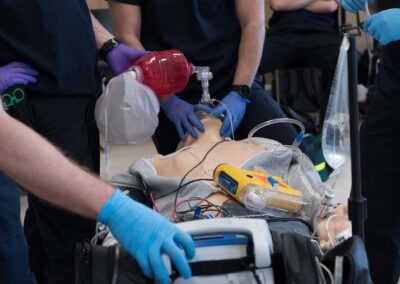
Credit: emsairway.com
Coordinating With Emergency Team
Coordinating with the emergency team is crucial when ventilating a patient. Clear teamwork can make the difference between life and death. Every member must know the patient’s status and the plan moving forward to provide seamless care.
Communicating Patient Status
Keep your updates clear and concise. Share vital signs, changes in breathing, and any challenges you face while ventilating.
Use simple language everyone understands. Avoid medical jargon that might confuse team members under pressure.
Ask yourself: Are you ensuring everyone knows exactly what’s happening? This can help the team anticipate needs and act quickly.
Preparing For Advanced Care
Alert the team early about the patient’s condition and your ventilation efforts. This lets paramedics or hospital staff prepare necessary equipment or interventions.
Coordinate tasks like IV access, medication administration, or airway management without delay. Your proactive approach can speed up critical care.
Think about your role as a link between initial care and advanced treatment. How can you make that handoff smoother?
Documenting Ventilation Details
Write down key information like ventilation rate, tidal volume, and patient response. Accurate records help others understand what’s been done.
Note any difficulties or changes in technique. This information can guide the next phase of care and improve patient outcomes.
Consider how your documentation might impact future treatment decisions. Are you capturing everything needed to support your team?
Frequently Asked Questions
What Is The Primary Goal When Ventilating A Patient?
The primary goal is to ensure adequate oxygen delivery and carbon dioxide removal. EMTs must maintain proper ventilation to prevent hypoxia and respiratory failure.
How Often Should An Emt Ventilate A Patient?
Ventilation frequency depends on the patient’s age and condition. Generally, 10-12 breaths per minute for adults and 20 breaths per minute for infants are recommended.
Why Is Monitoring Chest Rise Important During Ventilation?
Chest rise confirms effective breaths are delivered. It ensures air is entering the lungs properly and helps avoid over-ventilation or inadequate ventilation.
When Should An Emt Use A Bag-valve Mask?
A bag-valve mask is used when patients cannot breathe adequately on their own. It provides positive pressure ventilation to support or replace spontaneous breathing.
Conclusion
Ventilating a patient requires focus and care from an EMT. Always watch the patient’s chest rise and fall with each breath. Use the right equipment and follow proper steps every time. Keep checking for signs of improvement or distress. Quick action and clear thinking save lives.
Practice these skills often to stay ready. Remember, your role is crucial in emergencies. Stay calm, act fast, and help your patient breathe easier.



