
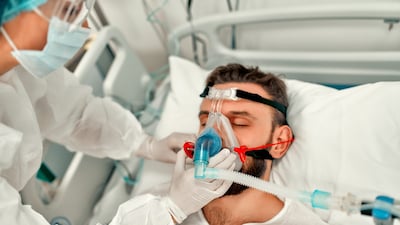
Have you ever wondered what a ventilator really does? When someone says a ventilator is life support, what does that mean for you or your loved ones?
Understanding this can make a big difference when facing serious health decisions. This article will clear up the confusion and help you see how ventilators work, why they are used, and what it means for life and recovery. Keep reading to get the facts that could empower you in moments that matter most.
What Is A Ventilator
A ventilator is a machine that helps people breathe when they cannot do it well on their own. It supports life by moving air in and out of the lungs. This device is vital in hospitals, especially for patients with severe breathing problems.
Ventilators assist the lungs in getting oxygen into the blood and removing carbon dioxide. They are used during surgery, in intensive care units, and for chronic lung conditions. Understanding how ventilators work and the types available helps in grasping their importance in medical care.
How Ventilators Work
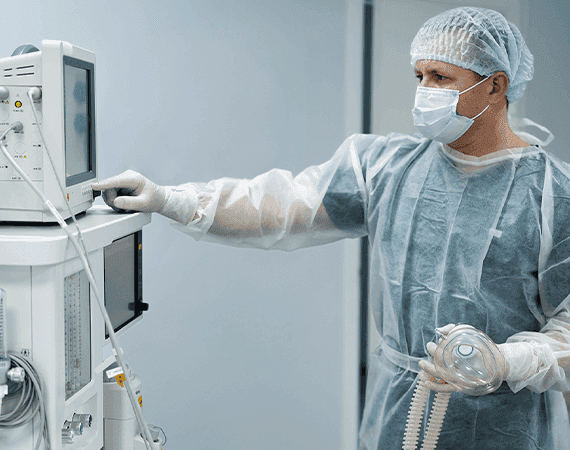
Ventilators push air into the lungs through a tube placed in the airway. The machine controls the amount of air, oxygen level, and breathing rate. Sensors monitor the patient’s breathing to adjust support as needed.
The machine can take over full breathing or assist only when needed. It ensures the lungs stay open and properly inflated. This support can be life-saving for patients with weak or damaged lungs.
Types Of Ventilators
- Invasive Ventilators:Use a tube inserted into the windpipe. They provide full or partial breathing support.
- Non-invasive Ventilators:Use masks placed over the nose or mouth. They assist breathing without tubes inside the airway.
- Portable Ventilators:Lightweight and used outside hospitals. Suitable for home care or emergency transport.
- High-Frequency Ventilators:Deliver very fast and small breaths. Used for specific lung conditions needing gentle support.
Credit: www.apexhospitals.com
When Is A Ventilator Needed
A ventilator is a machine that helps people breathe when they cannot do so on their own. It supports or replaces natural breathing. Knowing when a ventilator is needed is important for timely medical care. This section explains the medical conditions and signs that show ventilator use may be necessary.
Medical Conditions Requiring Ventilation
- Severe pneumonia causing lung failure
- Chronic obstructive pulmonary disease (COPD) flare-ups
- Acute respiratory distress syndrome (ARDS)
- Traumatic injuries affecting breathing
- Neuromuscular diseases weakening breathing muscles
- Severe asthma attacks unresponsive to treatment
- Drug overdose leading to respiratory depression
- Coma or unconsciousness with loss of airway protection
Signs Indicating Ventilator Use
- Difficulty breathing or shortness of breath
- Low oxygen levels in the blood
- Rapid or shallow breathing
- Excessive tiredness or inability to speak full sentences
- Confusion or reduced alertness
- Chest pain or tightness
- Blue lips or fingertips from lack of oxygen
- Failure to improve with oxygen therapy
Life Support Role Of Ventilators
Ventilators play a crucial role in life support by helping patients who cannot breathe adequately on their own. They take over the work of moving air in and out of the lungs, ensuring oxygen reaches the bloodstream and carbon dioxide is removed. Understanding how ventilators support breathing helps you appreciate their significance beyond just medical equipment.
Supporting Breathing Function
A ventilator supports your breathing by delivering air directly into your lungs through a tube. It can control the amount of oxygen and the pressure of air, making it easier for your lungs to expand and contract.
Imagine struggling to breathe during severe illness or injury—ventilators step in to do the heavy lifting for your respiratory muscles. They adjust to your needs, either fully controlling your breathing or assisting when you try to breathe on your own.
Temporary Vs Long-term Use
Ventilators are often used temporarily during surgery or acute illness, giving your lungs a chance to recover. In critical cases, they can be life-saving for days or weeks.
Some patients require long-term ventilator support due to chronic conditions like neuromuscular diseases. This raises important questions: How do you balance quality of life with mechanical breathing? What support systems are necessary for long-term users?
Risks And Complications
Ventilators play a crucial role in life support, but they come with risks. Understanding these risks helps ensure safer use in critical care settings. Patients on ventilators may face several complications that require careful monitoring and management.
Possible Side Effects
Ventilator use can lead to various side effects. Some patients experience lung damage due to high air pressure. Prolonged use might cause infections like pneumonia. Vocal cord damage is another possible risk. Muscle weakness can occur, especially in long-term ventilation. Patients sometimes experience sinus and ear problems. These side effects need close attention from healthcare providers.
Preventing Ventilator-associated Issues
Preventing complications involves several strategies. Regular assessment of the patient’s condition is crucial. Healthcare teams must ensure proper ventilator settings. This minimizes lung injury risks. Hygiene practices help reduce infection chances. Regular cleaning of equipment is essential. Patient positioning can aid in preventing pressure ulcers. Trained staff and family education also play a role in preventing issues.
Weaning Off A Ventilator
Weaning off a ventilator is a critical phase in the recovery of patients who have relied on mechanical breathing support. It involves gradually reducing the help provided by the ventilator until the patient can breathe independently. This process requires careful monitoring and adjustments to ensure the patient’s safety and comfort.
Process Of Discontinuation
The process starts with assessing the patient’s readiness to breathe without assistance. Medical staff evaluate factors like oxygen levels, respiratory rate, and muscle strength. Once deemed ready, the ventilator settings are slowly adjusted to give the lungs more work.
Patients may undergo spontaneous breathing trials, where they breathe on their own for short periods while still connected to the ventilator. If tolerated well, these trials become longer until full independence is achieved. Continuous observation during this time helps catch any signs of distress early.
Factors Affecting Success
Several factors influence how smoothly you can wean off a ventilator. Your overall health, lung condition, and muscle strength play big roles. Anxiety and stress can also affect your ability to breathe independently, so emotional support matters as much as physical care.
Medications, nutrition, and the presence of infections can impact the process too. For example, a patient recovering from pneumonia might take longer to wean due to lung inflammation. Understanding these factors helps tailor the approach to your unique situation.
Advancements In Ventilator Technology
Ventilator technology has seen remarkable improvements over the years, transforming how life support is provided to patients. These advancements not only enhance the machine’s functionality but also improve the overall experience for patients and healthcare providers. Have you ever wondered how these modern ventilators adapt to individual needs and reduce complications?
Modern Features
Today’s ventilators come equipped with advanced sensors that continuously monitor a patient’s breathing patterns. This helps the machine adjust airflow and pressure in real-time, providing more personalized support.
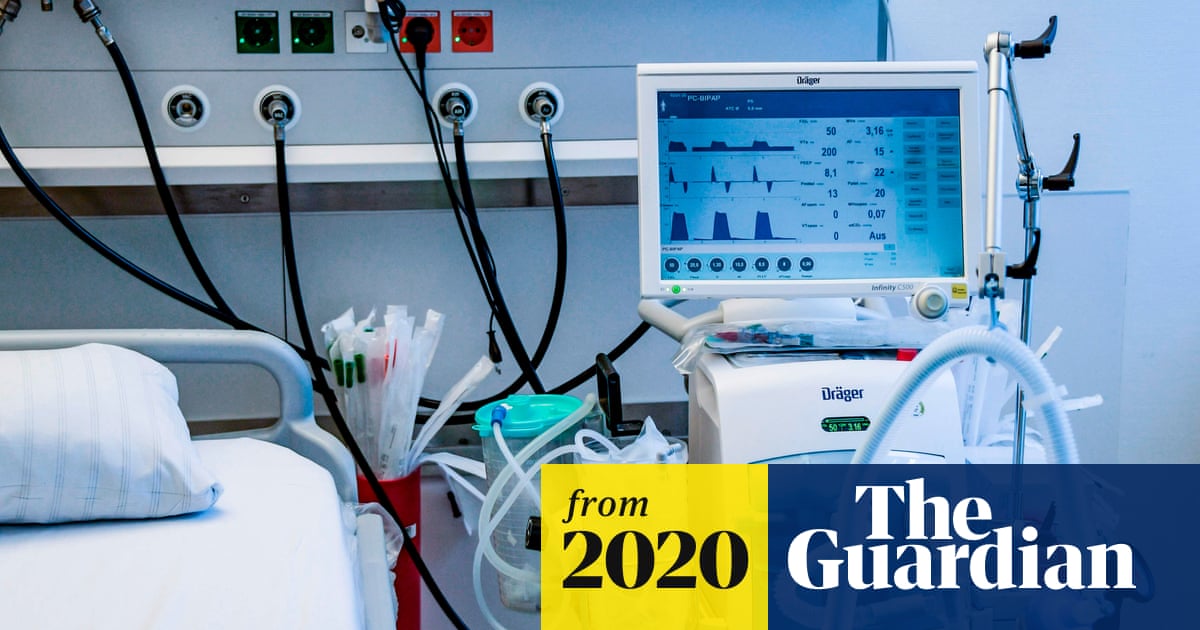
Many models now include touchscreen interfaces, making it easier for medical staff to set and modify ventilation settings quickly. Some ventilators also offer remote monitoring, allowing specialists to check on patients without being physically present.
- Automated alarm systems that alert staff to changes in patient status
- Modes that support spontaneous breathing to keep respiratory muscles active
- Compact and portable designs for use outside intensive care units
Impact On Patient Outcomes
Improved ventilator technology directly affects recovery times and reduces the risk of complications like lung injury. When the machine adjusts precisely to your needs, it lowers stress on your lungs and prevents over-ventilation.
Patients benefit from fewer sedation requirements because modern ventilators support natural breathing patterns better. This can lead to quicker weaning off the machine and shorter hospital stays.
How would your care change if your breathing support was tailored with such precision every step of the way?
Emotional And Ethical Considerations
Facing the reality of ventilator life support stirs deep emotions and complex ethical questions. It’s not just about medical facts; it’s about the human experience—hope, fear, and difficult choices. Understanding these emotional and ethical layers helps you navigate this challenging terrain with more clarity and compassion.
Patient And Family Perspectives
For many patients, a ventilator can feel like a lifeline or a barrier to independence. Some express gratitude for the chance to survive, while others struggle with loss of control over their own bodies.
Families often experience a rollercoaster of emotions—relief that their loved one is receiving help, mixed with anxiety about what the future holds. You might hear family members say things like, “Is this really helping or just prolonging suffering?”
Open communication becomes crucial. Encouraging honest conversations about fears, hopes, and expectations can ease emotional burdens and help everyone feel heard.
Decision-making Challenges
Deciding whether to start or continue ventilator support is rarely straightforward. You may face questions about quality of life, potential outcomes, and the patient’s wishes.
Healthcare providers, patients, and families must weigh benefits against risks, often under intense pressure. Ethical dilemmas arise when the patient’s desires are unclear or when opinions within the family differ.
It helps to ask yourself: What matters most to you or your loved one? Are you prepared for the possible scenarios ventilator support might lead to? These reflections can guide more thoughtful, personalized decisions.
Credit: www.theguardian.com

Credit: www.newindianexpress.com
Frequently Asked Questions
What Is A Ventilator In Life Support?
A ventilator is a machine that helps patients breathe when they cannot do so naturally. It supports lung function by delivering oxygen and removing carbon dioxide. Ventilators are crucial in critical care, especially during respiratory failure or surgery.
How Does A Ventilator Support Breathing?
A ventilator pushes air into the lungs through a tube. It controls oxygen levels and airflow to ensure proper breathing. This support allows the lungs to rest and heal while maintaining essential oxygen supply to the body.
When Is A Ventilator Used In Life Support?
Ventilators are used during respiratory failure, severe illness, surgery, or trauma. They assist patients who cannot breathe effectively on their own. This life support helps stabilize breathing and improves chances of recovery.
Can A Ventilator Cure Lung Diseases?
A ventilator does not cure lung diseases; it only supports breathing. It provides temporary assistance while the underlying condition is treated. Recovery depends on the illness, patient health, and treatment effectiveness.
Conclusion
A ventilator provides crucial help to people who cannot breathe well. It supports life by delivering oxygen and removing carbon dioxide. While it does not cure illness, it buys time for recovery. Families and patients should understand its role clearly.
Doctors use ventilators carefully to give the best care. Knowing what a ventilator does can ease fears and confusion. It remains an important tool in many medical emergencies.



