
Are you tired of feeling stuffy air and uneven temperatures in your room? You don’t need expensive gadgets or air conditioners to fix it.
With a few simple tricks using fans, you can transform your space into a fresh, comfortable haven. Imagine walking into a room where the air flows smoothly, keeping you cool and energized all day long. In this guide, you’ll discover easy steps to circulate air effectively using the fans you already have.
Keep reading to unlock the secret to better airflow and enjoy a room that feels just right every time you step in.

Credit: www.quickbloomlights.com.au
Choosing The Right Fan
Choosing the right fan makes a big difference in how well air moves in your room. Fans come in different styles, sizes, and power levels. Picking the best one helps you stay cool and save energy. This guide explains what to think about before buying a fan.
Types Of Fans For Rooms
Fans have different shapes and uses. Some common types include:
- Ceiling Fans:Great for large rooms. They spread air evenly.
- Pedestal Fans:Adjustable height and direction. Good for medium spaces.
- Table Fans:Small and portable. Ideal for desks or nightstands.
- Wall-Mounted Fans:Save floor space. Good for tight rooms.
- Tower Fans:Slim design. Quiet and space-saving.
Fan Size And Power
The size of the fan should match your room size. Big rooms need bigger fans with stronger airflow. Small fans work well in tight spaces.
Look at the fan’s airflow, measured in cubic feet per minute (CFM). Higher CFM means more air circulation. Choose a fan with enough power to move air across your room.
Energy Efficiency Considerations
Energy-saving fans reduce electricity costs. Look for fans with Energy Star ratings. These fans use less power but still cool well.
Fans with multiple speed settings help control energy use. Use lower speeds to save energy on mild days.
Consider fans with DC motors. They use less energy and run quietly.
Optimal Fan Placement
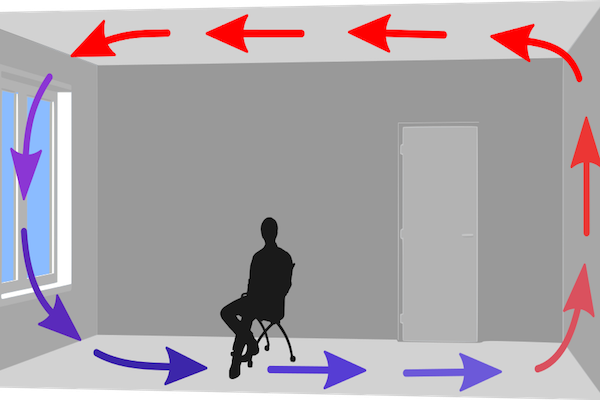
Optimal fan placement can dramatically improve how air moves through your room. The right spot allows the fan to push or pull air effectively, making your space feel fresher and cooler without wasting energy. You might be surprised how just shifting your fan a few feet can change the whole room’s airflow.
Positioning For Maximum Airflow
Place your fan where it can move the most air without interruption. Usually, this means setting it up in a central location or near an open doorway. You want the airflow to sweep across the room, not just circulate in one spot.
Think about the size and shape of your room. In long rooms, place fans at opposite ends to push air back and forth. In square rooms, a fan near the center can create a circular airflow pattern that cools evenly.
Using Fans Near Windows
Windows are natural gateways for fresh air. Positioning a fan near a window can either pull cool air inside or push hot air out. It depends on the time of day and the outdoor temperature.
If the outdoor air is cooler, face the fan inward to draw the breeze inside. When it’s hotter outside, point the fan outward to blow warm air out, creating a suction effect that pulls cooler air through other openings.
Avoiding Obstructions
Airflow can be easily blocked by furniture, curtains, or clutter. Make sure your fan has a clear path to move air freely across the room. Even small obstructions can reduce the fan’s effectiveness significantly.
Try to keep the space around your fan tidy. If you notice weak airflow, check if anything is in the way. Sometimes, just moving a chair or folding back a curtain can make a big difference.
Enhancing Air Circulation
Placing fans near windows helps push fresh air inside and pull stale air out. Angling fans toward the ceiling spreads air evenly across the room. Combining ceiling and floor fans boosts airflow and keeps the space cooler.
Enhancing air circulation in a room can transform a stuffy space into a refreshing haven. Whether you’re battling summer heat or trying to keep the air fresh during winter, using fans strategically can make a significant difference. Let’s explore some practical ways to optimize air movement in your space.Combining Fans For Cross Ventilation
Positioning fans to create cross ventilation is a simple yet effective technique. Place one fan facing out of a window to push hot air out while placing another on the opposite side of the room to draw cool air in. This setup can create a continuous flow of fresh air, making your room feel cooler and more comfortable. It’s a technique I often use in my home office, especially on those sweltering summer afternoons.Using Ceiling Fans Effectively
Ceiling fans are more than decorative pieces; they’re vital for efficient air circulation. Ensure your fan rotates counterclockwise during warmer months to push cool air down. In winter, switch the direction to clockwise at a low speed to gently pull cool air up and push warm air down. This simple adjustment can enhance comfort and even help reduce heating and cooling costs.Incorporating Exhaust Fans
Exhaust fans are essential for removing stale air and maintaining a fresh environment. They work wonders in kitchens and bathrooms by expelling moisture, odors, and heat. Consider installing an exhaust fan in rooms prone to humidity or odors. Not only do they improve air quality, but they also help prevent mold and mildew, safeguarding your health and home. Do you have any unique fan setups that work wonders in your home? Share your experiences and tips in the comments below!
Credit: www.dreo.com
Cooling Tips For Different Room Types
Different rooms call for different cooling strategies. The size and layout of your space affect how air circulates with fans. Understanding these variations helps you use fans more effectively to keep your room comfortable.
Small Rooms
In small rooms, a single fan can often do the job. Position a fan near a window to pull fresh air inside. This creates a breeze that quickly cools the entire space.
You can also use a fan with oscillation to spread air evenly. Make sure not to block airflow with furniture or curtains. Have you noticed how just a bit of airflow can make a small room feel much cooler?
Large Rooms
Large rooms need more than one fan to circulate air well. Place fans at opposite ends to create a flow that moves air throughout the room. This helps avoid hot spots where air might otherwise stagnate.
Ceiling fans combined with floor or table fans can improve air movement. Adjust fan speeds to find the right balance between noise and airflow. What’s your experience with balancing fan placement in a big room?
Rooms With Limited Ventilation
Rooms with poor ventilation require a bit more creativity. Use a fan to push stale air out through a vent or doorway while pulling fresh air in from another opening. This setup mimics natural ventilation and keeps air from becoming stuffy.
If windows don’t open, consider a small exhaust fan to remove hot air. You might also add a fan with an air purifier to improve air quality while cooling. Have you tried combining fans this way to refresh a room without open windows?
Maintaining Fans For Better Performance
Maintaining your fans is key for smooth air circulation and long-lasting use. Fans gather dust and dirt quickly. This buildup can slow them down and reduce airflow. Regular care keeps fans running quietly and efficiently. Simple steps improve their performance and extend their life.
Cleaning Fan Blades
Dust on fan blades blocks airflow and strains the motor. Turn off the fan and unplug it first. Use a soft cloth or a brush to wipe dust from each blade. For stubborn dirt, dampen the cloth slightly with water. Avoid harsh chemicals that can damage the blades. Clean blades help the fan move air better and use less energy.
Lubricating Moving Parts
Fans have moving parts that need smooth motion. Over time, these parts can dry out and make noise. Apply a few drops of light machine oil to the motor shaft and bearings. Do not use too much oil; a little goes a long way. Lubrication reduces friction and keeps the fan running quietly. Check your fan’s manual for specific oil recommendations.
Regular Inspection
Check your fan regularly for loose screws or worn parts. Tighten any loose screws on the blades or motor housing. Look for cracks or damage on the blades that affect balance. Listen for unusual sounds that may show motor problems. Early detection helps avoid bigger repairs or replacements. A well-inspected fan performs better and lasts longer.

Credit: www.dreo.com
Frequently Asked Questions
How Can I Improve Air Circulation With Ceiling Fans?
To improve air circulation, set ceiling fans to rotate counterclockwise in summer. This pushes cool air down. Use fans in rooms with open doors or windows for better airflow.
Where Should I Place Fans For Better Room Airflow?
Place fans near windows or doorways to draw fresh air inside. Position fans across from each other to create a cross breeze. Avoid blocking fan airflow with furniture.
Can Multiple Fans Help Circulate Air In Large Rooms?
Yes, using multiple fans in large rooms improves airflow. Place fans strategically to cover different areas. This prevents stagnant air and maintains a consistent temperature.
Should I Use An Exhaust Fan To Circulate Room Air?
Exhaust fans help remove hot or stale air, enhancing circulation. Use them in kitchens or bathrooms to expel moisture and odors. Pair with intake fans for balanced airflow.
Conclusion
Fans help move air and keep rooms fresh and cool. Place fans carefully to guide airflow well. Use a mix of fan types for better circulation. Open windows a bit to let fresh air in. Regularly clean fans to keep them working strong.
These simple steps make your room more comfortable. Enjoy a breeze without extra cost or effort. Good air circulation improves your health and mood. Try these tips and feel the difference today.



