
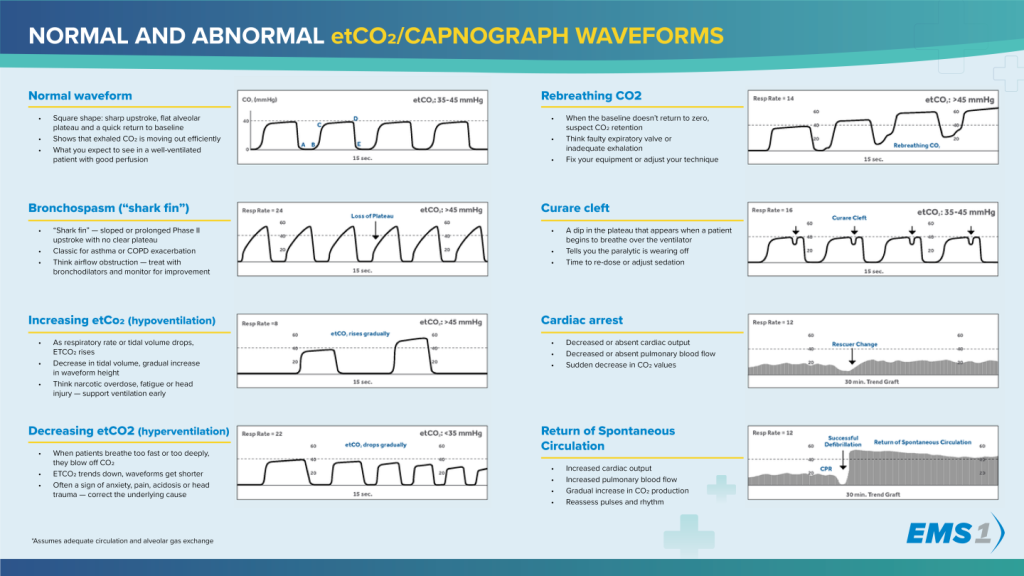
Have you ever wondered what it means when someone starts breathing over a ventilator? If you’re caring for a loved one or just curious about how ventilators work, this can feel confusing and even overwhelming.
Understanding whether breathing on your own while still on a ventilator is a good sign can bring hope or help you prepare for what’s next. You’ll discover what “breathing over the ventilator” really means, why it matters, and what it could mean for recovery.
Keep reading to get clear answers that can ease your mind and guide your next steps.
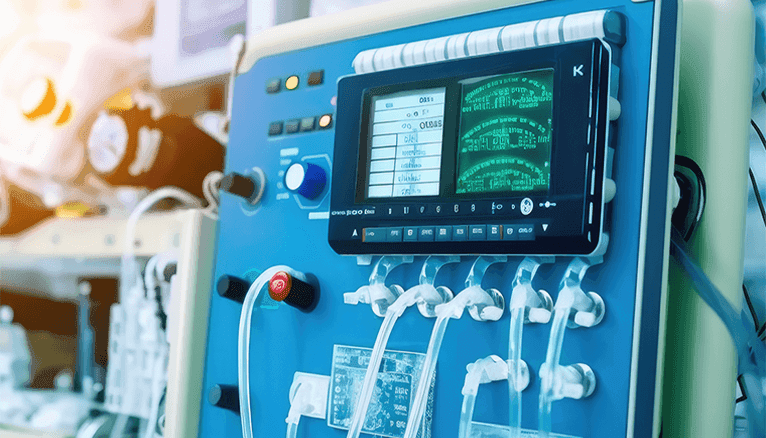
Credit: www.apexhospitals.com
Breathing Over The Ventilator
Breathing over the ventilator is a key moment in the care of patients who rely on mechanical assistance to breathe. It happens when the patient begins to initiate breaths on their own, rather than relying entirely on the machine. This shift can signal progress or raise questions about readiness to wean off the ventilator.
What It Means
When you start breathing over the ventilator, it means your lungs and respiratory muscles are trying to take on some of the work. It shows that your body is responding and that you might be ready to reduce ventilator support.
However, it’s not always a straightforward sign of improvement. Sometimes, breathing over the ventilator can indicate stress or fatigue if your body struggles to keep up. That’s why healthcare providers watch closely to decide if you’re truly ready to breathe independently.
Types Of Ventilator Breathing
There are different ways you can breathe over a ventilator. Each type tells doctors how much help you need and how your lungs are functioning.
- Controlled Breathing:The ventilator does all the work, and you don’t initiate any breaths.
- Assist-Control Breathing:You trigger some breaths, but the ventilator helps deliver a full breath every time.
- Pressure Support Breathing:You start the breath, and the ventilator gives extra pressure to help you finish it.
- Spontaneous Breathing:You breathe on your own with little or no help from the ventilator.
Understanding these types can help you grasp your current status and what to expect next. Have you ever wondered how your breathing pattern might change during recovery?
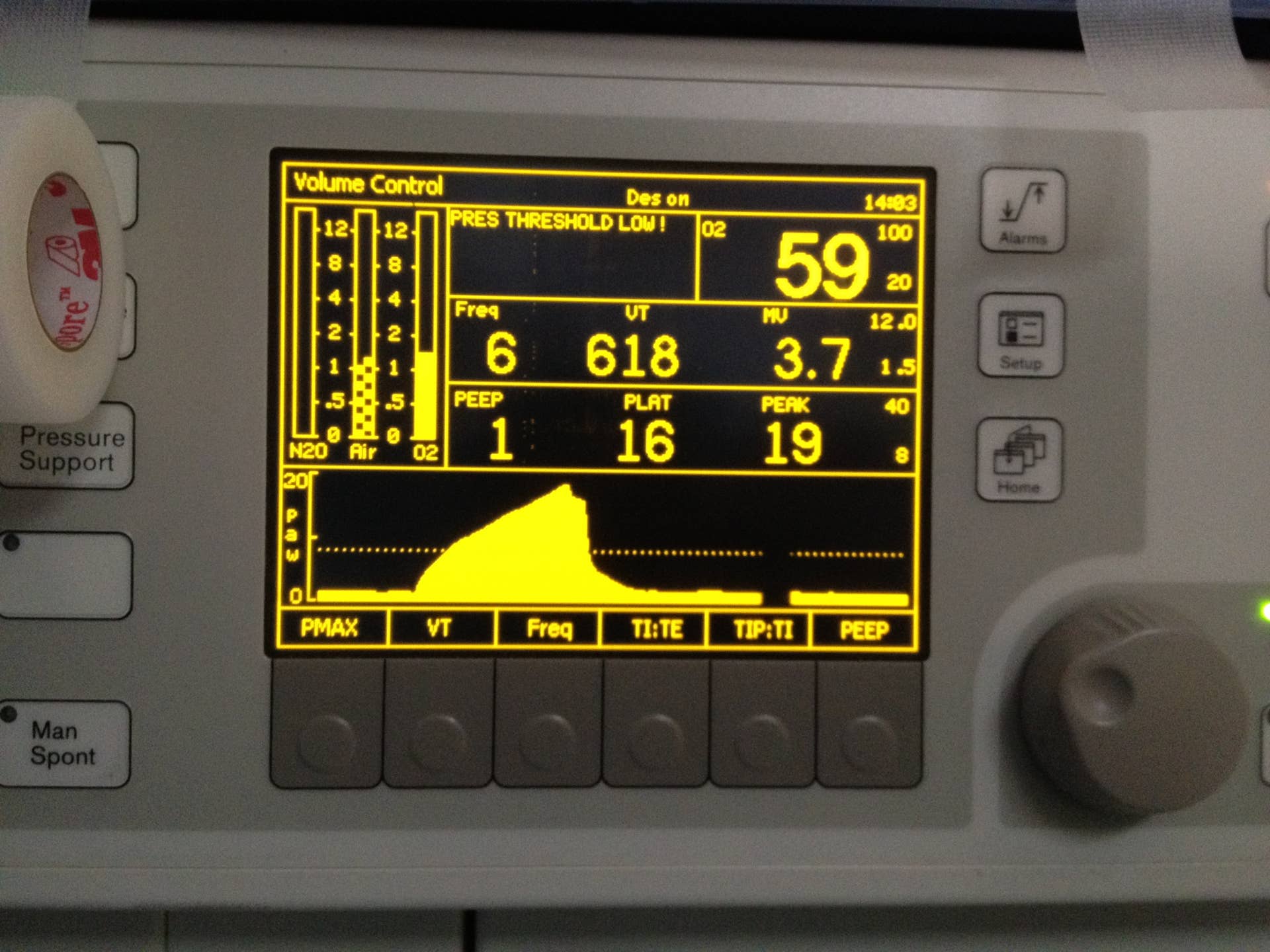
Credit: owlcation.com
Signs Of Improvement
Signs of improvement in a patient on a ventilator show that the body is gaining strength. These signs help doctors decide if the patient can breathe on their own soon. Watching for clear signals can guide care and boost recovery chances.
Spontaneous Breathing Efforts
Spontaneous breathing efforts mean the patient tries to breathe without help. This is a strong sign that the lungs and brain are working better. Doctors check for consistent breathing attempts and good oxygen levels. These efforts show the body wants to take control again.
Weaning Process Indicators
The weaning process is when doctors slowly reduce ventilator support. Signs that the patient is ready include:
- Steady breathing rate without distress
- Good oxygen saturation levels
- Strong cough and ability to clear secretions
- Stable heart rate and blood pressure
- Alertness and ability to follow commands
These indicators help doctors decide if the patient can handle less ventilator help safely. Each positive sign means the body is healing and ready to breathe independently.
Potential Concerns
Seeing a patient breathe over the ventilator might seem like a positive sign, but it also raises some important concerns. It’s crucial to understand the possible risks that come with this situation. Your awareness can help in recognizing when breathing efforts might actually be harmful rather than helpful.
Respiratory Muscle Fatigue
Breathing over the ventilator means the patient is using their own muscles to help with breathing. This sounds good, but it can quickly tire out those muscles. If the respiratory muscles get too tired, they may fail, making it harder for the patient to breathe on their own.
Have you noticed how quickly your leg muscles tire when you push too hard? The same happens with breathing muscles. This can lead to a dangerous cycle where the patient struggles more and more, potentially needing more support.
Ventilator-patient Asynchrony
This happens when the patient’s natural breathing effort doesn’t match the ventilator’s settings. It can cause discomfort and reduce the effectiveness of ventilation. The ventilator might push air when the patient is not ready, or fail to assist when needed.
Think about trying to walk in sync with someone who keeps changing their pace unpredictably—it’s frustrating and inefficient. This mismatch can cause increased work for the patient and may worsen their condition.
Understanding these concerns helps you see why simply breathing over the ventilator isn’t always a sign of improvement. Are you ready to look closer at these risks to ensure safer breathing support?
Monitoring And Assessment
Monitoring and assessment are crucial when a patient begins breathing over the ventilator. This phase can indicate progress, but it also requires careful observation to ensure the patient is truly ready for less support. You need to track specific signs that show how well the lungs and body are handling the change.
Vital Signs To Watch
Keep a close eye on the patient’s heart rate, respiratory rate, blood pressure, and oxygen saturation. Changes here can signal stress or improvement.
- Heart Rate:A sudden increase may mean the patient is struggling to breathe.
- Respiratory Rate:Watch for rapid or shallow breaths, which could indicate fatigue.
- Blood Pressure:Fluctuations can show how well the body is coping with the breathing effort.
- Oxygen Saturation:Values below 90% suggest the patient might need more ventilatory support.
Ask yourself: Are these signs stable or fluctuating? Consistent vital signs usually point to readiness, while instability calls for caution.
Role Of Blood Gases
Blood gas analysis gives you a clear picture of how well the lungs are exchanging oxygen and removing carbon dioxide.
Look at key values like:
| Parameter | What It Shows | Ideal Range |
|---|---|---|
| PaO2 (Oxygen) | How well oxygen is delivered to blood | 75-100 mmHg |
| PaCO2 (Carbon Dioxide) | How well CO2 is removed from blood | 35-45 mmHg |
| pH | Acid-base balance in blood | 7.35-7.45 |
If the values are within these ranges while breathing over the ventilator, it suggests the lungs are functioning adequately. But if you notice rising carbon dioxide or falling oxygen levels, it’s a sign that the patient might not be ready yet.
Have you ever monitored these numbers in real time? They can change quickly, so regular checks are essential to avoid surprises.
When To Seek Medical Advice
Knowing when to seek medical advice during ventilator use is critical for the safety and recovery of the patient. Breathing over the ventilator can sometimes signal improvement, but it can also mask underlying problems. Understanding the warning signs and maintaining open communication with the healthcare team helps you act quickly when needed.
Warning Signs
Pay close attention to sudden changes in breathing patterns or effort. If you notice increased shortness of breath, persistent coughing, or unusual sounds like wheezing or gurgling, don’t ignore them.
Other red flags include:
- Skin turning bluish around lips or fingertips
- Confusion or extreme tiredness
- Fever or signs of infection
- Inability to maintain oxygen levels despite breathing over the ventilator
Have you ever felt unsure if a symptom was serious? Trust your instincts. Err on the side of caution and reach out to medical professionals promptly.
Communication With Healthcare Team
Clear and honest communication with your healthcare team can make all the difference. Share any new or worsening symptoms immediately, even if they seem minor.
Ask questions like:
- What should I watch for while breathing over the ventilator?
- How will I know if I need urgent help?
- What are the next steps if my breathing worsens?
Remember, healthcare providers expect your questions and value your observations. Your active participation helps them provide the best care possible.

Credit: medicalxpress.com
Supporting Recovery
Breathing over the ventilator often shows a patient’s effort to recover. It may indicate stronger lung function and better chances of weaning off support. Careful monitoring by doctors is essential to understand this sign.
Supporting Recovery Breathing over a ventilator often signals a step towards healing. It’s a positive sign that a patient is regaining strength. Supporting recovery during this period is crucial. It involves various facets such as physical therapy and nutritional support. Each plays a vital role in boosting the patient’s overall health. Let’s explore these important aspects.Physical Therapy
Physical therapy helps enhance muscle strength. It aids in improving mobility after long periods in bed. Therapists design exercises tailored to each patient’s needs. These exercises aim to restore physical function. Regular sessions help in reducing recovery time. Gradual increase in activity boosts confidence. It prepares patients for daily life activities.Nutritional Support
Nutrition plays a key role in recovery. Proper diet helps in tissue repair and immune support. A balanced intake of proteins, vitamins, and minerals is essential. Dieticians often work with healthcare teams. They create meal plans that suit individual needs. Proper hydration also speeds up the healing process. Healthy eating strengthens the body and mind. It supports the overall recovery journey.Frequently Asked Questions
Is Breathing Over The Ventilator A Positive Sign?
Yes, it often indicates improving lung function and patient strength. It suggests the patient may start weaning off the ventilator soon.
Can Spontaneous Breathing Reduce Ventilator Complications?
Spontaneous breathing can lower risks like lung injury and muscle weakness. It helps maintain respiratory muscle activity and overall lung health.
How Does Breathing Over The Ventilator Affect Recovery?
It promotes lung healing and muscle strength. This process supports faster recovery and shorter ICU stays.
When Should Doctors Encourage Breathing Over The Ventilator?
Doctors encourage it when the patient shows stable vital signs and improved lung function. It aids gradual weaning and recovery.
Conclusion
Breathing over the ventilator often shows progress in lung strength. It can mean the body is ready to handle more on its own. Still, doctors watch closely for any signs of trouble. Every patient’s journey is different and needs careful care.
Patience and proper support help improve chances of success. Breathing independently is a hopeful step but not the final one. Trust the medical team to guide the best path forward.



