
Are you struggling with stale air or excess moisture in your home? A whole house ventilation system might be the simple solution you need.
It helps bring fresh air inside while pushing out pollutants and humidity, making your living space healthier and more comfortable. But how exactly do you use it to get the best results? You’ll discover easy steps to set up and maintain your ventilation system, so your home feels fresher and more inviting every day.
Keep reading to learn how to breathe easier and protect your family with the right ventilation approach.
Benefits Of Whole House Ventilation
Whole house ventilation systems bring many benefits to your home. They help keep the air fresh and clean by moving stale air out and bringing fresh air in. This process improves overall comfort and promotes a healthier living environment. Understanding the benefits can help you appreciate why these systems matter.
Improving Indoor Air Quality
Whole house ventilation reduces indoor air pollutants. It removes dust, allergens, and odors from your home. Fresh air flows in continuously, lowering the concentration of harmful particles. This leads to cleaner air and fewer breathing problems for family members.
Reducing Moisture And Mold
Ventilation controls moisture levels inside the house. It prevents damp air from building up, which can cause mold growth. Mold damages walls and furniture and harms health. Proper ventilation keeps humidity balanced, protecting your home and your family.
Enhancing Comfort And Health
Fresh air circulation creates a more comfortable space. It helps regulate indoor temperature and reduces stuffiness. Good ventilation supports better sleep and increases energy levels. It also lowers the risk of illnesses caused by poor air quality.

Credit: www.fieldcontrols.com
Types Of Ventilation Systems
Understanding the types of whole house ventilation systems helps you choose the right one for your home’s unique needs. Each system works differently to bring fresh air inside and remove stale air, impacting your indoor air quality and energy bills. Let’s look at the main types and see how they can fit into your living space.
Exhaust Ventilation
Exhaust ventilation systems pull air out of your home using fans installed in places like bathrooms or kitchens. This creates negative pressure, which draws fresh air in through vents or leaks around windows and doors. It’s simple and affordable but can sometimes bring in unfiltered outdoor air, so consider your local air quality.
Supply Ventilation
Supply ventilation systems push fresh air into your home, forcing stale air out through vents or leaks. This creates positive pressure inside, which helps keep out dust and pollutants from outside. If you live in a dry climate, this type can improve comfort, but in humid areas, it might introduce too much moisture.
Balanced Ventilation
Balanced systems use fans to both bring in fresh air and remove stale air in equal amounts. This keeps indoor pressure steady and helps maintain consistent air quality throughout your home. It’s a great choice if you want controlled airflow without losing energy.
Energy Recovery Ventilators
Energy Recovery Ventilators (ERVs) exchange heat and moisture between incoming and outgoing air. This means you get fresh air without wasting heating or cooling energy. If you’re concerned about energy efficiency and comfort, an ERV can be a smart investment that pays off over time.
Choosing The Right System
Choosing the right whole house ventilation system is key for fresh air and comfort. The right system fits your home’s size, climate, and energy needs. It helps maintain good air quality and saves on bills. Understanding these factors guides you to the best choice for your home.
Assessing Home Size And Layout
Measure your home’s total area in square feet. Larger homes need stronger ventilation systems. Consider the number of floors and room arrangement. Open floor plans may require different solutions than segmented spaces. Check for areas that trap moisture or stale air. This info helps pick a system with the right capacity.
Considering Climate Factors
Climate affects how your ventilation system works. Hot, humid climates need systems that reduce moisture. Cold areas require systems that keep warm air inside. Dry climates benefit from systems that add fresh air without losing humidity. Think about seasonal changes and air quality. Choose a system designed for your local weather conditions.
Evaluating Energy Efficiency
Energy-efficient systems lower utility costs and reduce waste. Look for models with ENERGY STAR certification. These use less power while maintaining airflow. Check the system’s airflow rate and power consumption. Systems with heat recovery ventilators (HRVs) save energy by recycling heat. Efficient systems keep your home comfortable and your bills low.
Installation Tips
Installing a whole house ventilation system properly is key to ensuring your home stays fresh and energy-efficient. You want to avoid common pitfalls that can reduce airflow or cause uneven ventilation. Let’s look at some practical tips that help you get the most from your system right from the start.
Selecting Vent Locations
Choosing where to place your vents can make or break your ventilation system’s performance. Aim to position intake vents away from pollution sources like garbage bins or busy streets to ensure clean air enters your home.
Distribute exhaust vents evenly throughout your home, especially in moisture-prone areas like bathrooms and kitchens. This helps prevent stale air pockets and reduces the chance of mold growth. Have you noticed how some rooms always feel stuffy? Strategic vent placement can fix that.
Ensuring Proper Ductwork
The ductwork is the highway for your ventilation system’s airflow. Use smooth, rigid ducts instead of flexible ones to minimize air resistance and noise. Secure all joints tightly to avoid leaks that waste energy and reduce efficiency.
Keep duct runs as short and straight as possible. Sharp bends and long ducts can slow air movement significantly. Think about your attic or basement space; plan duct routes that avoid obstacles and allow easy access for future maintenance.
Professional Vs Diy Installation
Deciding between hiring a pro or tackling installation yourself depends on your comfort and skills. Professionals bring experience that ensures code compliance and optimized system setup, which can save you money on energy bills in the long run.
However, if you have solid DIY skills and a good understanding of HVAC basics, installing the system yourself can be rewarding and cost-effective. Just be honest about your limitations—incorrect installation can cause more harm than good. What’s your level of confidence with tools and technical instructions?
Operating Your Ventilation System
Operating a whole house ventilation system efficiently is crucial for maintaining air quality. Proper operation also ensures energy efficiency. Understanding the controls and settings is key. Here’s how you can do it.
Setting Optimal Fan Speeds
Fan speed affects air circulation. Adjust speeds based on room size. Small rooms need lower speeds. Large spaces benefit from higher speeds. Ensure consistent air movement throughout your home. This helps maintain a fresh environment.
Scheduling Ventilation Cycles
Ventilation schedules improve system efficiency. Set cycles based on daily activities. Cooking and showering generate more humidity. Increase ventilation during these times. Use automated timers for convenience. This keeps air quality in check.
Adjusting For Seasonal Changes
Seasons affect your ventilation needs. Winter requires different settings than summer. During winter, reduce ventilation to save heat. In summer, increase airflow to cool your home. Adjust settings to match the outside climate. This saves energy and maintains comfort.
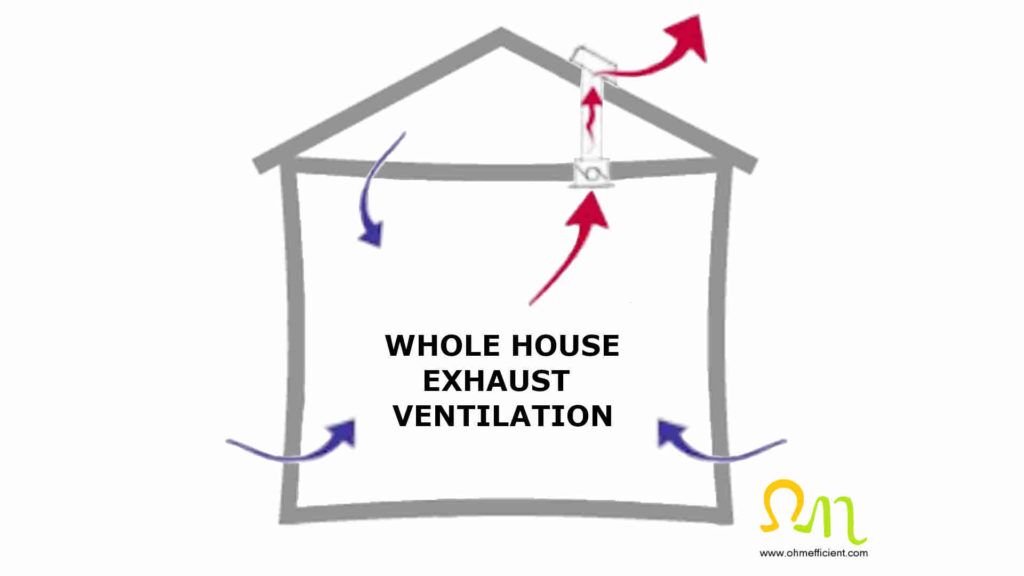
Credit: ohmefficient.com
Maintenance And Troubleshooting
Maintaining your whole house ventilation system ensures clean air and efficient operation. Regular checks keep the system working well and extend its life. Troubleshooting helps fix issues quickly before they cause bigger problems.
Regular Filter Cleaning And Replacement
Filters trap dust, pollen, and other particles. Dirty filters reduce airflow and lower air quality. Clean or replace filters every 3 months or as the manufacturer suggests. Use a vacuum or wash reusable filters gently with water. Always let filters dry fully before reinstalling.
Inspecting Fans And Ducts
Fans move air through your home. Check fans for dust buildup and clean blades carefully. Listen for unusual noises that might mean a problem. Ducts carry air and can get blocked or leak. Look for visible damage or loose connections. Seal leaks with duct tape or mastic sealant to keep airflow steady.
Common Issues And Solutions
- Weak airflow:Check for dirty filters or blocked ducts. Clean or clear them.
- Unusual noise:Tighten loose screws or clean fan blades. Replace worn parts if needed.
- System won’t start:Check power supply and circuit breakers. Reset or call an electrician.
- Bad odors:Clean filters and ducts. Replace filters more often.
Energy Saving Strategies
Saving energy while using a whole house ventilation system is not just about reducing costs; it’s about making smart choices that benefit your home environment and comfort. Small adjustments can lead to noticeable savings and better air quality at the same time. Let’s look at practical strategies that help you get the most from your ventilation system without wasting energy.
Using Timers And Sensors
Timers allow you to run your ventilation system only when it’s needed, such as during peak pollution times or when the house is occupied. This prevents the system from running continuously and wasting energy.
Sensors detect humidity or air quality levels and automatically adjust ventilation rates. This means your system works harder only when necessary, saving energy during low-demand periods.
Have you considered how much energy you could save by not running your system 24/7? Installing smart sensors can make your system more responsive and efficient without any extra effort on your part.
Integrating With Hvac Systems
Connecting your ventilation system with your HVAC can optimize overall home comfort and energy use. When ventilation works in sync with heating or cooling, it reduces the load on your HVAC system.
This integration can enable heat recovery ventilation, where warm air leaving your home preheats incoming fresh air, cutting down heating costs in winter. It’s a smart way to recycle energy rather than letting it escape.
Think about how your home’s temperature fluctuates. Could your ventilation system help maintain a steady temperature and reduce your HVAC’s workload?
Sealing And Insulating Your Home
Before optimizing your ventilation, ensure your home is well-sealed and insulated. Leaks and drafts make your system work harder to maintain fresh air and temperature balance.
Proper sealing prevents unwanted air exchange, so the ventilation system only replaces indoor air when needed. Adding insulation helps keep the air inside your home stable, reducing energy waste.
Have you checked for gaps around windows, doors, or vents? Sealing these can dramatically boost the efficiency of your whole house ventilation system and lower your energy bills.
Measuring Air Quality Improvements
Whole house ventilation systems can greatly improve air quality in homes. Understanding these improvements requires measuring changes in air quality. This ensures that your system is operating efficiently. Let’s explore how you can measure air quality improvements.
Using Indoor Air Quality Monitors
Indoor air quality monitors are essential tools. They help track pollutants and ensure a healthy home environment. These devices measure various factors. For example, they can detect carbon dioxide and volatile organic compounds. Position the monitors in different rooms for comprehensive data.
Choose a monitor suitable for your needs. Some offer real-time updates via apps. Others provide detailed reports for analysis. Regular monitoring will keep you informed about air quality changes.
Tracking Humidity And Pollutants
Humidity levels are crucial for indoor air quality. Too much moisture can lead to mold growth. Conversely, low humidity can cause dryness and discomfort. Use a hygrometer to track humidity levels efficiently.
Pollutants like dust and pollen also impact air quality. Regularly check for these elements. Ensure your ventilation system effectively filters them out. This will maintain a healthier indoor environment.
Interpreting Data To Optimize Settings
Data collected from monitors helps in optimizing your ventilation settings. Review the data regularly for insights. Identify trends that indicate poor air quality. Adjust ventilation settings to target these issues.
For instance, increase airflow if carbon dioxide levels rise. Or, adjust humidity settings based on seasonal changes. Proper interpretation of data ensures your system runs optimally. This enhances overall air quality in your home.

Credit: ezbreathe.com
Frequently Asked Questions
What Is A Whole House Ventilation System?
A whole house ventilation system improves indoor air quality by exchanging stale air with fresh outdoor air. It reduces humidity, odors, and pollutants efficiently throughout your home.
How Do I Maintain A Whole House Ventilation System?
Regularly clean or replace filters every 3-6 months. Inspect fans and ducts yearly. Schedule professional maintenance to ensure optimal airflow and system longevity.
Can A Whole House Ventilation System Reduce Energy Costs?
Yes, modern systems with heat recovery ventilators (HRVs) recycle heat, lowering heating and cooling expenses while maintaining fresh air circulation.
When Is The Best Time To Use Whole House Ventilation?
Use it year-round for consistent air quality. Adjust settings based on humidity, occupancy, and outdoor air conditions for best results.
Conclusion
A whole house ventilation system keeps your air fresh and healthy. It removes stale air and brings in clean air. Using it helps reduce moisture and odors inside your home. It also lowers the risk of mold and allergens. Regular use improves comfort for everyone living there.
Remember to follow the system’s instructions for best results. Clean or replace filters as needed. This simple step keeps the system working well. Good ventilation means better air quality and a happier home.



