
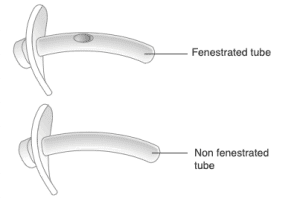
Are you trying to understand whether a trach or a ventilator is the better option for you or a loved one? Making decisions about breathing support can feel overwhelming.
You want the best care, but the choices and medical terms can be confusing. This article will help you see the key differences clearly. By the end, you’ll know which option fits your needs and why it matters. Keep reading to discover what really makes one better than the other for your health and comfort.
Differences Between Trach And Ventilator
Understanding the differences between a trach and a ventilator can help you make informed decisions about respiratory care. Both devices support breathing but serve distinct roles and function in unique ways. Knowing how each works and when they are used can clarify which option fits specific medical needs.
How Trachs Work
A trach, or tracheostomy tube, is a small tube inserted directly into the windpipe through an opening in the neck. It creates a clear airway to help you breathe when the usual route through the nose or mouth is blocked or damaged.
Unlike a ventilator, a trach does not breathe for you. Instead, it provides a direct path for air to reach your lungs. This allows you to breathe more easily, especially if you have long-term breathing difficulties.
How Ventilators Work
A ventilator is a machine that assists or takes over the breathing process by pushing air into your lungs through a tube. This tube may be placed in the mouth, nose, or trach tube if one is present.
The ventilator controls the volume, pressure, and timing of breaths, which is vital when your lungs are too weak or damaged to function properly. It can fully or partially support your breathing depending on your condition.
Situations For Each Device
- Trachsare often used when someone needs long-term airway access, such as with chronic lung diseases or after certain surgeries.
- Ventilatorsare crucial in emergencies or acute situations like respiratory failure, where immediate breathing support is needed.
- Sometimes, both devices are used together— a trach provides the airway, and the ventilator helps with breathing, especially in intensive care settings.
Have you ever wondered which device might be recommended if you or a loved one faces breathing difficulties? Understanding these differences can prepare you for conversations with healthcare providers and help you navigate treatment options confidently.
Advantages Of Trachs
Choosing between a trach and a ventilator can feel overwhelming, but understanding the advantages of trachs can help you make an informed decision. Trachs offer unique benefits that improve daily life for many patients. They can make a significant difference in comfort, communication, and airway care.
Improved Comfort And Mobility
Trachs often allow for greater comfort compared to traditional ventilator tubes. Because the tube is placed directly in the neck, it reduces irritation in the mouth and throat.
This setup can make moving around easier. Patients with trachs often find it simpler to sit up, walk, or perform light activities without feeling tethered to bulky equipment.
Have you noticed how being less restricted changes your mood and energy? That’s a real benefit that trachs provide.
Enhanced Communication
One of the biggest challenges with ventilators is the difficulty in speaking. Trachs can be fitted with special valves that let you talk while still receiving air support.
This means you don’t have to rely solely on writing or gestures to express yourself. Being able to communicate verbally can boost your confidence and reduce frustration.
Imagine the relief of telling your caregiver exactly how you feel without delay. That’s the practical power of a trach.
Easier Airway Maintenance
Cleaning and maintaining the airway is often simpler with a trach. The direct access makes suctioning and clearing secretions more straightforward for both patients and caregivers.
This can reduce the risk of infections and complications, which are common concerns with long-term ventilation.
Have you ever struggled with clearing your airway? A trach might offer you a more manageable way to stay healthy and comfortable.
Benefits Of Ventilators
Ventilators play a vital role in helping people breathe. They assist when lungs cannot work well alone. Many patients benefit from ventilator support during illness or surgery. Understanding their advantages helps in choosing the right care.
Full Respiratory Support
Ventilators provide complete breathing help. They deliver oxygen and remove carbon dioxide. This support keeps the body’s organs safe. It works even if the lungs are very weak or damaged.
Adjustable Breathing Assistance
Ventilators offer flexible settings for breathing. Doctors can change the air volume and pressure. This adjustment fits each patient’s needs perfectly. It helps in gradual recovery and comfort.
Non-invasive Options
Some ventilators work without tubes inside the throat. Masks or nasal devices can deliver air. This option reduces discomfort and infection risk. It suits patients who need short-term or mild help.
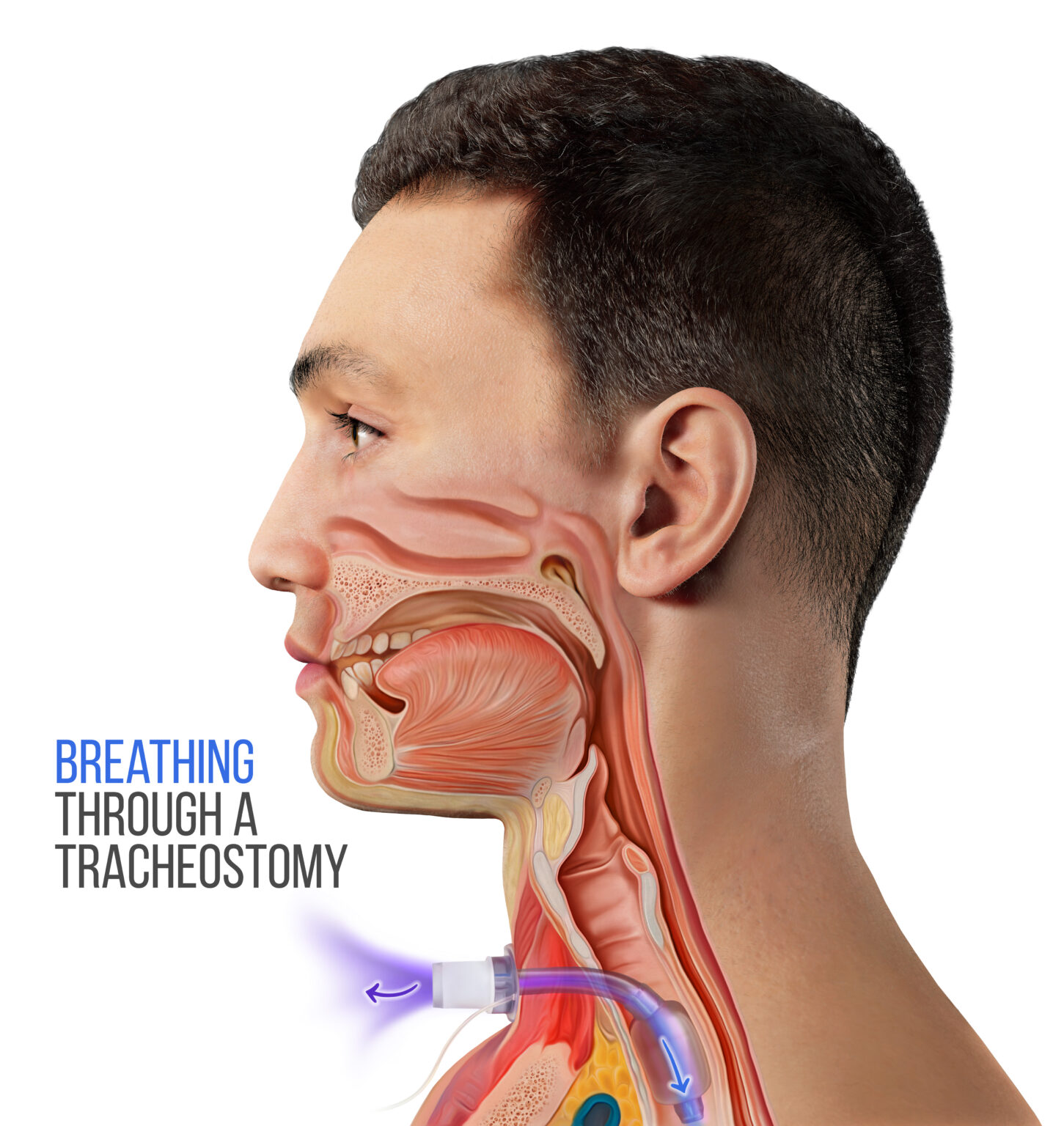
Credit: tracheostomyeducation.com
When Trachs Are Preferred
Choosing between a trach and a ventilator depends largely on the specific breathing needs and overall health condition of the patient. Trachs are often preferred in certain situations where long-term respiratory support is necessary. Understanding these scenarios can help you make informed decisions for yourself or a loved one.
Long-term Breathing Needs
Trachs are ideal when breathing support is needed for an extended period. Unlike ventilators connected through the mouth or nose, a trach provides a more stable and comfortable airway for months or even years.
Imagine caring for someone who needs constant breathing help. A trach reduces the discomfort caused by tubes through the throat, making daily life easier and more manageable.
Reduced Risk Of Lung Injury
Using a trach lowers the chance of lung damage compared to prolonged use of a traditional ventilator tube. The direct airway access helps deliver oxygen more gently, reducing pressure on the lungs.
Have you ever thought about the long-term effects of mechanical ventilation? A trach can protect your lungs from complications like ventilator-associated pneumonia, which is a serious concern with prolonged ventilator use.
Better Secretion Management
One major advantage of a trach is the easier removal of mucus and secretions from the airway. This helps prevent blockages and infections that can worsen breathing problems.
If you or a loved one struggle with thick mucus, a trach allows caregivers to suction secretions more effectively. This practical benefit can improve comfort and reduce hospital visits.
When Ventilators Are Ideal
Ventilators provide crucial support for patients needing temporary breathing assistance. They are ideal in acute respiratory distress or during surgery. For long-term solutions, a tracheostomy might offer more comfort and flexibility.
When Ventilators Are Ideal Ventilators provide crucial support in specific medical situations. They help patients breathe when natural breathing is impaired. These machines are vital in various healthcare settings. Below are key scenarios where ventilators are especially useful.Short-term Respiratory Failure
Patients with temporary breathing issues benefit from ventilators. Conditions like pneumonia can cause short-term respiratory distress. Ventilators assist until the patient can breathe independently. They stabilize the patient’s condition quickly.Critical Care Settings
Ventilators are essential in intensive care units. They support patients with severe illnesses or injuries. Ventilators maintain oxygen levels and remove carbon dioxide. This support is critical for patient survival and recovery.Support During Surgery
During surgery, ventilators play a key role. Anesthesia often inhibits natural breathing. Ventilators ensure continuous oxygen supply during procedures. They keep the patient stable and safe throughout surgery.Risks And Considerations
Choosing between a tracheostomy (trach) and a ventilator involves understanding the risks and considerations that come with each option. Both have their place in medical care, but knowing what challenges you might face can help you make informed decisions about your health or that of a loved one.
Possible Complications With Trachs
Trachs can cause infections at the insertion site, which may lead to serious problems if not treated quickly.
You might also experience bleeding or damage to the windpipe. Scar tissue can form, making breathing more difficult over time.
Some patients find it hard to speak or swallow after a trach is placed. This can impact communication and nutrition.
Ventilator-associated Risks
Ventilators increase the risk of lung infections like pneumonia. This happens because the machine bypasses the body’s natural defenses.
Long-term use may cause lung damage or muscle weakness, making it harder to breathe without help later.
Ventilators require careful monitoring. If settings are off, you could face complications such as lung injury or oxygen imbalance.
Impact On Quality Of Life
Both trachs and ventilators can change daily routines significantly. You might need extra care and support for hygiene and mobility.
Think about the noise and discomfort of a ventilator versus the physical presence of a trach tube. How would these affect your social interactions and independence?
Some people report feeling more freedom with a trach, as it can sometimes allow easier movement and speaking. Others prefer ventilators for their less invasive nature.
What matters most to you: comfort, communication, or ease of care? Your priorities should guide your choice.
Making The Right Choice
Choosing between a trach and a ventilator is a decision that impacts daily life and long-term health. The right choice depends on many factors unique to you or your loved one. Understanding these factors can help you make a decision that fits your medical needs and lifestyle.
Consulting Healthcare Providers
Your healthcare team knows your medical history and current condition best. Talk openly with doctors, respiratory therapists, and nurses about the benefits and risks of a trach versus a ventilator.
Ask specific questions like how each option affects mobility, speech, and comfort. Don’t hesitate to request a second opinion if you feel unsure. Their insights will guide you in understanding what suits your situation.
Evaluating Patient Needs
Think about your daily routines and long-term goals. Do you need support only temporarily, or is this a long-term solution? Trachs can offer more freedom in communication and mobility, but ventilators might be better for short-term respiratory support.
Consider factors like ability to speak, risk of infection, and how much care you or your caregiver can provide. Writing down your priorities can clarify which option aligns better with your lifestyle.
Combining Both Approaches
Sometimes, using both a trach and a ventilator together makes the most sense. A trach can serve as a stable airway, while a ventilator provides the necessary breathing support.
This combination can improve comfort and reduce complications. Discuss with your healthcare team if this hybrid approach fits your needs and how it might affect your day-to-day life.

Credit: tracheostomyeducation.com

Credit: tracheostomyeducation.com
Frequently Asked Questions
What Is The Main Difference Between A Trach And Ventilator?
A trach is a surgical airway opening, while a ventilator is a machine that assists breathing. A trach provides direct airway access, and a ventilator supports or replaces natural breathing.
When Is A Trach Preferred Over A Ventilator?
A trach is preferred for long-term breathing support. It reduces airway damage and increases comfort compared to prolonged use of an endotracheal tube with a ventilator.
Can A Patient Use Both A Trach And Ventilator?
Yes, patients often use both. The trach provides airway access, and the ventilator delivers breaths. This combination supports patients with severe respiratory failure.
Are Trachs Safer Than Ventilators For Long-term Use?
Yes, trachs are safer for long-term use. They lower the risk of airway injury and infections compared to prolonged ventilator use with an endotracheal tube.
Conclusion
Choosing between a trach and a ventilator depends on many things. Both help people breathe but in different ways. A trach is good for long-term breathing support. A ventilator often helps in short-term or emergency cases. Talk with your doctor to understand what fits best.
Think about comfort, health needs, and lifestyle. Each option has its pros and cons. The right choice can improve breathing and life quality. Take time to learn and decide what suits you most.



