
Are you curious about how much heating and air techs actually make? Whether you’re thinking of starting a career in HVAC or just want to know if it’s worth the effort, understanding the pay is important.
This job is more than just fixing units—it offers steady work and good earning potential. Keep reading to discover the real numbers behind heating and air tech salaries, what affects their income, and how you can boost your own paycheck in this field.
Your future paycheck might surprise you!

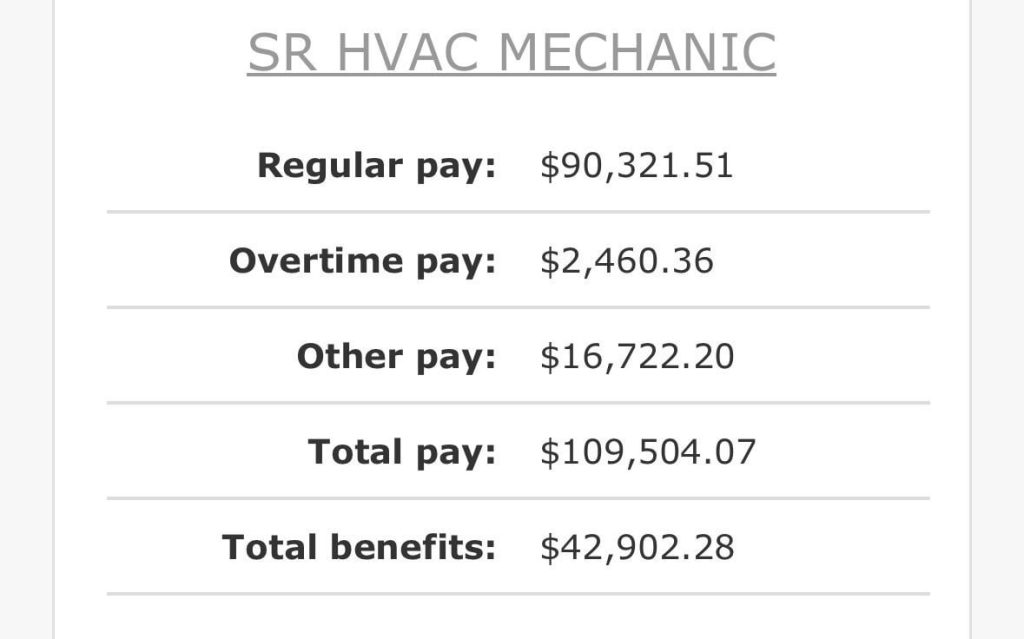
Credit: www.reddit.com
Salary Basics
Heating and air technicians earn different salaries depending on skill and experience. Understanding basic pay helps set clear expectations. Salaries vary by region and job complexity.
Many factors influence how much a technician makes. These include certifications, location, and the type of employer. Below is a breakdown of typical earnings.
Average Pay Nationwide
The average salary for heating and air techs across the U.S. is around $50,000 per year. This number changes based on cost of living and demand in each state.
Hourly wages usually range between $20 and $30. Some technicians earn more with overtime and bonuses.
Entry-level Earnings
New technicians typically start near $30,000 to $35,000 annually. Entry-level pay reflects limited experience and training.
Starting hourly wages often fall between $14 and $18. Growth opportunities exist with on-the-job learning and certifications.
Experienced Technician Salaries
Technicians with several years of experience can earn $60,000 or more yearly. Skilled workers with advanced knowledge command higher wages.
Hourly rates for experienced techs often range from $25 to $35. Supervisory roles or specialty work increase income potential.
Credit: sbeodyssey.com
Factors Affecting Pay
Several factors influence how much heating and air technicians earn. Pay varies widely based on skills, experience, and working conditions. Understanding these factors helps clarify what affects salary levels in this field.
Geographic Location
Location greatly impacts technician salaries. Areas with higher living costs often offer better pay. States with extreme weather may need more HVAC services, raising demand and wages. Urban centers typically pay more than rural areas. Local job markets shape salary differences significantly.
Certification And Training
Certified technicians earn more than those without credentials. Specialized training shows expertise and commitment. Certifications like EPA Section 608 can increase job opportunities. Continuous education keeps skills current, often leading to higher pay. Employers value technicians who invest in learning.
Type Of Employer
Different employers offer varied pay scales. Large companies or government agencies usually provide better salaries and benefits. Small businesses may pay less but offer flexible hours. Contract work might pay more per hour but lacks job security. Employer type plays a key role in salary range.
Job Growth And Demand
The job growth and demand for heating and air techs remain strong. More homes and businesses need heating, ventilation, and air conditioning (HVAC) systems. Climate changes and new building standards increase the need for skilled technicians. This steady demand creates many job opportunities and career stability.
Industry Trends
The HVAC industry is evolving with new technology. Energy-efficient systems and smart home integration are popular. Technicians must learn to work with advanced equipment and software. Green energy solutions also drive demand for updated skills. Aging HVAC systems require frequent repairs and replacements. These trends create ongoing work for heating and air techs.
Impact On Salaries
Growing demand leads to higher salaries for HVAC techs. Employers compete to hire skilled and certified workers. Wages often increase with experience and technical knowledge. Specialized skills in green technology can boost pay further. Overtime and emergency call work add to earnings. Overall, job growth positively affects income in this field.
Credit: sbeodyssey.com
Additional Income Opportunities
Heating and air technicians have several ways to increase their earnings beyond their base pay. These additional income opportunities can make a significant difference in their overall take-home pay. Exploring options like overtime work and self-employment can boost income while offering flexibility and control.
Overtime And Bonuses
Many HVAC companies offer overtime pay for extra hours worked. Overtime usually pays time and a half or double the regular hourly rate. Technicians who take on evening, weekend, or holiday shifts often qualify for these higher rates.
Bonuses are another way to earn more. Employers may give bonuses for:
- Meeting or exceeding performance goals
- Completing urgent jobs quickly
- Maintaining a strong customer satisfaction record
These bonuses add up and reward hard work and reliability.
Self-employment Potential
Many HVAC techs start their own businesses. Being self-employed lets technicians set their own rates and choose clients. This freedom can lead to higher earnings.
Self-employed techs manage their schedules and select jobs that pay well. They may also offer specialized services or maintenance contracts for steady income.
Starting a business requires effort but offers the chance to grow income beyond a fixed salary.
Comparing Hvac Salaries
Heating and air techs earn different salaries based on experience and location. Entry-level workers make less, while skilled techs earn more. Understanding pay ranges helps in choosing this career.
Comparing HVAC salaries can be quite insightful, especially if you’re considering a career in this field. The HVAC industry offers a range of roles, each with its own set of skills and salary expectations. Understanding these differences can help you make informed decisions about your career path.Heating Vs. Air Conditioning Specialists
Heating specialists often find themselves working in colder climates where heating systems are in constant demand. As a heating technician, you might earn a slightly higher salary during peak winter months due to the high demand for heating services. On the other hand, air conditioning specialists typically see their busiest periods during the summer. In regions with scorching summers, these technicians are invaluable, which can translate to increased earnings during the hotter months.Technicians Vs. Supervisors
As an HVAC technician, your primary focus is on installing, maintaining, and repairing systems. Technicians usually start with entry-level positions and gain experience over time, which can lead to salary increases. Supervisors, however, take on additional responsibilities such as overseeing projects and managing teams. This managerial aspect often results in higher salaries compared to technicians, as the role requires more experience and leadership skills. Are you considering advancing from a technician to a supervisory role? Think about whether you’re ready for the added responsibilities and potential for increased earnings. Understanding these distinctions in the HVAC field can guide your career decisions. Whether you prefer working directly with systems or managing a team, each path offers unique opportunities and challenges. What direction aligns with your personal and professional goals?Frequently Asked Questions
How Much Do Heating And Air Techs Earn Annually?
Heating and air techs earn an average annual salary between $40,000 and $60,000. Experience and location greatly affect pay. Specialized skills can increase earnings.
What Factors Influence Hvac Technician Salaries?
Experience, certifications, and geographic location mainly influence HVAC technician salaries. Demand in urban areas tends to raise pay. Additional skills and overtime work also boost income.
Do Hvac Techs Get Paid Hourly Or Salaried?
Most HVAC techs are paid hourly, averaging $20 to $30 per hour. Some experienced techs may receive a salary with benefits. Hourly pay often includes overtime opportunities.
Can Certifications Increase Heating And Air Tech Salaries?
Yes, certifications like EPA 608 or NATE significantly boost HVAC salaries. They validate skills, increase job opportunities, and may lead to higher pay. Employers value certified technicians.
Conclusion
Heating and air techs earn wages based on skill and location. Experience often leads to higher pay. Many enjoy steady work year-round. Training and certifications can boost earnings. This job offers a good balance of work and income. For those who like hands-on tasks, it suits well.
The demand for these techs remains strong. A career in heating and air can provide financial stability. Consider these points when exploring this field. It can be a smart choice for many.



