
Are you building a new house and wondering how to get the right size for your whole house ventilation? Getting this right is more important than you might think.
Too small, and your home will feel stuffy and uncomfortable. Too big, and you could waste energy and money. You’ll discover simple steps to calculate the perfect ventilation size for your new home. By the end, you’ll have the confidence to ensure your living space stays fresh, healthy, and energy-efficient.
Keep reading to learn exactly what you need to know.

Credit: www.rokhardware.com
Importance Of Whole House Ventilation
Proper whole house ventilation is often overlooked during new home construction, but it plays a crucial role in creating a comfortable and safe living environment. Without the right ventilation size, you risk trapping pollutants, excess moisture, and stale air inside your home. Understanding why whole house ventilation matters helps you make better decisions about sizing and system design.
Health Benefits
Good ventilation helps remove indoor air pollutants such as dust, allergens, and volatile organic compounds (VOCs). This reduces the risk of respiratory problems, allergies, and other health issues. You might not realize how much stale air affects your well-being until you breathe fresh, filtered air inside your home.
Proper airflow also controls moisture levels, preventing mold growth that can trigger asthma and other illnesses. Have you ever noticed a musty smell or condensation on your windows? That’s a sign your ventilation might be insufficient.
Energy Efficiency
Ventilation systems that are properly sized help maintain energy efficiency by balancing fresh air intake with heat recovery. Oversized systems waste energy by over-ventilating, while undersized ones force your HVAC to work harder. Both scenarios can lead to higher utility bills.
Choosing the right ventilation size means your heating and cooling systems won’t have to compensate for poor airflow. This keeps your home comfortable without unnecessary energy consumption. How much could you save by optimizing your ventilation system?
Building Code Requirements
Most building codes now require specific whole house ventilation rates to ensure indoor air quality. These codes are based on factors like square footage and occupancy, so your system must meet or exceed these standards. Ignoring code requirements can delay inspections and increase construction costs.
Knowing the local code helps you calculate the correct ventilation size and avoid costly adjustments later. Have you checked if your new home’s ventilation plan aligns with your area’s regulations?
Key Factors Affecting Ventilation Size
Calculating the right ventilation size for a new house depends on several important factors. These factors ensure fresh air circulates properly, keeping indoor air healthy and comfortable. Understanding these key elements helps design an efficient ventilation system tailored to your home’s needs.
House Size And Layout
The size of your house directly affects ventilation needs. Larger homes require more airflow to maintain fresh air. The layout also matters. Open floor plans allow air to move freely, while many small rooms may need extra vents. Ceiling height influences airflow, too. Higher ceilings need more ventilation to keep air fresh at all levels.
Occupant Count
The number of people living in the house impacts ventilation size. More occupants produce more moisture and carbon dioxide. This increases the demand for fresh air. Even occasional guests raise ventilation needs. Consider family size and lifestyle. A busy household needs stronger ventilation to maintain air quality.
Local Climate Conditions
Climate plays a big role in ventilation design. Humid areas require systems that reduce moisture and prevent mold. Dry climates focus on bringing in fresh air without losing heat. Cold regions need ventilation that preserves warmth. Hot climates benefit from systems that help cool the air. Adjust ventilation size based on the local weather patterns.
Types Of Ventilation Systems
Choosing the right ventilation system is key for a healthy home. Ventilation removes stale air and brings fresh air inside. Different systems suit different house designs and climates. Understanding each type helps you pick the best one for your new house.
Exhaust Ventilation
Exhaust ventilation pulls air out of your home. It uses fans in places like kitchens and bathrooms. This creates negative pressure, drawing fresh air in through vents or cracks. It is simple and cost-effective. But, it may let unfiltered air enter, which can bring dust or allergens.
Supply Ventilation
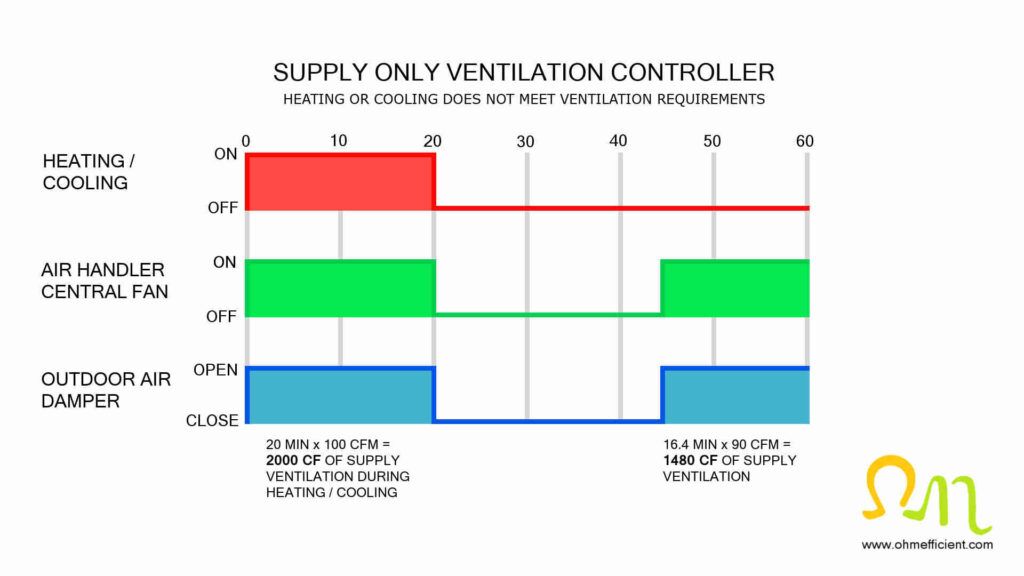
Supply ventilation pushes fresh air into the house. It uses a fan to bring outdoor air inside. This creates positive pressure, pushing stale air out through leaks and vents. It helps filter the incoming air for better quality. This system controls air better but needs careful planning to avoid moisture problems.
Balanced Ventilation
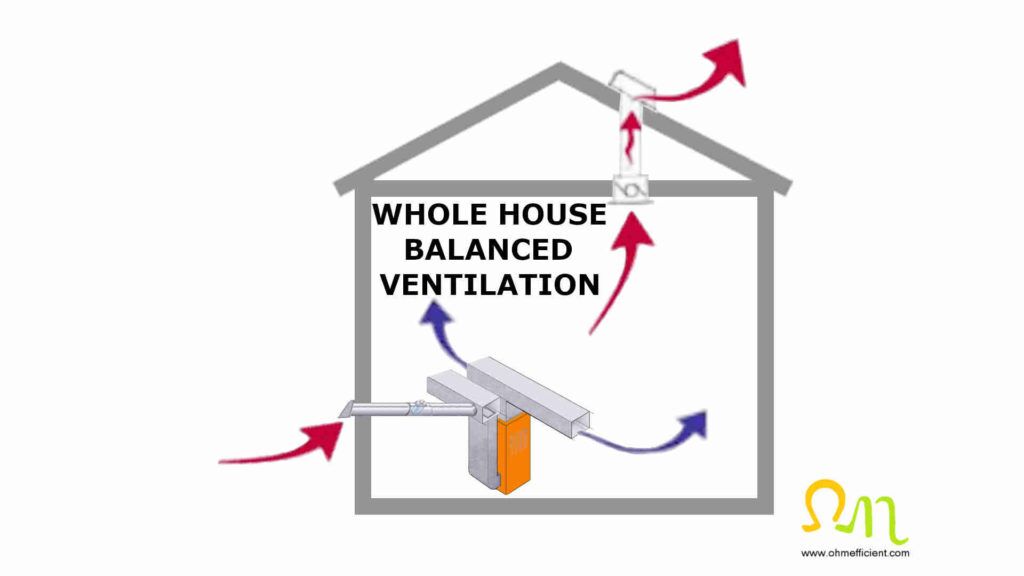
Balanced ventilation moves equal amounts of air in and out. It uses two fans: one for supply and one for exhaust. This keeps air pressure neutral inside the house. Many balanced systems include heat recovery to save energy. It provides the best air quality and comfort but costs more than other types.
Calculating Ventilation Requirements
Calculating ventilation requirements is essential to ensure your new house maintains healthy indoor air quality and comfort. Without the right amount of fresh air exchange, pollutants and moisture can build up, leading to discomfort and potential health issues. Understanding how much ventilation your house needs helps you select the proper system size and avoid unnecessary energy costs.
Using Air Changes Per Hour (ach)
Air Changes per Hour (ACH) measures how many times the air inside your home is replaced with fresh air in one hour. It’s a straightforward way to estimate ventilation needs based on your home’s volume.
To calculate ACH, multiply the volume of your house (length × width × height) by the desired number of air changes. Most homes require between 0.35 and 1 ACH, depending on factors like occupancy and air tightness.
Ask yourself: How often do you want the air inside your home to be refreshed? This decision influences your ventilation size significantly.
Applying Ashrae Standards
The American Society of Heating, Refrigerating and Air-Conditioning Engineers (ASHRAE) provides detailed ventilation guidelines for residential buildings. Their standard 62.2 recommends a minimum ventilation rate based on the number of bedrooms and floor area.
ASHRAE suggests a formula: 7.5 cubic feet per minute (CFM) per person plus 1 CFM per 100 square feet of floor area. This approach ensures fresh air meets your home’s specific size and occupancy.
Using ASHRAE standards can help you avoid under-ventilating or over-ventilating, saving energy while keeping air quality high.
Estimating Cfm Needs
Cubic Feet per Minute (CFM) measures the volume of air moved by your ventilation system each minute. It’s the key number you need to select the right fan or ventilation equipment.
After calculating ACH or applying ASHRAE standards, convert those values into CFM by using your home’s volume or area. For example, if your home volume is 20,000 cubic feet and you want 0.5 ACH, CFM = (20,000 × 0.5) / 60 = 167 CFM.
Knowing your exact CFM helps you avoid buying oversized systems that waste energy or undersized ones that fail to ventilate properly.
Selecting The Right Ventilation Equipment
Calculate the right size for whole house ventilation by multiplying your home’s square footage by the ceiling height. Ensure proper air exchange rate for comfort and health. Always consider room usage and local climate conditions to optimize ventilation efficiency.
Selecting the right ventilation equipment for your new house is crucial for maintaining a healthy indoor environment. The size of your ventilation system should match your home’s needs, ensuring optimal air quality and energy efficiency. Let’s explore the different types of equipment you might consider.Fans And Ductwork
Fans and ductwork form the backbone of any ventilation system. They help move air in and out of the house, ensuring a constant supply of fresh air. When selecting fans, consider their size, efficiency, and noise level. Ductwork should be properly sized to ensure that air flows efficiently throughout the home. It’s not just about moving air; it’s about moving it quietly and effectively. Think about how the placement of fans and ducts will impact your daily life.Energy Recovery Ventilators (erv)
Energy Recovery Ventilators are designed to transfer both heat and moisture between incoming and outgoing air. This means they not only ventilate but also help maintain indoor humidity levels. If you live in a humid area, an ERV can be a great choice to prevent excess moisture buildup. ERVs are energy-efficient, as they recover some of the energy used to heat or cool your home. This can lead to lower energy bills. Imagine the peace of mind knowing your home is ventilated efficiently without unnecessary energy waste.Heat Recovery Ventilators (hrv)
Heat Recovery Ventilators focus on transferring heat between the air streams. They are ideal in colder climates where retaining heat is essential. HRVs can significantly reduce heating costs by capturing the warmth from outgoing air. These systems are great for maintaining temperature without sacrificing fresh air supply. Think about how much warmer your home could be in winter, while still being well-ventilated. HRVs offer a balance between comfort and cost-efficiency. Choosing the right equipment involves weighing your specific needs and climate considerations. What kind of environment do you want to create in your home? Your choice will impact not only comfort but also your energy consumption and overall satisfaction with your living space.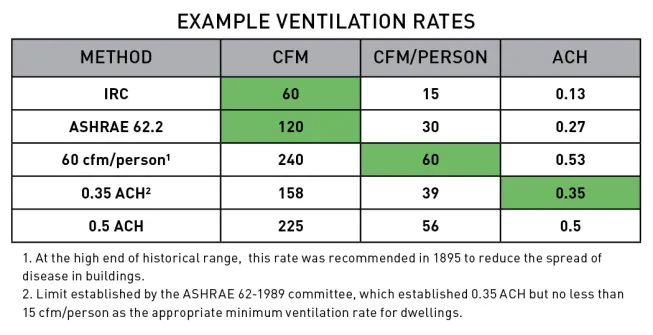
Credit: www.jlconline.com
Installation Best Practices
Installing whole house ventilation isn’t just about picking the right system size. How you set it up can make or break its effectiveness and comfort. Paying attention to details during installation helps you avoid common pitfalls like uneven airflow, energy loss, or annoying noises.
Proper Duct Placement
Where you place your ducts directly affects how well the ventilation system works. Ducts should be routed to reach all key areas without sharp bends or long runs that reduce airflow. Position supply vents in frequently used rooms and return vents where stale air collects, like hallways or near bathrooms.
Think about accessibility for future maintenance. You want ducts easy to reach for cleaning or repairs without major demolition. Have you checked if your attic or crawl space allows straightforward duct runs? Planning this early saves headaches later.
Sealing And Insulation
Air leaks in ducts can waste energy and reduce ventilation efficiency. Make sure to seal all joints with mastic or metal tape instead of regular duct tape, which degrades over time. Proper sealing keeps conditioned air inside and stops outside air from sneaking in.
Insulating ducts, especially those running through unconditioned spaces, prevents heat loss or gain. This keeps your ventilation system from working harder than necessary. Have you considered how much energy you could save by simply wrapping your ducts?
Noise Reduction Techniques
Ventilation systems can create unwanted noise that disrupts your home’s peace. Use flexible duct connectors to reduce vibration noise traveling through the ducts. Adding sound baffles or lining ducts with acoustic insulation also helps keep things quiet.
Placement matters here too—avoid installing vents near bedrooms or study areas. Have you ever been bothered by a constant low hum from your HVAC system? Taking noise control seriously makes a big difference in comfort.
Maintenance And Performance Monitoring
Maintaining your whole house ventilation system keeps it working well. Regular checks and upkeep prevent problems and improve air quality. Monitoring system performance helps spot issues early. This saves money and extends system life.
Filter Replacement
Replace filters regularly to keep air clean. Dirty filters block airflow and reduce efficiency. Check filters every 1 to 3 months. Use filters recommended by the manufacturer. Clean or replace them to avoid dust buildup.
System Inspection
Inspect the ventilation system every few months. Look for loose parts, leaks, or unusual noises. Check vents and ducts for blockages or damage. Tighten connections and clean components as needed. Professional inspections yearly ensure optimal performance.
Adjusting For Seasonal Changes
Change ventilation settings with seasons. Increase airflow in summer to reduce humidity. Lower airflow in winter to save energy but maintain air quality. Use timers or smart controls for easy adjustments. Seasonal tweaks improve comfort and system efficiency.
Credit: ohmefficient.com
Frequently Asked Questions
How Do I Calculate Whole House Ventilation Size?
Calculate ventilation size by multiplying house volume by air changes per hour. Divide by 60 to get CFM (cubic feet per minute). Use local building codes for required air changes. This ensures adequate fresh air circulation for your new house.
What Factors Affect Ventilation Size Calculation?
Key factors include house size, airtightness, occupancy, and climate. Larger homes or tighter constructions need more ventilation. Consider local codes and energy efficiency goals. These factors ensure proper indoor air quality and comfort.
Why Is Whole House Ventilation Important?
Ventilation removes indoor pollutants, controls humidity, and provides fresh air. It prevents mold growth and improves overall health. Proper sizing ensures energy efficiency and comfort in your new home.
Can I Use Hvac System For Whole House Ventilation?
Yes, integrating ventilation with HVAC is common. Use energy recovery ventilators (ERV) or heat recovery ventilators (HRV). These systems exchange stale air while conserving energy. This approach balances air quality and efficiency.
Conclusion
Calculating the right whole house ventilation size keeps your home fresh and healthy. It helps control humidity and improves air quality. Using simple formulas and room measurements makes the task easier. Proper ventilation saves energy and prevents mold growth. Remember, a well-ventilated home feels more comfortable every day.
Take your time to measure carefully and choose the right system. Good airflow matters for your family’s health and comfort. Keep your new house breathing well with the right ventilation size.



