
Have you or a loved one recently come off a ventilator and noticed confusion or restlessness? You might be wondering, “How long does delirium last after ventilation?” This experience can be confusing and scary, but understanding what to expect can help you feel more in control.
You’ll discover the typical duration of delirium after ventilation, why it happens, and what signs to watch for. Keep reading to get the clear answers you need to support recovery and peace of mind.

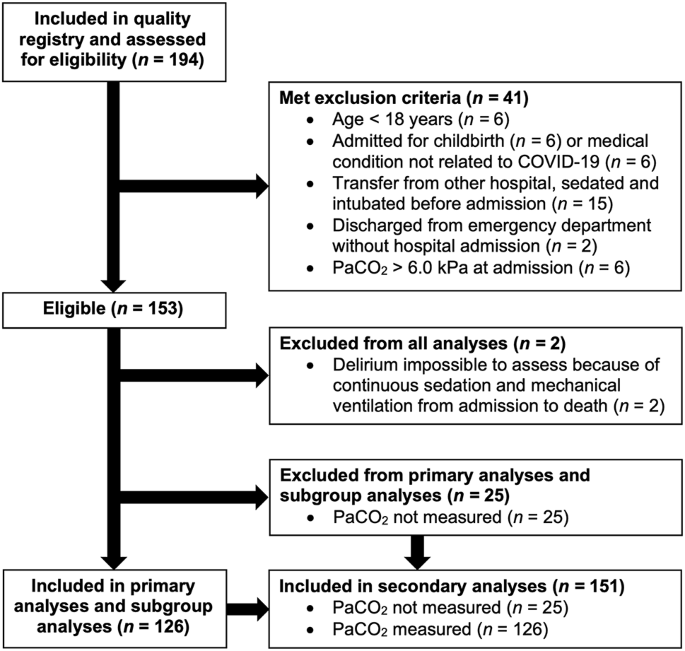
Credit: www.jacc.org
Delirium And Ventilation Link
Delirium is a common issue for patients after mechanical ventilation. It affects the brain and causes confusion, memory problems, and trouble focusing. The link between delirium and ventilation is strong. Understanding this link helps in managing and reducing delirium cases after ventilation.
What Causes Delirium During Ventilation
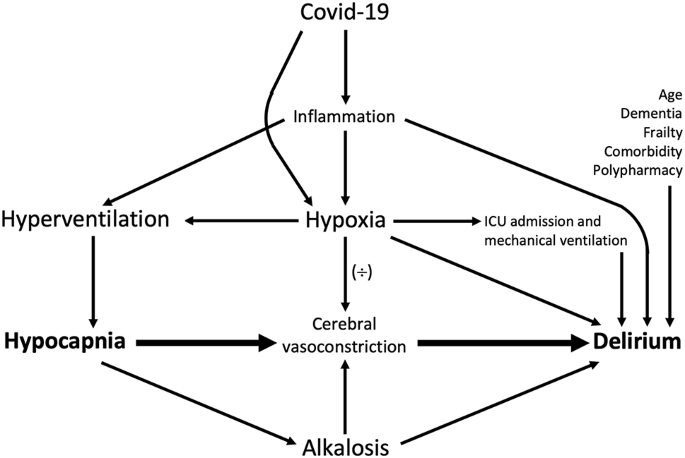
Delirium during ventilation happens due to several factors. Low oxygen levels can harm the brain. The use of sedatives and painkillers may affect brain function. Infections and inflammation also play a role. The stress of being in the ICU and the discomfort of ventilation contribute as well.
These factors disrupt normal brain activity. The brain becomes unable to process information properly. This leads to sudden confusion and changes in awareness.
Risk Factors For Post-ventilation Delirium
Some people have a higher chance of delirium after ventilation. Older adults are more at risk. Patients with previous brain problems or dementia face more risk. Longer ventilation times increase the chance. Severe illness and low blood oxygen also add to risk.
- Advanced age
- History of cognitive impairment
- Extended use of sedatives
- Severe infection or sepsis
- Prolonged ICU stay
Knowing these risks helps doctors watch patients closely. Early detection can improve care and outcomes.
Duration Of Delirium
Delirium after ventilation is a common concern for patients and caregivers. Understanding how long delirium lasts helps prepare for recovery. The duration varies but usually follows some typical patterns. This section explains how long delirium can last after a patient is taken off ventilation.
Typical Timeframe After Extubation
Delirium often appears soon after extubation, the removal of the breathing tube. It usually lasts from a few days to one week. Many patients show improvement within 3 to 5 days. Some may recover faster, especially with good care and rest.
In some cases, delirium can last up to two weeks. Medical teams monitor patients closely during this time. They use treatments to reduce symptoms and support brain function.
Variability Among Patients
Delirium duration is different for every patient. Factors like age, overall health, and the reason for ventilation affect recovery time. Older adults and those with other illnesses may experience longer delirium.
Some patients may have brief delirium lasting only a day or two. Others might struggle with confusion for weeks. The severity of illness and medications used also play a role.
- Patients with strong support tend to recover quicker.
- Early physical therapy helps reduce delirium length.
- Monitoring and managing infections lower risks.
Symptoms Over Time
Delirium after ventilation shows different symptoms over time. These symptoms can change quickly and vary by patient. Understanding these changes helps caregivers and families manage the condition better.
Early Signs Post-ventilation
Delirium often begins soon after the patient is taken off ventilation. Common early signs include:
- Confusion and disorientation
- Difficulty focusing or paying attention
- Restlessness or agitation
- Sleep disturbances and unusual drowsiness
- Memory problems or forgetfulness
These symptoms may appear suddenly and can be mild or severe. Early detection is important for timely care and treatment.
Progression And Resolution Patterns
Delirium symptoms may worsen over the first few days after ventilation. Some patients show fluctuating behavior, with periods of clarity and confusion.
Symptoms tend to improve gradually within one to two weeks. Recovery speed depends on factors like age, overall health, and cause of delirium.
In some cases, delirium may last longer or lead to lasting cognitive issues. Ongoing medical support and monitoring are crucial during recovery.
Credit: www.nature.com
Impact Of Delirium Duration
The length of delirium after ventilation can significantly shape your path to recovery. How long delirium lasts not only affects immediate health but also impacts your future well-being. Understanding these effects helps you and your caregivers prepare better strategies for healing and rehabilitation.
Effects On Recovery And Rehabilitation
Longer delirium episodes often lead to slower physical recovery. You might notice more weakness and difficulty regaining strength after ventilation.
This delay can make simple tasks, like walking or eating independently, take much longer. It may also increase your risk of complications such as infections or muscle loss.
Healthcare teams might need to adjust rehabilitation plans, adding more time and support. Have you considered how your rehab goals might change if delirium lasts longer than expected?
Long-term Cognitive Consequences
Extended delirium can cause lasting problems with memory, attention, and decision-making. You might find it harder to focus or remember important details long after leaving the hospital.
These cognitive changes can affect your daily life, including work, social activities, and managing medications. Some people experience these difficulties for months or even years.
Recognizing these risks early allows you to seek cognitive therapy or support groups. What steps can you take today to protect your brain health after experiencing delirium?
Factors Influencing Recovery
Understanding recovery from delirium after ventilation is crucial. Duration varies due to age, pre-existing conditions, and medication. Proper care speeds up recovery.
Understanding the factors that influence recovery from delirium after ventilation is crucial for both patients and caregivers. Delirium can be a daunting experience, and its duration varies based on several key factors. By recognizing these influences, you can better prepare for the recovery journey and help navigate the path to normalcy.Age And Preexisting Conditions
The age of the patient plays a significant role in recovery time. Older adults often experience a longer duration of delirium due to natural age-related changes in the brain. Additionally, preexisting conditions such as dementia, heart disease, or diabetes can complicate recovery, making it more challenging. Younger patients generally recover more swiftly, but this is not a rule set in stone. If you have a loved one with existing health issues, monitoring their recovery closely and maintaining open communication with healthcare providers is vital.Sedation And Medication Effects
The medications used during and after ventilation can greatly influence how long delirium lasts. Some sedatives and pain medications have side effects that exacerbate confusion and disorientation. This can prolong delirium, especially if high doses are administered over extended periods. It’s important to discuss medication plans with doctors, asking how each drug might impact recovery. If you notice prolonged confusion, don’t hesitate to raise concerns. Adjustments in medication could be necessary to support a faster recovery. The recovery from delirium after ventilation is a multifaceted process. Are there other factors you’ve encountered that influenced recovery? Sharing your experiences could provide valuable insights for others on a similar journey.Management Strategies
Managing delirium after ventilation requires careful strategies. These strategies focus on reducing risks and treating symptoms effectively. Early action can help shorten delirium duration and improve recovery.
Preventive Measures During Ventilation
Prevention is key to minimizing delirium after ventilation. Nurses and doctors monitor patients closely to detect early signs. Maintaining a calm and quiet environment helps reduce confusion. Proper pain control and avoiding unnecessary sedation lower delirium risk.
- Ensure regular sleep-wake cycles with natural light exposure
- Encourage early mobility and physical activity when possible
- Use the lowest effective dose of sedatives and avoid benzodiazepines
- Provide frequent reorientation by staff and family
- Control pain with appropriate medications
Treatment Options After Delirium Onset
Treatment focuses on identifying and addressing underlying causes. Doctors review medications to remove those that worsen delirium. Supportive care includes hydration, nutrition, and oxygen therapy. Non-drug approaches improve patient comfort and awareness.
- Use antipsychotic drugs cautiously for severe agitation
- Maintain a quiet, well-lit room with clocks and calendars
- Engage family members to reassure and calm the patient
- Encourage gradual mobility and physical therapy
- Regularly assess and treat infections or metabolic imbalances
Research And Future Directions
Research on delirium after ventilation focuses on understanding its duration and impact. Scientists aim to find better ways to prevent and treat this condition. New studies explore how different therapies affect recovery times and brain health. The goal is to improve patient outcomes and reduce long-term effects.
Emerging Therapies
New treatments show promise in managing delirium after ventilation. These include:
- Medications that target brain inflammation.
- Non-drug approaches like light therapy and sleep regulation.
- Early physical therapy to improve brain function.
- Technology-based monitoring to detect delirium early.
These therapies aim to shorten delirium duration and support faster recovery.
Areas Needing Further Study
More research is needed to understand why delirium lasts longer in some patients. Key questions include:
- How do different ventilation methods affect delirium?
- What role do genetics and patient history play?
- How can long-term brain changes be prevented?
- Which therapies work best for specific patient groups?
Answering these questions will help develop targeted treatments and improve care strategies.

Credit: www.tandfonline.com
Frequently Asked Questions
How Long Does Delirium Typically Last After Ventilation?
Delirium after ventilation usually lasts from a few days to two weeks. Duration depends on age, health, and severity of illness. Prompt treatment and supportive care can reduce the delirium period. Monitoring and managing symptoms improve recovery speed and overall outcomes.
What Factors Influence Delirium Duration After Ventilation?
Age, underlying health issues, and medication use significantly affect delirium duration after ventilation. Severe infections or prolonged ICU stays can extend delirium. Early intervention and minimizing sedatives help shorten its length. Each patient’s condition varies, requiring personalized care approaches.
Can Delirium After Ventilation Lead To Long-term Effects?
Yes, delirium after ventilation can cause lasting cognitive and memory issues. Some patients experience prolonged confusion or reduced mental function. Early detection and rehabilitation can reduce long-term impacts. Follow-up care is essential to manage and monitor recovery progress.
How Is Delirium After Ventilation Diagnosed And Treated?
Delirium diagnosis involves clinical assessments and monitoring mental status changes. Treatment focuses on addressing underlying causes like infections or medication side effects. Supportive care includes hydration, sleep regulation, and minimizing noise. Early treatment improves recovery and reduces complications.
Conclusion
Delirium after ventilation usually lasts a few days to weeks. Many patients start feeling clearer as their body heals. Doctors and nurses watch closely to help manage symptoms. Family support plays a big role in recovery. Each person’s experience is different, so patience is key.
Early care and rest can shorten delirium time. Knowing what to expect helps reduce worry. Stay informed and ask healthcare providers for advice. Recovery takes time but often leads to better health.



