
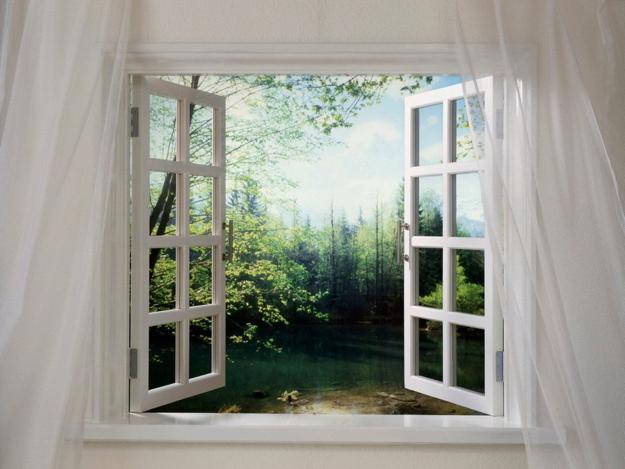
Have you ever wondered if opening your windows to let fresh air into your home really makes a difference? You might think it’s just about feeling a cool breeze, but there’s more to it than that.
Letting fresh air in can impact your health, mood, and even the air quality inside your house. You’ll discover why fresh air matters and how it can transform your living space. Keep reading to find out how a simple action can bring big benefits to you and your family.
Benefits Of Fresh Air Indoors
Fresh air inside the home brings many health and wellness benefits. It helps clear out stale air and reduces indoor pollution. Letting fresh air in improves the overall quality of your living space. Small changes like opening windows can make a big difference.
Improved Respiratory Health
Breathing fresh air helps clear your lungs and airways. It reduces dust, allergens, and indoor pollutants. This lowers the risk of respiratory problems like asthma or allergies. Fresh air supports better lung function and easier breathing every day.
Enhanced Mood And Energy
Fresh air boosts oxygen levels in your brain. This increases alertness and sharpens focus. It also helps reduce feelings of stress and anxiety. A well-ventilated room lifts your mood and makes you feel more energetic.
Better Sleep Quality
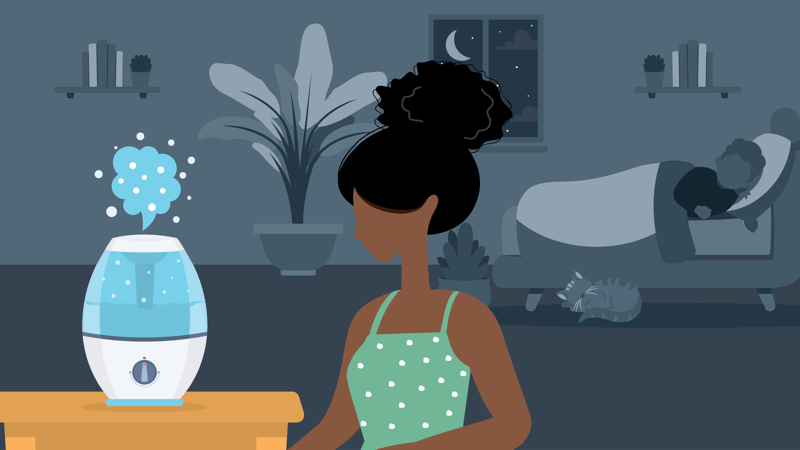
Good air circulation creates a comfortable sleep environment. Fresh air helps regulate room temperature and humidity. This makes falling asleep faster and improves deep sleep. Waking up refreshed becomes easier with fresh air indoors.
Credit: health.clevelandclinic.org
How Fresh Air Affects Indoor Air Quality
Fresh air plays a crucial role in improving the quality of the air inside your home. It helps remove harmful substances and balances the environment, making your living space healthier. Let’s take a closer look at how fresh air directly impacts indoor air quality.
Reduction Of Indoor Pollutants
Indoor air often contains pollutants like dust, pet dander, and volatile organic compounds (VOCs) from cleaning products or paints. Allowing fresh air in helps flush out these pollutants, reducing their concentration inside your home.
Have you noticed a stuffy room feels fresher after opening a window? That’s because outside air dilutes and replaces stale, polluted air. This simple action can lower the risk of respiratory problems and allergies.
Control Of Humidity Levels
Humidity inside your house can rise from cooking, showering, or even breathing. High humidity encourages dust mites and bacteria, which worsen air quality.
Fresh air helps regulate moisture by letting damp air escape and dry air enter. This balance keeps your home comfortable and less prone to problems caused by excess moisture.
Prevention Of Mold Growth
Mold thrives in damp, poorly ventilated spaces and can cause serious health issues. By bringing fresh air in, you reduce moisture buildup and limit mold growth.
Opening windows or using exhaust fans after activities like showering can prevent mold spores from settling. Have you checked hidden corners or behind furniture for mold? Fresh air is your first line of defense against these hidden dangers.
Fresh Air And Immune System Boost
Letting fresh air into your house plays a key role in boosting your immune system. Clean air helps your body fight illnesses better. It supports overall health by improving the way your body defends itself against germs and viruses. Breathing fresh air offers several benefits that strengthen your immune system naturally.
Exposure To Natural Elements
Fresh air brings natural elements like sunlight, pollen, and outdoor scents inside. These elements help your body adapt to the environment. They stimulate your immune system and prepare it to respond to threats. Being in touch with nature supports your body’s natural defenses.
Increased Oxygen Intake
Opening windows lets in more oxygen-rich air. Oxygen is vital for your cells and organs to work well. Higher oxygen levels improve blood circulation and energy. This helps your immune system stay strong and ready to fight infections.
Strengthening Body Defenses
Fresh air lowers indoor pollutants and harmful germs. Cleaner air reduces the burden on your immune system. Your body can focus on building defenses instead of fighting toxins. This leads to better health and fewer illnesses over time.

Credit: www.teahurumowai.co.nz
Potential Risks And Precautions
Allowing fresh air into your home can feel refreshing and healthy, but it’s important to consider the risks that might come with it. You want to enjoy the benefits without inviting trouble inside. Understanding these potential issues helps you make smarter choices about when and how to open your windows and doors.
Allergens And Outdoor Pollutants
Fresh air can carry more than just a pleasant breeze. Pollen, dust, and other allergens often enter your space, triggering sneezes or itchy eyes, especially if you suffer from allergies.
Outdoor pollutants like car exhaust or industrial emissions may also seep in, reducing indoor air quality instead of improving it. Have you noticed feeling worse after airing out your home during rush hour? Timing your ventilation for early mornings or late evenings can help reduce exposure.
Security Concerns
Opening windows or doors leaves your home more vulnerable to break-ins or unwanted visitors. It’s tempting to leave everything wide open on a warm day, but safety should be your priority.
Consider using window locks or security screens that let air flow while keeping intruders out. If you live in a busy or less secure neighborhood, think twice before leaving windows open overnight.
Weather Considerations
Weather changes can quickly turn your fresh air moment into a damp or chilly experience. Sudden rain, high humidity, or cold drafts can make your home uncomfortable and even damage furniture or walls.
Keep an eye on the forecast and use timers or sensors to control ventilation automatically. This way, you enjoy fresh air without the hassle of unexpected weather disruptions.
Tips For Bringing Fresh Air Indoors
Fresh air is essential for a healthy home environment. It helps reduce indoor pollution and improves overall well-being. Here are some effective tips for bringing fresh air indoors.
Optimal Ventilation Techniques
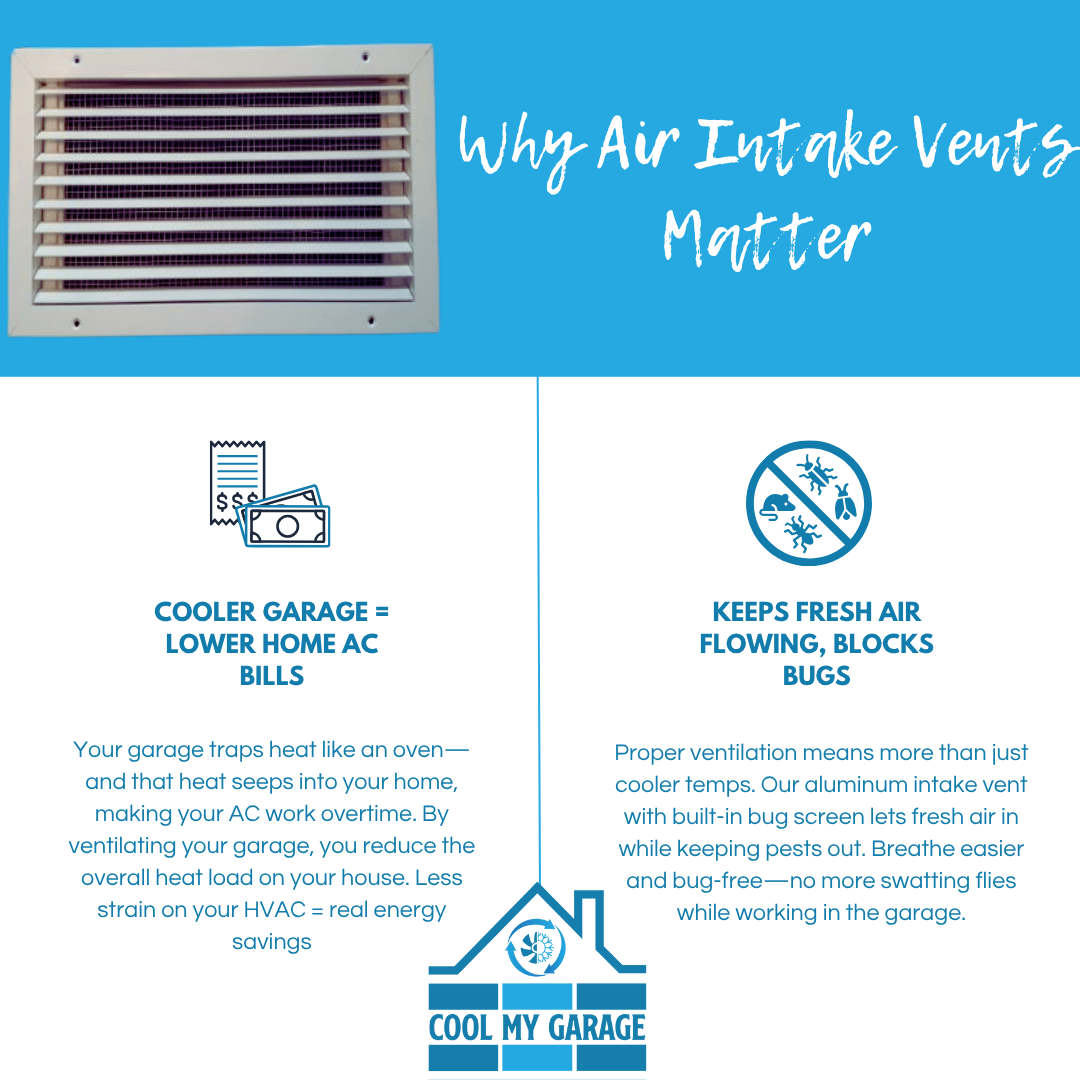
Ensure your home has proper ventilation. Consider using exhaust fans in kitchens and bathrooms. They help remove odors and moisture. Opening doors between rooms can also improve air circulation. Check and clean air vents regularly. This ensures they are free from dust and blockages.
Using Windows And Fans
Opening windows is a simple way to let fresh air in. Choose times when outdoor air is clean. Early morning is often best. Use fans to direct fresh air throughout your home. Place a fan near a window for better air flow. Ceiling fans can also help circulate air more efficiently.
Incorporating Indoor Plants
Indoor plants can improve air quality. They absorb pollutants and release oxygen. Popular choices include spider plants and peace lilies. Position them in well-lit areas for best results. Ensure plants are healthy and watered regularly. This keeps them effective in cleaning the air.
Credit: www.coolmygarage.com
Frequently Asked Questions
Why Is Fresh Air Important For Indoor Health?
Fresh air reduces indoor pollutants and improves oxygen levels. It lowers humidity, preventing mold growth. Proper ventilation enhances mental clarity and overall well-being. Opening windows regularly helps maintain a healthy living environment naturally and effectively.
How Often Should I Let Fresh Air In My House?
Ideally, open windows for 10-15 minutes daily. This allows air exchange without losing too much heat. Consistent ventilation prevents stale air buildup and reduces indoor allergens, making your home healthier and more comfortable.
Can Fresh Air Reduce Indoor Allergens And Pollutants?
Yes, fresh air dilutes indoor allergens like dust and pet dander. It also helps remove volatile organic compounds (VOCs) from household products. Proper ventilation decreases pollutant concentration, improving air quality and reducing allergy symptoms.
Does Letting Fresh Air In Affect Energy Bills?
Opening windows briefly has minimal impact on energy bills. However, prolonged ventilation during extreme weather can increase heating or cooling costs. Using timed ventilation balances fresh air benefits with energy efficiency.
Conclusion
Letting fresh air into your house helps improve air quality and mood. It reduces stuffiness and removes odors. Fresh air can lower indoor pollution and make breathing easier. Opening windows also brings natural sounds and light inside. Just remember to keep safety and weather in mind.
Small steps like this make your home feel healthier and more pleasant. Fresh air truly supports a better living space.



