
Have you ever wondered what the inside part of your AC unit is called? Knowing this can help you understand how your air conditioner works and make it easier to spot problems before they get worse.
Whether you want to fix a small issue or just learn more about your home’s cooling system, getting familiar with the key parts inside your AC unit is a smart move. Keep reading, and you’ll discover the name of that important component and why it matters to your comfort and your wallet.
Credit: blog.totalhomesupply.com
Indoor Unit Components
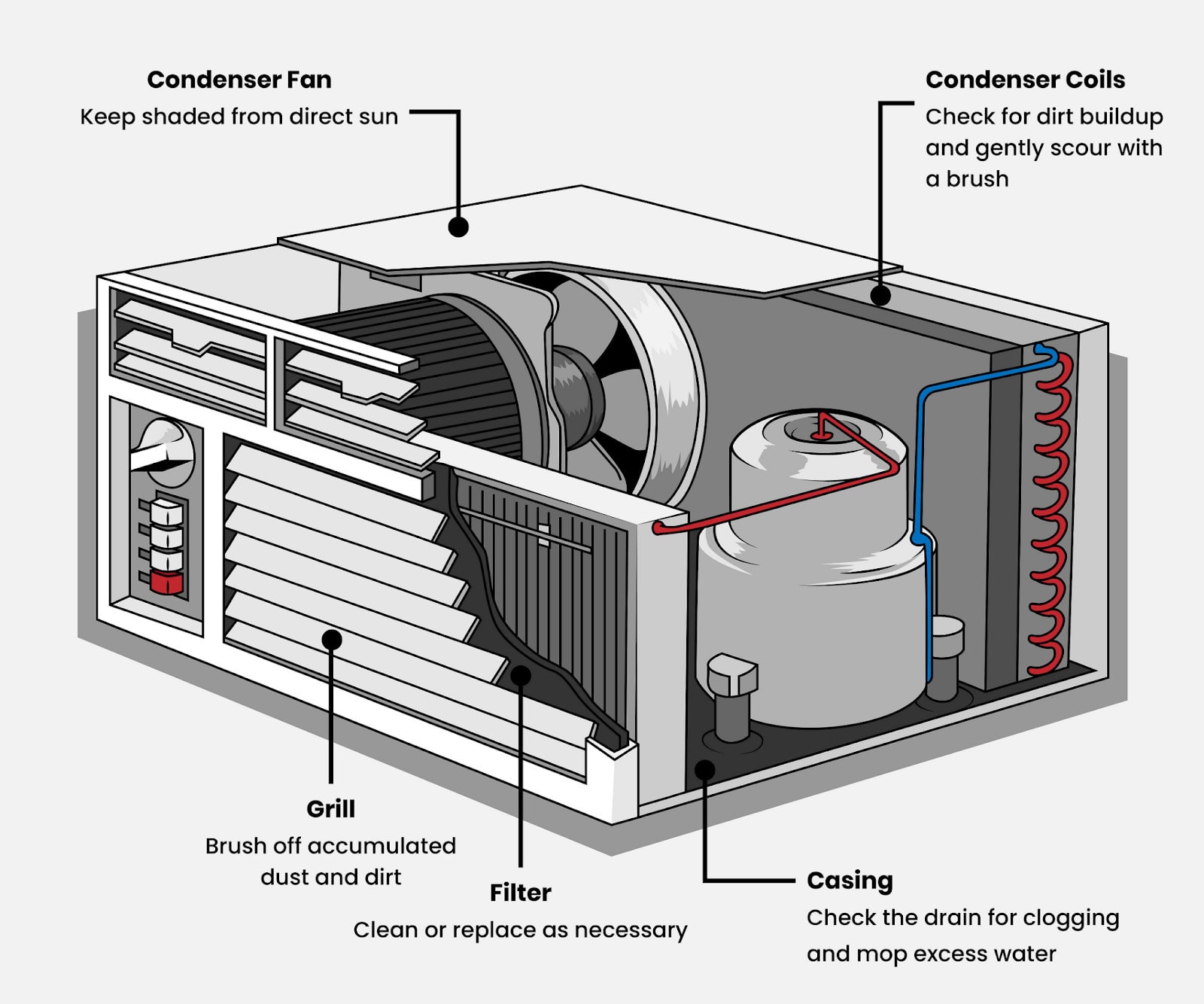
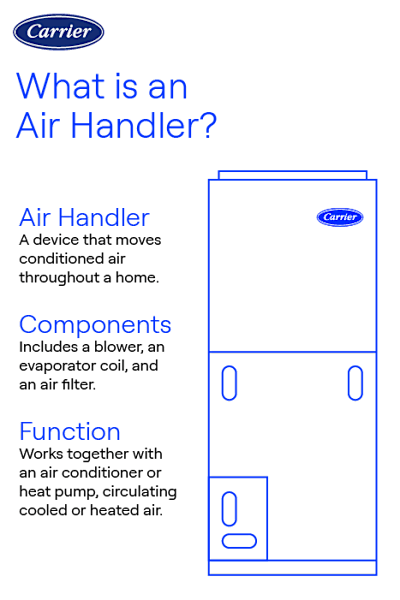
The indoor unit of an AC system plays a key role in cooling your room. It holds several parts that work together to circulate cool air. Understanding these parts helps you know how your air conditioner functions.
Each component has a specific job. Together, they ensure the air is cooled, filtered, and blown into the room efficiently.
Evaporator Coil
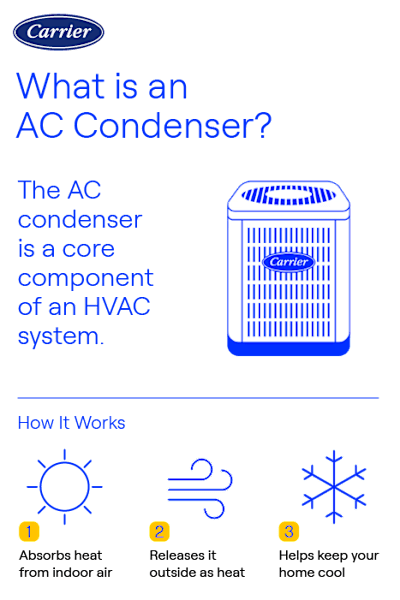
The evaporator coil is where the cooling happens. It absorbs heat from the air inside your home. The refrigerant inside the coil changes from liquid to gas as it takes in heat.
Blower Fan
The blower fan moves air over the evaporator coil. This air picks up coolness and flows into your living space. It controls the airflow and ensures even cooling.
Air Filter
The air filter traps dust, dirt, and pollen from the air. Clean air helps the AC work better and keeps your room fresh. Filters need regular cleaning or replacing.
Condensation forms on the evaporator coil. The drain pan collects this water. The drain line carries it outside to prevent leaks and water damage.
Thermostat Sensor
The thermostat sensor measures room temperature. It tells the system when to turn on or off. This keeps your room at the right temperature.
Credit: www.carrier.com
Evaporator Coil Role
The evaporator coil is a key part of your AC unit’s inside mechanism. It plays a critical role in cooling the air that circulates through your home. Without it, your AC wouldn’t be able to perform its main job—keeping you comfortable on hot days.
How The Evaporator Coil Cools The Air
The evaporator coil absorbs heat from the indoor air. As warm air passes over the coil, the refrigerant inside it evaporates, pulling heat away from the air. This process cools the air before it moves back into your rooms.
Why Cleanliness Of The Evaporator Coil Matters
A dirty coil can block airflow and reduce cooling efficiency. Dust and grime act like insulation, making it harder for the coil to absorb heat. Regular maintenance can prevent costly repairs and keep your AC running smoothly.
Signs Your Evaporator Coil Needs Attention
- Reduced cooling performance
- Higher energy bills without increased usage
- Ice forming on the coil
- Unusual odors or moisture buildup
If you notice any of these, check your coil or call a professional. Ignoring these signs can lead to bigger problems down the road.
How To Protect Your Evaporator Coil
- Change or clean air filters regularly
- Keep the area around your indoor unit clean
- Schedule professional inspections annually
Simple steps like these extend the life of your coil and improve overall AC performance. Have you checked your AC coil lately?
Blower Fan Function
The blower fan is a key part inside an AC unit. It moves air through the system and into your home. This part helps cool the air by pushing it over cold coils. Without the blower fan, the AC cannot send cool air into your rooms.
The blower fan also helps remove warm air from inside the house. It pulls air from your rooms and pushes it through the AC system. This process keeps your home comfortable and cool during hot days.
How The Blower Fan Works
The blower fan has blades that spin fast. These blades push air through the AC’s evaporator coil. As air moves over the coil, it cools down. Then the fan sends the cool air into your living space.
Electric motors power the blower fan. When the AC is on, the motor starts the fan blades spinning. The speed of the blower fan can change to control airflow in your home.
Types Of Blower Fans In Ac Units
- Forward Curved:Quiet and good for low-speed airflow.
- Backward Curved:More efficient and handles higher pressure.
- Squirrel Cage:Common in many home AC systems.
Signs Of A Problem With The Blower Fan
- Weak airflow from vents
- Unusual noises coming from the AC
- Overheating of the AC unit
- AC not cooling properly
Regular maintenance helps keep the blower fan working well. Cleaning or replacing the fan if needed improves AC performance.
Air Filter Importance
The air filter inside an AC unit plays a key role in keeping the air clean. It traps dust, dirt, and other particles. Without a good filter, these particles can harm the AC and lower air quality.
Regularly checking and replacing the air filter helps the unit run smoothly. It also improves the air you breathe indoors. Clean filters lead to better cooling and lower energy bills.
What Does The Air Filter Do?
The air filter stops dust, pollen, and pet hair from entering the system. It protects the AC’s internal parts from damage. This keeps the unit efficient and extends its life.
Signs Of A Dirty Air Filter
- Reduced airflow from vents
- Unusual noises from the AC
- Higher energy bills
- More dust around your home
- Allergy symptoms worsening
How Often To Change The Air Filter
Check the filter every 1 to 3 months. Homes with pets or allergies may need more frequent changes. Always follow the AC manufacturer’s advice for best results.
Benefits Of A Clean Air Filter
- Improves indoor air quality
- Protects the AC unit
- Increases energy efficiency
- Reduces repair costs
- Helps maintain consistent cooling
Drain Pan And Line
The drain pan and line are essential parts inside an AC unit. They help manage the water produced during the cooling process. Without these components, water could leak and cause damage to your home or the AC system itself.
The drain pan catches the water that forms when the air conditioner cools the air. This water is called condensate. It collects in the pan and then flows out through the drain line. The drain line moves the water safely outside or to a drain.
What Is A Drain Pan?
The drain pan is a shallow container below the evaporator coil. It collects the condensate water to prevent leaks. The pan is usually made of metal or plastic. It needs to be clean and free of cracks. A damaged pan can cause water to spill inside the unit.
Purpose Of The Drain Line
The drain line carries water from the drain pan out of the AC unit. It usually runs outside the house or to a floor drain. This pipe keeps water from pooling inside the AC unit. Blocked or clogged drain lines can cause water backups and damage.
Signs Of Drain Pan And Line Problems
- Water leaking around the AC unit
- Musty or moldy smells near the air handler
- Unit shutting off unexpectedly
- Visible rust or cracks on the drain pan
- Slow or no water draining from the line
Maintenance Tips For Drain Pan And Line
- Check and clean the drain pan regularly
- Clear the drain line with a vacuum or brush
- Inspect for cracks or rust on the pan
- Use a bleach solution to prevent mold growth
- Schedule annual HVAC maintenance checks
Credit: www.carrier.com
Thermostat And Sensors
Inside an AC unit, the thermostat and sensors control temperature and system operation. They help keep your room cool and comfortable. Sensors detect heat changes and send signals to adjust the cooling power.
The heart of any inside AC unit is its thermostat and sensors. These components work together to maintain the ideal temperature in your home. They ensure your living space is comfortable, regardless of the sweltering heat outside. Let’s dive into how these crucial elements function within your air conditioning system.What Is A Thermostat?
The thermostat is the control center of your AC unit. It allows you to set your desired temperature with ease. Once set, it continuously monitors indoor conditions and tells the AC when to kick in or take a break. Think of it as the remote control for your comfort.Importance Of Sensors
Sensors play a pivotal role in your AC system. They detect temperature changes and inform the thermostat of any variations. This ensures the AC maintains a consistent environment, adjusting cooling levels as needed. Without sensors, your AC wouldn’t know when to start or stop.How They Work Together
The partnership between the thermostat and sensors is seamless. Sensors gather real-time data and send it to the thermostat. The thermostat then processes this data to make decisions. This teamwork keeps your home at the perfect temperature, saving energy in the process.Common Issues And Solutions
Sometimes, thermostats or sensors can malfunction. This might result in uneven cooling or the AC running non-stop. Regular maintenance can prevent these issues. If you notice unusual behavior, it might be time to check or replace these components.Why Upgrading Might Be Beneficial
Upgrading to a smart thermostat can enhance your AC’s efficiency. Smart thermostats learn your preferences and can be controlled via smartphone. They provide more precise temperature control and can even reduce energy bills. Is your current thermostat keeping up with your lifestyle? Understanding the thermostat and sensors in your AC unit can elevate your comfort and efficiency. With a bit of attention, these components can ensure a perfectly chilled home, tailored just for you.Electrical Controls
The electrical controls inside an AC unit are the brain behind its operation. They manage how the unit powers on, cycles through cooling phases, and responds to your thermostat settings. Understanding these controls can help you troubleshoot issues or communicate better with HVAC professionals.
Think about your AC unit suddenly shutting off or not cooling properly. Often, the root cause lies in a faulty electrical control component rather than the entire system. Knowing what these parts do gives you a clearer picture of what might be wrong.
Control BoardThe control board acts like the command center of your AC unit. It receives signals from the thermostat and sends power to different parts like the compressor and fan. If the board malfunctions, your AC might not start or could behave erratically.
Control boards vary in complexity. Some are simple circuit boards with relays, while others have microprocessors. This variety means repairs can range from replacing a fuse to swapping out the whole board.
Relays and ContactorsRelays and contactors are switches that control the flow of electricity to major components. They handle high voltage and ensure that parts like the compressor get powered on and off safely. If these fail, your unit may hum but won’t cool.
These components are sensitive to electrical surges and wear out over time. Regular inspection can save you from unexpected breakdowns during hot summer days.
CapacitorsCapacitors store and release electrical energy to help start the compressor and fan motors. Without a working capacitor, your AC might struggle to start or run inefficiently. It’s like giving your unit a jump-start each time it turns on.
Capacitors are inexpensive but critical. A quick visual check for bulging or leaking can tell you if one needs replacement before it causes bigger problems.
Fuses and Circuit BreakersFuses and circuit breakers protect your AC unit from electrical overloads. They act as safety guards, cutting off power if something goes wrong. If your unit suddenly stops working, checking these first can save time and effort.
Remember, repeatedly tripped breakers might signal deeper electrical issues. Don’t just reset and forget—dig into the cause to avoid damage.
Are you paying enough attention to your AC unit’s electrical controls? A little knowledge here can prevent costly repairs and keep your system running smoothly all year round.
Common Maintenance Tips
The inside AC unit is called the evaporator coil. Regular cleaning keeps it free from dust and improves cooling. Checking the coil helps maintain the AC’s efficiency.
Maintaining your inside AC unit, often called the evaporator unit, is essential to ensure it runs efficiently and lasts longer. Regular maintenance can prevent unexpected breakdowns and keep your home comfortable. Here are some practical tips to help you keep your unit in top shape.Check And Replace Air Filters Regularly
Air filters trap dust, pollen, and other particles, preventing them from circulating in your home. Over time, these filters become clogged and can reduce airflow. Make it a habit to check them every month, especially during peak usage times.Clean The Evaporator Coils
Dust and dirt can accumulate on the evaporator coils, reducing their efficiency. Cleaning them annually can help maintain proper airflow and cooling performance. Simply use a soft brush or cloth to gently remove any debris.Inspect The Condensate Drain
The condensate drain can become clogged with dirt or algae, leading to water damage or system shutdowns. Ensure it’s clear by flushing it with a mixture of water and vinegar periodically. This simple step can save you from costly repairs.Ensure Proper Airflow
Blocked vents or registers can strain your AC unit. Keep furniture, curtains, and other objects away from them. This ensures your system doesn’t overwork itself, maintaining a balanced temperature throughout your home.Schedule Professional Maintenance
While DIY maintenance is crucial, a professional check-up can uncover issues you might overlook. Consider scheduling a tune-up before the cooling season starts. A professional technician can fine-tune your system for optimal performance. Regular maintenance not only extends the life of your unit but also ensures it’s running efficiently. Have you checked your AC unit lately? Taking these steps can prevent small issues from turning into big problems.Frequently Asked Questions
What Is The Inside Part Of An Ac Unit Called?
The inside part of an AC unit is called the evaporator coil. It absorbs heat from indoor air to cool your home efficiently.
How Does The Evaporator Coil Work In Ac Units?
The evaporator coil cools air by circulating refrigerant. Warm air passes over the coil, and heat transfers to the refrigerant.
What Components Are Inside The Indoor Ac Unit?
Inside the indoor AC unit, you find the evaporator coil, air filter, blower fan, and expansion valve. These parts work together to cool air.
Why Is The Evaporator Coil Important In Air Conditioning?
The evaporator coil is vital because it removes heat from the indoor air. This process cools your home and maintains comfort.
Conclusion
The inside AC unit is called the evaporator coil. It cools the air by absorbing heat. This part works with the compressor and condenser outside. Keeping it clean helps your AC run well. Knowing the parts helps you understand your system better.
Regular care can save money on repairs. Now, you can identify the key part inside your AC unit. Simple knowledge leads to better home comfort.



