
Have you ever wondered why some rooms feel fresher and more comfortable than others? The secret often lies in whether the space is a well ventilated area.
Understanding what makes an area well ventilated can change how you think about your home, office, or any indoor space you spend time in. When you know the key signs and benefits of good ventilation, you can improve your health, boost your energy, and create a safer environment for yourself and those around you.
Keep reading to discover what exactly a well ventilated area is and why it matters so much to your daily life.
Importance Of Well Ventilated Spaces
Well ventilated spaces play a crucial role in daily life. They allow fresh air to flow, removing stale air and pollutants. Proper ventilation helps maintain a healthy and comfortable environment. It supports physical well-being and mental clarity.
Impact On Health
Poor ventilation traps harmful particles indoors. This can cause headaches, dizziness, and allergies. Well ventilated areas reduce the risk of respiratory problems. They help control humidity, lowering mold and bacteria growth. Good airflow supports better breathing and overall health.
Effects On Indoor Air Quality
Fresh air dilutes indoor pollutants like dust and chemicals. It removes unpleasant odors and carbon dioxide. Proper ventilation keeps air clean and safe to breathe. This reduces the chance of airborne illnesses. Cleaner air creates a healthier home and workplace.
Benefits For Comfort And Productivity
Good ventilation keeps temperatures balanced and fresh. It prevents stuffiness and reduces fatigue. People feel more alert and focused in ventilated spaces. Comfortable air quality improves mood and work performance. Well ventilated rooms create a pleasant atmosphere for everyone.
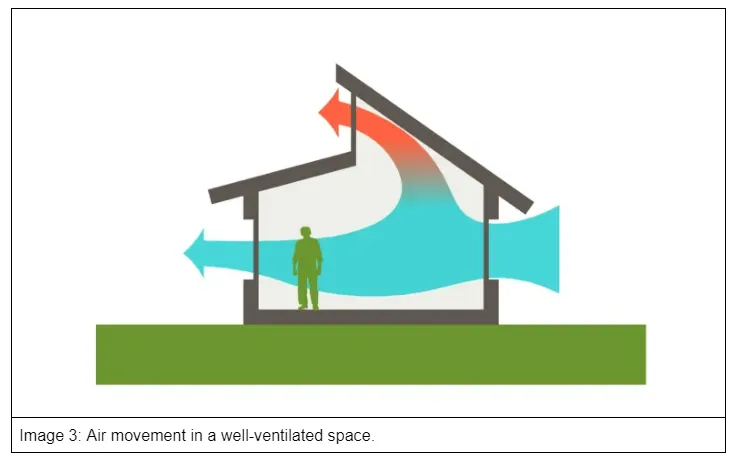
Credit: www.organo.co.in
Key Features Of Well Ventilated Areas
A well ventilated area ensures fresh air flows freely, removing stale air and pollutants. It helps maintain comfort and health by balancing humidity and temperature. Understanding key features of such spaces reveals how air moves and what systems support ventilation.
Airflow Patterns
Airflow patterns describe how air moves through a space. Proper airflow avoids air pockets where stale air can gather. Good ventilation creates a steady, gentle movement of air. This movement helps carry away odors and airborne particles. It also prevents the buildup of harmful gases.
Ventilation Types
Ventilation can be natural or mechanical. Natural ventilation uses openings like windows and vents. It depends on wind and temperature differences. Mechanical ventilation involves fans and ducts. It controls airflow regardless of outside weather. Both types can work together for better air quality.
Role Of Natural And Mechanical Ventilation
Natural ventilation saves energy by using outdoor air. It is simple and cost-effective but can be less predictable. Mechanical ventilation offers consistent airflow control. It removes indoor pollutants efficiently. Combining both methods ensures fresh air all day. This balance supports health and comfort in any environment.
Common Indicators Of Poor Ventilation
Poor ventilation in a room or building causes many problems. It affects air quality and comfort. Knowing common signs helps identify and fix issues early. These signs show if air does not move properly. Poor airflow can damage health and property.
Signs Of Stale Air
Stale air feels heavy and unpleasant. It often smells musty or like old dust. Lack of fresh air causes this. You may notice a stuffy room even with windows open. Breathing may feel harder, especially during activity. Stale air means pollutants and odors stay trapped inside.
Humidity And Mold Issues
High humidity is a clear sign of poor ventilation. Moisture builds up on walls, windows, and ceilings. This creates damp spots and water stains. Mold grows in these wet areas quickly. Mold looks like black, green, or white patches. It damages surfaces and lowers indoor air quality.
Health Symptoms Linked To Poor Airflow
Many health problems relate to bad ventilation. People may have headaches and dizziness after staying indoors. Coughing, sneezing, or sore throats happen often. Allergies and asthma symptoms can worsen. Fatigue and difficulty concentrating also occur. These symptoms improve when fresh air flows well.
Designing And Maintaining Ventilated Spaces
A well ventilated area allows fresh air to flow freely, removing stale air and moisture. This improves comfort and keeps the space healthy. Proper design and regular upkeep help maintain good airflow and prevent stuffiness.
Designing and maintaining a well-ventilated area is crucial for ensuring comfort and health in any space. Whether it’s your home, office, or any other building, proper ventilation can significantly improve air quality and energy efficiency. The challenge often lies in understanding the best practices for setting up and keeping these systems effective.Choosing Effective Ventilation Systems
Selecting the right ventilation system is the first step towards a well-ventilated area. Consider options like natural ventilation, mechanical systems, or hybrid models based on your specific needs. Assess the size of the space, local climate, and occupancy levels to determine what system fits best. Natural ventilation leverages windows and vents, reducing energy consumption. Mechanical systems like HVAC provide consistent airflow, ideal for larger buildings. A hybrid system can offer the best of both worlds, balancing energy efficiency with performance.Placement Of Vents And Openings
Strategic placement of vents and openings plays a pivotal role in effective ventilation. Ensure vents are positioned to promote cross-ventilation, allowing fresh air to flow freely. High and low vent placements can help circulate air efficiently, removing stale air and bringing in fresh air. Consider the layout of your space—are there areas prone to stagnation? Position vents to target these spots. Keep obstructions away from openings to ensure unobstructed airflow.Regular Maintenance Tips
Regular maintenance is key to a long-lasting ventilation system. Schedule routine checks to ensure all components function properly. Clean vents and filters to prevent dust and debris buildup. Listen for unusual noises or changes in air quality—these could signal a problem. Address issues promptly to maintain efficiency and prevent costly repairs. Would you know how to react if your system suddenly failed? Being proactive can save you time and stress. By focusing on these aspects, you’ll create a healthier, more comfortable environment for everyone. Isn’t it worth investing a little time and effort to breathe easier every day?Ventilation Standards And Guidelines
Ventilation standards and guidelines ensure that indoor spaces remain healthy and comfortable. They provide clear rules on how air should move and be replaced in buildings. Following these standards helps prevent problems like stale air, moisture buildup, and harmful pollutants. Understanding these rules is key to creating well-ventilated areas.
Building Codes And Regulations
Building codes set minimum ventilation requirements for homes and workplaces. These rules vary by country and region but share common goals. They focus on air quality, safety, and occupant health. Builders and designers must follow these codes during construction and renovation. Inspectors check that ventilation systems meet these standards before approving a building.
Recommended Air Exchange Rates
Air exchange rates measure how often indoor air is replaced with fresh air. Proper rates keep air fresh and reduce harmful substances. For example, residential buildings usually need about 0.35 air changes per hour. Commercial buildings might require higher rates. These numbers can change based on room size and use. Correct air exchange prevents odors, moisture, and airborne germs.
Energy Efficiency Considerations
Good ventilation balances fresh air with energy use. Excessive ventilation can waste heating or cooling energy. Modern systems use heat recovery ventilators to save energy. They transfer heat between outgoing and incoming air. This method keeps indoor air fresh without high energy costs. Efficient ventilation lowers bills and reduces environmental impact.
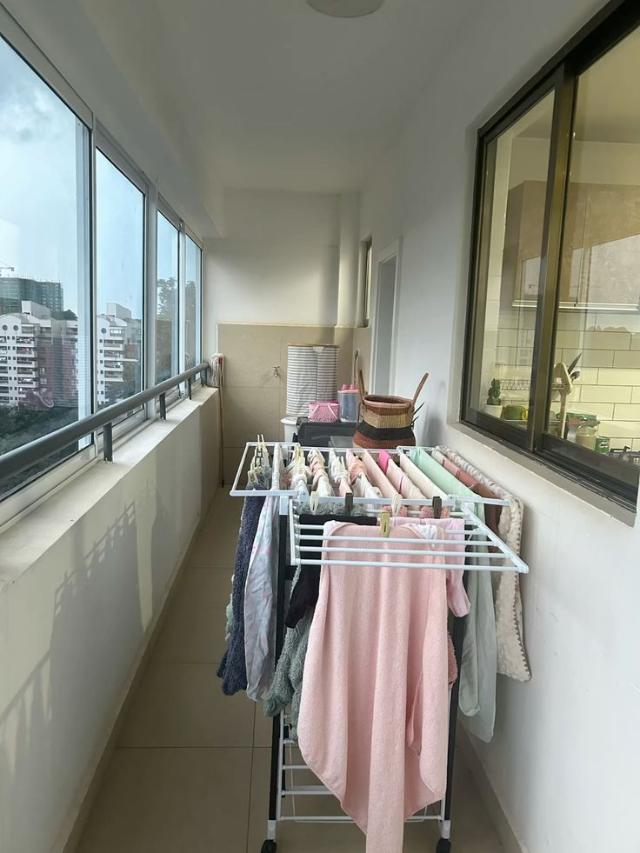
Credit: www.magicbricks.com
Improving Ventilation In Existing Spaces
Improving ventilation in existing spaces enhances air quality and comfort. It reduces moisture, odors, and harmful pollutants. Small changes can make a big difference. A few simple steps help fresh air flow better in any room.
Simple Diy Solutions
Open windows and doors to increase airflow. Use fans to push stale air outside and pull fresh air in. Keep vents and airways clean and clear of obstructions. Place houseplants that improve indoor air quality. Use exhaust fans in kitchens and bathrooms regularly.
Upgrading Ventilation Equipment
Install modern fans with higher airflow capacity. Replace old vents with adjustable ones for better control. Use energy-efficient ventilation systems to save power. Consider adding heat recovery ventilators to exchange indoor and outdoor air while keeping temperature steady. Check ductwork for leaks and fix them quickly.
Using Air Purifiers And Humidifiers
Air purifiers remove dust, allergens, and pollutants from the air. Choose models with HEPA filters for best results. Humidifiers add moisture to dry air, preventing irritation and dryness. Use both devices in combination for balanced air quality. Place them in areas where you spend most time for maximum effect.
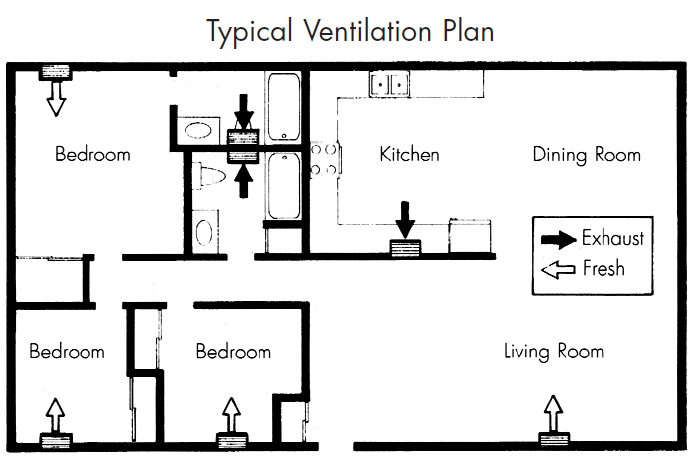
Credit: www.jlconline.com
Frequently Asked Questions
What Defines A Well Ventilated Area?
A well ventilated area allows fresh air to flow freely. It reduces humidity and removes pollutants. This improves air quality and comfort in indoor spaces. Proper ventilation prevents mold growth and controls odors effectively.
Why Is Good Ventilation Important Indoors?
Good ventilation ensures fresh air circulation indoors. It lowers harmful pollutants and allergens. This helps maintain health and comfort. Proper airflow also prevents moisture buildup and structural damage in buildings.
How Can I Improve Ventilation At Home?
Open windows and doors regularly to increase airflow. Use exhaust fans in kitchens and bathrooms. Adding vents or air purifiers also helps. These steps enhance air quality and reduce indoor pollutants.
What Are Common Signs Of Poor Ventilation?
Signs include stale air, musty odors, and condensation on windows. You may also notice mold growth and frequent allergies. Poor ventilation causes discomfort and health issues. Addressing it improves indoor air quality.
Conclusion
A well ventilated area keeps air fresh and reduces moisture. It helps remove bad smells and harmful gases. Good airflow supports health and comfort. Spaces with proper ventilation feel cooler and cleaner. Simple changes can improve ventilation in any room.
Always choose areas with enough windows or vents. Fresh air makes a big difference every day. Remember, healthy air means a happier home or workplace.



