
Have you ever stopped to think about how your body gets the air it needs to keep you alive and active? The process of ventilation in the respiratory system is the key to this life-sustaining function.
Understanding what ventilation is and how it works can help you appreciate every breath you take. You’ll discover how your lungs move air in and out, why this process is so vital, and what happens when it doesn’t work properly.
Keep reading to unlock the secrets of your breathing and learn how to support your respiratory health every day.

Credit: saffron4health.com
Role Of Ventilation
The role of ventilation in the respiratory system is crucial for life. It moves air in and out of the lungs, allowing the body to take in oxygen and release carbon dioxide. Without ventilation, cells would not get the oxygen they need to function. It supports every breath and keeps the body’s systems running smoothly.
Airflow Mechanics
Ventilation depends on the movement of air through the airways. During inhalation, the diaphragm and chest muscles expand the lungs. This creates a lower pressure inside the lungs, pulling air in. During exhalation, these muscles relax, pushing air out. This simple push and pull keeps air flowing constantly.
Gas Exchange Importance
Ventilation brings fresh air to the alveoli, tiny sacs in the lungs. Oxygen passes from the alveoli into the blood. At the same time, carbon dioxide moves from the blood to the alveoli. This exchange is vital to remove waste gases and supply oxygen to the body. Efficient ventilation ensures this process happens smoothly every second.
Components Involved
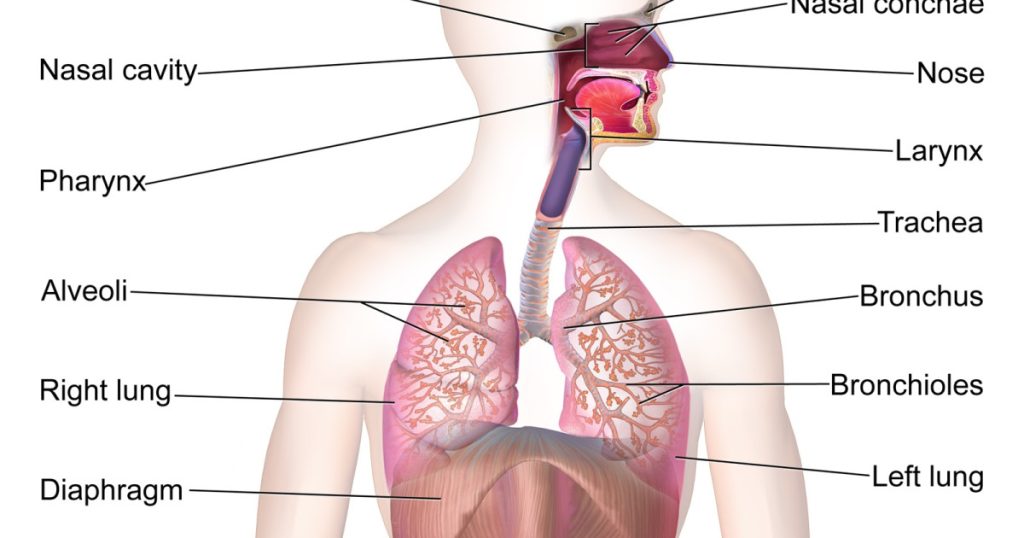
The process of ventilation in your respiratory system relies on several key components working together seamlessly. These components ensure air moves efficiently in and out of your lungs, supplying oxygen and removing carbon dioxide. Understanding these parts helps you appreciate how your body supports every breath you take.
Upper Respiratory Tract
The upper respiratory tract includes your nose, nasal cavity, sinuses, and throat (pharynx). These structures warm, filter, and humidify the air before it reaches your lungs. Have you noticed how your nose runs when you breathe in cold air? That’s your upper respiratory tract protecting your lungs.
Your nose hairs trap dust and particles, preventing them from reaching deeper parts. The mucous lining adds moisture, making air easier to handle for your sensitive lung tissues.
Lower Respiratory Tract
The lower respiratory tract consists of the larynx, trachea, bronchi, and lungs. This is where the air travels after passing through the upper tract. The trachea splits into two bronchi, each leading to a lung, where air reaches tiny air sacs called alveoli.
Alveoli play a crucial role as the site for gas exchange. Oxygen moves into your blood, and carbon dioxide leaves it here. Think about how crucial this exchange is for your energy and overall health.
Muscles Of Breathing
The muscles of breathing include the diaphragm and intercostal muscles between your ribs. The diaphragm contracts and moves downward to create space in your chest, pulling air in. When it relaxes, air is pushed out of your lungs.
Intercostal muscles support this action by expanding and contracting the rib cage. If you’ve ever felt short of breath after running, it’s because these muscles and your lungs are working hard to meet your oxygen demands.
Types Of Ventilation
Ventilation in the respiratory system occurs in different forms. These types control how air moves in and out of the lungs. Each type serves a specific purpose based on the body’s needs. Understanding these types helps explain how breathing adapts to various situations.
Quiet Breathing
Quiet breathing is the normal, automatic process of inhaling and exhaling. It happens when the body is at rest. The diaphragm and intercostal muscles work gently to move air. This type of breathing requires little effort. It maintains a steady flow of oxygen to the body.
Forced Breathing
Forced breathing occurs during activities needing more oxygen. Examples include exercise or heavy lifting. The body uses extra muscles like those in the chest and neck. These muscles help pull more air into the lungs quickly. Forced breathing allows faster oxygen delivery and carbon dioxide removal.
Control Of Ventilation
Understanding ventilation in the respiratory system involves knowing how air moves in and out of the lungs. The brain controls this process to ensure oxygen enters the body and carbon dioxide exits. Proper ventilation is vital for maintaining healthy lung function and overall well-being.
The control of ventilation in the respiratory system is vital for life. It ensures that the body receives enough oxygen. It also helps remove carbon dioxide efficiently. This process is essential for maintaining the body’s pH balance. Ventilation is controlled by both neural and chemical mechanisms. Each plays a unique role in managing breathing patterns.Neural Regulation
The brain plays a crucial role in controlling breathing. The medulla oblongata is responsible for this. It sets the rhythm of breathing. The pons also assists in regulating the pace and depth. These brain parts send signals to the respiratory muscles. They ensure a steady and efficient breathing cycle. Nerves transmit these signals to the diaphragm and intercostal muscles. These muscles contract to draw air into the lungs. This process is automatic and requires no conscious effort. The nervous system can adjust breathing rates. This depends on the body’s needs, such as during exercise.Chemical Regulation
Chemoreceptors in the body monitor levels of carbon dioxide and oxygen. They are located in the carotid arteries and the aorta. These sensors detect changes in blood gas levels. Increased carbon dioxide leads to a drop in blood pH. This triggers chemoreceptors to signal the brain. The brain responds by increasing the rate and depth of breathing. This helps expel more carbon dioxide. It also draws in more oxygen. This regulation ensures that blood gases remain balanced. Both neural and chemical controls work together seamlessly. They maintain effective and efficient breathing.Factors Affecting Ventilation
Ventilation is the process of moving air in and out of the lungs. Several factors influence how well this process works. Understanding these factors helps explain how breathing adapts to different conditions. Changes in lung structure, airway size, and environment can all affect ventilation.
Lung Compliance
Lung compliance means how easily the lungs stretch during breathing. High compliance means lungs expand easily. Low compliance means lungs are stiff and hard to inflate. Diseases like fibrosis reduce lung compliance. This makes breathing difficult and shallow. Healthy lungs have good compliance for smooth breathing.
Airway Resistance
Airway resistance is the effort needed to move air through airways. Narrow or blocked airways increase resistance. Asthma and bronchitis cause airway narrowing. This makes it harder to breathe out air. Large airways have less resistance than small ones. Lower resistance means easier airflow and better ventilation.
Environmental Influences
The environment affects ventilation in many ways. High altitude lowers oxygen levels in the air. This reduces oxygen intake during breathing. Polluted air can irritate airways and increase resistance. Cold air may cause airways to narrow. Proper ventilation depends on clean, oxygen-rich air.

Credit: www.magonlinelibrary.com
Common Disorders
Ventilation in the respiratory system can be affected by several common disorders. These conditions impact the way air moves in and out of the lungs. Understanding these disorders helps in recognizing symptoms early and seeking treatment.
Each disorder affects breathing differently. Some cause airway obstruction, while others weaken the muscles needed for breathing. Learning about these issues supports better respiratory health.
Asthma
Asthma is a chronic condition that narrows the airways. It causes wheezing, coughing, and shortness of breath. Triggers include allergens, exercise, and cold air. During an asthma attack, airflow is limited, making breathing difficult.
Chronic Obstructive Pulmonary Disease
Chronic Obstructive Pulmonary Disease (COPD) includes emphysema and chronic bronchitis. It blocks airflow and makes breathing hard. Smoking is a major cause. Symptoms worsen over time, causing persistent cough and mucus production.
Respiratory Muscle Weakness
Respiratory muscle weakness reduces the ability to breathe deeply. It can result from nerve damage or muscle diseases. Weak muscles make ventilation less efficient. This leads to fatigue and low oxygen levels in the blood.
Measurement Techniques
Measurement techniques in the respiratory system help track lung health and breathing efficiency. They provide clear data on how well air moves in and out of the lungs. These techniques are vital for diagnosing and managing respiratory diseases.
Spirometry
Spirometry measures the volume of air a person can breathe out after a deep breath. It records the speed and amount of air exhaled. This test helps detect conditions like asthma and chronic obstructive pulmonary disease (COPD).
The device used is called a spirometer. Patients breathe into a mouthpiece connected to the spirometer. The results show lung capacity and airflow rates. Doctors use these results to assess lung function and track treatment progress.
Peak Flow Monitoring
Peak flow monitoring measures the fastest speed of air a person can blow out. It is simple and can be done at home. This technique helps people with asthma check their breathing daily.
The device used is a small, handheld meter. Users take a deep breath and blow hard into the meter. The reading indicates airway openness. Regular monitoring helps detect early signs of breathing problems.

Credit: www.sciencedirect.com
Frequently Asked Questions
What Is Ventilation In The Respiratory System?
Ventilation is the process of moving air in and out of the lungs. It enables oxygen intake and carbon dioxide removal. This exchange supports cellular respiration and keeps the body functioning efficiently.
How Does Ventilation Affect Breathing Efficiency?
Ventilation ensures fresh air reaches the lungs, boosting oxygen supply. Proper ventilation removes carbon dioxide, preventing buildup. Efficient ventilation maintains healthy blood gas levels and supports overall respiratory health.
What Muscles Are Involved In Respiratory Ventilation?
The diaphragm and intercostal muscles mainly control ventilation. The diaphragm contracts to expand the chest cavity. Intercostal muscles help lift and expand the ribs for air intake. These muscles work together for effective breathing.
Why Is Ventilation Important For Oxygen Exchange?
Ventilation brings oxygen-rich air to alveoli where gas exchange occurs. It removes carbon dioxide from the bloodstream. Without ventilation, oxygen supply drops and carbon dioxide accumulates, impairing cell function and health.
Conclusion
Ventilation helps air move in and out of your lungs. It brings oxygen to your body and removes carbon dioxide. This process keeps your cells healthy and working well. Breathing deeply and regularly supports good ventilation. Understanding how ventilation works can help you take better care of your lungs.
It plays a key role in your overall health. Remember, healthy breathing means a healthier life. Simple habits can improve your lung function every day. Keep your airways clear and enjoy fresh air often. Your body thanks you for good ventilation.



