
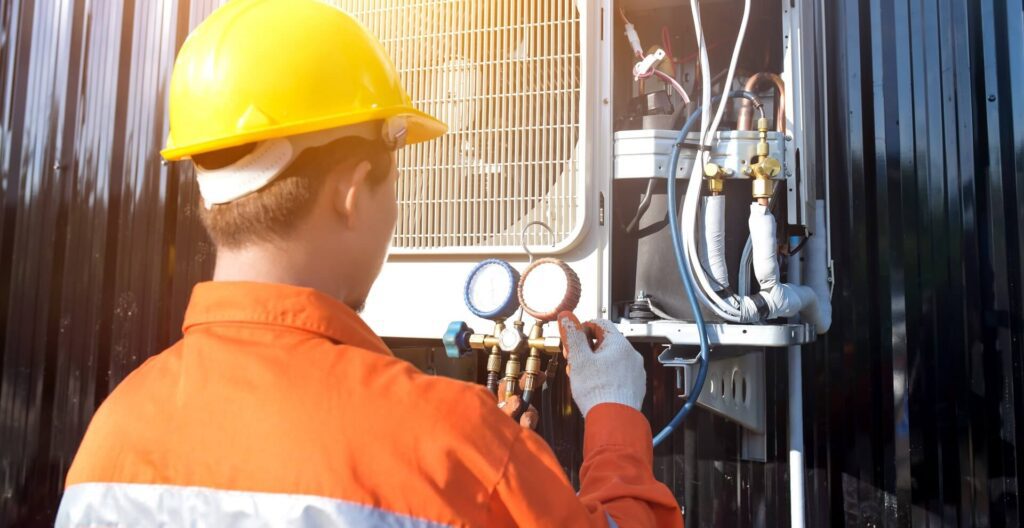
Are you ready to start a career that keeps the world comfortable and running smoothly? Becoming an HVAC technician can open doors to a steady job with great pay and plenty of opportunities.
But how do you get there? What skills do you need, and what steps should you take to stand out? This guide will walk you through everything you need to know to become a confident, skilled HVAC technician. Keep reading, and you’ll discover the clear path to building a career that works for you.
Skills Needed
Becoming an HVAC technician requires a mix of specific skills that go beyond just understanding heating and cooling systems. These skills help you handle day-to-day challenges, interact well with customers, and perform physically demanding tasks efficiently. Let’s break down the essential skills you need to develop to succeed in this career.
Technical Skills
Strong technical knowledge is the backbone of an HVAC technician’s work. You need to understand how different heating, ventilation, and air conditioning systems operate, including electrical components, refrigeration cycles, and thermostat controls.
Practical skills like reading blueprints, using diagnostic tools, and installing complex equipment are crucial. If you enjoy working with your hands and figuring out how things function, you’ll find this part rewarding.
Problem Solving
Every HVAC job presents unique challenges. You might face unexpected breakdowns or tricky wiring issues that don’t match the manuals. Can you think on your feet when the usual fixes don’t work?
Developing strong problem-solving skills means learning to diagnose problems quickly and accurately. It also means staying calm under pressure and finding creative solutions to keep systems running efficiently.
Physical Requirements
This job demands physical stamina and strength. You’ll often need to lift heavy equipment, climb ladders, and work in tight or awkward spaces. Are you ready to move around a lot and handle physically tough tasks?
Good hand-eye coordination and steady hands are also important, especially when working with delicate parts or electrical components. Taking care of your physical health will help you avoid injuries and perform better over time.
Customer Service
As an HVAC technician, you interact directly with customers who rely on you to solve their heating and cooling problems. Clear communication is vital to explain what’s wrong and how you will fix it.
Being polite, patient, and professional builds trust and often leads to repeat business or referrals. Imagine how your day changes when customers appreciate your work and respect your expertise.

Credit: m.youtube.com
Education Paths
Choosing the right education path is key to becoming an HVAC technician. Various options exist to gain the skills needed for this job. Each path offers different learning styles and time commitments.
The journey often starts with basic knowledge in high school. Then, specialized training follows at trade schools or through online programs. Understanding these paths helps pick the best fit for your goals and lifestyle.
High School Courses
High school courses build a strong foundation for HVAC work. Classes like math, physics, and electronics are useful. They teach problem-solving and technical skills needed on the job.
Some schools offer vocational classes focused on heating, ventilation, and air conditioning. These classes provide hands-on experience with tools and systems. They prepare students for further training or entry-level jobs.
Trade Schools
Trade schools specialize in HVAC training. Programs usually last six months to two years. They combine classroom learning with practical work.
Students learn about system installation, maintenance, and repair. Schools often have labs with real equipment for practice. Graduates earn certificates or diplomas recognized by employers.
Trade schools often help with job placement and apprenticeships. This support makes starting a career easier and faster.
Online Programs
Online HVAC programs offer flexible learning options. Students can study from home at their own pace. These programs cover theory, safety, and system design.
Some online courses include virtual labs or video demonstrations. Others require in-person training for hands-on skills. Online learning suits those balancing work or family commitments.
Choosing an accredited program ensures quality education and better job prospects.
Certification Options
Choosing the right certification can shape your career as an HVAC technician. Certifications prove your skills to employers and clients, boosting your credibility. Let’s look at the key certification options that can help you stand out in this field.
Epa Certification
The Environmental Protection Agency (EPA) certification is mandatory if you handle refrigerants. Without it, you cannot legally work with air conditioning systems. The most common is Section 608, which comes in three types based on the equipment you’ll service:
- Type I: Small appliances
- Type II: High-pressure systems
- Type III: Low-pressure systems
Getting EPA certified not only follows the law but also shows you understand safe refrigerant handling. Have you checked if your training program includes preparation for this certification?
Nate Certification
The North American Technician Excellence (NATE) certification is a voluntary but highly respected credential. It tests your hands-on knowledge and troubleshooting skills in HVAC. Many employers prefer or require NATE-certified technicians because it signals real expertise.
You can choose from several specialty areas like air conditioning, heat pumps, or gas furnaces. Passing a NATE test can be challenging, but it often leads to better job opportunities and higher pay. Have you thought about which specialty fits your strengths?
Other Industry Credentials
Besides EPA and NATE, other credentials can add value to your resume. For example, HVAC Excellence offers certifications focused on technical knowledge and safety. The Refrigeration Service Engineers Society (RSES) also provides various certificates recognized by employers.
Some certifications focus on green technologies or energy efficiency, which can be a smart move as the industry evolves. Consider what skills are in demand in your area and which certifications align with your career goals. What new skills could you add to stay competitive?
Credit: dreambound.com
Apprenticeship And Training
Apprenticeship and training form the foundation of a successful HVAC technician career. These experiences help you gain hands-on skills and understand industry standards. Training programs combine classroom lessons with practical work, making learning effective and relevant.
Finding Apprenticeships
Start by searching for local HVAC companies offering apprenticeship programs. Trade schools and unions often list available apprenticeships. Check online job boards and community bulletin boards too. Prepare a simple resume highlighting any related skills or courses. Contact employers directly to ask about openings.
On-the-job Training
On-the-job training allows learning while working alongside skilled technicians. You handle real equipment and solve common HVAC problems. This training sharpens your troubleshooting and repair skills. It also teaches safety practices and worksite etiquette. Experience gained here is valuable for future certifications and jobs.
Mentorship Benefits
A mentor guides you through challenges and shares industry knowledge. Mentors provide advice that books cannot offer. They help build confidence and professional habits. Learning from their experience speeds up your skill development. Mentorship often leads to job referrals and career growth.
Job Search Tips
Becoming an HVAC technician involves earning a high school diploma and completing a relevant training program. Consider gaining certification to enhance job prospects. Experience through apprenticeships can also be beneficial.
Finding a job as an HVAC technician can be challenging. With the right tips, you can increase your chances of success. Here are some practical strategies to guide your job search.Building A Resume
Crafting a compelling resume is essential. Highlight your skills and experience clearly. Use bullet points for easy reading. Include your certifications and any special training. Tailor your resume for each job application. Focus on relevant experiences and achievements.Interview Preparation
Prepare well for your interview. Research the company you are applying to. Practice common interview questions. Dress professionally and arrive on time. Bring copies of your resume. Show enthusiasm and confidence during the interview. Listen carefully and answer questions clearly.Networking Strategies
Networking can open doors to job opportunities. Attend industry events and workshops. Connect with professionals on LinkedIn. Join HVAC-related groups or forums. Reach out to former colleagues and mentors. Let them know you’re job hunting. A strong network can lead to referrals and recommendations. By focusing on these strategies, you can enhance your job search. Good luck on your journey to becoming an HVAC technician!Tools And Equipment
Having the right tools and equipment is crucial for anyone aiming to become a skilled HVAC technician. Your toolkit not only helps you work efficiently but also ensures you can handle a wide range of tasks safely and accurately. Understanding what to invest in and how to maintain these tools can make a big difference in your career growth.
Essential Tools
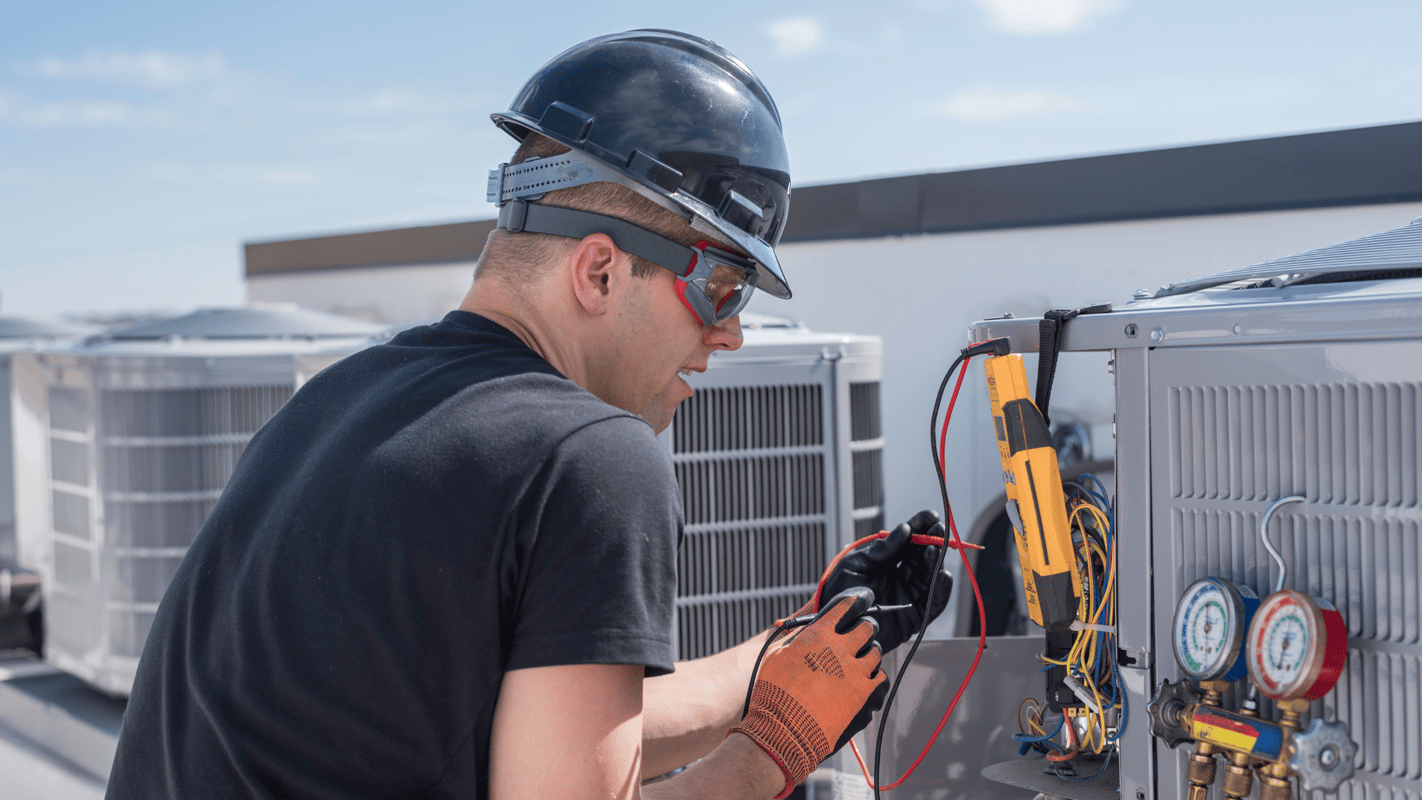
Every HVAC technician needs a basic set of tools to get started. These include:
- Manifold gauge set:Measures pressure in air conditioning and refrigeration systems.
- Thermometers:For checking temperature differences and system performance.
- Multimeter:Tests electrical circuits, voltage, and continuity.
- Refrigerant recovery machine:Safely removes refrigerant from systems.
- Wrenches and screwdrivers:Various sizes for assembly and repairs.
- Pipe cutter and bender:For working with copper tubing and pipes.
Starting with these tools will cover most HVAC service needs. Think about how often you’ll face electrical diagnostics versus mechanical repairs when choosing your gear.
Safety Gear
Your safety should never be an afterthought. Proper gear protects you from electrical shocks, refrigerant exposure, and sharp tools.
- Safety goggles:Shield your eyes from debris and chemical splashes.
- Gloves:Use insulated gloves for electrical work and heavy-duty gloves for handling metal parts.
- Respirator mask:Important when working around dust, chemicals, or refrigerants.
- Steel-toe boots:Protect your feet from heavy falling objects.
- Hearing protection:Use earplugs or earmuffs when operating noisy equipment.
Have you ever underestimated safety gear and wished you hadn’t? Investing in quality protection is a smart move that saves you from injuries and costly downtime.
Maintenance Tips
Proper care of your tools extends their life and keeps them reliable. Regular maintenance prevents unexpected breakdowns during critical jobs.
- Clean your tools after each use to remove dirt and grime.
- Check electrical tools for frayed cords or loose connections.
- Lubricate moving parts to avoid rust and stiffness.
- Store tools in a dry, organized toolbox to avoid damage.
- Calibrate measurement instruments regularly to ensure accuracy.
Have you ever lost valuable time because a tool didn’t work properly? Keeping your equipment in top shape helps you stay professional and efficient on every job.
Advancing Your Career
Advancing your career as an HVAC technician means more than just gaining experience on the job. It requires proactive steps to deepen your knowledge, develop new skills, and explore opportunities that align with your goals. Whether you want to become a specialist, continue your education, or even start your own business, there are clear paths you can take to grow professionally and financially.
Specializations
Focusing on a specific area within HVAC can set you apart from the competition. You might choose to specialize in refrigeration systems, green energy solutions, or commercial HVAC installations. Specializing often leads to higher pay and more job security because fewer technicians have that expertise.
Think about what interests you most. Do you enjoy working with eco-friendly technologies or large-scale systems? Picking a niche helps you build a reputation as an expert and opens doors to more advanced projects.
Continuing Education
The HVAC field is always changing with new technologies and regulations. Staying updated through continuing education keeps your skills sharp and relevant. This can include workshops, certifications, or online courses tailored to emerging HVAC trends.
Many employers value technicians who invest in their learning. Certificates like EPA Section 608 or NATE certification not only boost your credentials but also improve your chances of landing better positions.
Starting Your Own Business
Have you ever thought about running your own HVAC company? Starting a business requires more than technical skills—it demands knowledge of marketing, customer service, and finances. But it also offers freedom and the potential for greater income.
Begin by building a strong client base and understanding local regulations. You can start small with residential services and gradually expand to commercial contracts. Many successful HVAC business owners began by working for others and learning the ropes before taking the leap.
Credit: dreambound.com
Frequently Asked Questions
What Education Is Required To Become An Hvac Technician?
A high school diploma or GED is typically required. Technical training through vocational schools or community colleges is highly recommended. Certification programs can enhance job prospects and skills.
How Long Does Hvac Training Usually Take?
HVAC training programs usually last from six months to two years. Apprenticeships can extend training while providing hands-on experience. Duration depends on the chosen education path.
What Certifications Are Needed For Hvac Technicians?
EPA Section 608 certification is mandatory for handling refrigerants. Additional certifications like NATE improve credibility and job opportunities. Requirements vary by state and employer.
What Skills Are Essential For Hvac Technicians?
Strong problem-solving, mechanical aptitude, and customer service skills are crucial. Basic electrical and plumbing knowledge also helps. Being detail-oriented ensures quality work.
Conclusion
Becoming an HVAC technician takes clear steps and steady effort. Start with basic education and hands-on training. Earn certifications to show your skills. Work hard and gain experience in the field. Stay curious and keep learning new techniques. This career offers good pay and steady work.
With patience and practice, success is possible. Ready to build a strong future? HVAC work can be both rewarding and in demand. Keep your goals in mind and move forward one step at a time.



